

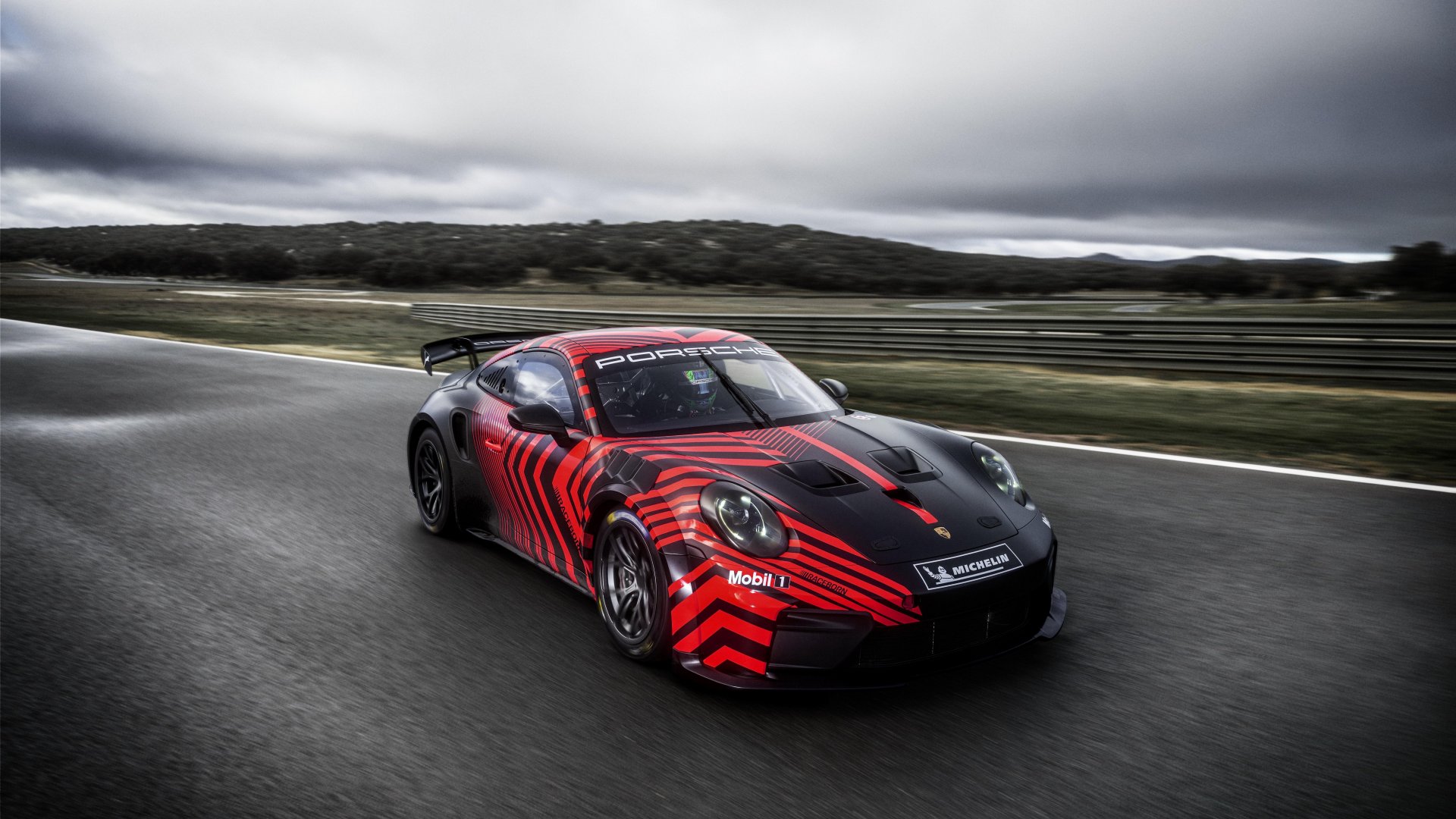
Porsche’s made some great cars in its 95-year history. But there’s one car that’s synonymous with the brand: 911. Both on the road and on the track, the 911 has defined Porsche for several decades now. From Le Mans victories to GT3 championships and countless one-make Cup races, the rear-engined sports car has become the backbone of Stuttgart’s racing heritage.
Yet, despite all that success, one category had remained firmly in Cayman territory: GT4. That changes now. Porsche has unveiled the new 911 GT4 R, marking the first time its global GT4 customer racing programme has been built around the legendary 911 platform.
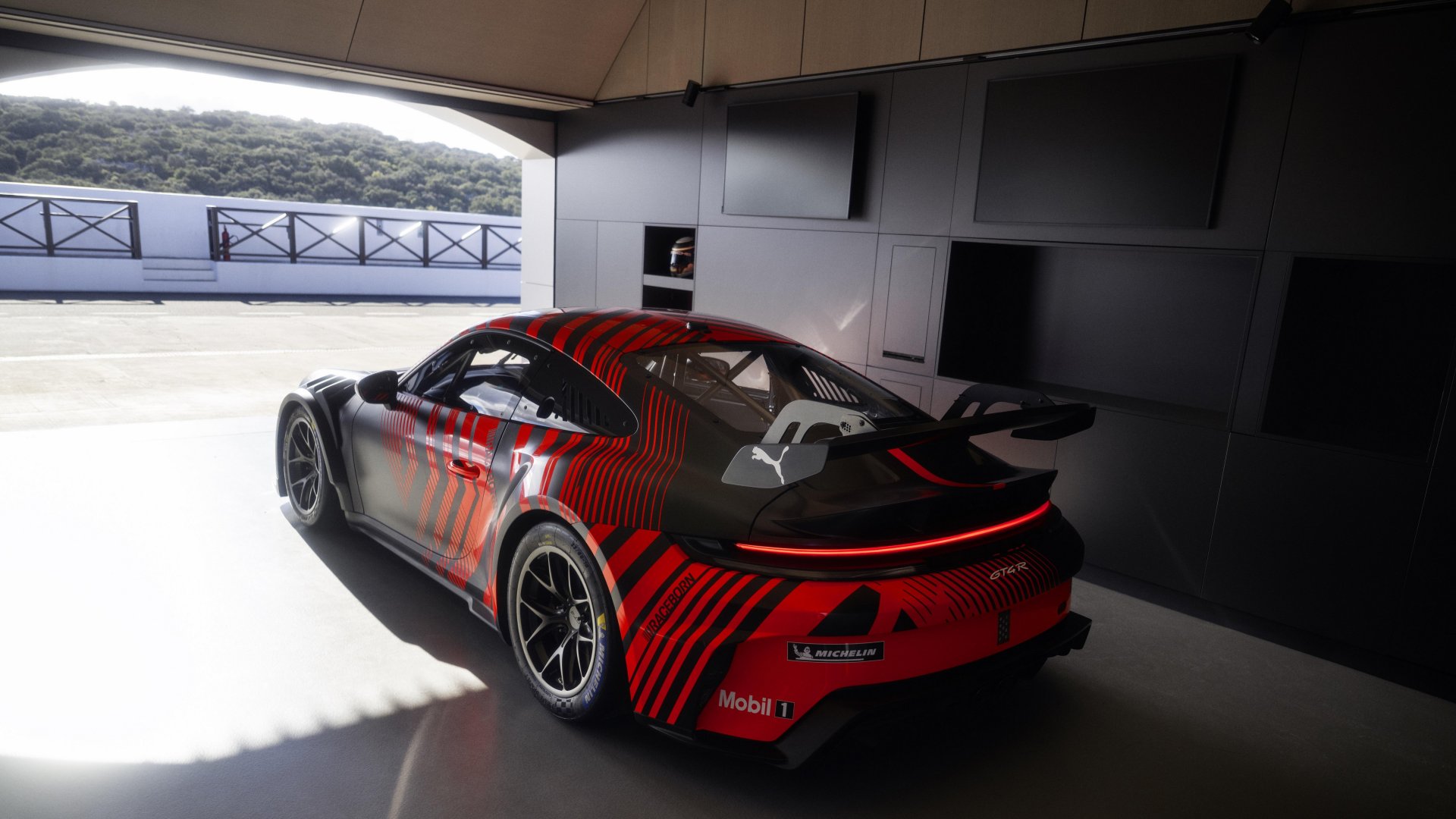
Replacing the long-serving 718 Cayman GT4 Clubsport, the newcomer brings more power, a wider track, smarter electronics, and significantly greater performance to one of motorsport’s fastest-growing categories.
The new customer racer is scheduled to make its competitive debut during the 2027 motorsport season, and it could well become the new benchmark for aspiring GT racers around the world.
Why Is The Porsche 911 GT4 R A Big Deal?
For years, Porsche’s GT4 programme revolved around the mid-engined Cayman. Since entering the category in 2016, Porsche produced more than 1,500 GT4 race cars, making it one of the most successful manufacturers in customer GT racing. But times are changing.
With the 718 Cayman approaching the end of its lifecycle and the 911 firmly remaining Porsche’s primary performance platform, bringing the iconic rear-engined sports car into GT4 was the logical next step. It also strengthens Porsche’s customer racing ladder.
Drivers can now progress from GT4 to the 911 GT3 Cup before eventually moving into GT3 machinery, all while remaining within the same iconic model family. That’s clever engineering, and also clever business.
What Is The 911 GT4 R Based On?
Rather than starting from the road-going 911 GT3, Porsche based the GT4 R directly on the 992.2-generation 911 GT3 Cup race car. That means much of the motorsport engineering already existed.
The chassis architecture, motorsport electronics, body structure, and countless racing components have all been proven under competitive conditions. Porsche has then adapted the package to comply with global GT4 regulations.
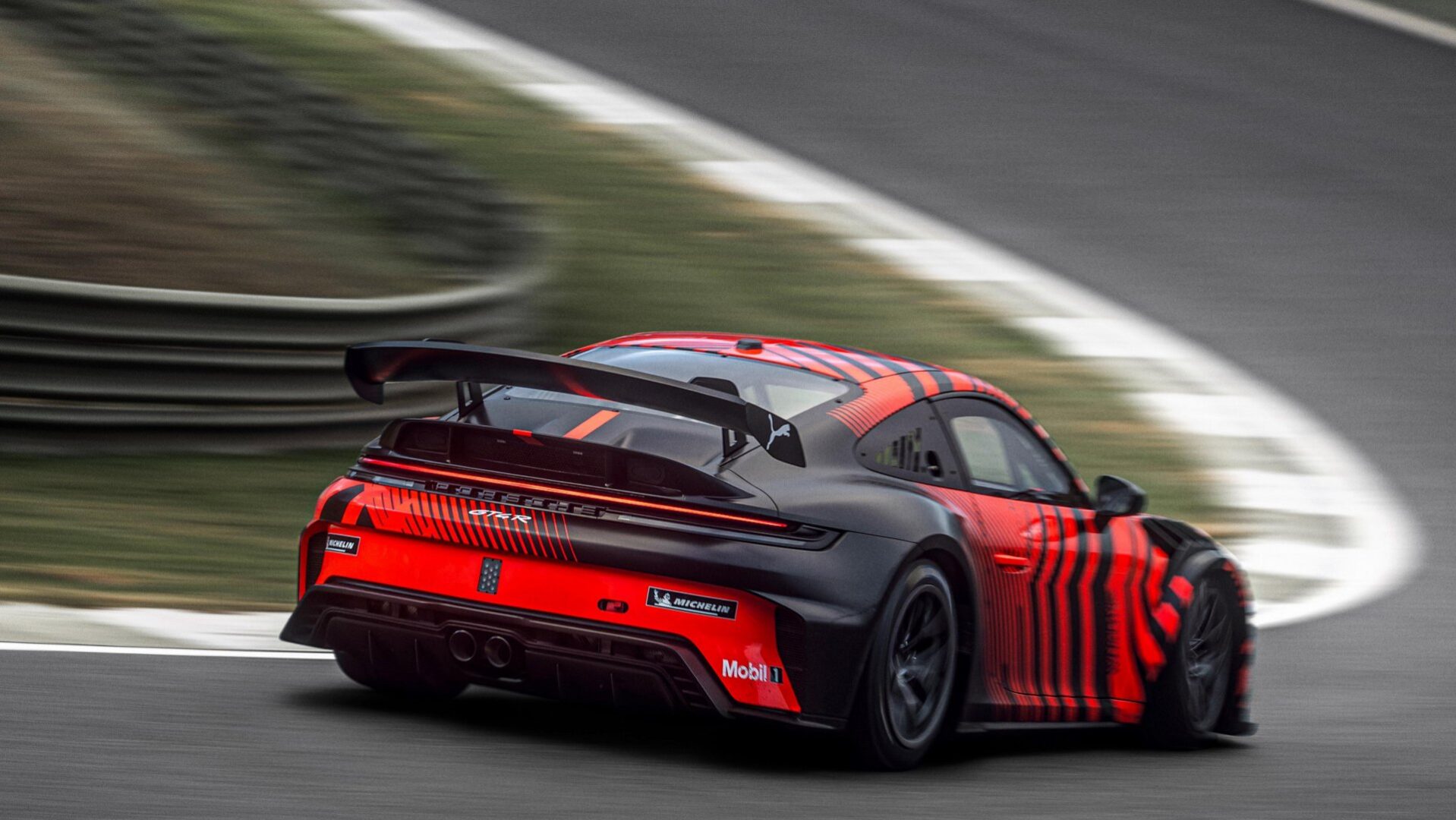
Compared with the outgoing Cayman-based GT4 Clubsport, the new car features:
- More powerful engine
- Wider front and rear track widths
- Revised motorsport electronics
- Improved stability
- Better drivability
- Faster lap time potential
The result is a customer race car that’s quicker, more capable, and easier to fine-tune across different circuits.
Also Read:
– Porsche Cayenne Joins The Fight Against Rhino Poaching In South Africa
– 2027 Maserati Lineup: New GranTurismo, GranCabrio & Grecale Revealed
– Everything You Need To Know About The New Electric BMW M3
How Powerful Is The 4.0-litre Flat-Six?
Mounted at the rear is a naturally aspirated 4.0-litre six-cylinder boxer engine, derived from the unit used in the current 911 GT3 Cup racer. Maximum output stands at 513hp and 470Nm.
That’s a healthy increase over the outgoing Cayman GT4 Clubsport’s 493hp. This gives drivers and teams considerably higher performance levels to work with, before Balance of Performance regulations come into play.
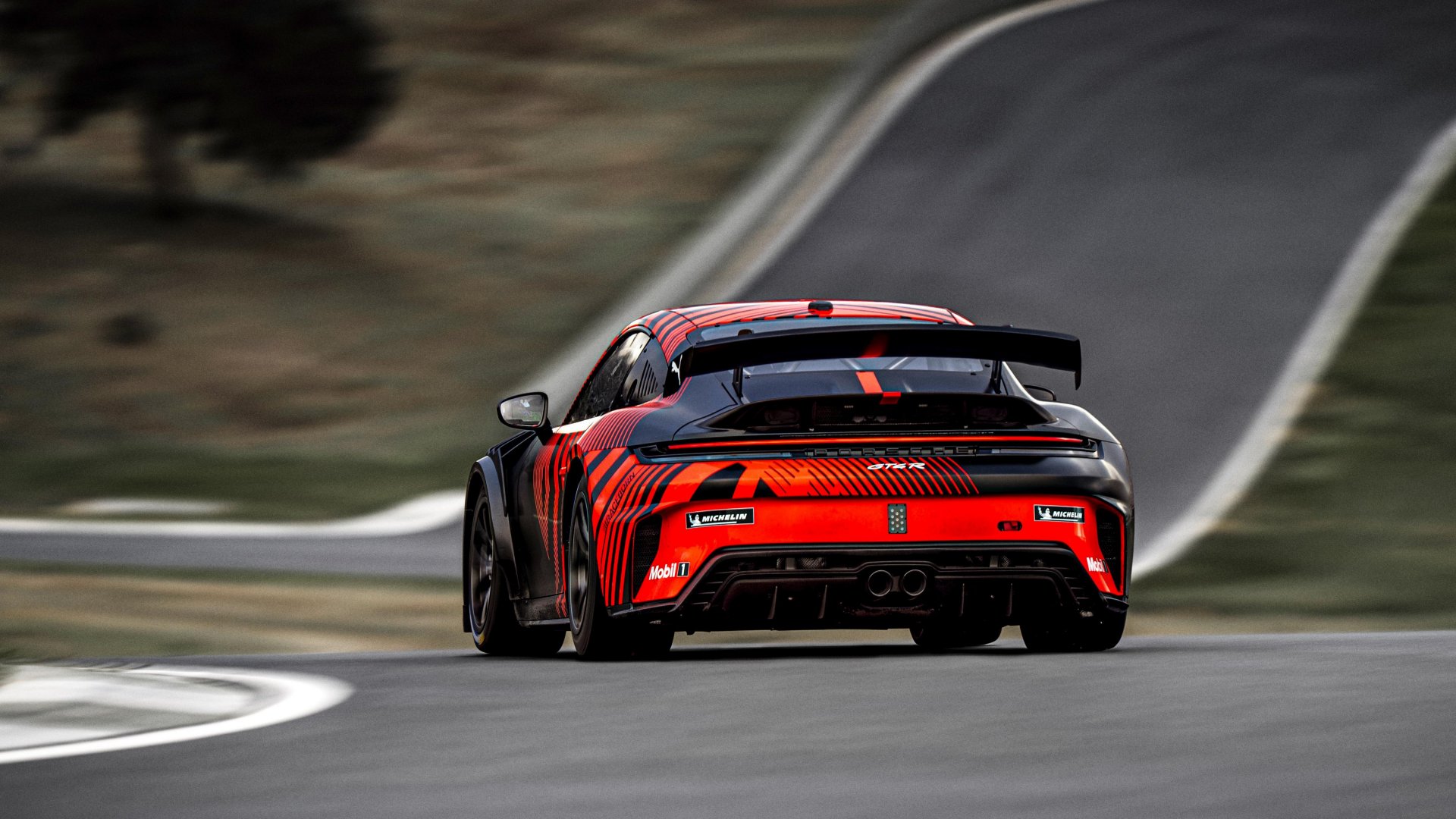
As with every GT4 car, final power output depends on the championship’s Balance of Performance (BoP) regulations. The factory ships the car fitted with 53.7mm air restrictors, reducing output to 316kW (430PS) before organisers adjust performance according to their regulations.
Power reaches the rear wheels through a four-disc racing clutch and a six-speed sequential dog gearbox operated by steering-wheel-mounted paddle shifters. No compromises. Just proper race-car hardware.
Chassis Tuned Specifically For GT4 Competition
Although the GT4 R shares much of its DNA with the 911 Cup car, GT4 regulations required Porsche to rethink several aspects of the chassis. Unlike the centre-lock wheels found on the Cup car, the GT4 R uses a five-stud wheel mounting system, closer to the production 911.
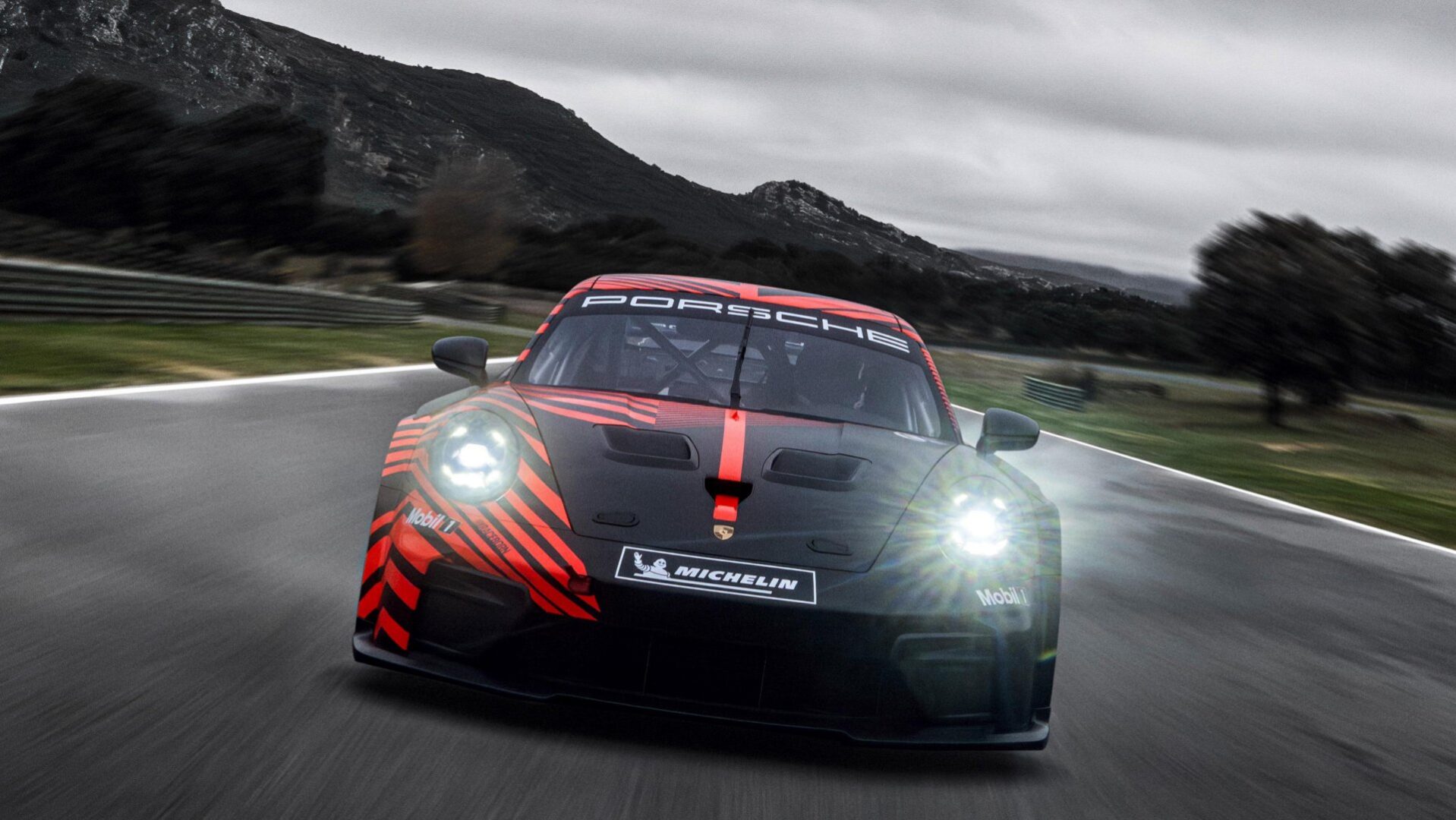
Its wheels are also one inch narrower, helping the car comply with class regulations. Suspension tuning remains highly adjustable. Drivers and engineers can fine-tune the setup using dual-adjustable dampers and three selectable spring-rate options. That flexibility should allow teams to optimise the car for everything from smooth European circuits to bumpier endurance venues.
What Would You Race?
911 GT4 R
Cayman Clubsport
Sustainable Materials Handle The Aerodynamics
One of the more interesting developments isn’t visible at first glance. Porsche has extensively incorporated natural-fibre-reinforced plastic (NFRP) combined with epoxy resin throughout the car. These lightweight composite materials are used for:
- Doors
- Engine cover
- Front aerodynamic elements
- Rear aerodynamic components
- Various cockpit parts
Besides reducing weight, they also represent Porsche Motorsport’s continued push towards more sustainable racing technologies. The rear wing itself features 11 manually adjustable positions, allowing teams to tailor downforce depending on circuit characteristics.
What’s The Cockpit Like?
Comfort is rarely part of the conversation in GT racing, but data is what makes or breaks a race. Inside, the driver gets a 10.3-inch full-colour motorsport display that presents all critical vehicle information.
Supporting it is an integrated GPS-based data logging system, allowing teams to analyse driving lines, braking points, lap consistency and vehicle performance after every session. The GT4 R also features adjustable ballast mounting points, enabling teams to meet the varying weight targets required under Balance of Performance regulations.
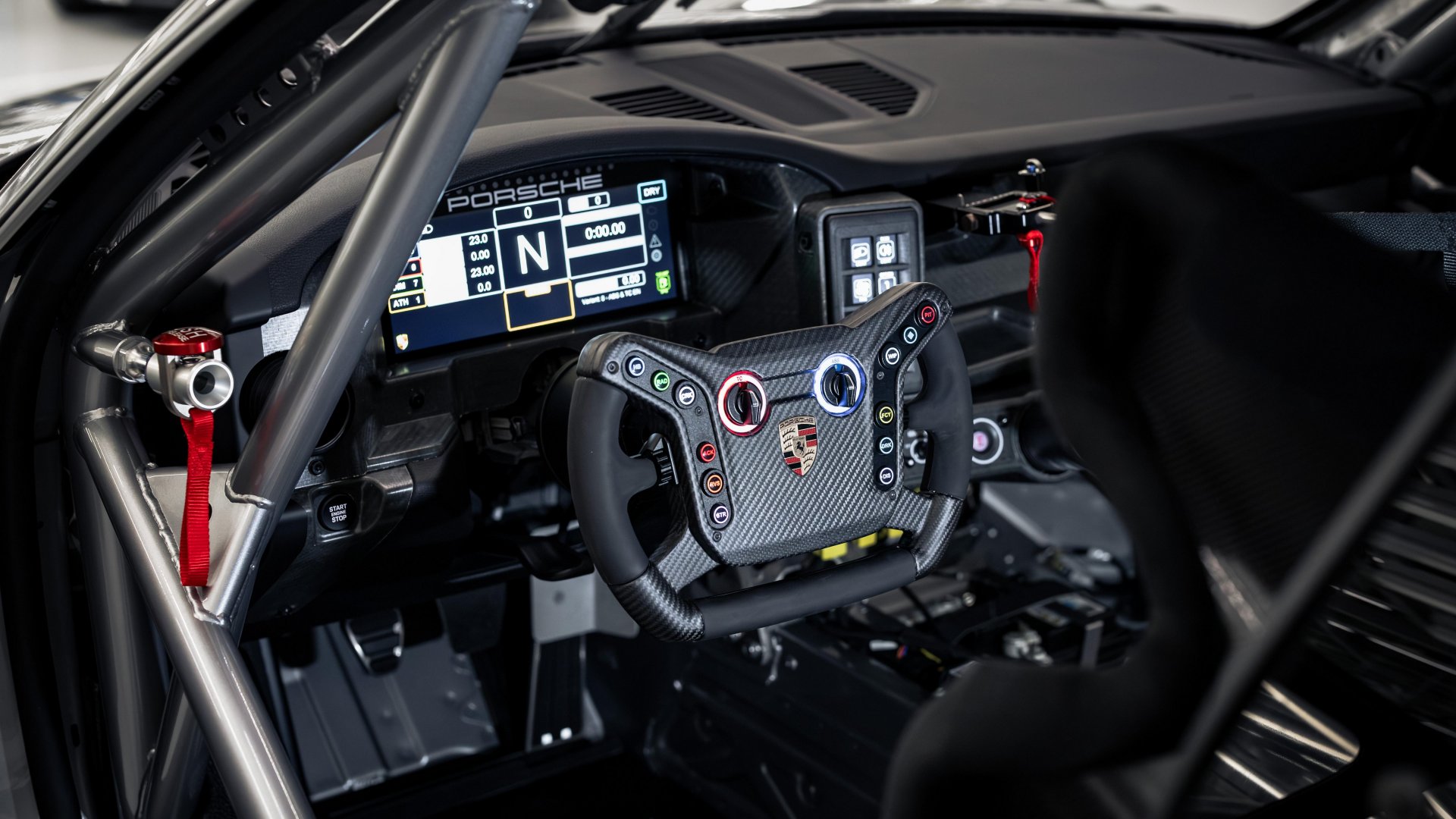
This cabin doesn’t offer wireless Apple CarPlay or ambient lighting, but it will happily tell you where you lost three tenths in Turn 6.
GT4 Racing Is Growing Faster Than Ever
While GT3 often steals the headlines, GT4 has quietly become one of the biggest success stories in global motorsport. Introduced during the mid-2000s, GT4 offers production-based race cars with relatively controlled running costs, making it one of the most accessible pathways into professional GT racing.
GT4 championships currently operate across Europe, North America, Asia, Australia and the Middle East, with series such as:
- GT4 European Series
- ADAC GT4 Germany
- IMSA Michelin Pilot Challenge
- SRO GT4 America
Porsche currently sits third in the SRO Manufacturer Rankings, as of June 2026, underlining just how competitive the category has become.
911 GT4 R: A New Chapter For Porsche Customer Racing
The new 911 GT4 R isn’t simply replacing the Cayman but is redefining Porsche’s customer racing philosophy. For decades, the 911 has represented the pinnacle of Porsche’s motorsport identity, while the Cayman quietly handled GT4 duties in the background. Now, those worlds have merged.
The result is a race car that combines proven 911 Cup engineering, a high-revving naturally aspirated flat-six, sophisticated motorsport electronics, and the unmistakable character of the world’s most recognisable rear-engined sports car. For customer teams preparing for the 2027 season, that’s a compelling proposition.