

There are several ways to get a Porsche enthusiast’s attention. A flat-six clearing its throat usually works. So does a Carrera GT approaching a tunnel. Announce a new mid-engined supercar, give it physical switches and put an analogue rev counter directly in front of the driver, and they can probably cancel the advertising budget for the rest of the year.
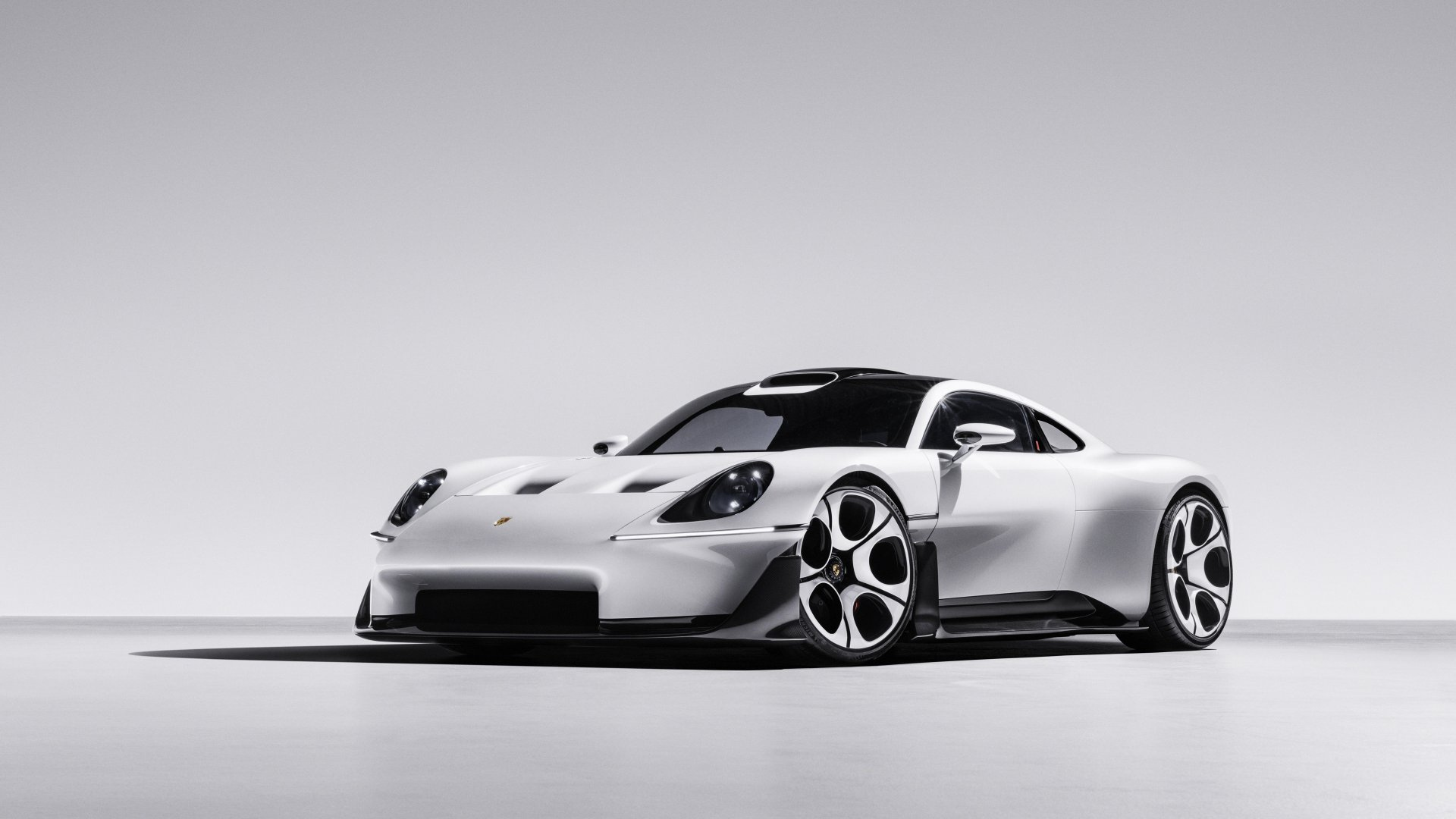
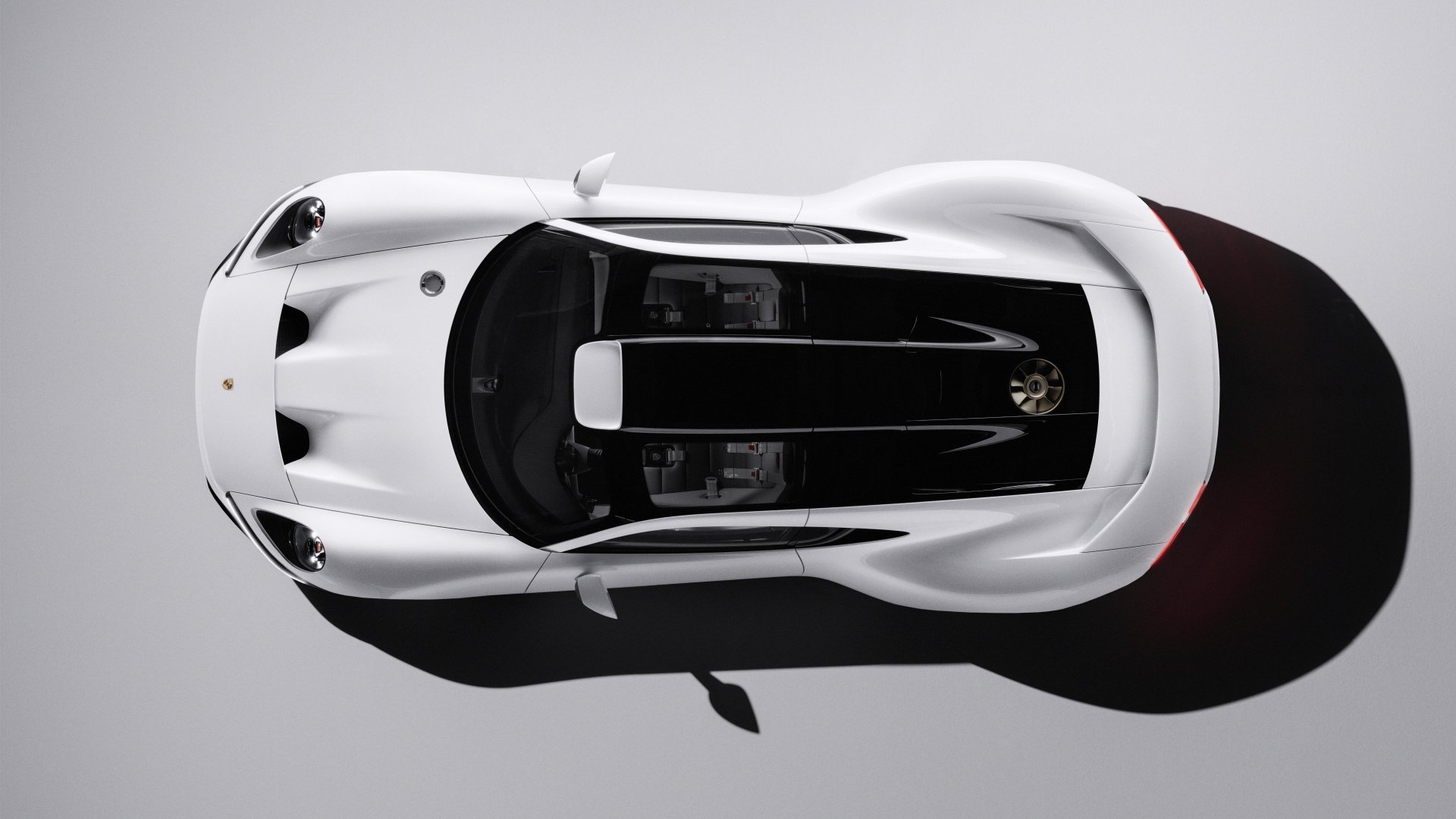
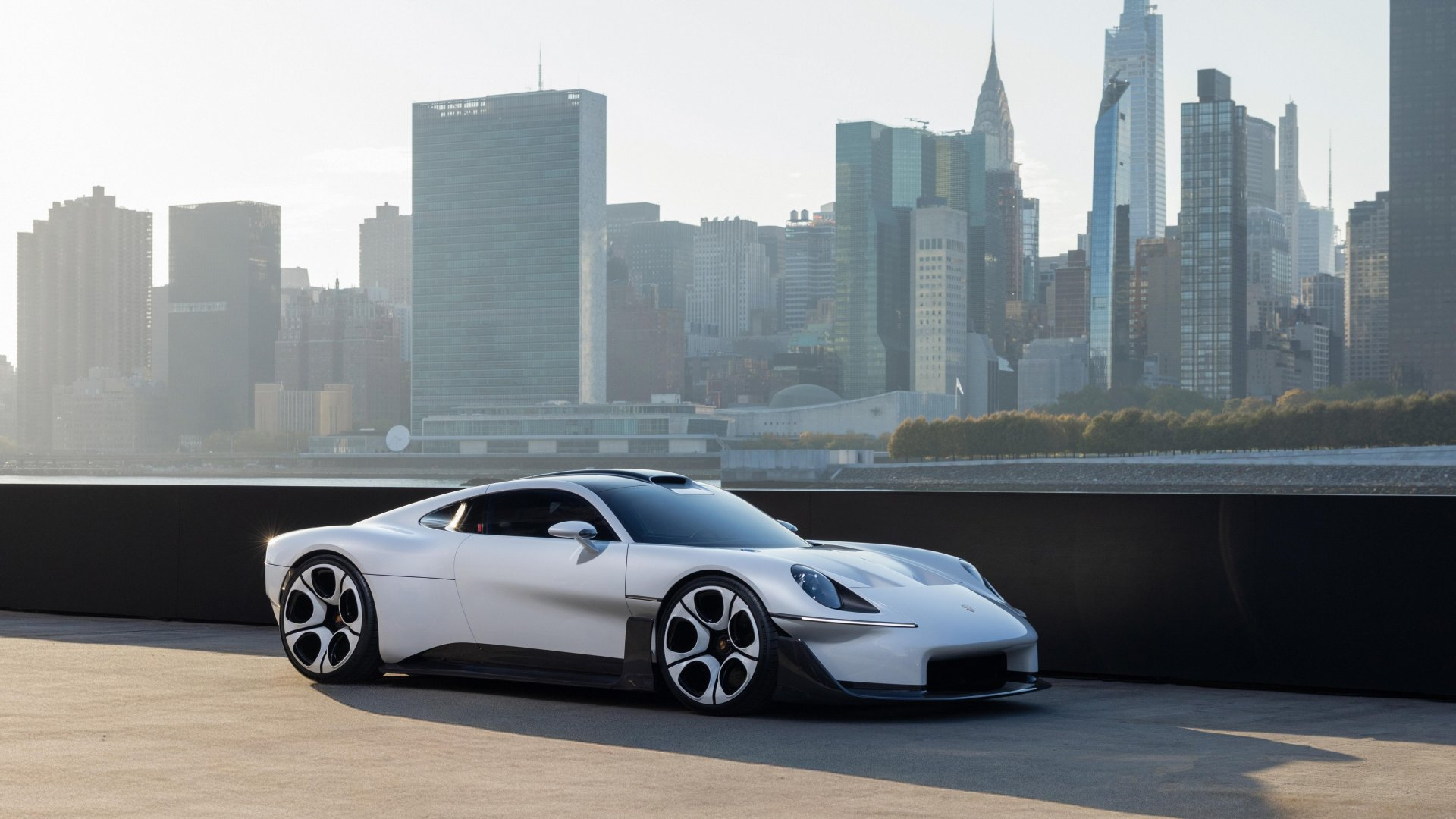
The Porsche Mission S has been revealed, and it brings some very welcome priorities to the supercar conversation. An engine behind the occupants, but not behind the rear axle. A cockpit arranged around driving. Bodywork that makes you want to flaunt it on the high street and on the ractrack.
Unveiled on 15 October 2026, it previews a permanent supercar family above the 911. For Porsche, that is an enormous move.
A Supercar Above The 911
Porsche has ventured well beyond the 911 before. The 959, Carrera GT and 918 Spyder all demonstrated how far Stuttgart’s engineers could stretch when given sufficient freedom. Each, however, belonged to a finite production run. One model. The end.
The Mission S introduces a different ambition: an enduring place for a mid-engined supercar at the top of Porsche’s range. Which means, for the first time-ever, the 911 won’t remain the flagship at all. The company describes a versatile platform, opening the door to a family of models rather than a brief, spectacular appearance followed by years of record-setting auction numbers.
That distinction is everything. Porsche is proposing a regular presence in territory occupied by Ferrari, Lamborghini, and McLaren, with room to develop the formula over time.
There is an important qualification: the Mission S itself is a vision model. Porsche has announced its intentions for the platform, while the production name, final specification, launch timing, and pricing remain undisclosed. The showroom car still has work ahead of it.
Also Read:
- Porsche Strategy 2035: More exclusive and big on quality
- Porsche 550 J: The Pocket-Sized Spyder With An Almost Full-Sized Price
- Alfa Romeo 33 Stradale Perla Nera Revealed With Exposed Carbon Fibre Body
Why The Petrol Engine Matters
The appeal of combustion has never been confined exclusively to acceleration figures. The 0-100km/h time matters, but the appeal thrives in the changing pitch as the revs rise, the response to a carefully measured throttle input and the anticipation of the next gear. A good engine gives a journey its rhythm.
That connection carries particular weight at Porsche. Think of the Carrera GT’s V10, or the generations of 911s whose owners can identify an approaching flat-six before it comes into view. Mechanical character is a considerable part of what people are paying for.
The Mission S puts an engine back at the centre of Porsche’s latest supercar vision. But the release stops short of specifying its configuration. The pure-petrol prospect is hugely appealing, but the final engineering details still need Porsche’s signature.
For now, the blanks are straightforward. Engine configuration, power output, torque, kerb weight, 0-100km/h, top speed, etc, are all still awaited.
Porsche’s Mission Cars Have Usually Meant Business
The Mission name deserves attention because Porsche has used it to preview substantial ideas.
The Mission E appeared in 2015, pointing towards the Taycan. The Mission E Cross Turismo followed in 2018, foreshadowing the more adventurous Taycan body style. In 2021, the Mission R explored electric customer racing, with two motors delivering up to 800kW in qualifying mode. Then came the Mission X in 2023: an electric hypercar concept with spectacular performance ambitions.
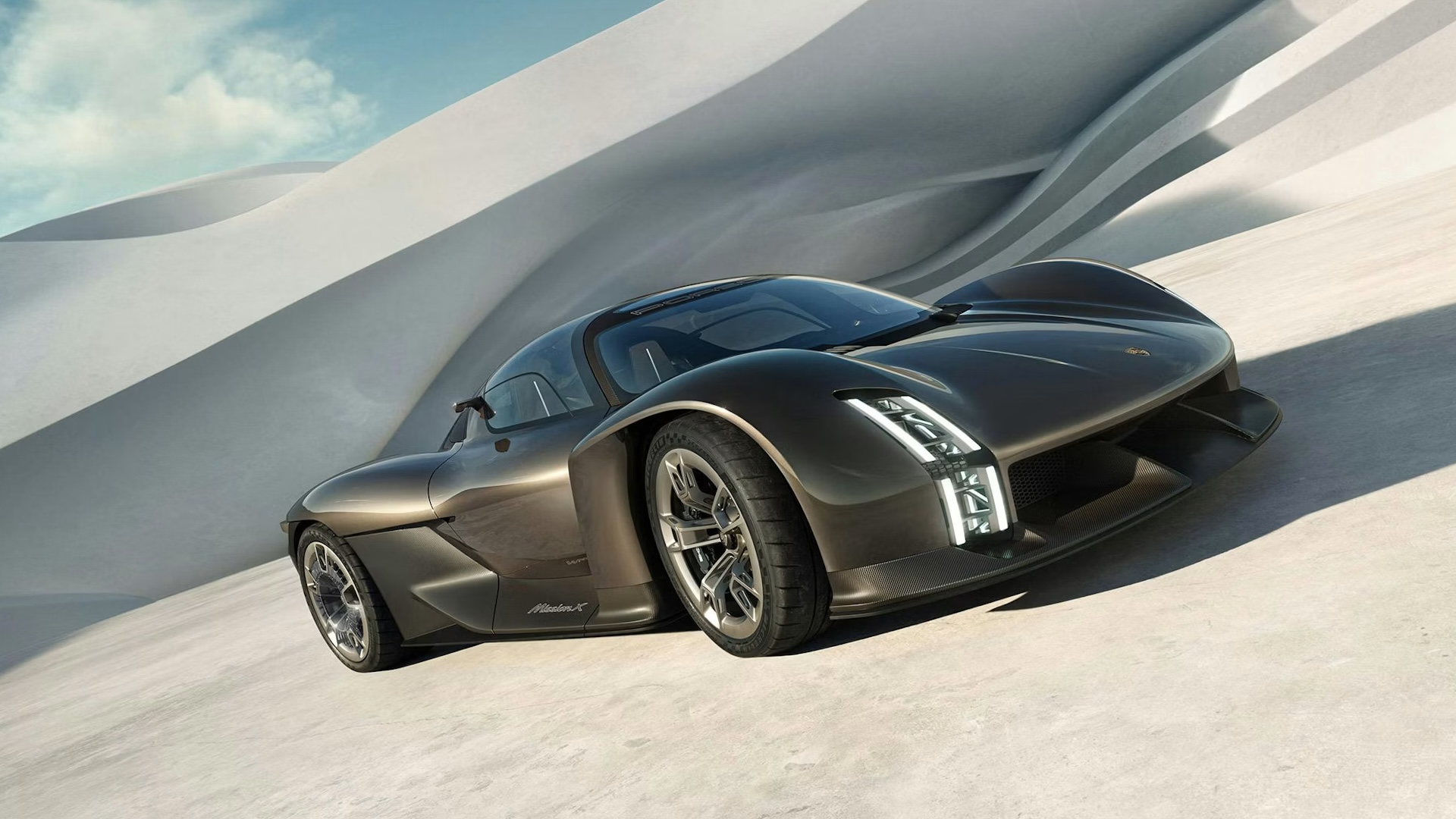
Against that background, the Mission S is a fascinating change of emphasis. Porsche’s future-facing show car now draws attention to an engine, tactile controls and the relationship between driver and machine. Coming amid the company’s Strategy 2035 realignment, it gives enthusiasts something tangible to look at, beyond a corporate presentation.
The badge alone cannot guarantee a production outcome. Its history does suggest this car deserves considerably more attention than the average motor-show sculpture.
An Oh-So-Porsche Design
You can recognise the Mission S as a Porsche without even looking at the badge. The circular headlights and pronounced front wings establish the connection immediately, while the low nose draws from the 911 GT1.
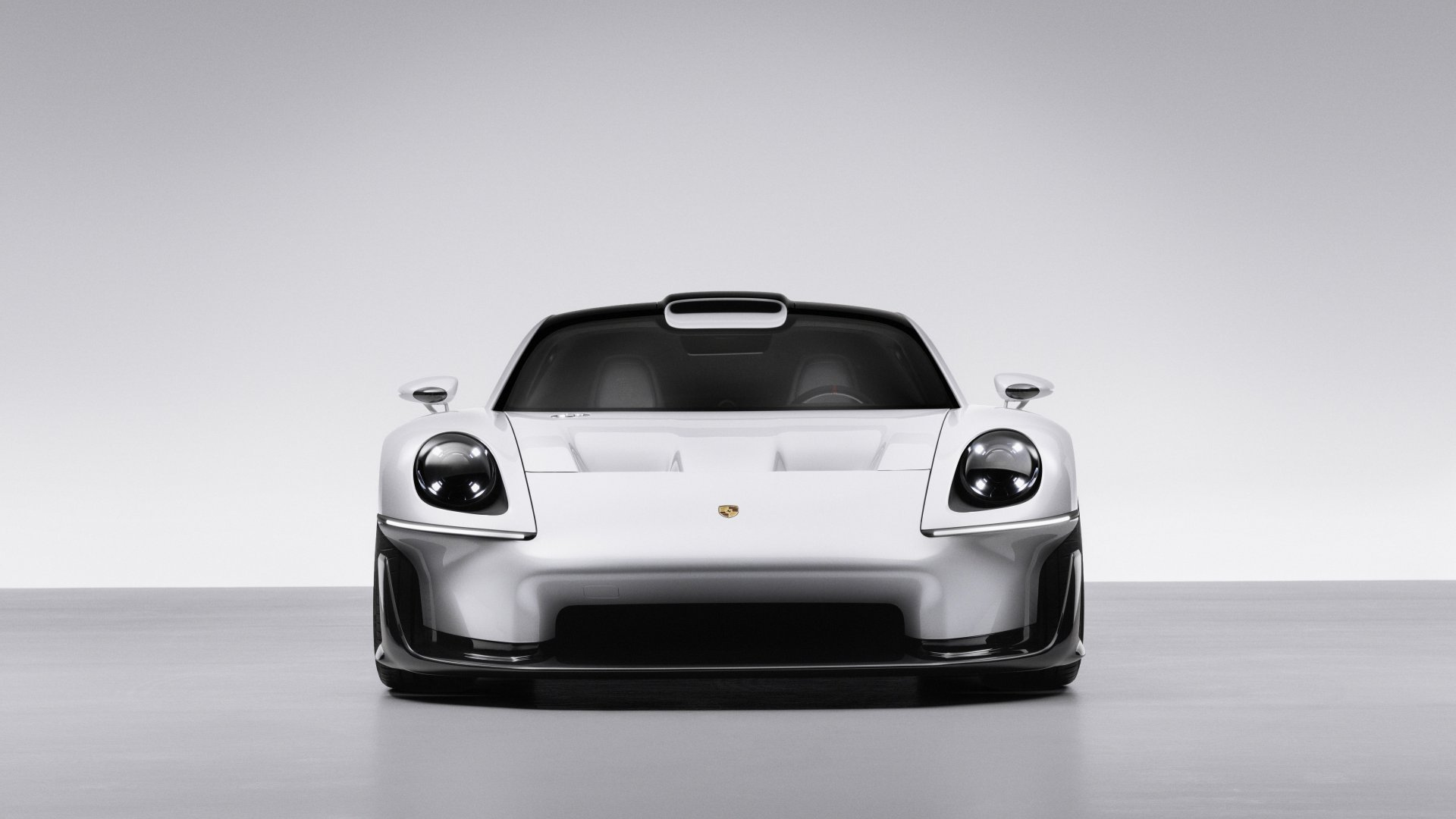
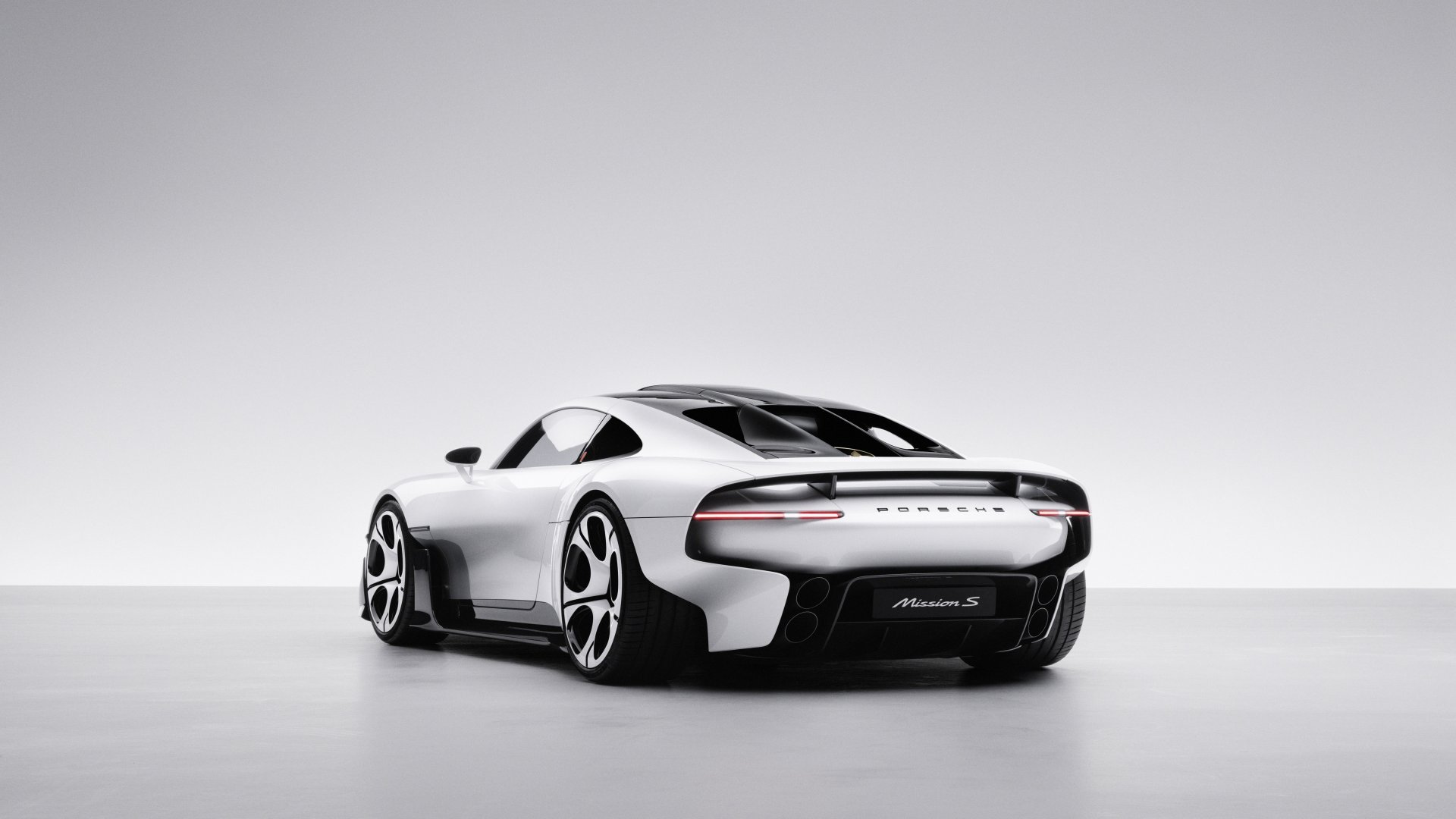
The roofline continues rearwards beneath an integrated active wing, recalling the 959. Porsche also credits the GT1 for the layered rear treatment, while the wheels reinterpret the 928’s distinctive dial design with an emphasis on lightweight construction.
Then there is the cooling arrangement above the centrally positioned engine, inspired by the 917’s exposed fan. This car is literally a Porsche’ Greatest Hits album in terms of the design and styling.
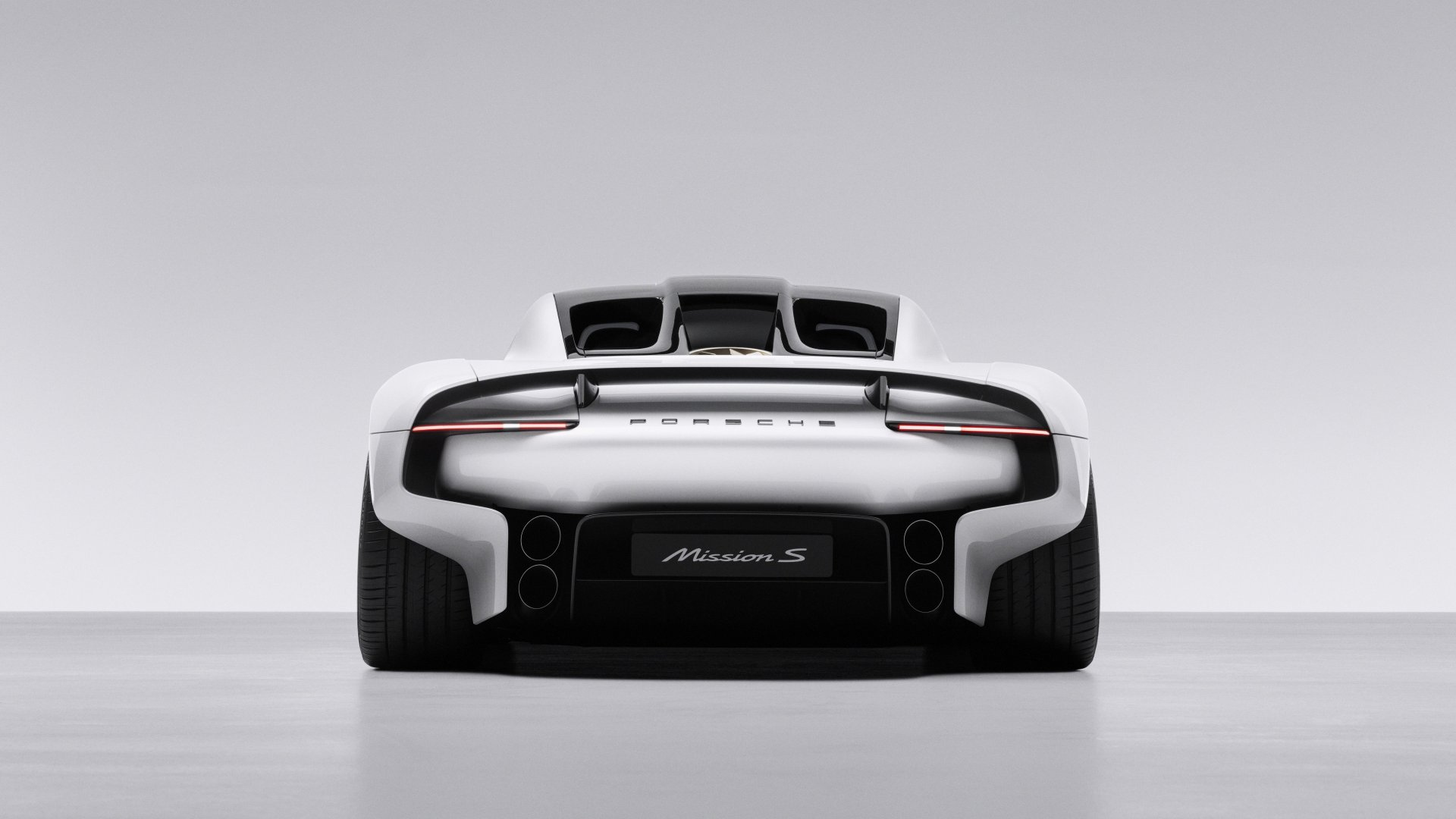
Crucially, the references serve a coherent shape. The low cabin, broad stance and flowing surfaces give the Mission S its own presence. You can enjoy the silhouette first and spend the next twenty minutes identifying styling cues.
A Tactile Interior
The cabin’s strongest feature might be the space Porsche has left alone. There is no permanently integrated central infotainment screen or fixed passenger display.
Instead, five circular instruments face the driver. The central rev counter combines an analogue needle with a display behind it, and can move closer to the driver according to the selected driving mode. The surrounding instrument tubes also rearrange themselves, sitting alongside or behind one another as required. It is wonderfully elaborate engineering.
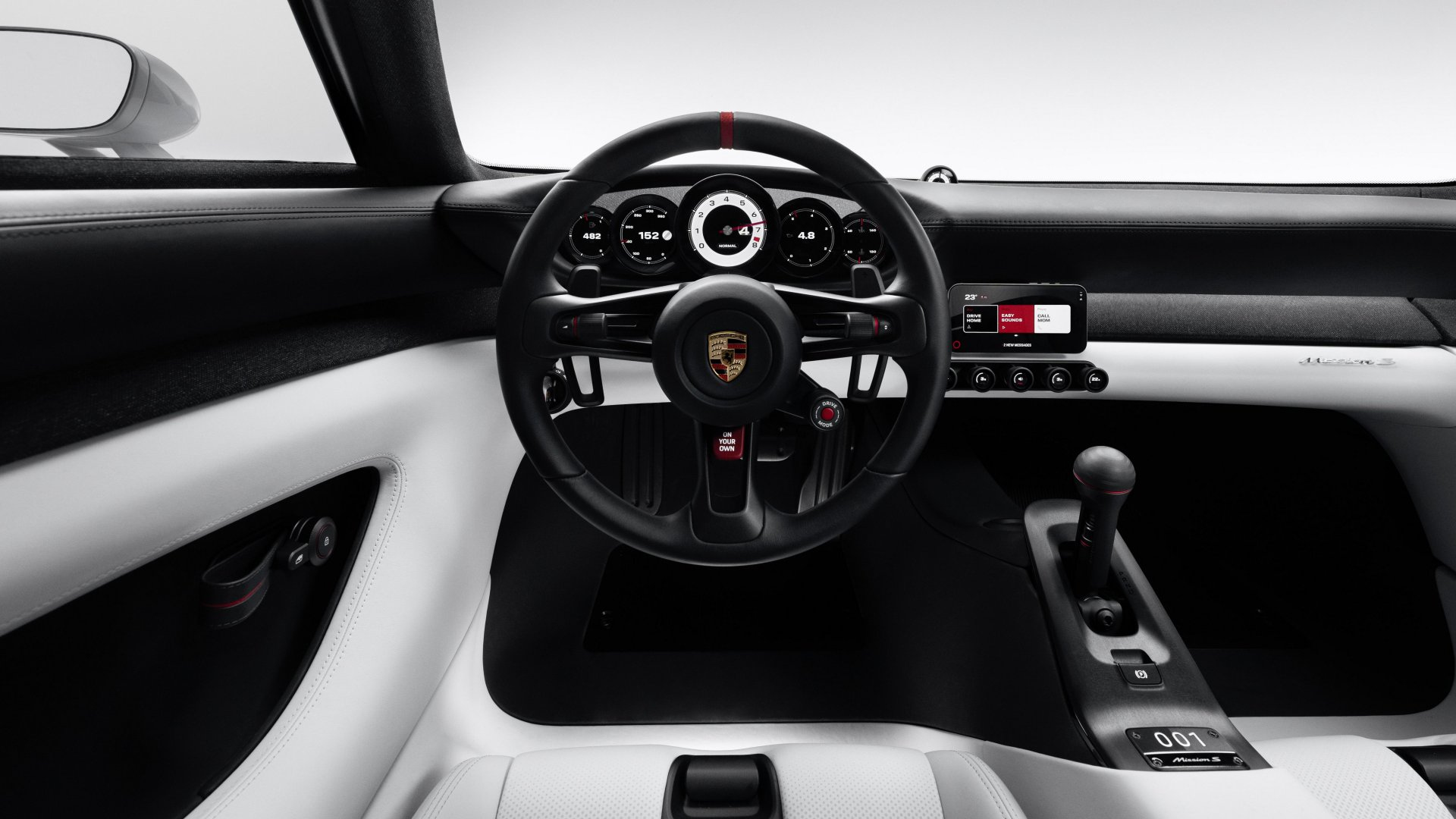
Physical buttons and push-pull controls provide direct access to driving and comfort functions. The key holder sits to the left of the steering wheel, while the Sport Chrono element combines analogue character with digital precision.
Navigation comes through a retractable, MagSafe-compatible smartphone holder when needed. The My Porsche App handles functions and offers historically inspired instrument graphics. Screen dimensions are still pending confirmation.
Back To The Pier Where It Began
Porsche revealed the Mission S on a pier in Queens, New York, overlooking Manhattan. The same location provided the backdrop for photographs of the 550 Spyder in 1953.
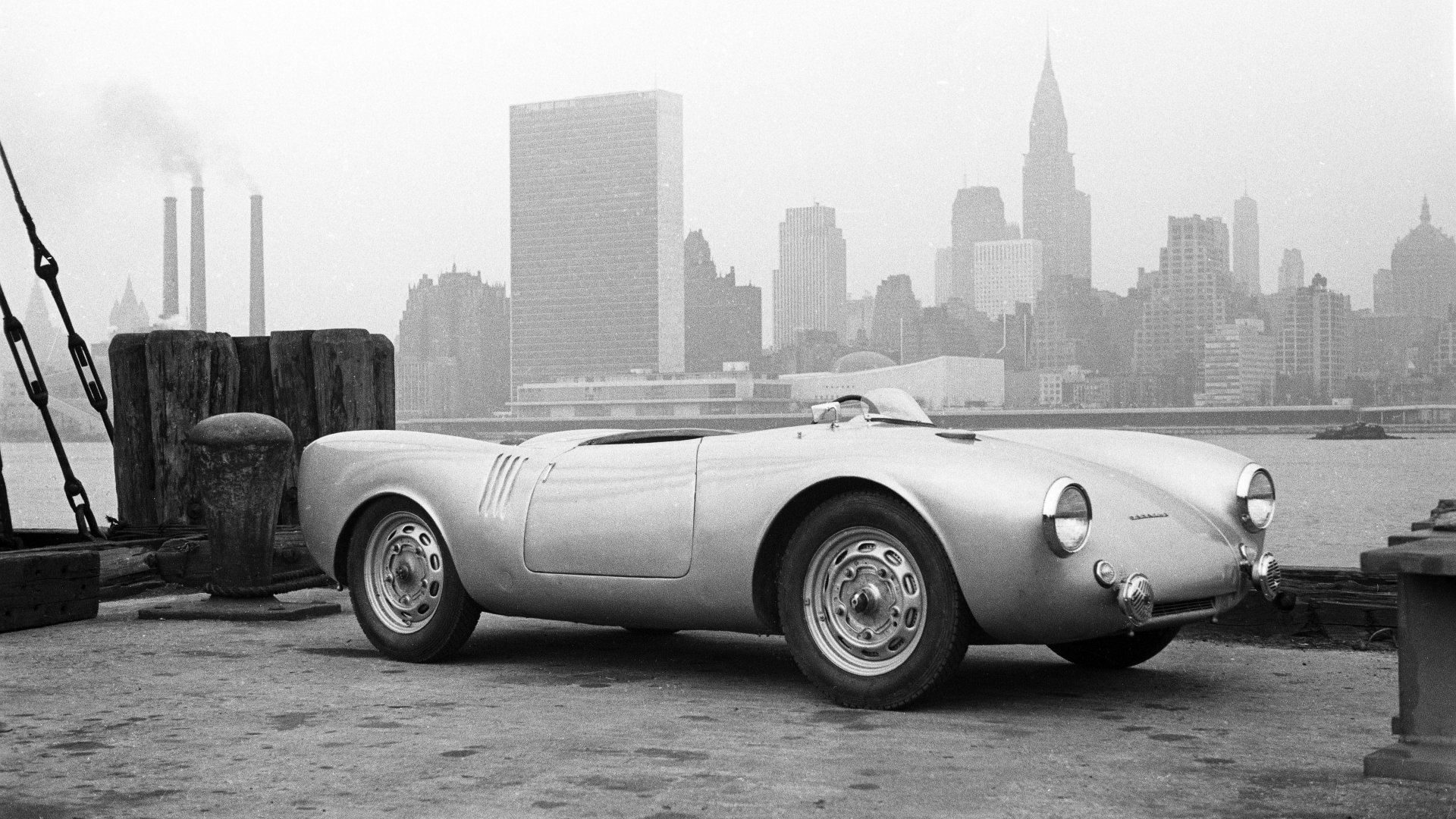
The connection runs deeper than a cute throwback anniversary picture. The mid-engined 550 helped establish Porsche’s sporting identity. Its influence also reaches into the Mission S cabin, alongside the 356, through the low seating position and restrained layout.
Seventy-three years later, Porsche has returned with another mid-engined statement of intent. The next test will come on the road, where the steering, engine and chassis will have to justify all this hype.
Bring those together properly, and the Mission S could give Porsche enthusiasts a new halo product, one that could transcend the 911 GT3 and GT3 RS. Would it?