

What has Yamaha revealed for the 2027 XSR900?
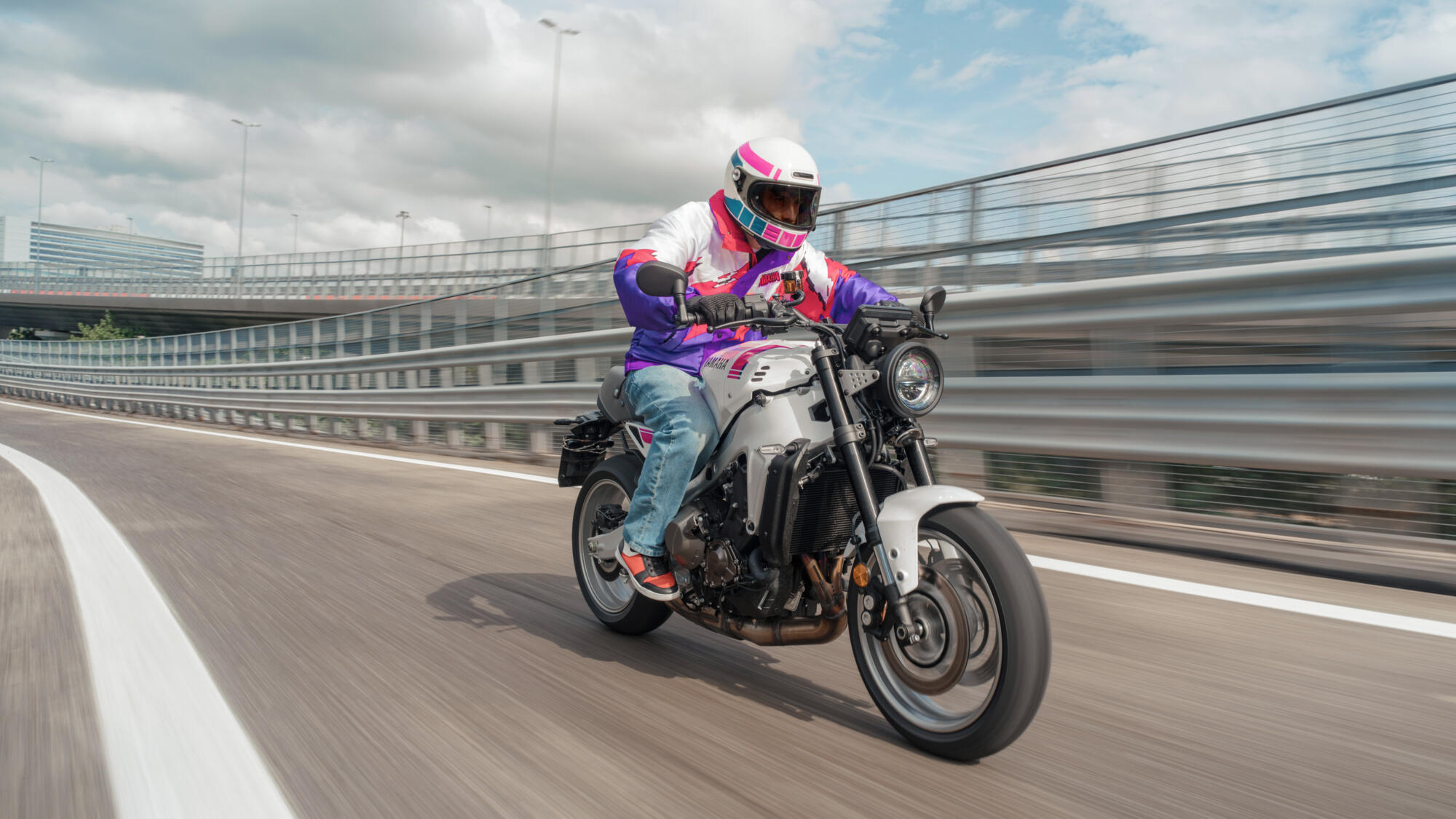
Japanese motorcycle maker Yamaha has revealed a new Neon White colourway for the 2027 XSR900 in Europe. It is merely a cosmetic update rather than a mechanical refresh or overhaul. The new Neon White colourway is replacing the earlier Heritage White shade.
What is the Neon White colourway?
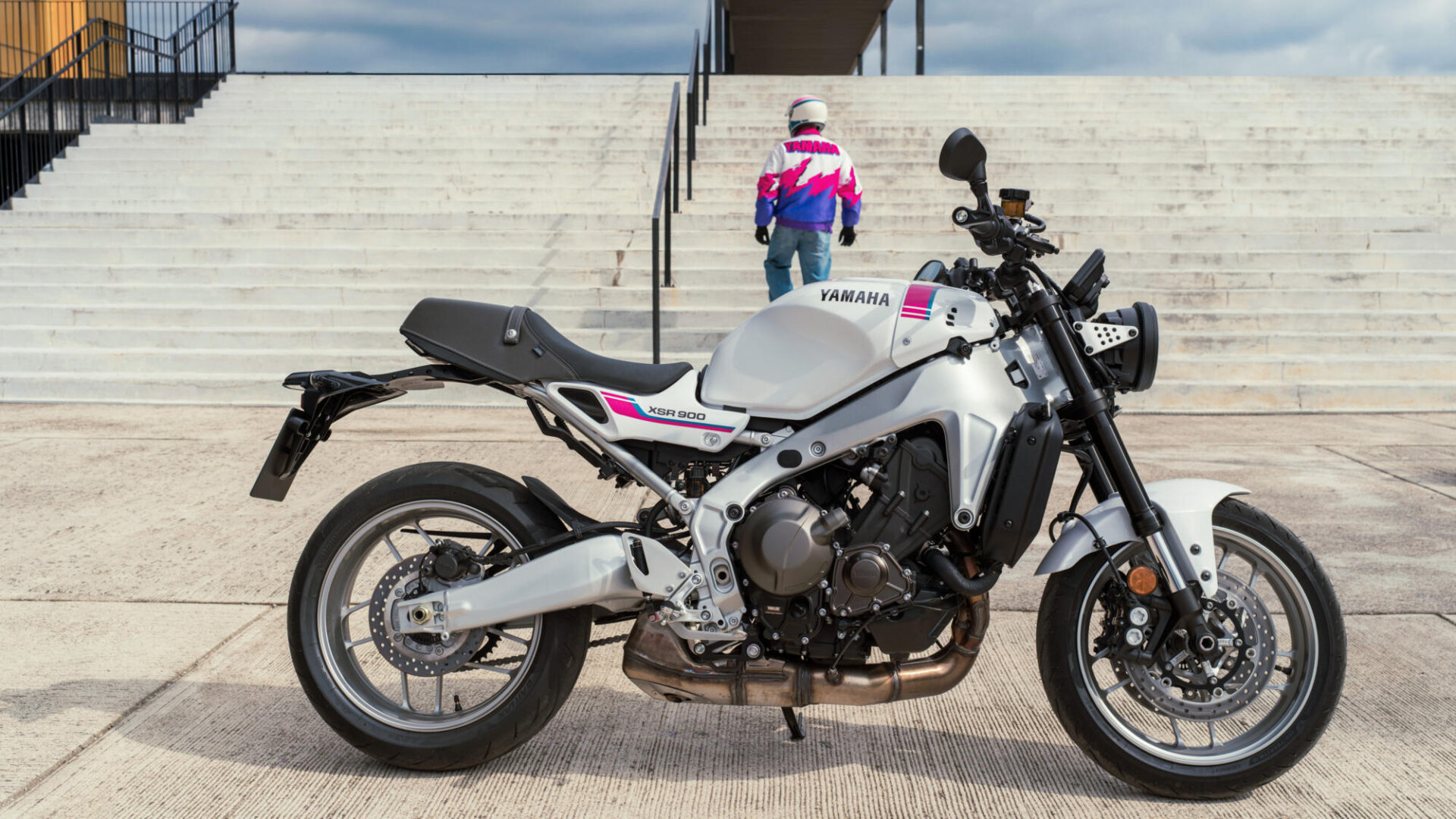
Neon White is a retro-inspired livery for the 2027 XSR900, combining a white base with pink and blue graphics and a silver chassis. The colourway pays tribute to the iconic YZF750R and gives the modern roadster a stronger connection to Yamaha’s 1990s sporting heritage.
Why is the YZF750R important?
Introduced in 1993, the YZF750R quickly became a significant performance model for Yamaha; it combined a 749cc inline-four engine with five valves per cylinder and technology influenced by the company’s racing experience. The Yamaha XSR900 Neon white is designed to pay tribute to this iconic Yamaha motorcycle from the 90s and takes direct visual inspiration from the YZF750R.
What engine does the 2027 XSR900 use?
The 2027 Yamaha XSR900 continues to use Yamaha’s 890cc liquid-cooled CP3 inline-three engine. The 890cc engine produces 119hp at 10,000rpm and 93Nm of torque at 7,000rpm, paired with a six-speed gearbox, assist and slipper clutch, and a standard quickshifter.
What features does the XSR900 get?
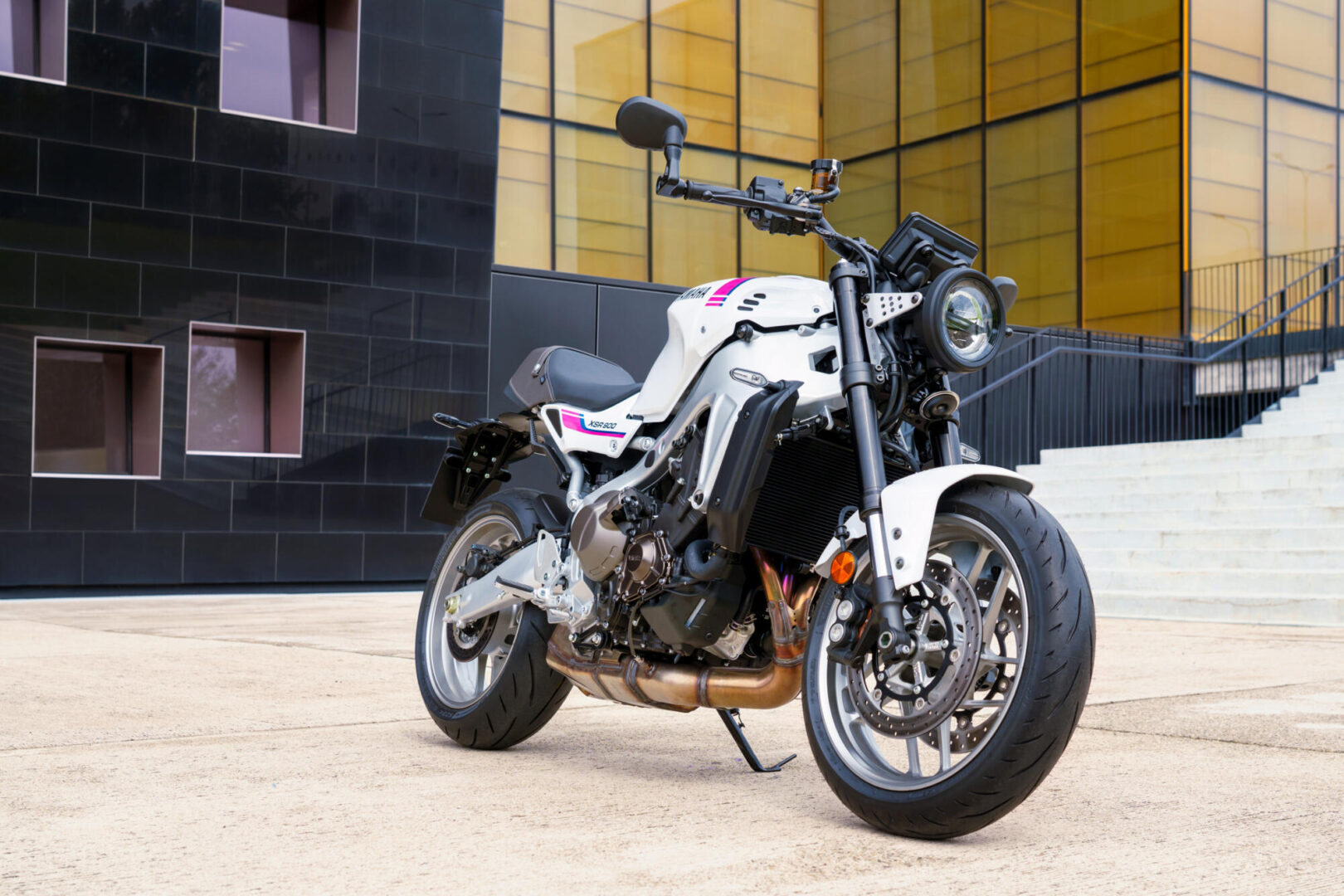
The 2027 XSR900 combines retro aesthetics with modern technology, offering a 5-inch TFT display, smartphone connectivity, IMU supported lean-sensitive traction control, slide control, wheel-lift control, brake control, cruise control and a bidirectional quickshifter.
What frame, suspension and braking hardware does it use?
The 2027 XSR900 continues to feature a lightweight aluminium Deltabox-style frame paired with a lightweight spin-forged wheelset. Suspension duties are handled by a fully adjustable 41mm KYB upside-down front fork with 130mm of travel, while the rear uses a link-type KYB monoshock with 131mm of travel.
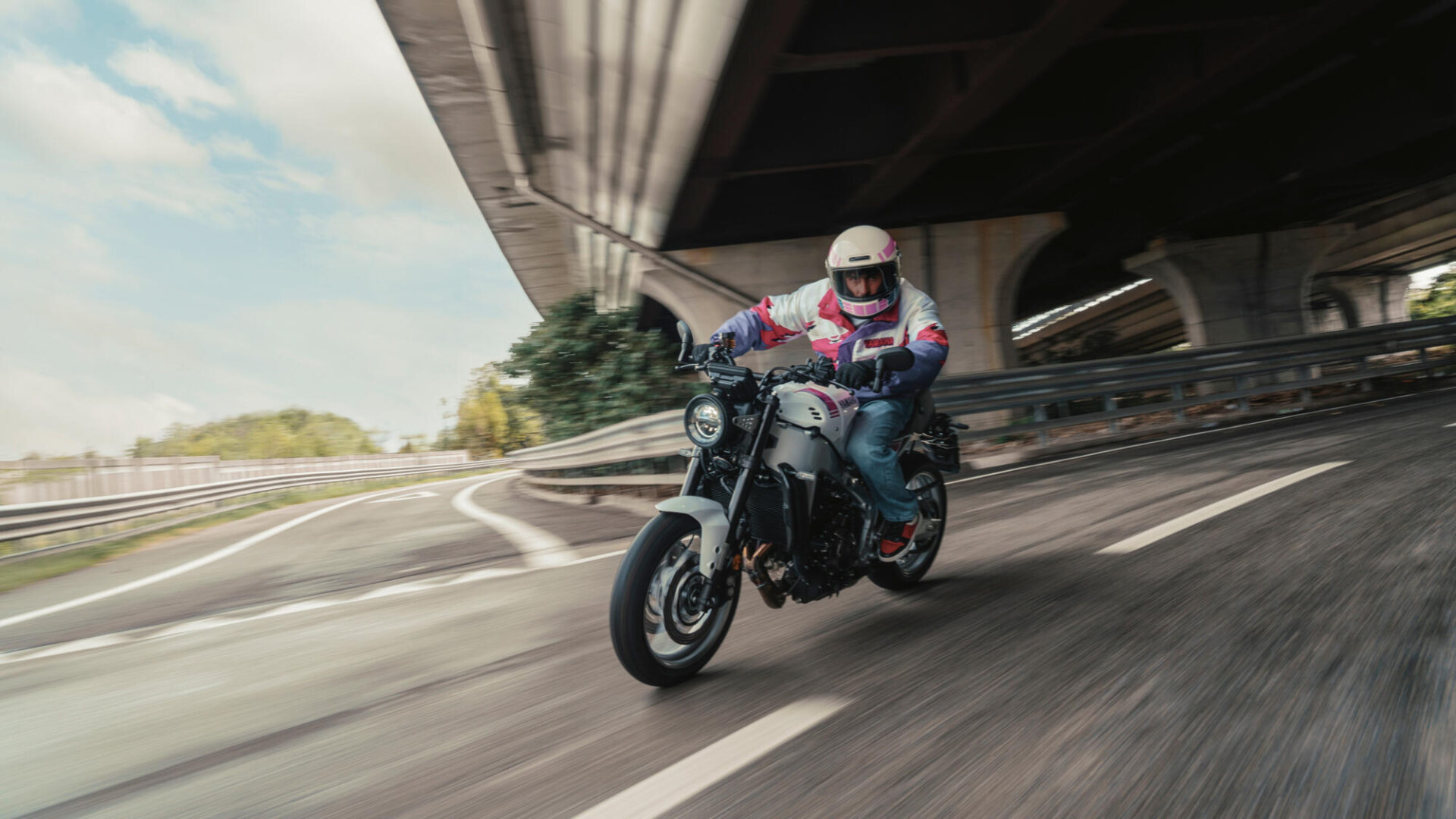
Braking hardware includes twin 298mm front discs with four-piston radial-mount callipers, operated through a Brembo radial front master cylinder. At the rear, a single 245mm disc handles stopping duties, with dual-channel ABS as standard.