

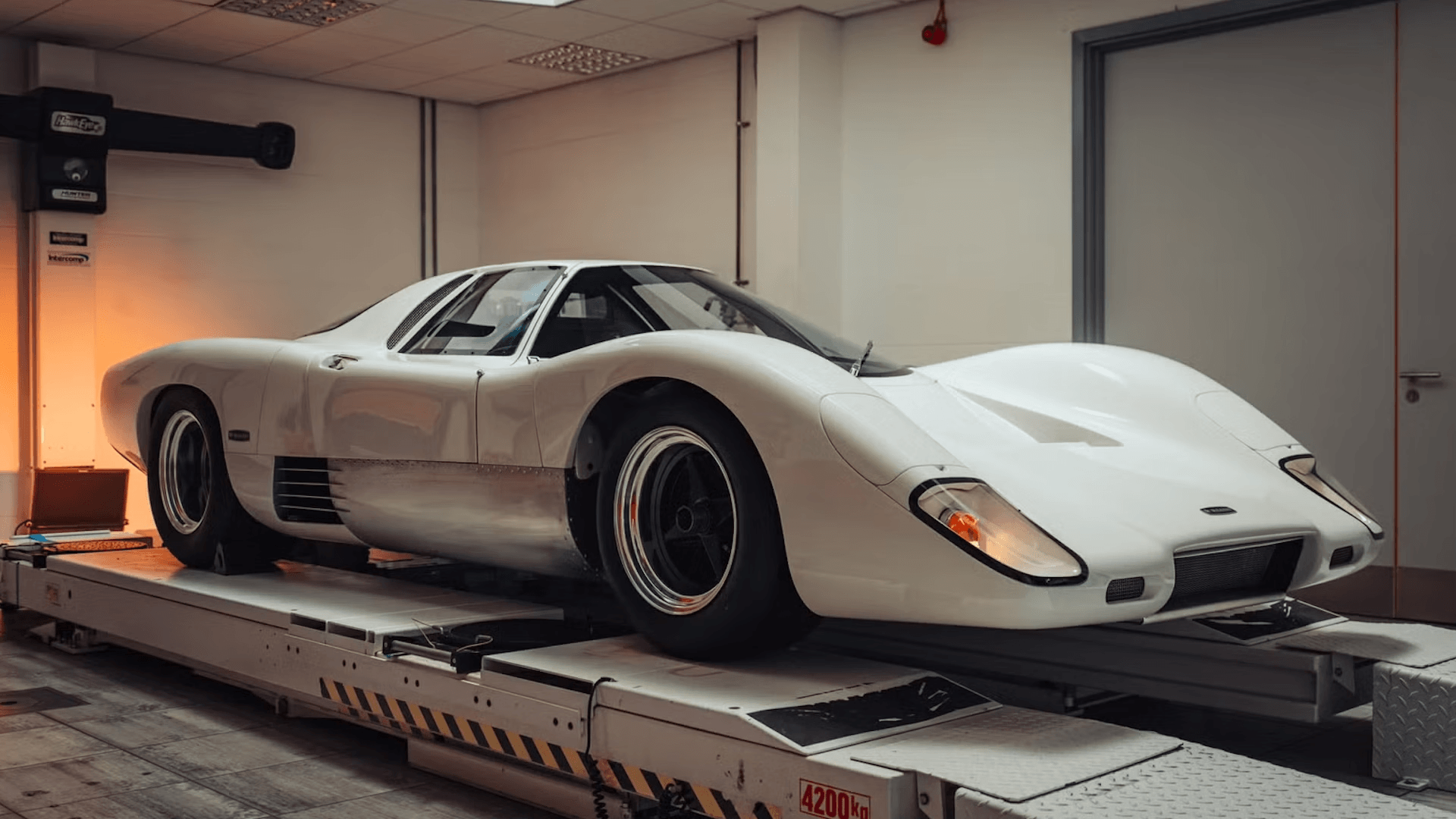
There are special cars, and then there are cars that change the direction of an entire company. The McLaren F1 usually gets the credit for launching McLaren into the road-car world. Fair enough. It remains one of the greatest supercars ever built. But the story actually began more than two decades earlier with a machine that very few people know about and even fewer have ever seen: the McLaren M6GT.
Now, in one of the most significant heritage projects the company has ever undertaken, McLaren’s Special Operations division (MSO) has faithfully restored and recreated the M6GT using original body moulds, archival drawings, period photographs and genuine race-car hardware. It isn’t a modern reinterpretation, but a meticulous tribute to the car Bruce McLaren himself hoped would become the world’s first McLaren road car.
The McLaren Road Car Story
Mention McLaren road cars and most people immediately think of the McLaren F1 from 1992. It revolutionised the supercar world with its central driving position, naturally aspirated BMW V12 and record-breaking performance. But Bruce McLaren’s ambition stretched much further back.
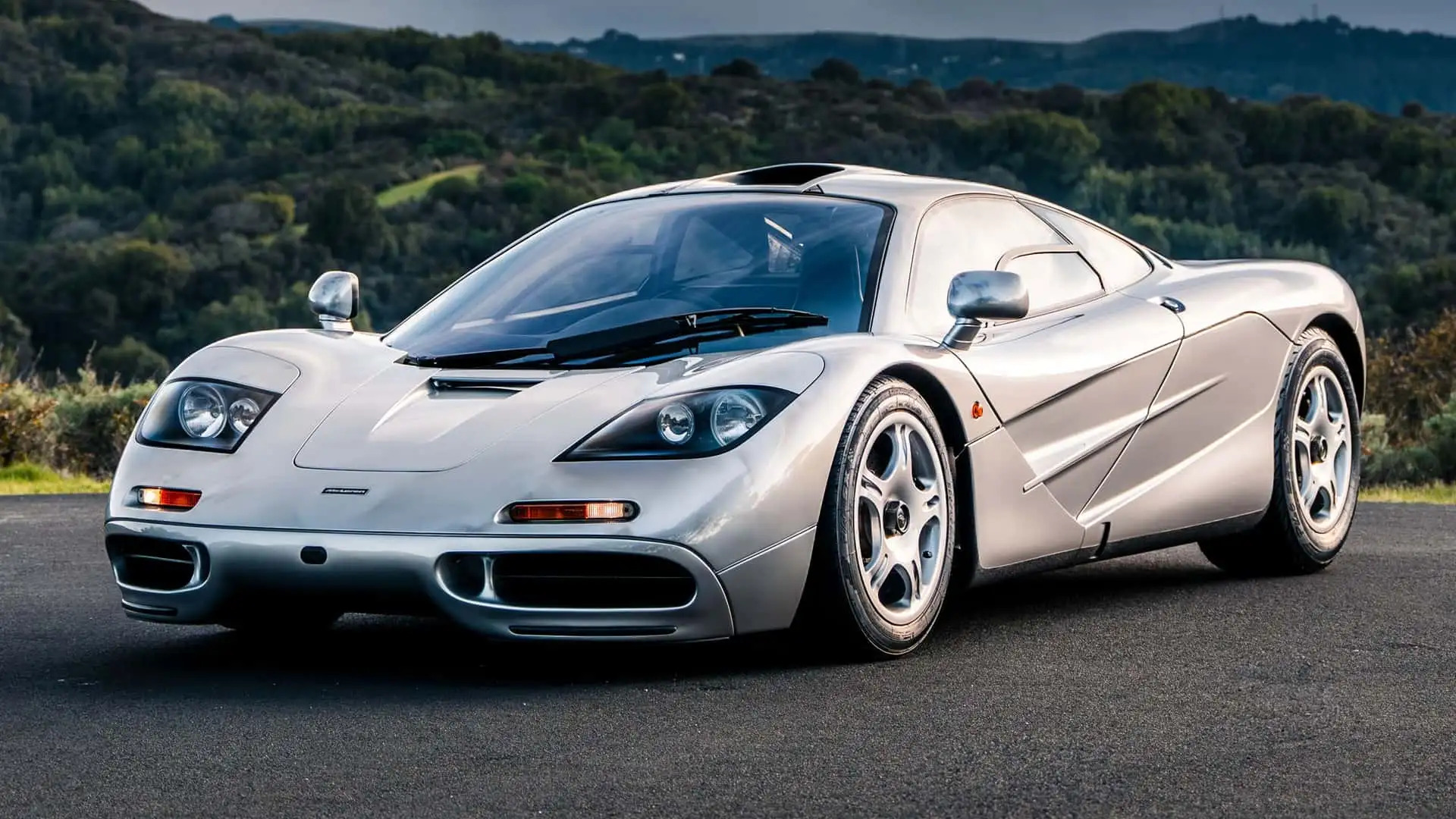
Following the dominance of the M6A Can-Am race car in 1967, Bruce wanted to create something almost unheard of at the time: a road-going version of his racing machine. Not a grand tourer softened for everyday use, but a genuine racing car in road car clothes.
In 1969, when asked by a reporter what he wanted to create besides cars for the track, Bruce replied “A civilised version of one of our racing cars. A fully equipped, comfortable car. A very high-performance car. Some way down the line, I think it’s bound to happen. I hope it happens”.
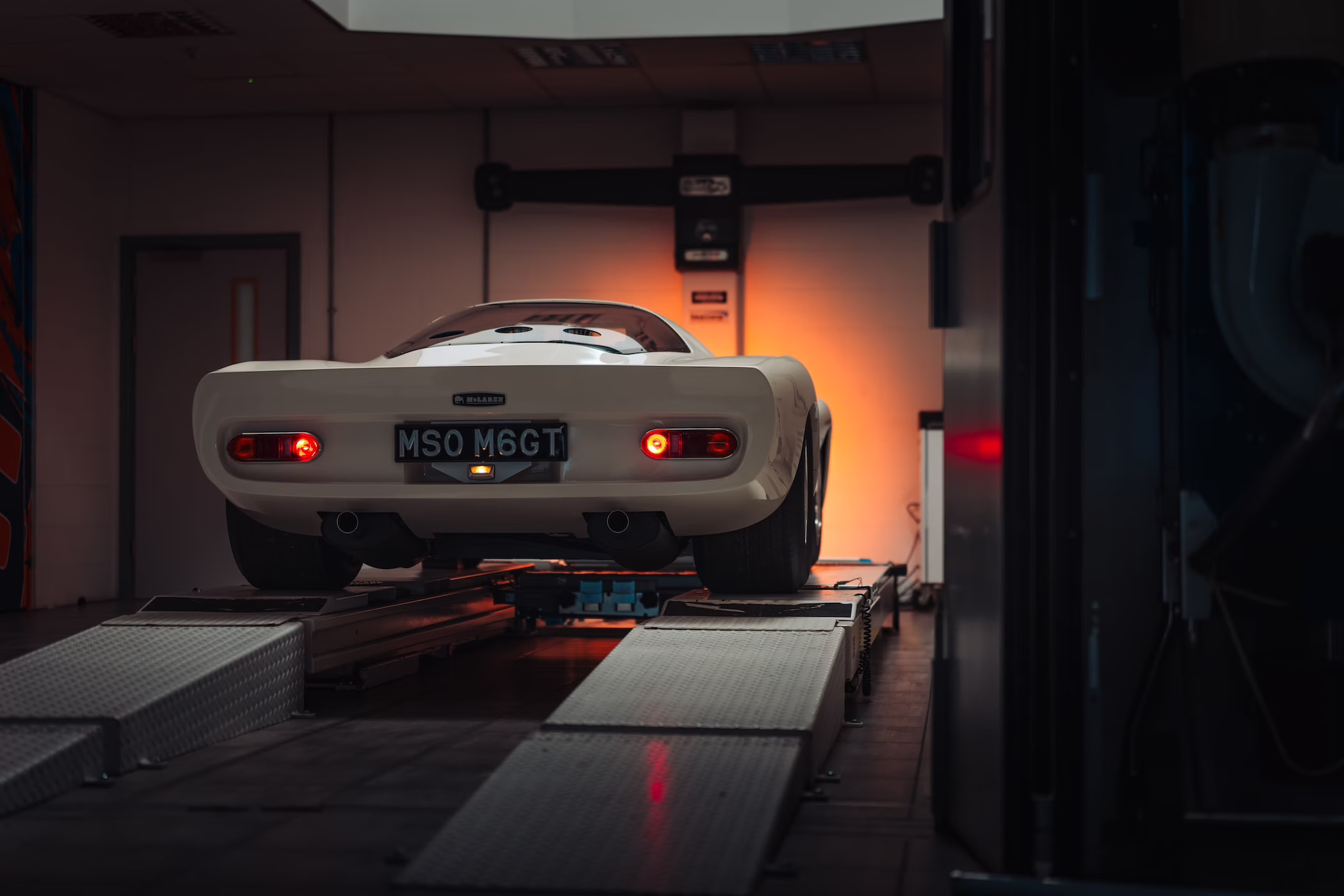
That vision became the M6GT. Only three prototypes were ever built, with Bruce himself driving one on public roads. The plan was to produce around 50 examples in partnership with British manufacturer Trojan.
Sadly, Bruce McLaren’s death in 1970 while testing a race car brought the ambitious project to an abrupt end. The M6GT became one of motorsport’s greatest “what if?” stories. Until now.
Restored by McLaren Special Operations
Rather than creating a modern homage with updated engineering, MSO chose a far more challenging route. The team’s objective was authenticity. Every decision throughout the project focused on preserving Bruce McLaren’s original vision instead of improving or modernising it.
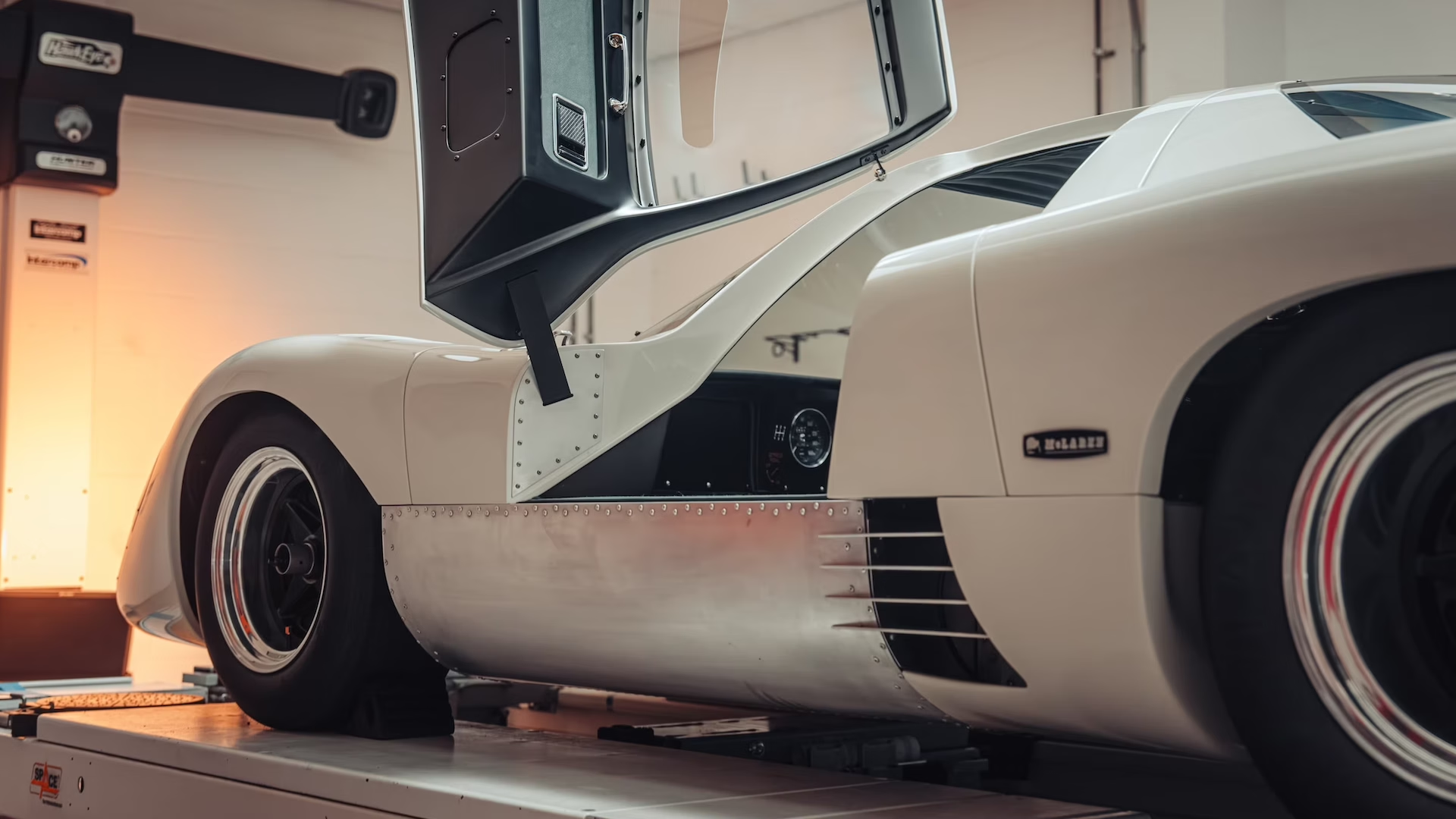
McLaren describes the project as an act of custodianship rather than recreation, and judging by the attention to detail, that’s no marketing exaggeration. According to Jon Simms, Director of McLaren Special Operations, the project served as both a tribute to Bruce’s ambitions and an important reminder of where every McLaren road car truly began.
This is a world-first restoration of the M6GT and the beginning of a dedicated heritage programme celebrating McLaren’s earliest road-car history.
Also Read:
– One-Off Bugatti W16 Mistral Blanc Éternel Debuts With Porcelain Fine Art
– Debut of Lamborghini Urus SE Performante With 800hp
– Six Legendary Lotus Essex Espirits To Be Displayed At Salon Privé 2026
How Was The McLaren M6GT Built?
This restoration is less like a normal rebuild and more like an archaeological expedition. MSO began with a period-built M6A race-car chassis, carefully verified against historic McLaren reference vehicles. Then came one of the project’s biggest discoveries.
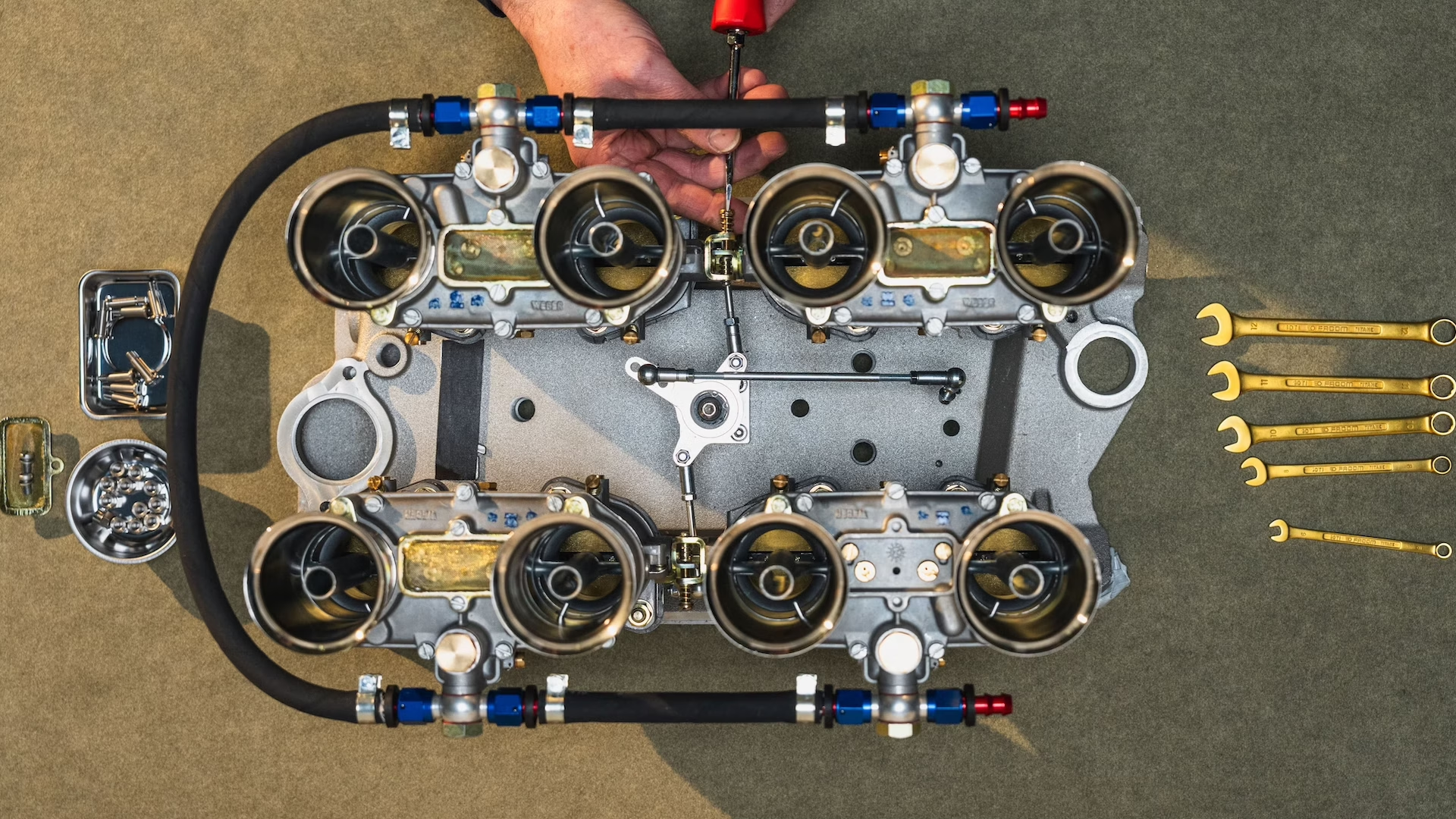
Original body moulds were uncovered in the United Kingdom, allowing the team to recreate the bodywork to its original dimensions. Interestingly, the moulds themselves carried modifications made during the original development programme, revealing how the M6GT evolved before production was cancelled. Rather than erase those changes, MSO deliberately preserved them as part of the car’s history.
The suspension uses original M6GT hardware that has been painstakingly restored. Some components required imperial-era bearings that are no longer commonly manufactured. Even the original-style closed aluminium dome rivets were sourced and installed by aerospace-industry craftsmen.
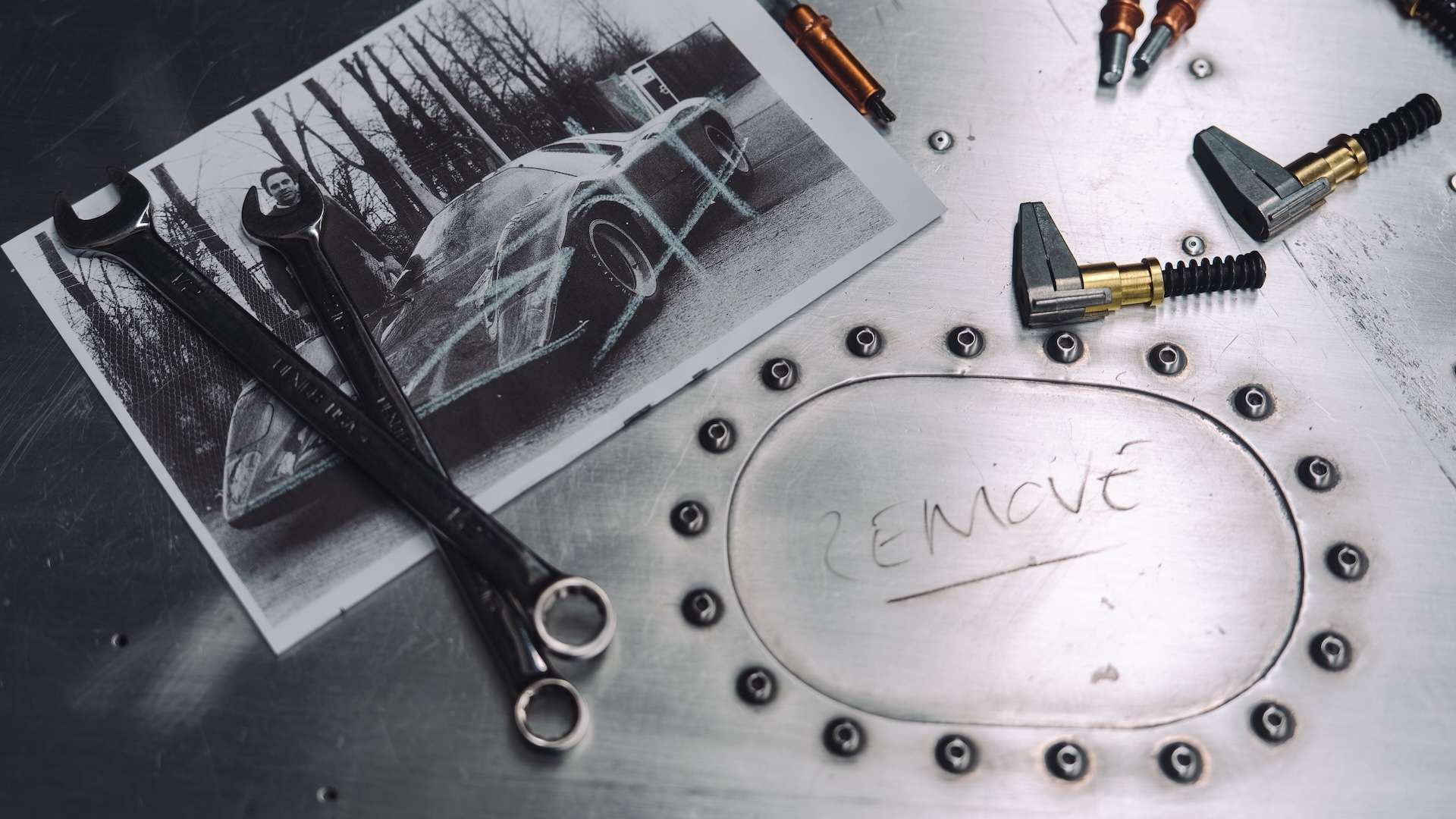
Would anyone notice the correct rivets? Most won’t. But MSO did it anyway. That insane attention to detail is exactly the point of this build.
Period-Correct V8 Power
Power comes from the same type of engine that made the original M6GT such an astonishing road car for its era. Mounted behind the cockpit is a period-correct 5.7-litre small-block Chevrolet V8, featuring the distinctive double “camel hump” cylinder heads used on the original specification.
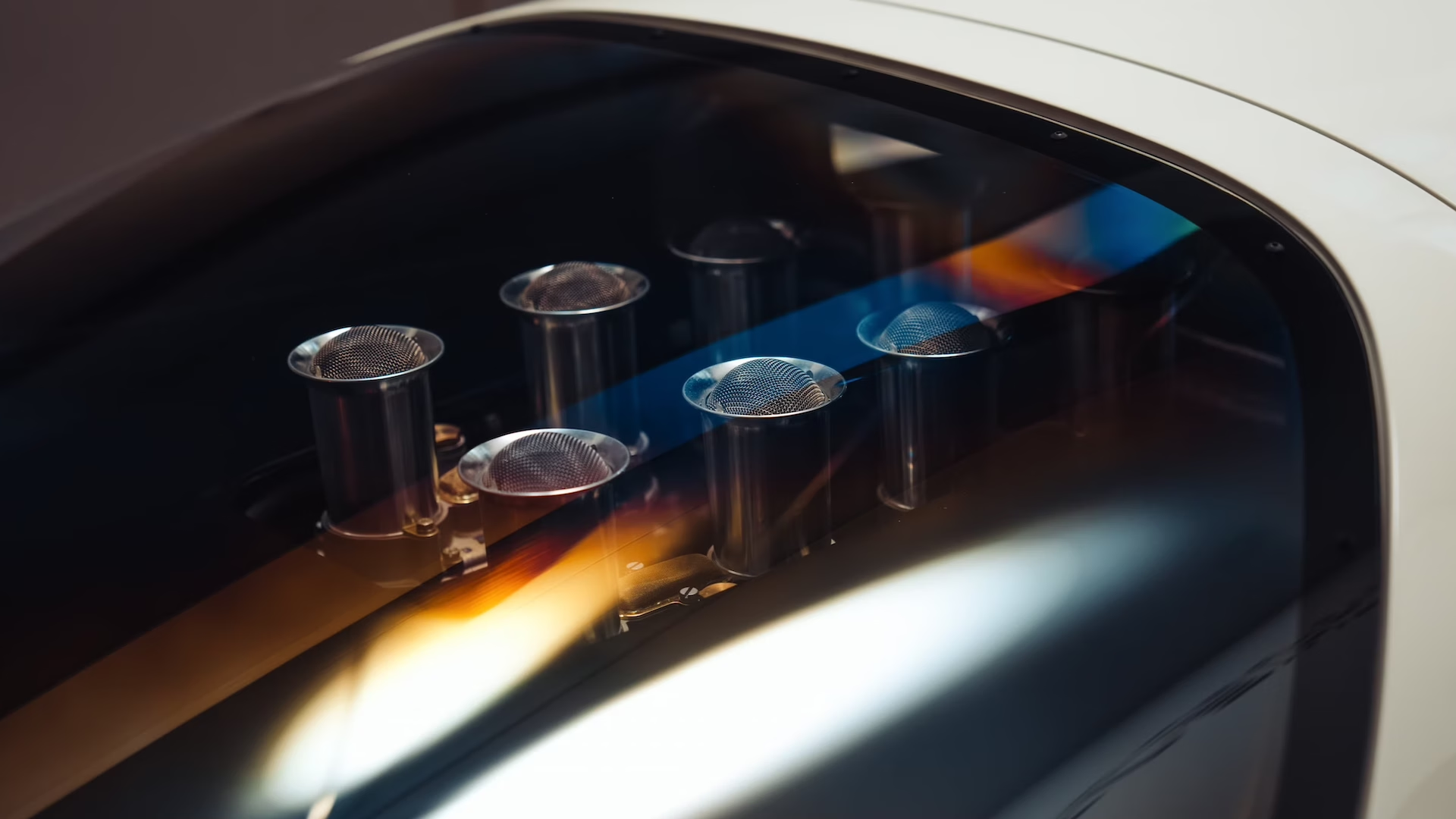
The engine is paired with an authentic five-speed manual transmission. Output is estimated at around 370hp. The original prototype achieved an estimated top speed of 265km/h, which is an extraordinary figure for a road-going machine in the late 1960s. Remember, this was an era when many sports cars still struggled to reach 220km/h.
What’s The Interior Like?
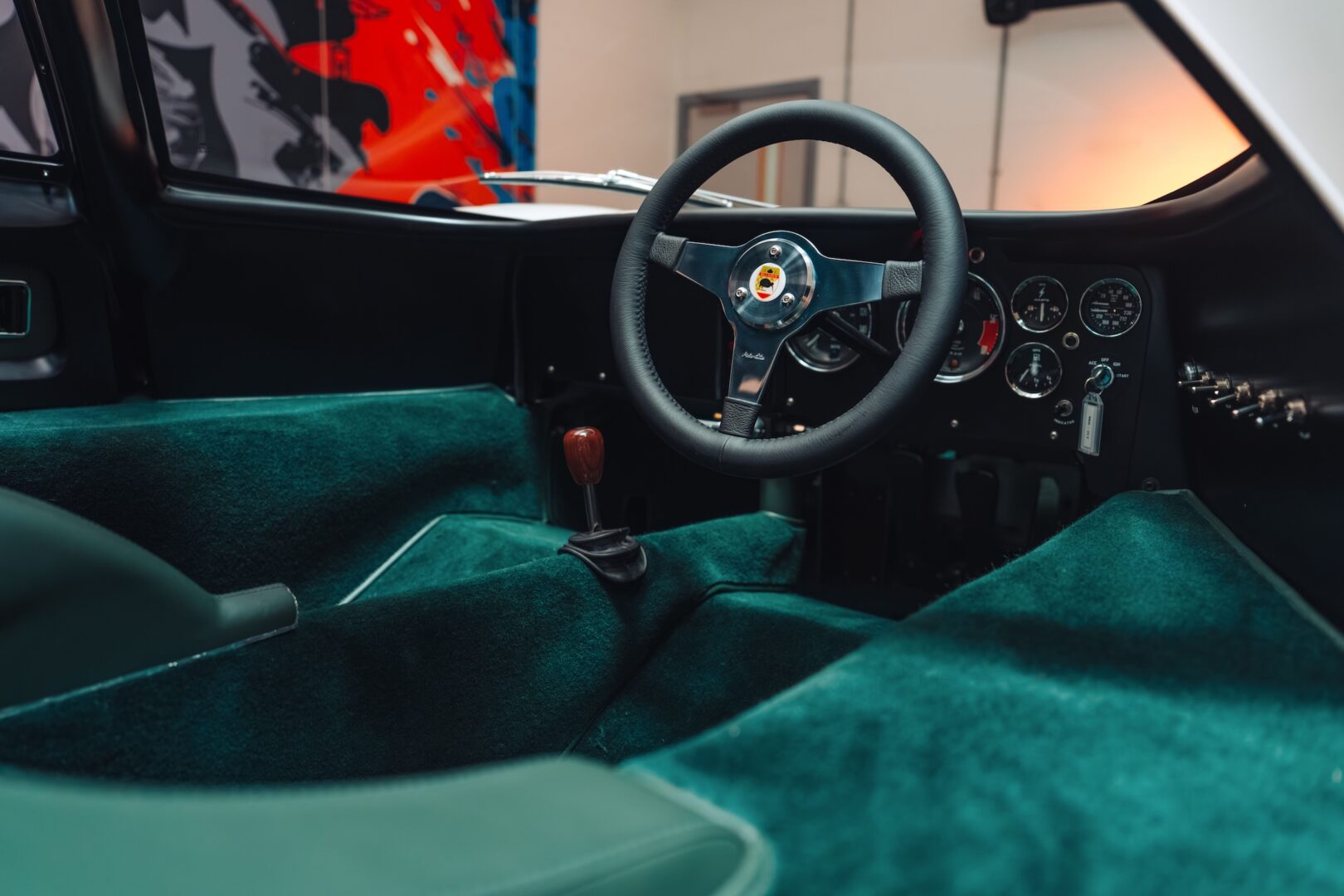
The cabin is refreshingly free from distractions. Giant touchscreens, configurable ambient lighting, driving modes with names borrowed from fighter jets, etc, are non-existent. Instead, the original 1970s race-car cockpit remains the emotional centrepiece of the restoration.
Around it, MSO hand-fabricated numerous hidden structural elements, including:
- Roll hoop
- Rear frame support structure
- Internal clam reinforcement
- Complete wiring harness
- New fuse systems
The visible elements are equally impressive. The seats are trimmed in bespoke green vinyl with heat-seam stitching, while the gear lever features a beautifully hand-turned solid walnut gear knob.
The colour combination isn’t random either. The bespoke cream-based white exterior, named Colnbrook White, honours the factory where Bruce developed his road-car vision, while the green interior references the livery of McLaren’s first Formula 1 car, the M2B, as the company celebrates 60 years since its Formula 1 debut.
The Design That Inspired Generations Of McLarens
Although relatively unknown, even today, it’s remarkable how familiar the M6GT looks with several elements. The low stance. The sweeping aerodynamic profile. The mid-engine proportions. Most notably, the dramatic butterfly doors that would later become one of McLaren’s defining design signatures.
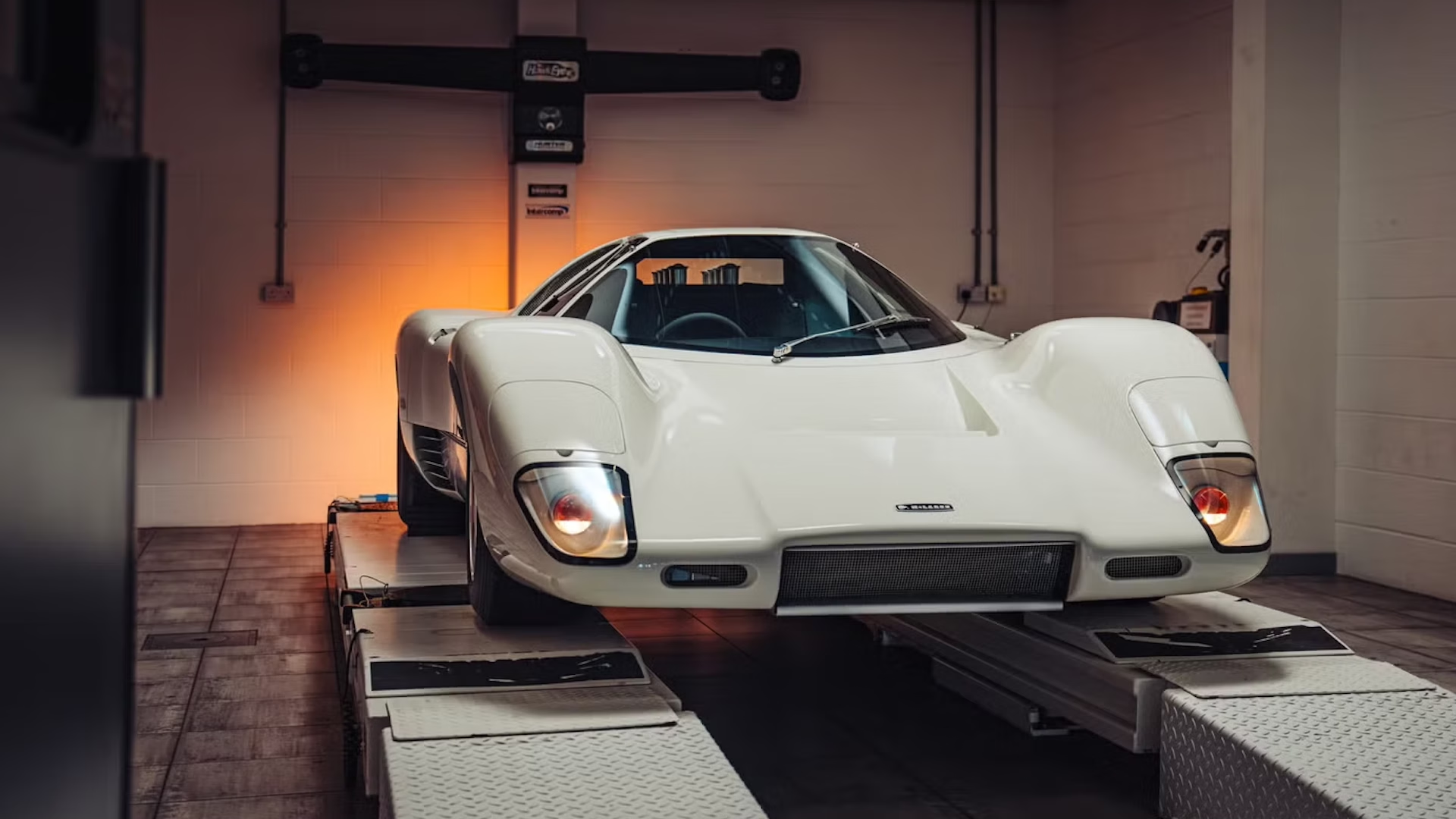
Its DNA came directly from the dominant M6A Can-Am racer that Bruce McLaren and Denny Hulme used to dominate the 1967 Can-Am Challenge Cup. That championship also marked the first appearance of McLaren’s now-iconic Papaya racing colour.
Why This Restoration/Rebuild Matters
The M6GT isn’t valuable only because it’s fast. Nor is it important only because it’s rare. It’s significant because it represents the moment McLaren first imagined becoming more than a racing team. The automotive brand that’s now worth over $1.5 billion began with this very car several decades ago.
Every road-going McLaren, from the F1 and Mercedes-Benz SLR McLaren to the modern Artura, 750S, and W1, can trace at least part of its philosophy back to Bruce McLaren’s original idea.
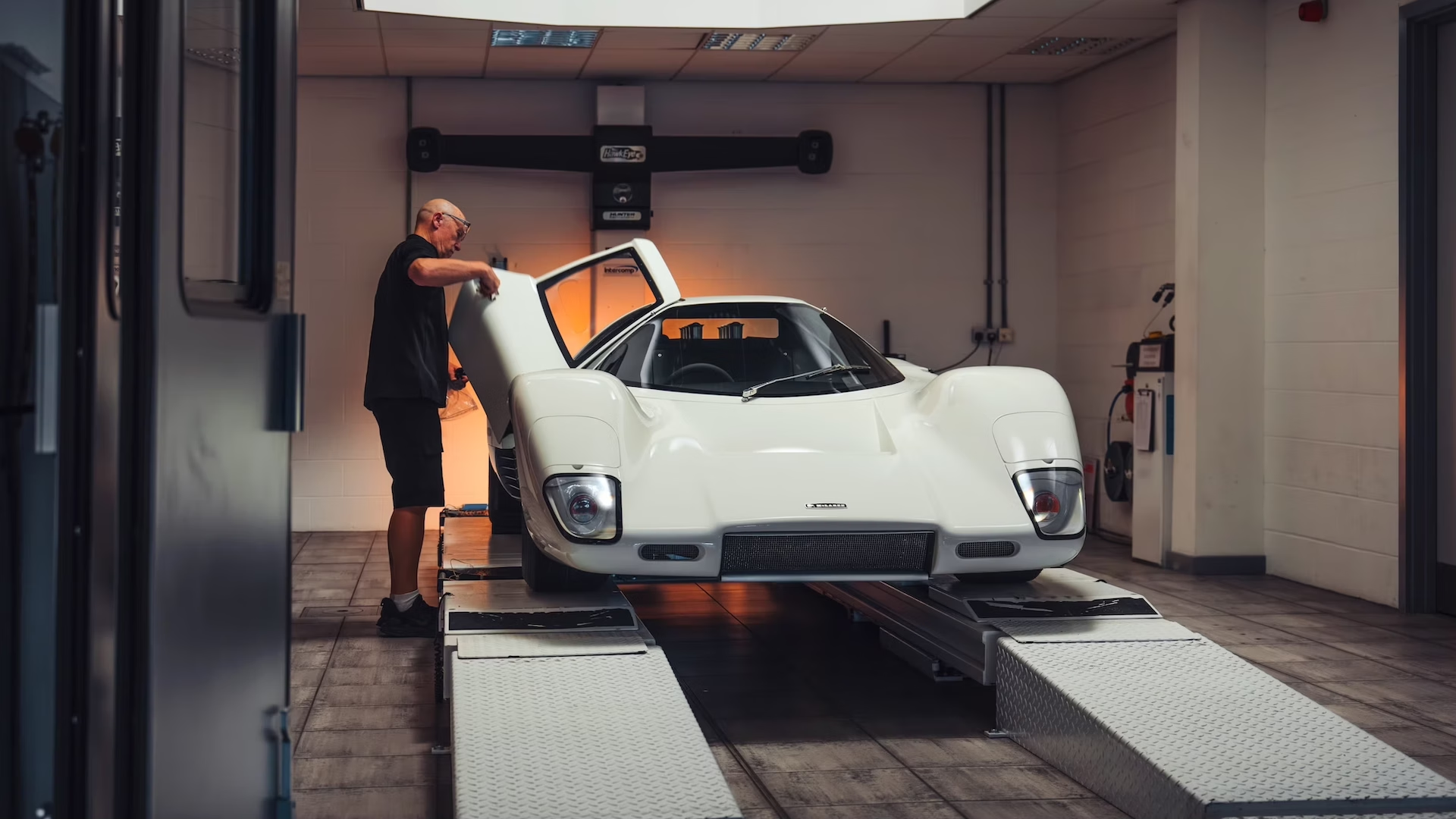
It has race-bred engineering, lightweight construction, and purposeful simplicity. Those principles haven’t changed in over half a century. Sometimes, looking backward is the best way to understand how the future was built.
Public Debut At The Goodwood Festival Of Speed
The restored M6GT will make its public debut at the 2026 Goodwood Festival of Speed, where it is expected to be one of the event’s biggest attractions.
It will headline McLaren House alongside some of the company’s most iconic machines, including the M8A Can-Am racer that inspired the M6GT, the legendary McLaren F1 GTR, the new McLaren W1, and the MCL-HY endurance prototype that will spearhead McLaren’s return to the 24 Hours of Le Mans.
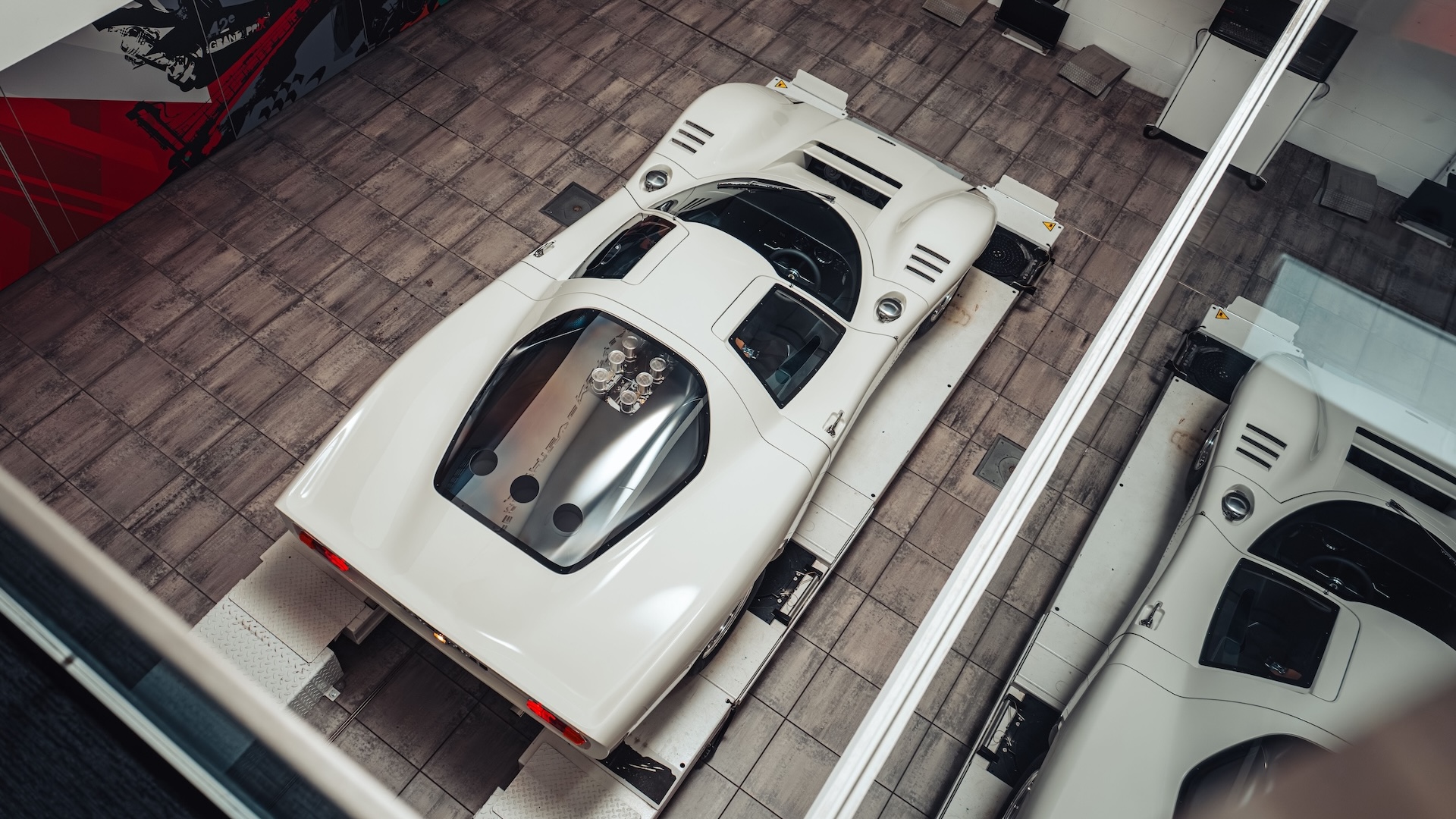
For many enthusiasts, however, it may be the oldest car on display that steals the show. After all, this isn’t just another beautifully restored classic. It’s the road car that should have launched McLaren’s production-car journey more than 20 years before the F1 ever arrived.
A Dream Completed Half A Century Later
Bruce McLaren never got to see his road-car ambition become reality. That would eventually happen in spectacular fashion with the McLaren F1, followed by an entire family of supercars that continues today.
But without the M6GT, there may never have been a McLaren road-car division at all. This one-off restoration isn’t simply another heritage project destined for museum duty. It’s the missing first chapter in one of the automotive world’s greatest stories. And now, finally, that chapter has been written exactly as Bruce intended.