

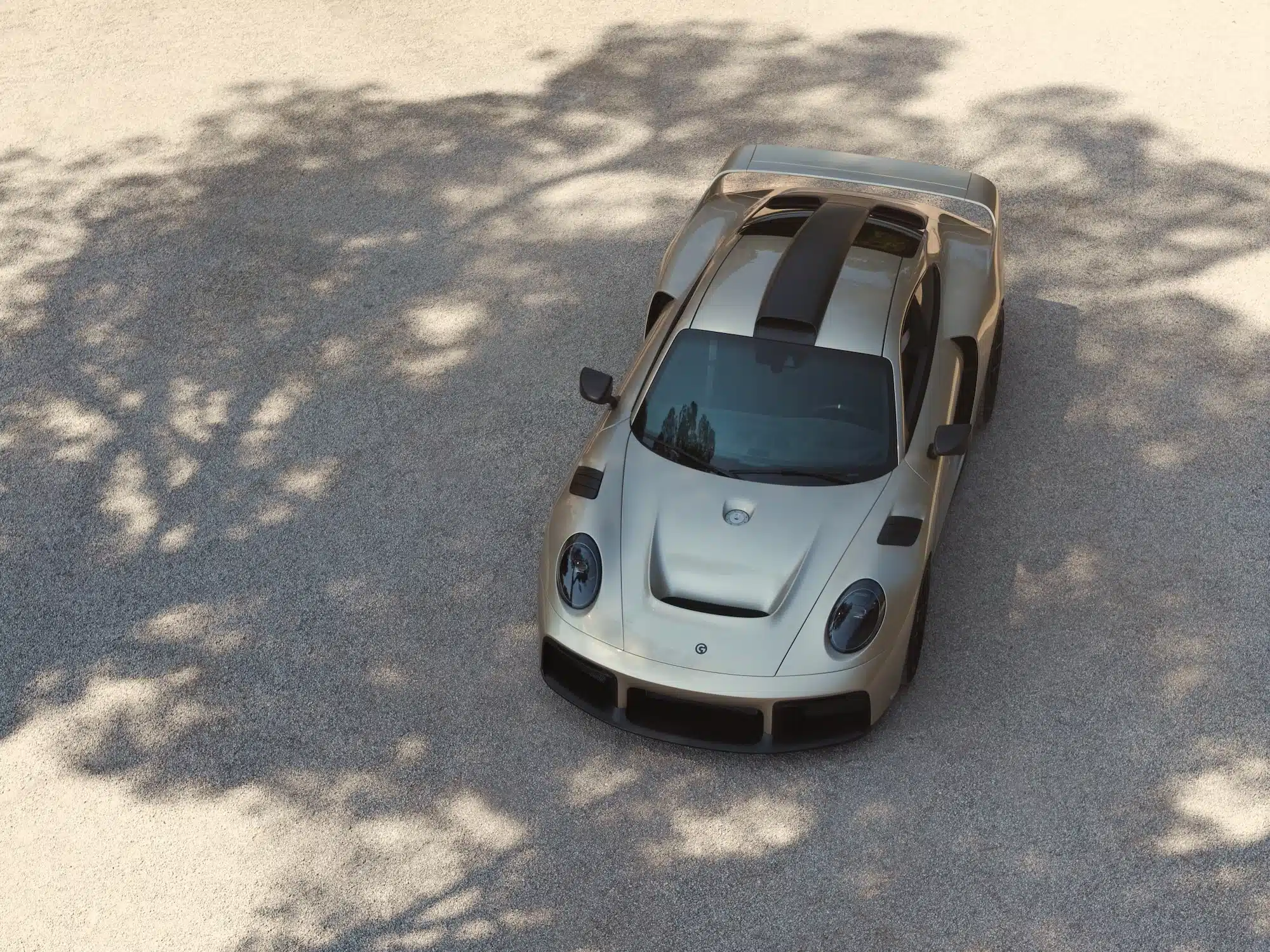
What is the Marc Philipp Gemballa Marsien GT?
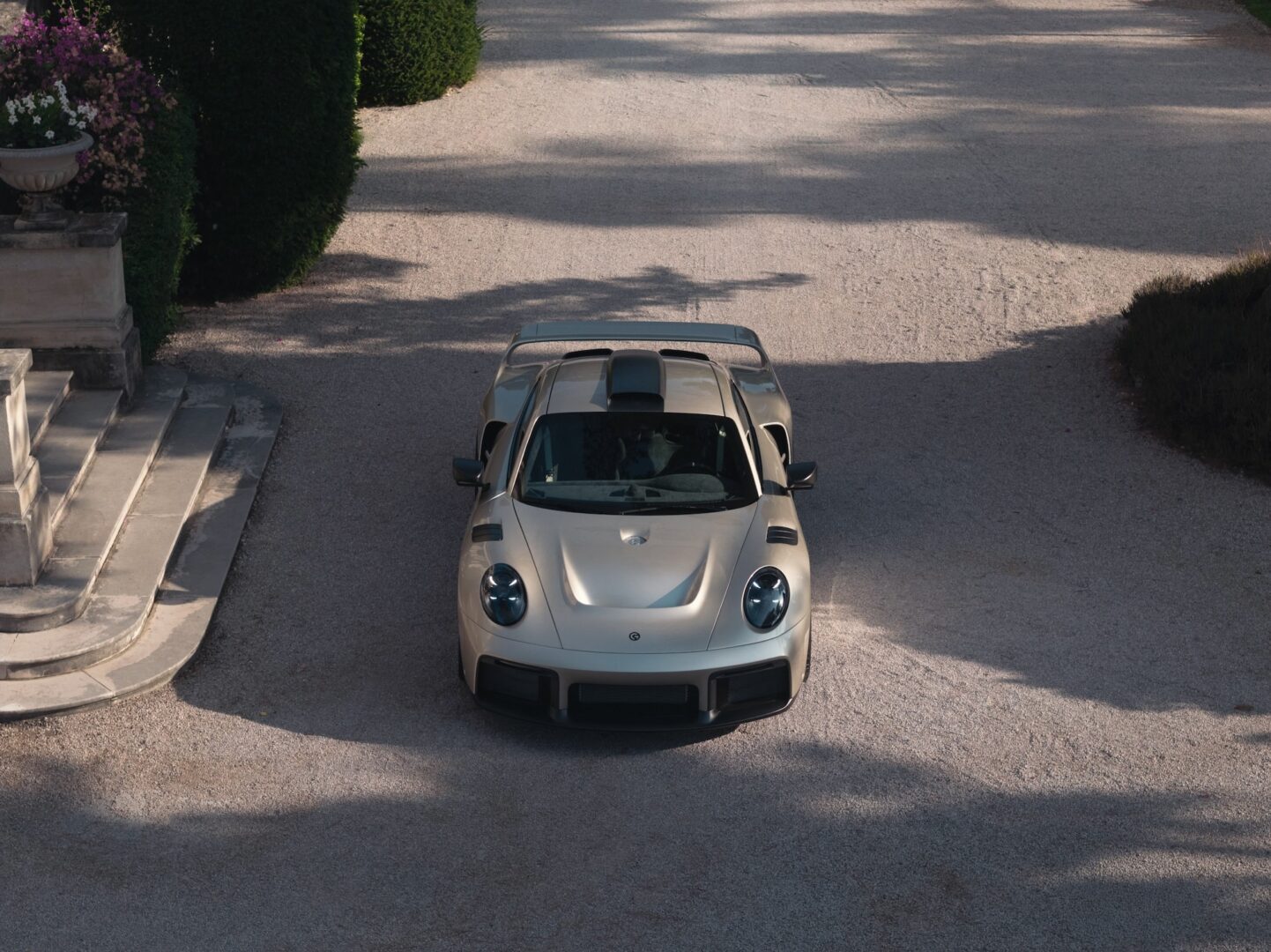
Marc Philipp Gemballa has unveiled its latest model called the Marsien GT. This car is the road-oriented version of the Marsien programme and uses the same base platform, but with changes for road use, namely new suspension, aerodynamic parts, and a redesigned carbon-fibre exterior.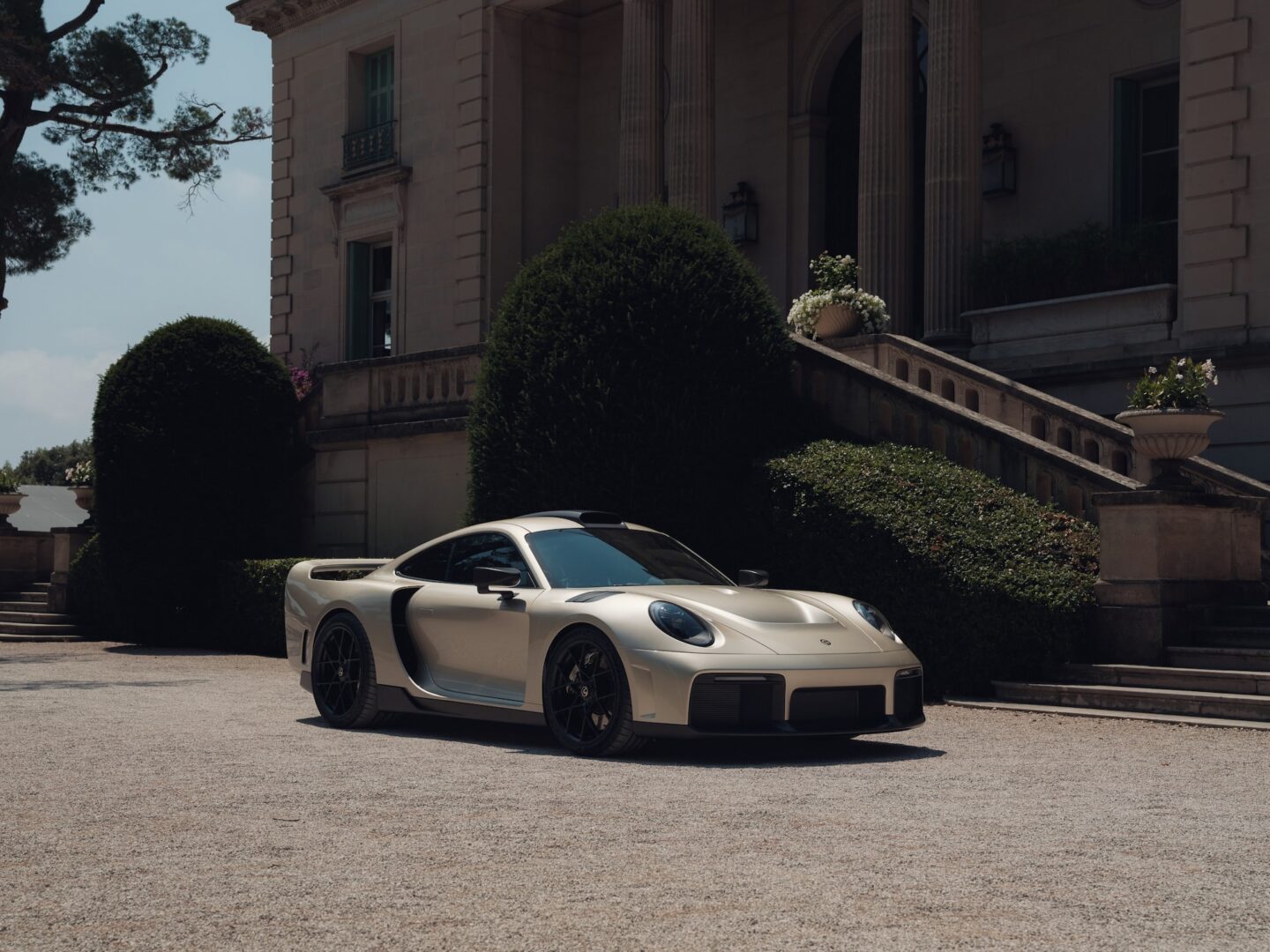
The basis of the Marsien GT is the Porsche 911 (992) Turbo S donor car, which undergoes complete modification. It is said that about 1,500 unique parts are used in the creation of the Marsien GT, from the body to the suspension, exhaust, wiring, aerodynamics, chassis parts, and interior.
A total of 30 cars will be made in the Marsien GT programme. Summarised with other Marsien production cars, there will be 70 vehicles in the Marsien family in total.
What makes Marsien GT different from Marsien?
The original version of Marsien was designed with off-road driving in mind, featuring suspension and bodywork that made the vehicle adaptable to different surfaces. In contrast, Marsien GT pays more attention to road characteristics and usability.
The body of the GT is composed of more than 100 pieces of carbon fibre. This includes main bodywork pieces, air ducts, wing mirrors, wheel arch lining, rear body elements, and a carbon fibre underbody.
Body modifications have made it 75 kilogrammes lighter than the standard Porsche 992 Turbo S that serves as the base model. The GT also features a centrally located fuel filler cap and redesigned aerodynamics.
Once again, the exterior design was developed under the supervision of designer Alan Derosier, the same person who created the initial design concept of Marsien.
What are the aerodynamic devices on the Marsien GT?
The aerodynamic setup used on the Marsien GT is an active aerodynamic setup using front-fender louvres and the rear wing. Both of these systems are driven pneumatically.
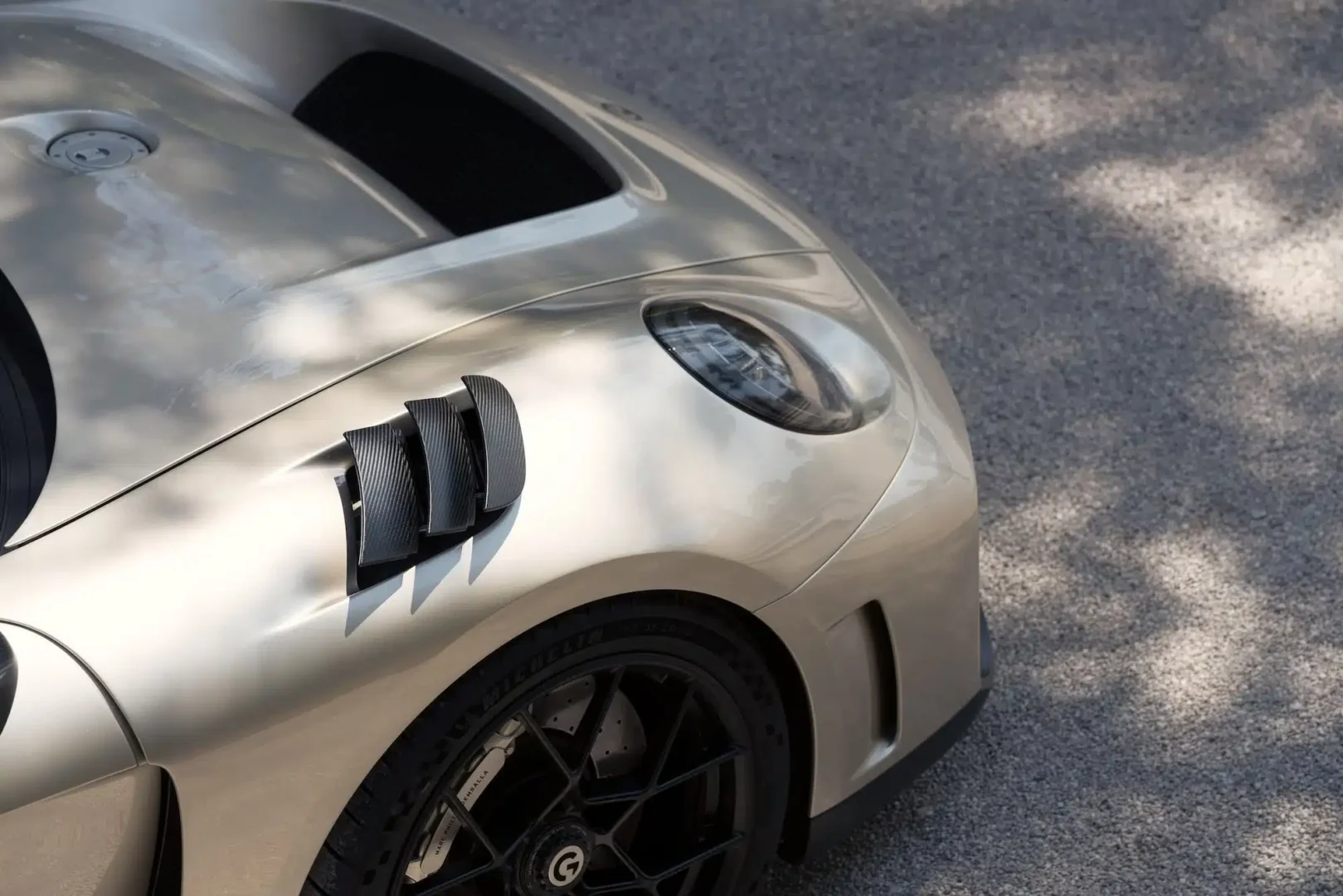
The front-fender louvres function by discharging high-pressure air from the wheel housing to lower front-axle lift and reduce turbulence caused by airflow around the front wheels. The rear wing has a higher angle of attack than its counterpart on the Marsien, and it is meant to increase the downforce of the rear axle. The rear wing can also be used as an air brake.
The roof scoop, ram-air intakes, and side-skirt openings are other aerodynamic devices used on the Marsien GT. The roof scoop channels air towards the intercooler system, the ram-air intakes are meant to supply air to the intake system, and the side-skirt openings channel air towards the rear-wheel area to cool the brakes.
The carbon-fibre underbody replaces the aluminium underbody of the standard vehicle.
How powerful is the Marsien GT engine?
RUF Automobile has installed an upgraded six-cylinder boxer engine in the Marsien GT. It comes with new variable turbine geometry turbos, software, and transmission tuning modifications.
The first engine configuration produces over 830 BHP and 930 Nm of torque. The next configuration, which will develop more than 900 BHP, is also being designed.
A unique full titanium exhaust system developed in collaboration with Akrapovic has been installed in the Marsien GT.
Which changes can be done inside the Marsien GT?
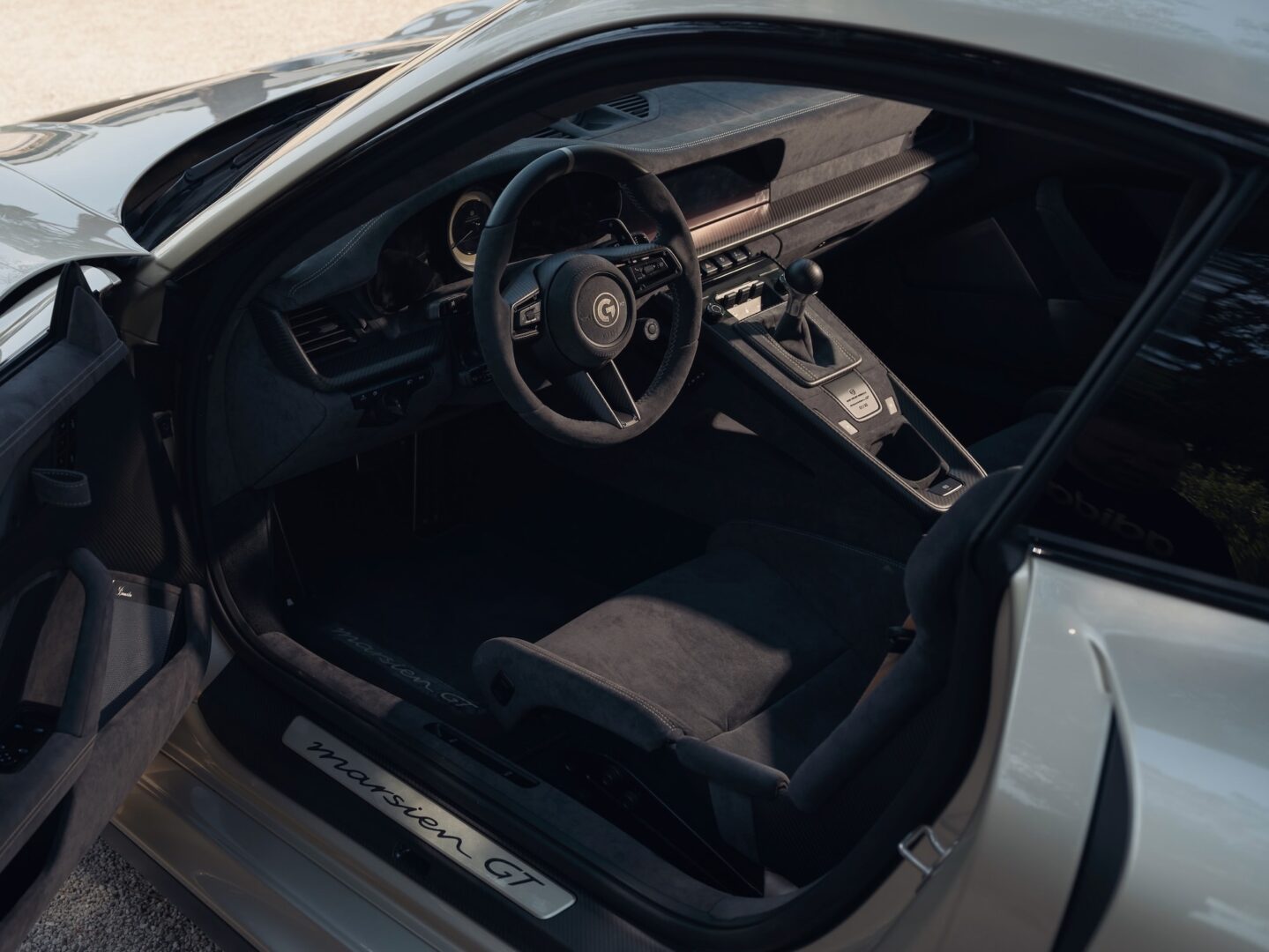
There are several customisation options in the interior of the Marsien GT, including a modified centre console and an aluminium gear lever inspired by the Porsche Carrera GT. A gear knob in exposed carbon or mahogany instead of the standard leather or Alcantara trim is also available.

Other options include carbon fibre interior parts and a Club Sport roll bar. The identification number of limited production vehicles is placed in the centre console.
When will the Marsien GT be available?
Production will commence in 2027, and first customer delivery is planned by the end of 2027. Series production will be limited to 30 individually commissioned vehicles. The manufacturer has not provided a public starting price for the Marsien GT.