

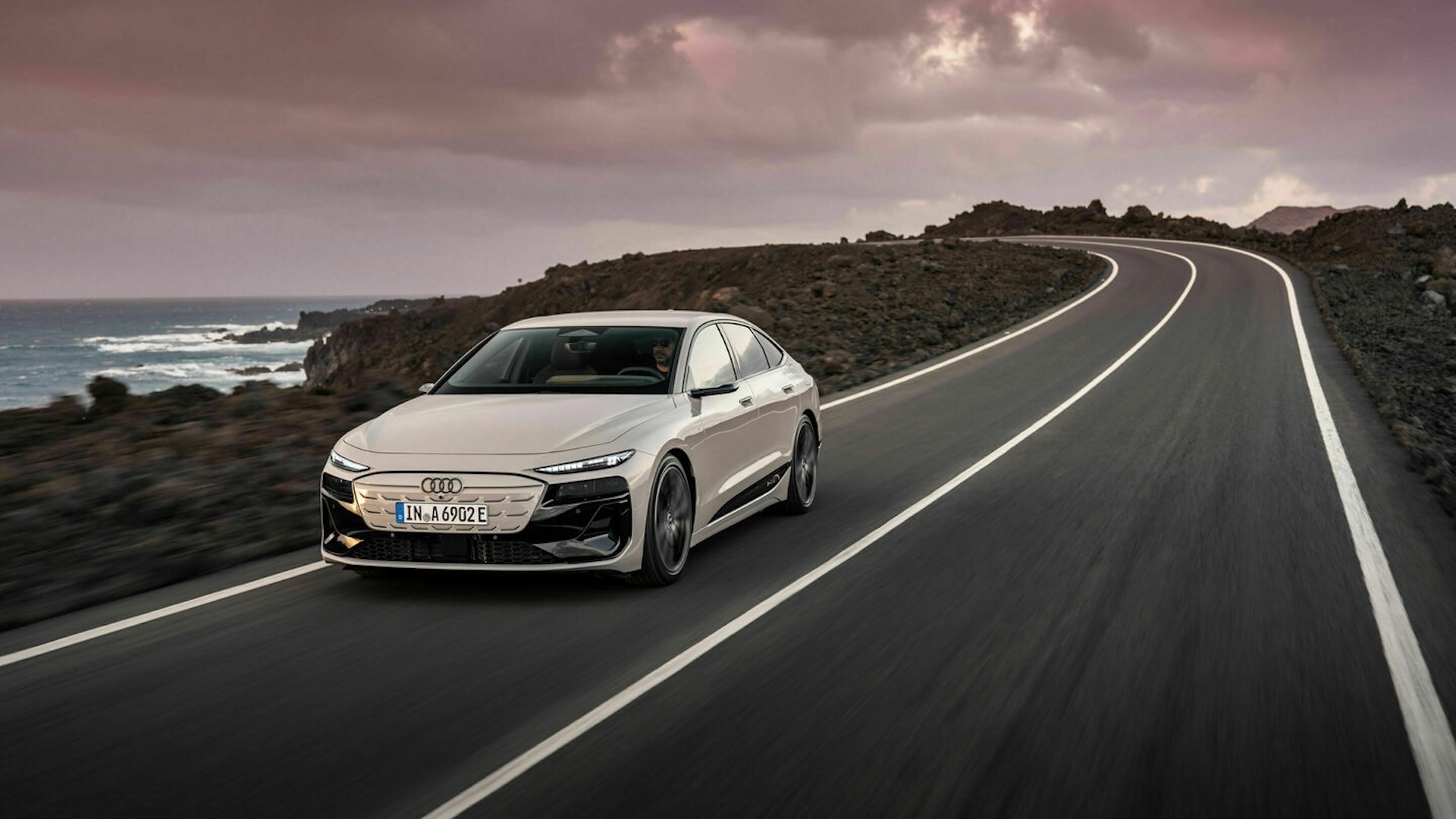
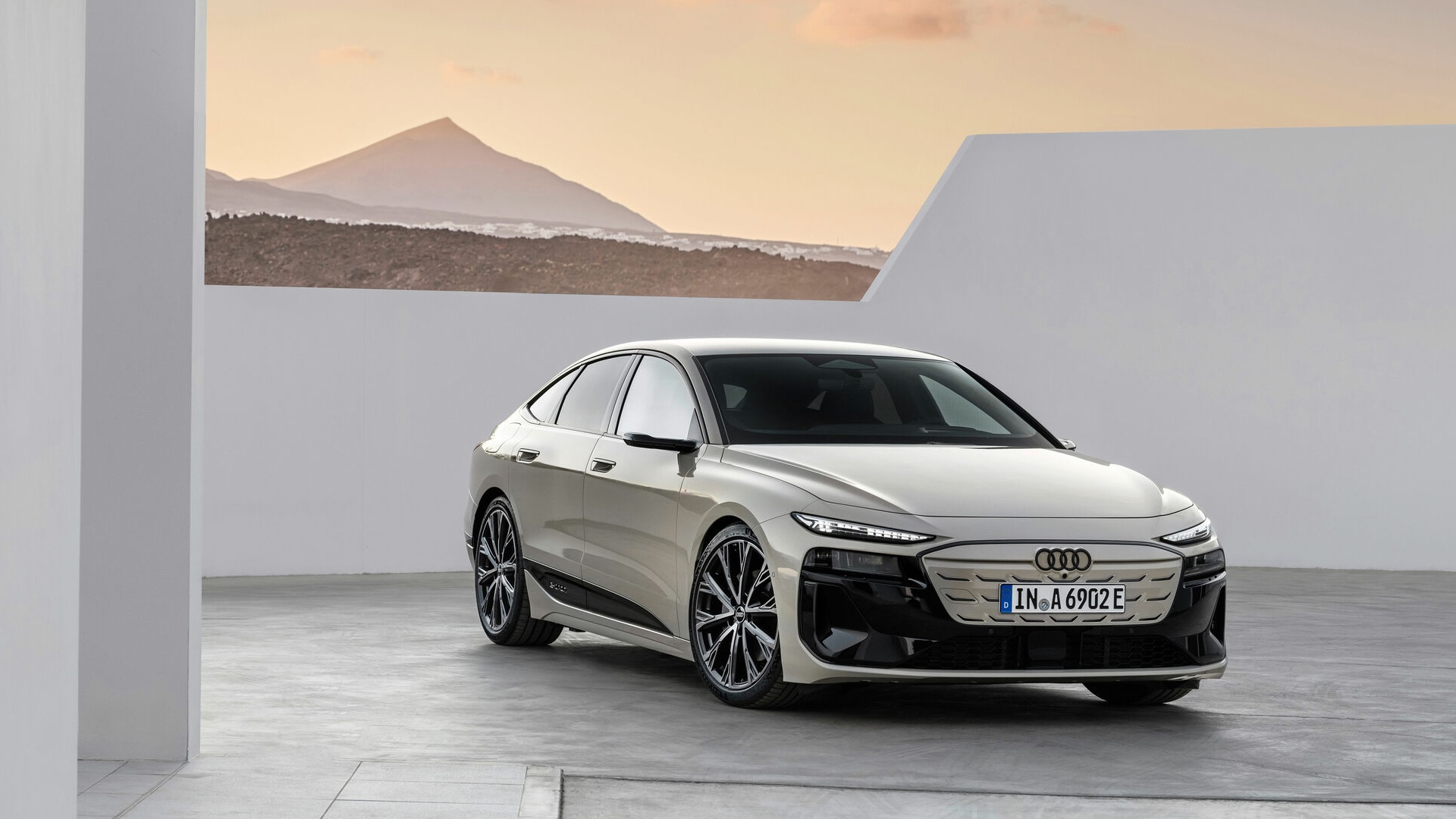
Audi’s reputation was built on engineers being rather stubborn. Quattro challenged how rally cars put power down. The aluminium-bodied A2 pursued efficiency with an intensity its sales figures never quite rewarded. Now, an A6 Sportback e-tron has travelled 1,338km on a single charge, adding another impressive crown to the four rings’ engineering history.
At the wheel was reigning European Rally Champion Miko Marczyk, temporarily exchanging the pursuit of speed for the preservation of watt-hours. His reward: a Guinness World Record for the longest journey by a production electric car without recharging.
The Record-Breaking Drive To Hel & Back
The attempt began in Poland at 1:55am on September 11. Marczyk followed the Vistula through Kraków, Sandomierz, Warsaw, Toruń and Grudziądz, reaching Hel on the Baltic coast before turning back.
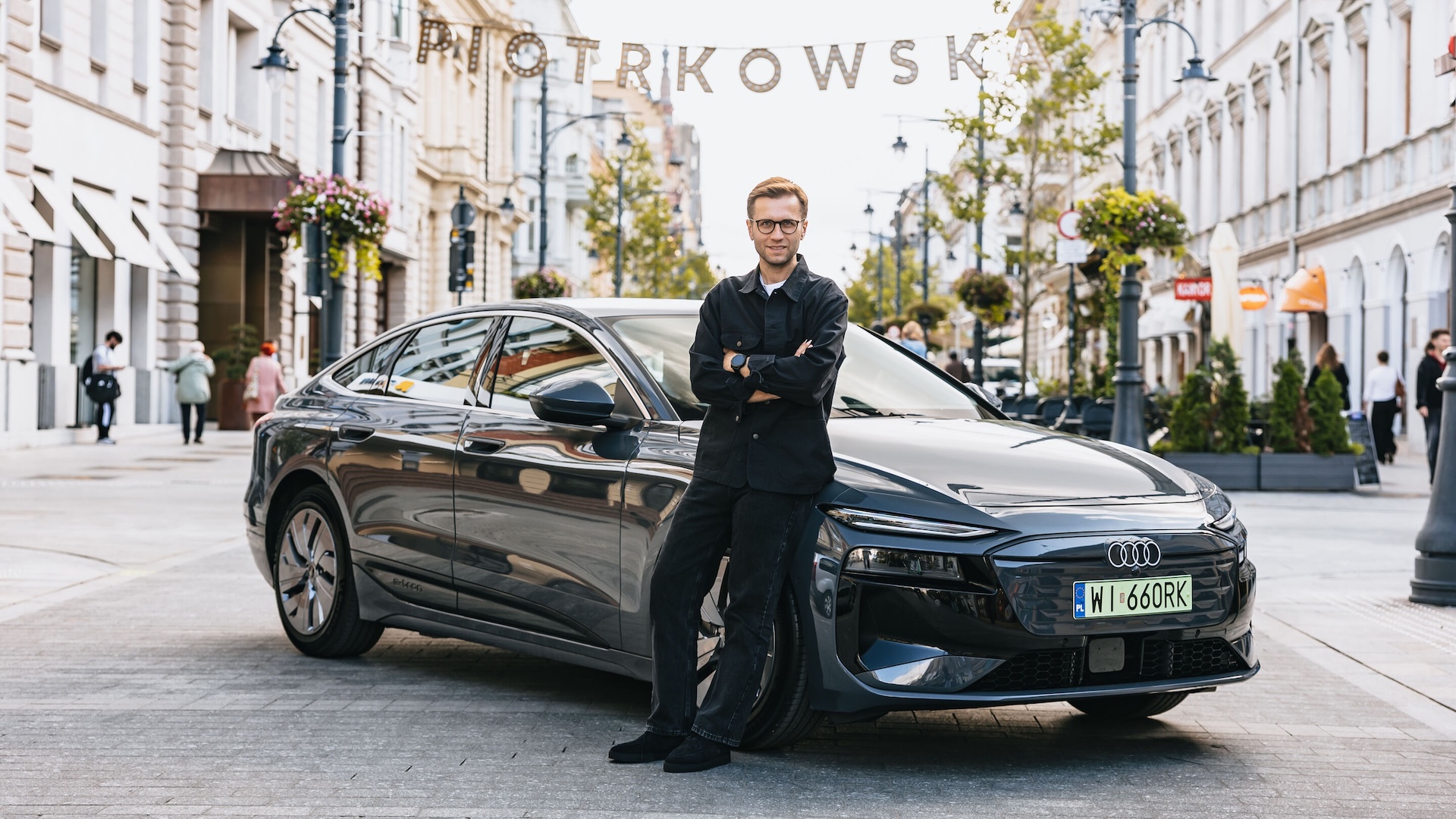
More than 45 hours after departure, the journey ended between Toruń and Ciechocinek. There were public roads, rush-hour traffic and changing temperatures, averaging 15°C and falling to 7°C.
The final tally exceeded the car’s quoted 777km WLTP range by 561km, or approximately 72%. Consumption averaged just 7.09kWh/100km, equivalent to roughly 14.1km per kWh.
That also puts the Audi 133km beyond the Lucid Air Grand Touring’s previous 1,205km production-car record. A sizeable margin, particularly when every kilometre must come from electricity already aboard.
Also Read:
- VW Mission Efficiency Is An EV Mileage Monster & EV Record Holder
- New Volkswagen ID.3 GTI Debuts With 322 BHP Electric Motor
- Volvo XC60 and XC90 Plug-In Hybrids Now Have 200 km and 160 km Electric Driving Range
How Did The A6 Stretch One Charge So Far?
Start with the bodywork. The A6 Sportback e-tron’s 0.21 drag coefficient makes it Audi’s most aerodynamic production car. Audi says aerodynamic drag accounts for around 40% of the Sportback’s energy consumption in the WLTP cycle, so its gently tapering silhouette has a proper engineering job beyond looking expensive outside a restaurant.
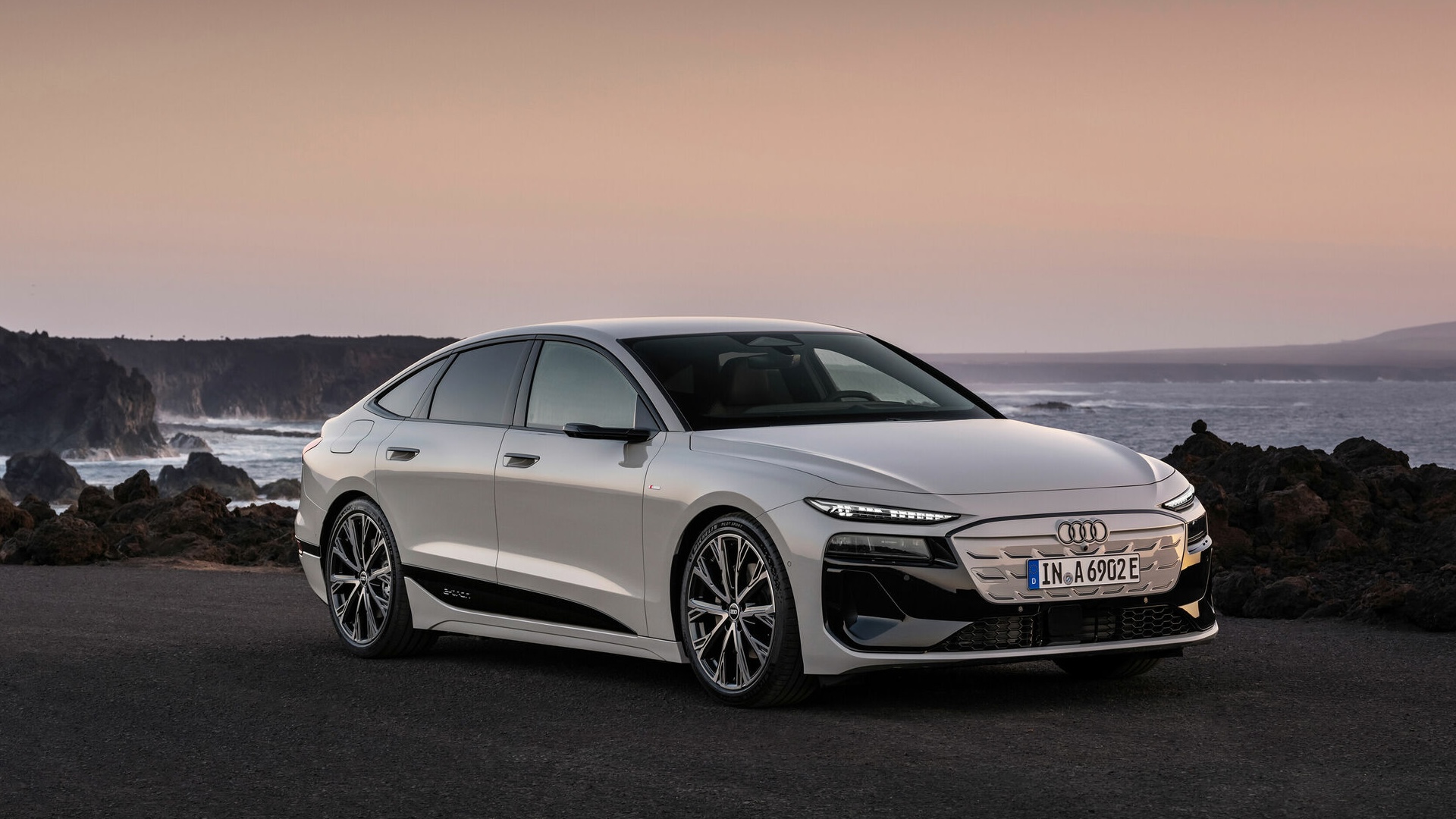
Underneath sits Audi’s Premium Platform Electric architecture, with an 800V electrical system and a 100kWh battery offering 94.9kWh of usable capacity.
Regenerative braking can recover energy at up to 220kW. Audi says recuperation can handle around 95% of everyday braking events, feeding energy back into the battery when the car slows.
Marczyk then supplied the discipline: correct tyre pressures, careful anticipation, smooth acceleration and intelligent use of regeneration. Avoiding unnecessary braking matters too; recovering energy is useful, but preserving momentum avoids wasting it in the first place.
A Record With Some Important Fine Print
Public roads make this achievement compelling, but regular traffic does not make it a regular journey. This was a deliberately optimised efficiency attempt lasting almost two days. Owners should not expect 1,338km while maintaining motorway speeds with passengers, luggage and the climate control working hard.
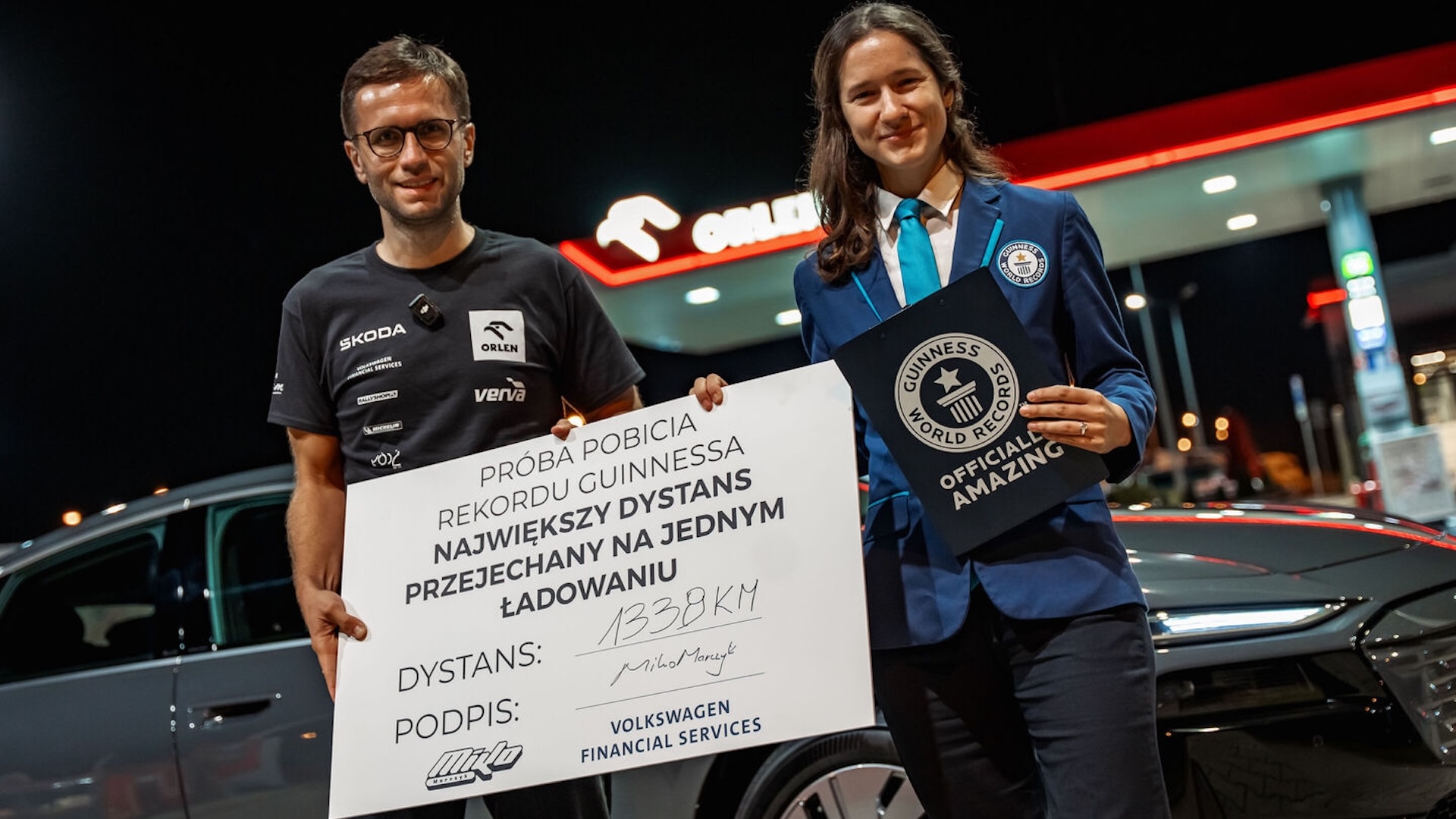
This also isn’t the outright distance record for every electric vehicle. The experimental TUfast muc022 covered 2,573.79km in 2023 under controlled conditions. Audi’s achievement concerns production cars, a distinction worth preserving. Yet, there’s plenty to celebrate because this is a big achievement for a production car.
Efficiency Deserves Some Petrolhead Applause
Electric performance has become wonderfully absurd. Acceleration figures once reserved for exotic machinery now appear in family-car brochures. Yet extracting more distance from the same stored energy demands an equally fascinating combination of engineering and driving skill.
The environmental argument is straightforward: reducing energy consumption reduces the electricity needed to cover a given distance. Better efficiency can also help manufacturers achieve useful range with smaller batteries, easing demands on weight and materials.