

Some cars become icons through speed, noise or competition pedigree. The original Audi A2 managed it by looking like absolutely nothing else and pursuing efficiency with almost obsessive engineering rigour.
Introduced in 2000, the compact five-door was built around an aluminium Audi Space Frame and offered remarkable cabin space for its 3.83-metre length. The extraordinary A2 1.2 TDI weighed just 855kg, returned 33.4km/l, making it the world’s most fuel-efficient four-door production car at the time. Its 0.25 drag coefficient remains impressive even a quarter-century later.
Buyers, unfortunately, were not quite ready for a small Audi carrying expensive aluminium construction and unconventional styling. Production ended in 2005 after 176,377 examples were built. Time has since been much kinder to it, and the A2 is now regarded as one of those rare cars whose commercial failure said less about the engineering than it did about the market.
More than two decades later, the badge is back. The new Audi A2 e-tron is electric, rear-wheel-drive and, rather appropriately, obsessed with extracting more from less.
The A2 Philosophy, Recharged
The A2 e-tron measures 4,321mm long, 1,791mm wide and 1,549mm tall, with a substantial 2,770mm wheelbase. It is considerably larger than its ancestor, but the proportions follow the same philosophy: short overhangs, a tall cabin and maximum usable space within a compact footprint.
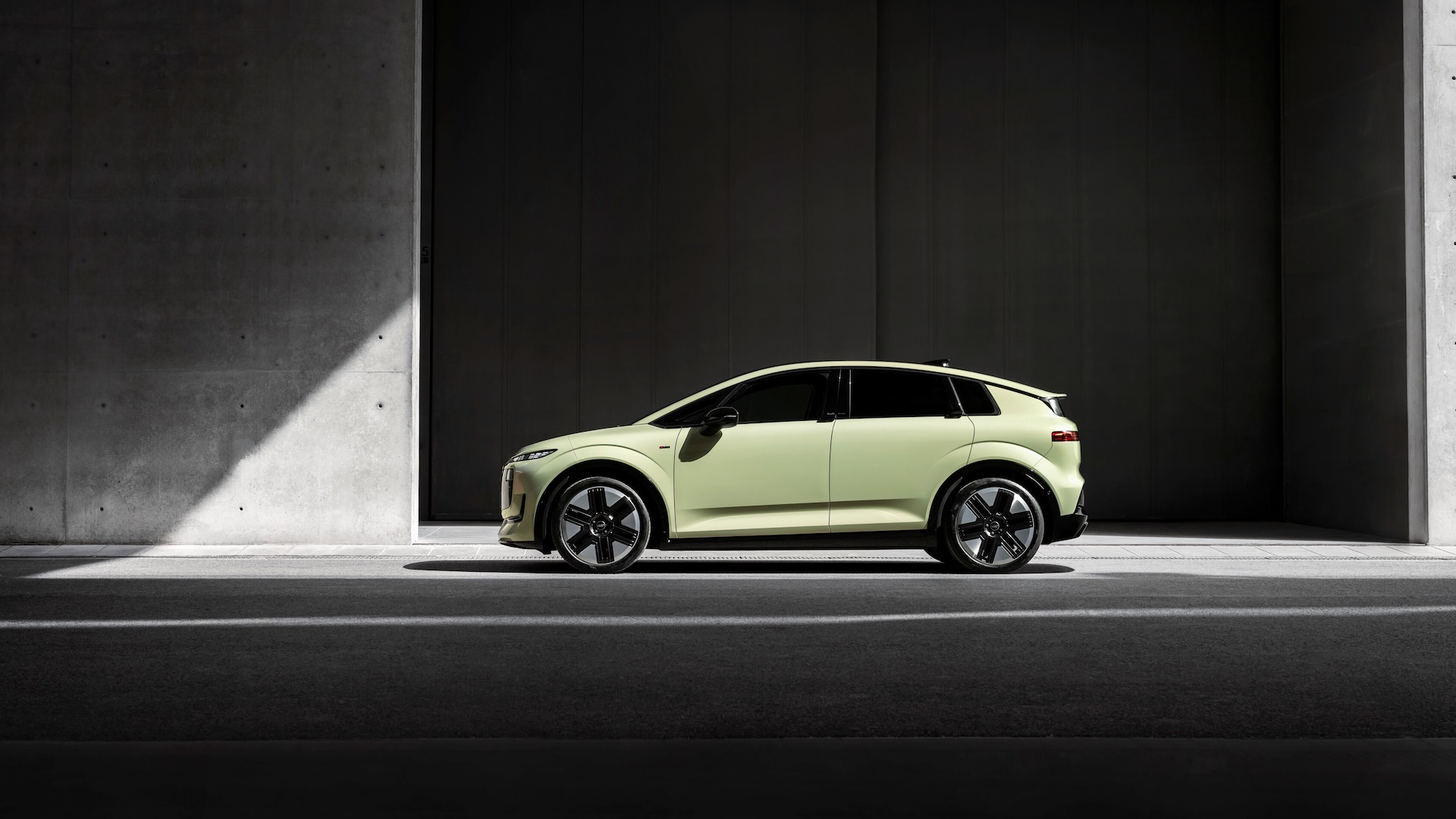
Its appearance will inevitably divide opinion. The slim daytime-running lights sit above a large black panel containing the primary headlights and driver-assistance sensors. A sweeping roof arch flows into a gently descending rear section and a carefully defined spoiler, while horizontal LED rear lights visually widen the body.
Electric, wing-shaped door handles sit nearly flush with the body and operate through haptic sensors. Audi has sensibly fitted each door with its own energy storage unit, allowing it to open even if the car’s electrical system fails.
Buyers can choose between the relatively restrained standard body and an S line exterior with more assertive bumpers, gloss-black detailing and a sportier diffuser. Wheel sizes range from 18 to 20 inches, although the aerodynamically optimised 19-inch combination delivers the best efficiency.
Also Read
- Audi A2 e-tron Teased: Entry-Level Electric Audi Revives A Familiar Name
- Audi Q4 e-tron Update: Increased Range, Rapid Charging And Interior Modifications Revealed
- All-New Audi Q9 Revealed As Audi’s Biggest And Most Luxurious SUV
Aerodynamics Do The Heavy Lifting
The A2 e-tron posts a drag coefficient of 0.24, making it the most aerodynamic compact Audi. The original A2 would surely approve.
Audi achieves that figure with a largely enclosed underbody, active cooling-air intakes, carefully controlled airflow around the wheel arches and bespoke aero wheels. Devices called “gap reducers” narrow the space between the tyres and wheel openings, while “gap breathers” and wheel-arch vents reduce turbulence and pressure.
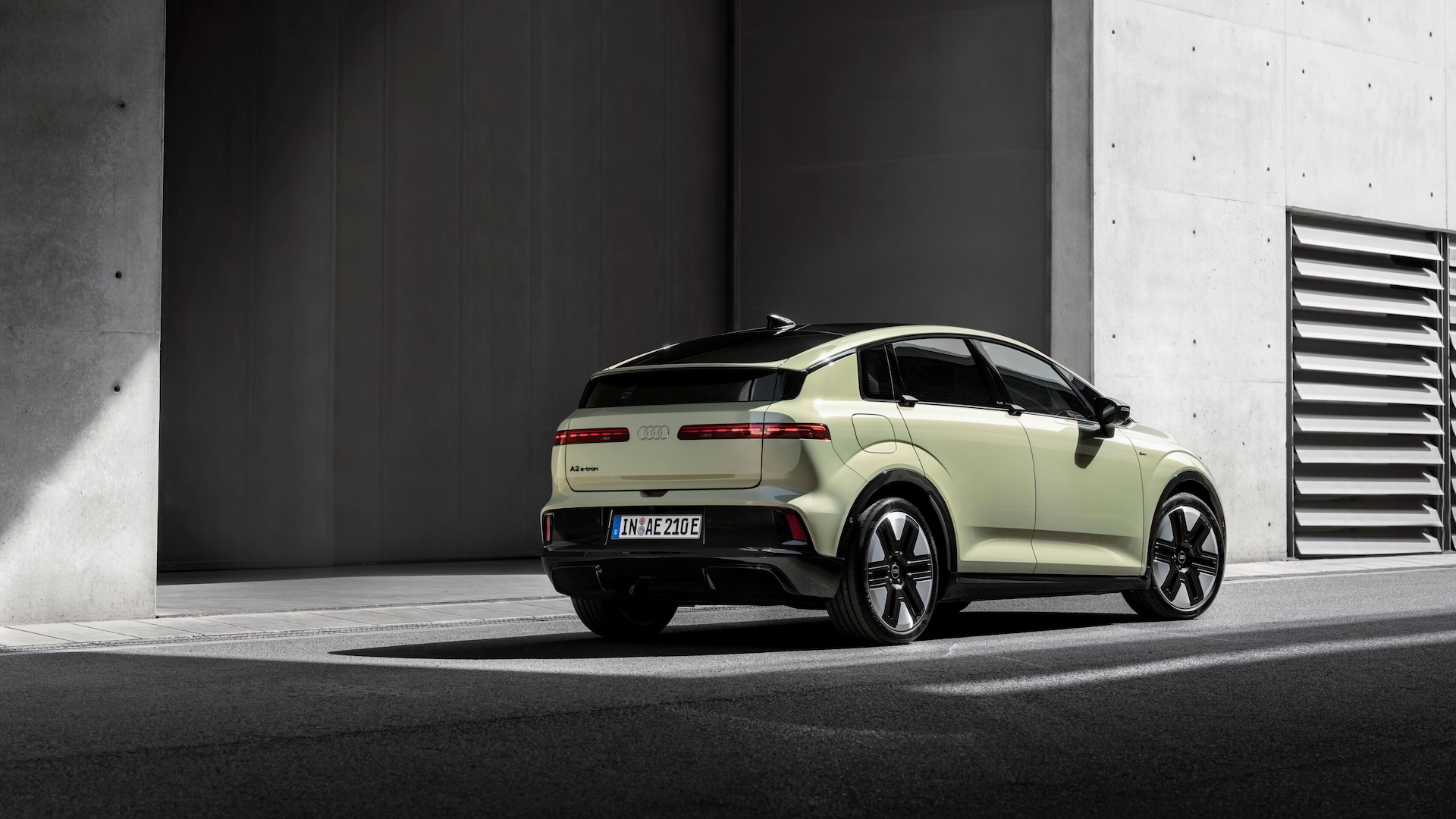
The results extend beyond a tidy figure in a wind tunnel. In its most economical specification, the 140kW A2 e-tron consumes just 12.8kWh/100km on the WLTP cycle, which is the lowest figure recorded by any series-production Audi.
Extensive sealing, an aerodynamically optimised mirror design and a standard acoustic-glass windscreen should also keep wind noise from disturbing the cabin. Additional acoustic glass for the front doors is optional.
Four Power Outputs And Three Batteries
Every A2 e-tron uses a rear-mounted permanent-magnet synchronous motor, either the APP350 or APP550 depending on the version. Silicon-carbide power electronics, low-viscosity transmission oil, polished gear teeth and friction-optimised bearings further reduce drivetrain losses.
52kWh: The range opens with a 167hp and 350Nm model using a 52kWh gross-capacity battery. It reaches 100kmph in 8.8 seconds, tops out at 160kmph and offers up to 423km of WLTP range.
61kWh: Above it sits the efficiency champion: a 188hp and 350Nm version with a 61kWh battery. It completes the sprint in 7.9 seconds and delivers up to 515km of range.
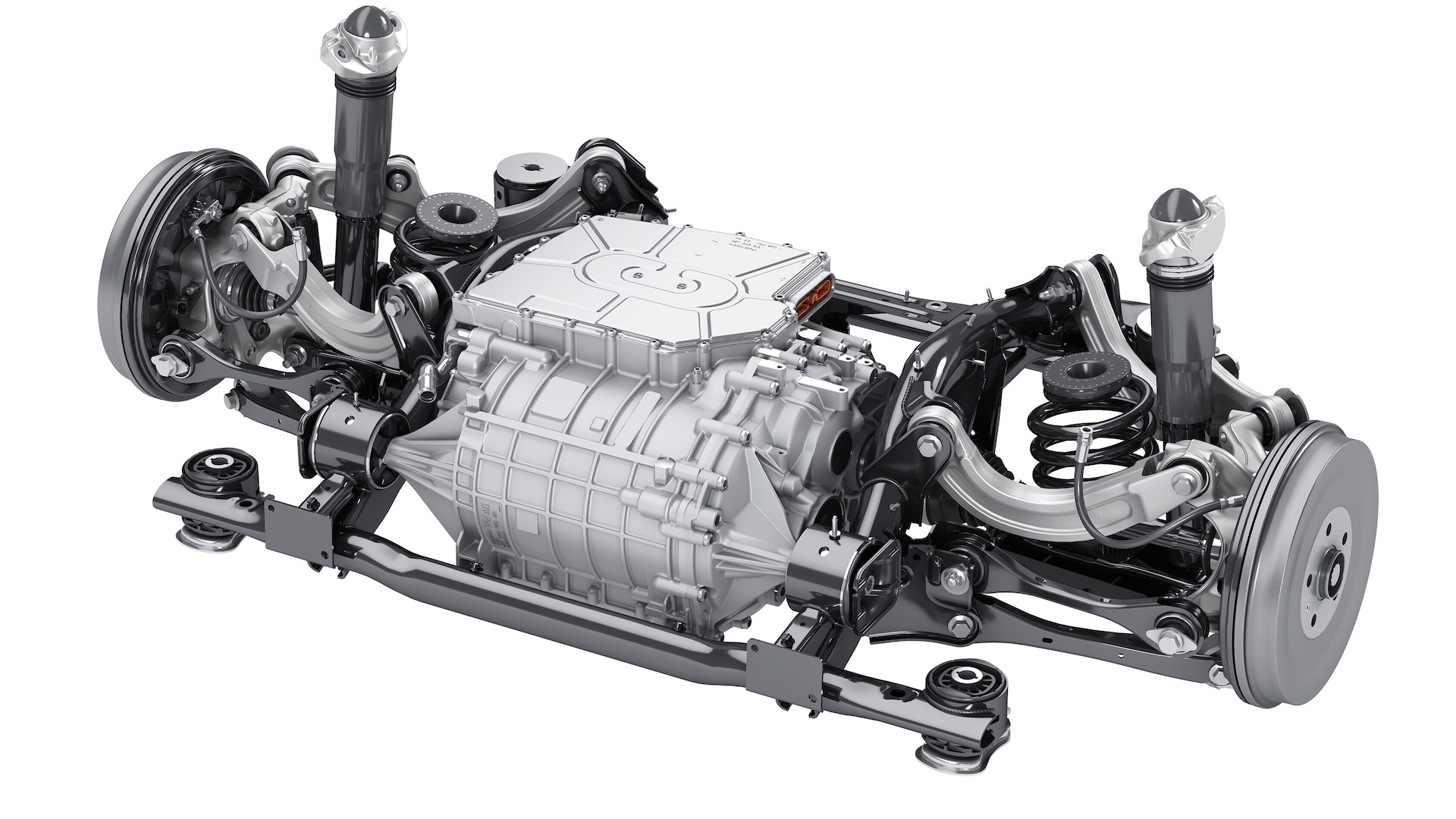
84kWh: The 228hp model retains the 350Nm torque output but receives the larger 84kWh battery. It reaches 100kmph in 7.0 seconds and travels up to 646km, the longest range in the line-up.
84kWh: At the summit is the 322hp and 545Nm A2 e-tron. Its 5.7-second sprint and 200kmph maximum make it comfortably the quickest version, although range falls slightly to 630km. That is a reasonable price for the extra 94hp.
The 52kWh and 61kWh batteries use lithium-iron-phosphate chemistry with cell-to-pack construction. The 84kWh unit employs nickel-manganese-cobalt cells and is reserved for the two most powerful models.
How Quickly Does The Audi A2 e-tron Charge?
Peak DC charging speeds vary from 100kW in the entry-level model to 183kW with the 84kWh battery. Depending on the version, charging from 10 to 80 percent takes between 24 and 29 minutes.
Four regenerative-braking settings are available. Three can be selected through the steering-wheel paddles. Selecting B activates one-pedal driving and brings the car to a complete stop.
Bidirectional charging gives the battery another job. Vehicle-to-Load can power tools, camping equipment or e-bikes through the boot socket or a charging-port adapter. In Germany, Austria and Switzerland, Vehicle-to-Home functionality can also supply electricity to a compatible household system while maintaining the battery between 20 and 80 percent.
A Small Audi With A Properly Useful Cabin
The dashboard combines an 11.9-inch Audi Virtual Cockpit Plus with a curved 12.8-inch MMI touchscreen. An augmented-reality head-up display is optional, while Audi’s AI-assisted voice system can answer vehicle questions, plan charging stops and operate connected Microsoft Outlook and Teams functions.
Moving the selector to the steering column creates more storage in the centre console. A Qi 2.2 charging tray can simultaneously charge two smartphones at up to 25 watts each, complete with magnetic retention and active cooling.
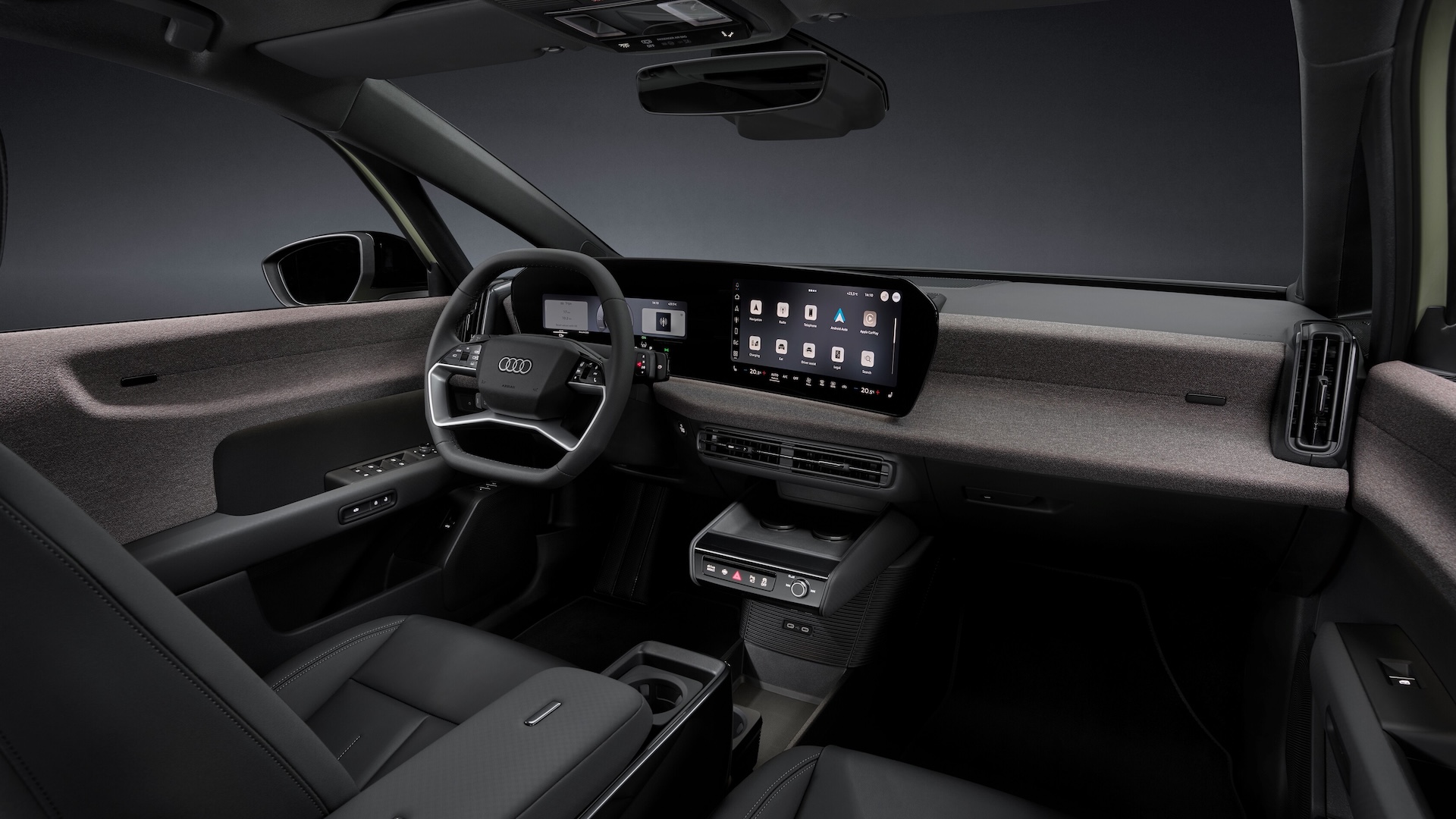
Audi is also introducing the Fidlock magnetic-mechanical fastening system as standard. Three mounting points in the centre console can secure items including cupholders and storage accessories with a reassuring click. It is a modest innovation, but precisely the sort of thoughtful detail the A2 name deserves.
Boot capacity stands at 396 litres, expanding to 1,336 litres with the rear seats folded. The top-spec models also add a small 13-litre frunk. An optional panoramic roof provides 1.6 square metres of glass, while the flagship Sonos audio system delivers 660 watts through 14 speakers.
Depending on specification, more than 300 components incorporate recycled materials, including over 100 made with post-consumer content.
Audi A2 e-tron Price And Availability
German orders open on September 10, 2026, with deliveries beginning in December. Prices start at €38,200 for the 167hp model, rising to €41,900 for the 188hp version, €48,900 for the 228hp car and €51,200 for the 322hp flagship.
The new A2 may lack its predecessor’s featherweight aluminium construction, but the philosophy survives. It is spacious without becoming an SUV, efficient without becoming painfully austere and distinctive without relying on a novelty soundtrack.
The original A2 arrived before buyers understood what Audi was trying to achieve. The electric-car era may finally have caught up with it.