

Introduction
Mercedes-Benz organised this drive as part of its “140 Years. 140 Places.” tour. I wrote this review on my phone while seated in the back of the S-Class, travelling at 120 km/h. All opinions are my own.
This 2026 Mercedes-Benz S-Class review comes from four days spent crossing Egypt in the new S 500, from the Pyramids of Giza to El Gouna on the Red Sea and back. I experienced the car from both sides of the equation: from the rear seat, where an S-Class arguably makes its strongest case, and from behind the wheel, where this generation has a few surprises of its own.
After four days, one thing became clear: Mercedes-Benz has listened closely to the feedback of the past few years, and it is acting on that feedback. You can sense a real push to improve quality, materials, technology, and the sense of occasion that traditionally defined a Mercedes-Benz. At the same time, the company is placing enormous emphasis on autonomous driving and on what the role of the car, and its driver, will look like in the future.
What is the Mercedes-Benz “140 Years. 140 Places.” tour?
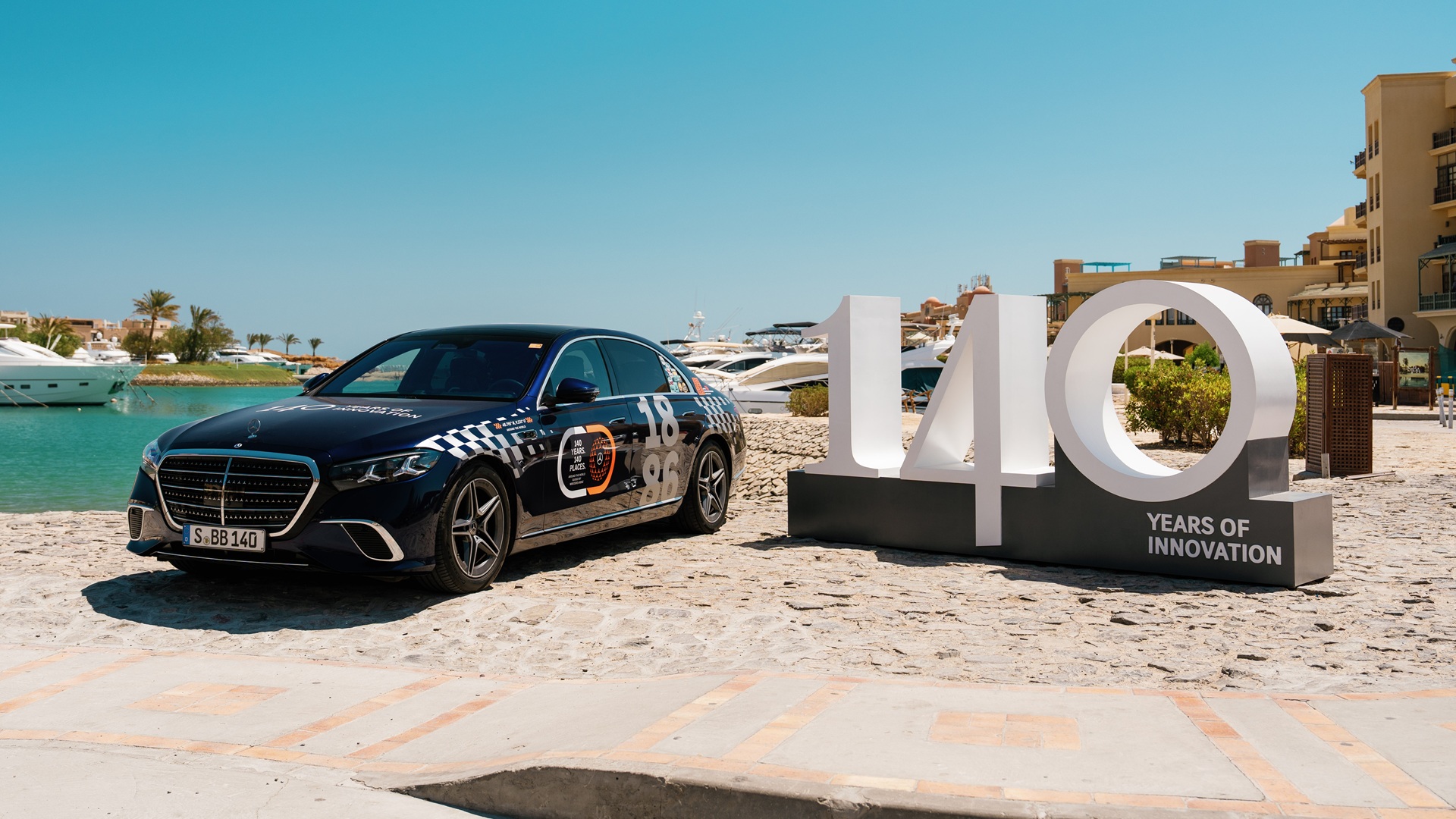
“140 Years. 140 Places.” is the world tour Mercedes-Benz launched to celebrate 140 years of automotive innovation, and my drive formed part of it. Following the new S-Class’s world premiere in Stuttgart on 29 January 2026, three S-Class saloons named Bertha, Carl, and Gottlieb, after Bertha Benz, Carl Benz, and Gottlieb Daimler, set off across six continents to visit 140 locations that reflect the brand’s heritage and global presence.
The cars had just arrived in Africa from India. Two would head south on a different route across the continent, while the blue S 500 I travelled in took on the Egyptian leg of the journey.
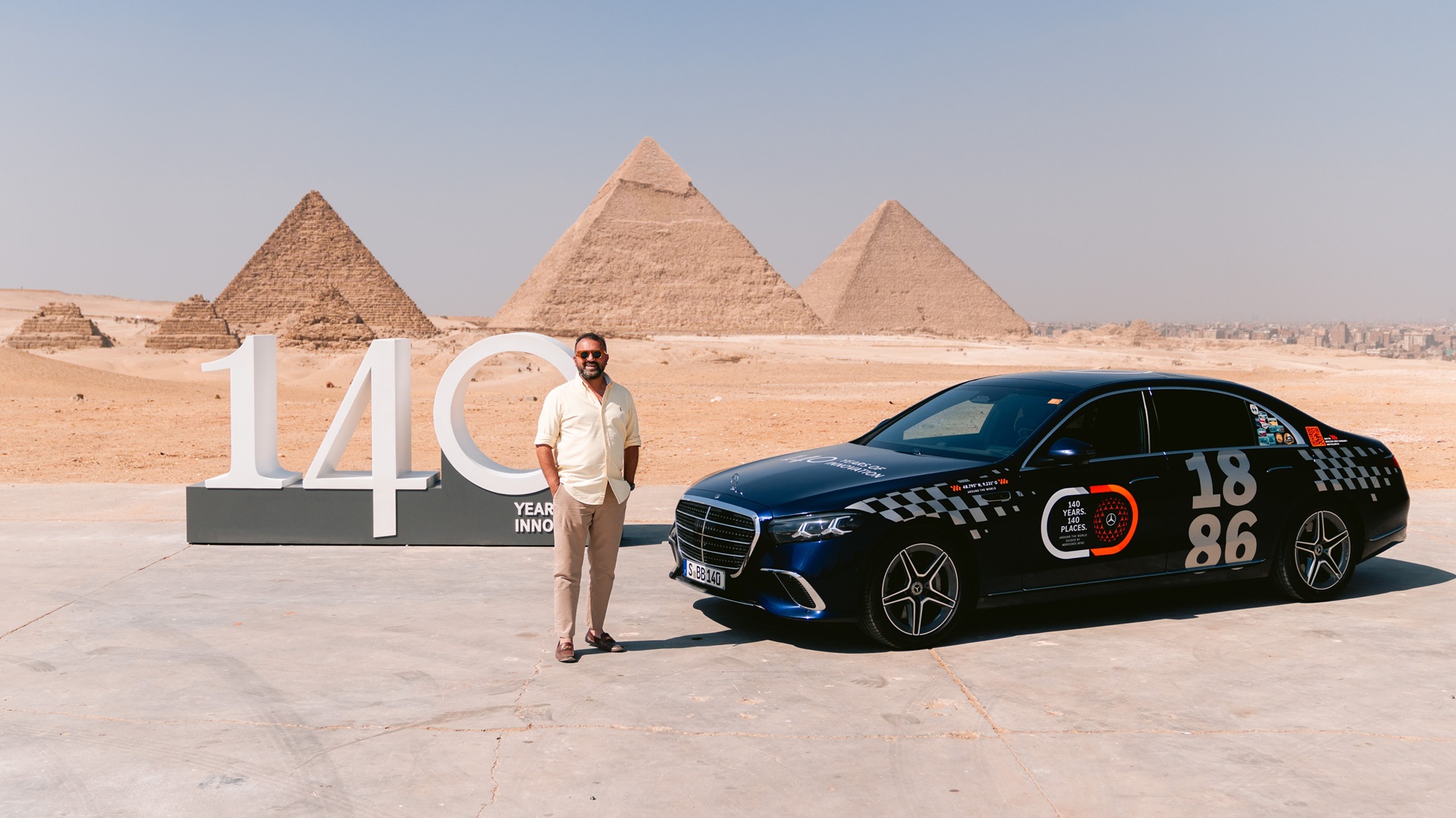
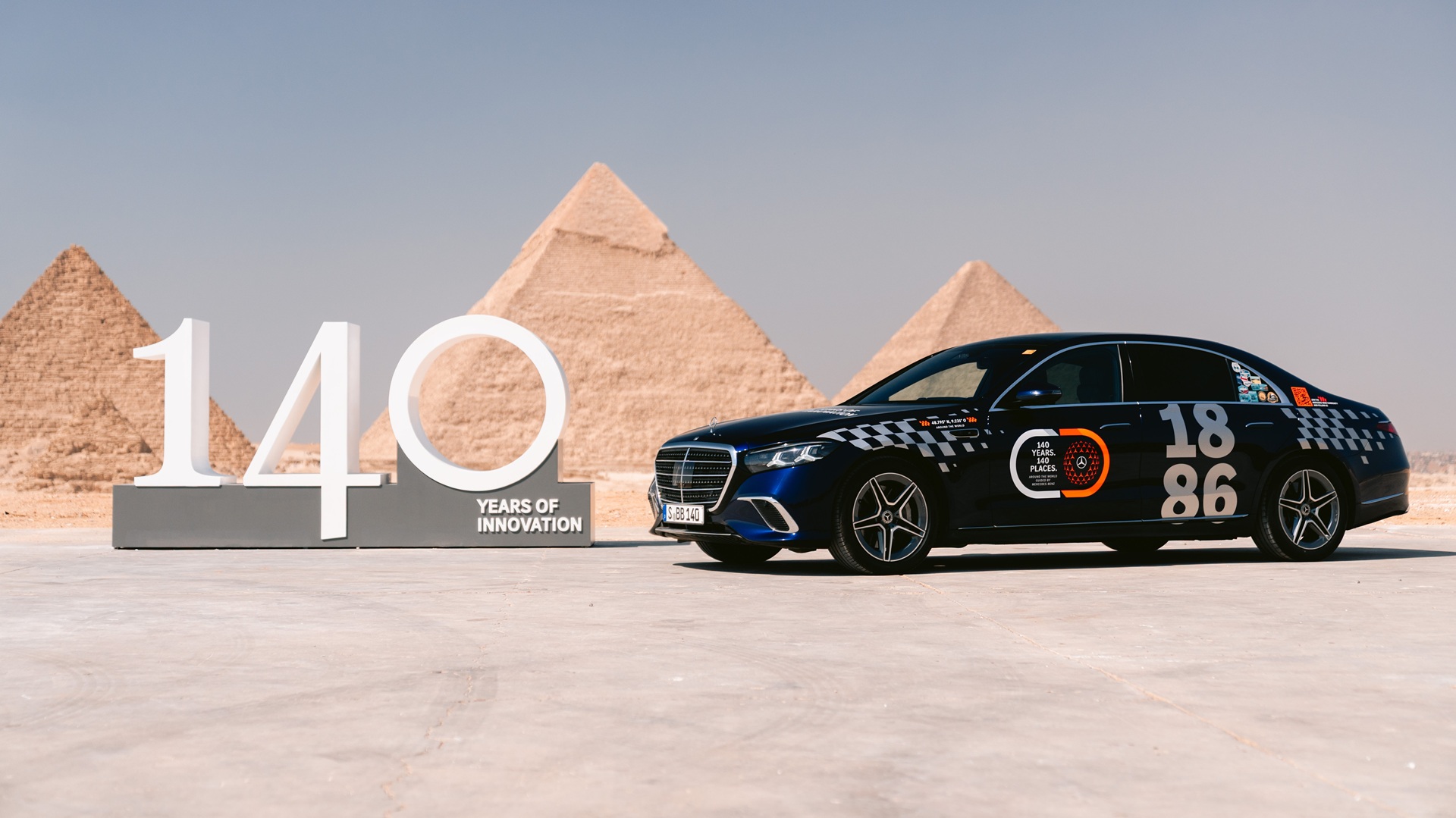
I went straight from Cairo airport to Giza, where I had my first proper sight of the car, with the Pyramids rising behind it. It made quite a picture: two very different testaments to human engineering, ingenuity, and creation. One has stood for thousands of years, while the other represents more than a century of evolution in the motor car. In their own ways, both exist because people pushed the boundaries of what was possible, so the setting felt particularly fitting for a tour about 140 years of innovation.
After some time with the S-Class around Giza and Cairo, we pointed it southeast towards El Gouna. The roughly five-hour drive each way let us really experience the car: through Cairo traffic, on open highways, and over long distances.
How comfortable is the new S-Class in the back seat?
As a passenger, you will find the S-Class exceptional. The AIRMATIC suspension is brilliant, and for outright ride comfort I would put it second only to Rolls-Royce. After several hours on Egyptian roads, that comfort stops being something you merely notice on a short test drive; you genuinely appreciate it.
The rear seat of an S-Class is probably one of the best places on earth to spend a journey. It feels extraordinarily comfortable, quiet, and refined, with virtually no sensation from the engine and genuinely impressive sound insulation. At motorway speeds, with Egypt passing by outside the window, you begin to understand what Mercedes has always designed the S-Class to do: it isolates you from the world without completely disconnecting you from it.
This is where the S-Class feels most convincing, and the wider range builds on it. Maybach and AMG variants will join the line-up. The S-Class GUARD models also remain particularly interesting, since Mercedes-Benz positions them as offering the highest level of ballistic protection currently available in a series-production, manufacturer-armoured passenger car.
How does the Mercedes-Benz S 500 drive?
It drives better than I expected, although the powertrain does not quite match the chassis.
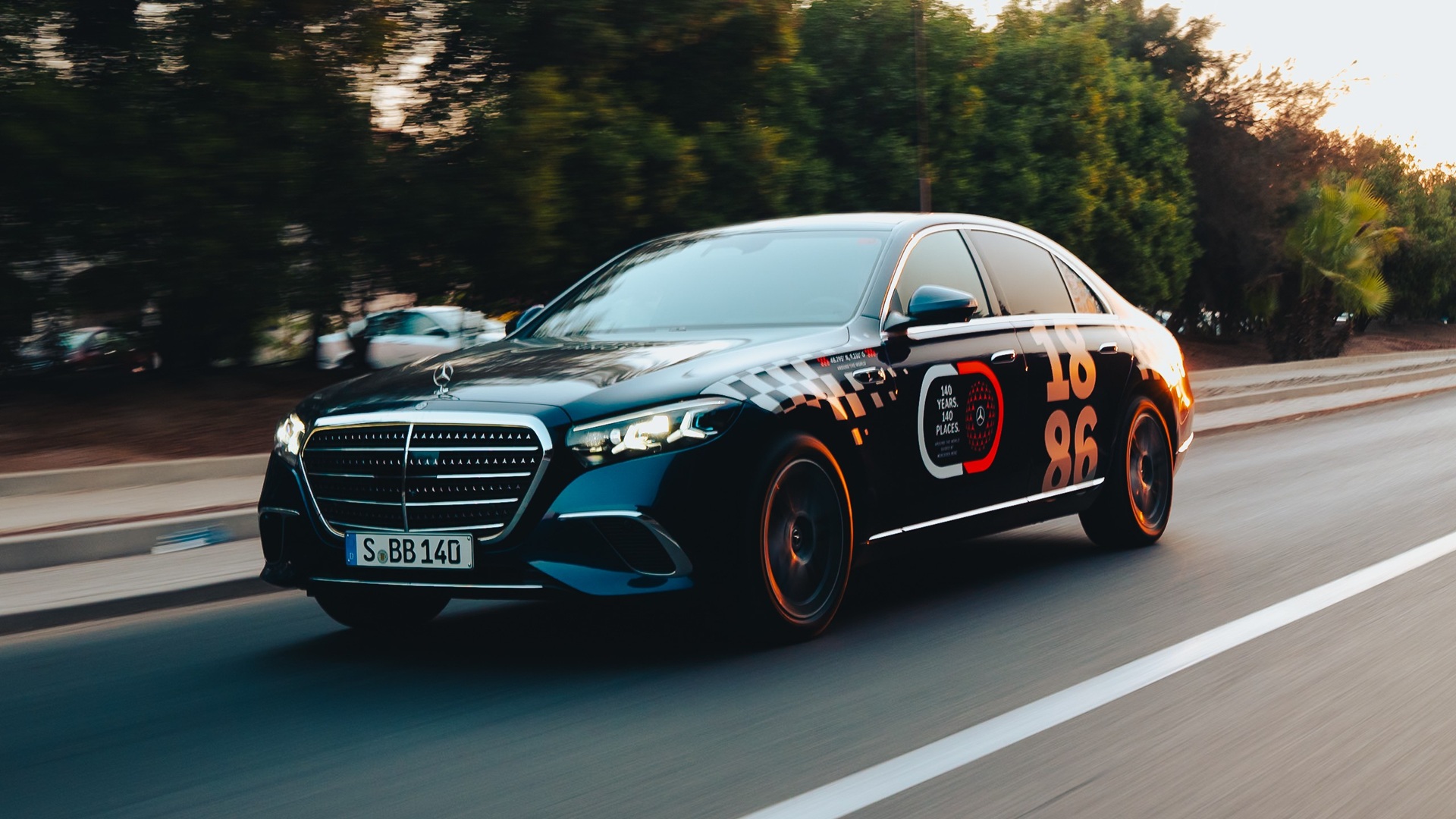
The steering genuinely surprised me: it offers more feedback than I anticipated, and the S-Class turns in sharply for its size. Rear-axle steering, which turns the rear wheels by up to 10 degrees, deserves much of the credit. It makes the S-Class feel far more agile than its dimensions suggest, which helps in Cairo traffic. My car also had all-wheel drive, which feels reassuring on faster roads. The S-Class does not become a sports saloon, nor should it.
The powertrain feels less complete. The 3.0-litre turbocharged inline-six produces 449 PS and 600 Nm, with the mild-hybrid system adding 23 PS and 205 Nm. At lower revs it feels smooth and effortless, but above about 4,500 rpm a slight vibration and roughness creep in: nothing severe, but noticeable in a car this refined.
The gearbox favours relaxed cruising, which suits the car’s character. Floor the accelerator and you get a noticeable pause while the turbo spools and the gearbox downshifts, and above 110 km/h the initial pull feels less immediate than this much power suggests. On the faster roads towards El Gouna, I found myself managing the gears manually to keep the powertrain engaged.
None of this spoils the S 500 as a long-distance car. Buyers who want more urgency can look forward to a new V8, which I think is exactly the sort of engine this car needs.
How does the S 500’s mild-hybrid system feel?
The mild-hybrid system has an interesting character, and it can feel slightly unexpected at first. At times, the system keeps assisting as you come off the throttle, so the car holds its speed, or even feels as though it is still gently accelerating when you expect it to start slowing down.
My interpretation is that Mercedes wants to replicate the effortless momentum of a large-displacement, naturally aspirated engine. You lift off, and the car carries its speed rather than immediately feeling restrained. It takes some getting used to.
Also Read: New Mercedes-Benz S-Class Update: Design, Technology, Safety And Pricing Explained
Which S-Class engine should you choose?
I think the S-Class powertrain choice will become relatively straightforward. In markets where fuel costs matter more, the plug-in hybrid makes a lot of sense, whereas buyers who want the traditional S-Class experience will probably want the new V8. The S 500 I drove remains a fine long-distance car, despite slight roughness above about 4,500 rpm.
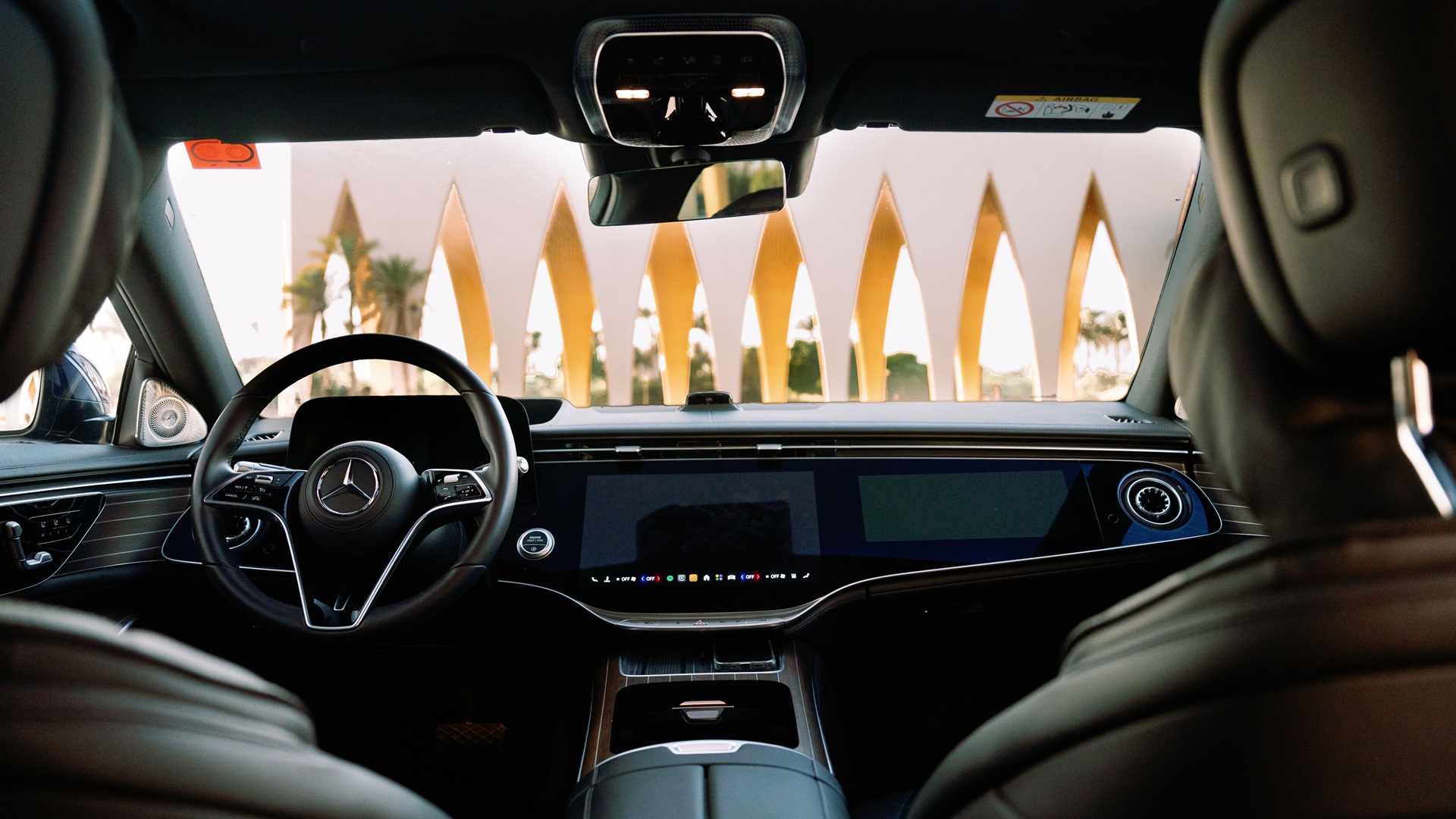
Has Mercedes improved the S-Class interior quality?
Yes, although the job is not finished. Materials have been a talking point for Mercedes-Benz in recent years, and the new S-Class feels more premium and better put together than the previous car. I still think some areas need more attention, and Mercedes seems aware of it; from my conversations, the intention is for material quality to keep improving across future products.
That matters because perceived quality once made getting into a Mercedes-Benz feel fundamentally different from getting into almost anything else. This S-Class takes a clear step towards recapturing that feeling.
Also Read: Mercedes-Benz Launches Birth Certificate For Modern Classics Built From 1986 To 2010
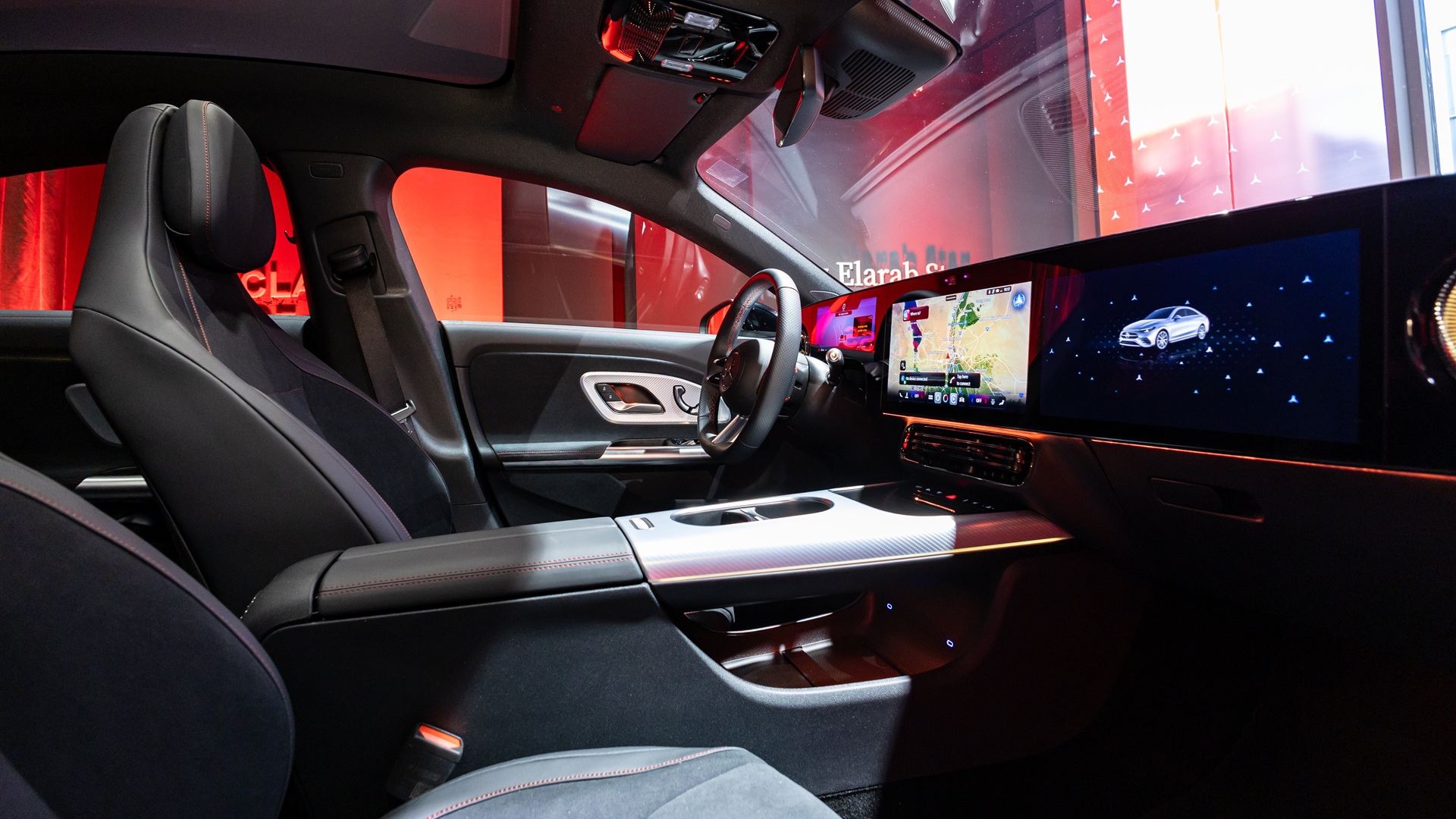
How good is MB.OS in the new S-Class?
MB.OS, Mercedes-Benz’s new operating system, marks a major step up from the previous MBUX generation. It feels more intuitive, easier to navigate, and better thought through overall, and the steering-wheel controls are now far simpler to use.
Technology now plays a major role in the S-Class experience, with sensors and driver-assistance systems everywhere. As a result, the car produces many warnings, sounds, and beeps: too many, in my view. Unless you enjoy constant communication from your car, you will probably find yourself switching several systems off every time you drive.
Voice interaction also remains less convincing. The MBUX Virtual Assistant, woken with “Hey Mercedes”, and some of the other voice functions can still feel intrusive rather than genuinely useful, and I found myself wanting to switch them off. Navigation, on the other hand, is a highlight: Google Maps through Apple CarPlay works well alongside the head-up display, which makes the whole system feel far more cohesive than before.
Is the new Mercedes-Benz S-Class better than the old one?
Yes, and meaningfully so. It feels more premium and better assembled; the technology is better integrated; the chassis impresses; and, from the rear seat, it remains one of the most comfortable ways to travel by road.
Four days crossing Egypt may be a more revealing test of an S-Class than almost anything else. Mercedes designs this car around distance, and around arriving somewhere feeling noticeably fresher than you would in most other cars. Just as importantly, Mercedes-Benz clearly recognises where it needed to improve, and that might matter more than any individual upgrade.
What does the new S-Class mean for the future of Mercedes-Benz?
I do not think the S-Class itself will be the true test of Mercedes-Benz, because Mercedes knows how to build an S-Class. The real test lies in what happens next with cars such as the CLA, C-Class, E-Class, and the AMG range, and whether Mercedes can apply this renewed focus on quality, engineering, materials, and identity consistently across the rest of its portfolio.
Chinese manufacturers are rapidly changing the economics of the premium-car business, and Mercedes now has to decide where it can compete, where it should compete, and, perhaps most importantly, what a Mercedes-Benz should represent. The new S-Class offers a clear answer to that last question.
Still, the fact that people are discussing it at all is telling. Chinese manufacturers are changing the economics of the premium-car business extremely quickly, and Mercedes now has to decide where it can compete, where it should compete and, perhaps most importantly, what a Mercedes-Benz should represent. For the brand, the new S-Class offers a clear answer to that last question.
My four days began beneath the Pyramids of Giza, one of humanity’s most enduring demonstrations of what happens when ambition, engineering, and craftsmanship come together. For a tour celebrating 140 years of Mercedes-Benz innovation, I could hardly imagine a more fitting place to begin the African chapter. The blue S 500 continued its journey from Egypt, just as the other two cars continued theirs. Yet “140 Years. 140 Places.” is about far more than putting kilometres on a collection of cars. It looks back at what Mercedes-Benz has achieved over 140 years while, inevitably, asking what comes next.
For decades, the S-Class showed the rest of the industry what Mercedes-Benz could do when it applied its best engineering, technology, and thinking to a single product, introducing features such as anti-lock brakes (ABS), airbags, and PRE-SAFE along the way. After four days crossing Egypt in the new one, I think the company is beginning to find that ambition again. The S-Class is better. Now Mercedes-Benz has the chance to show that the rest of the range can follow.