

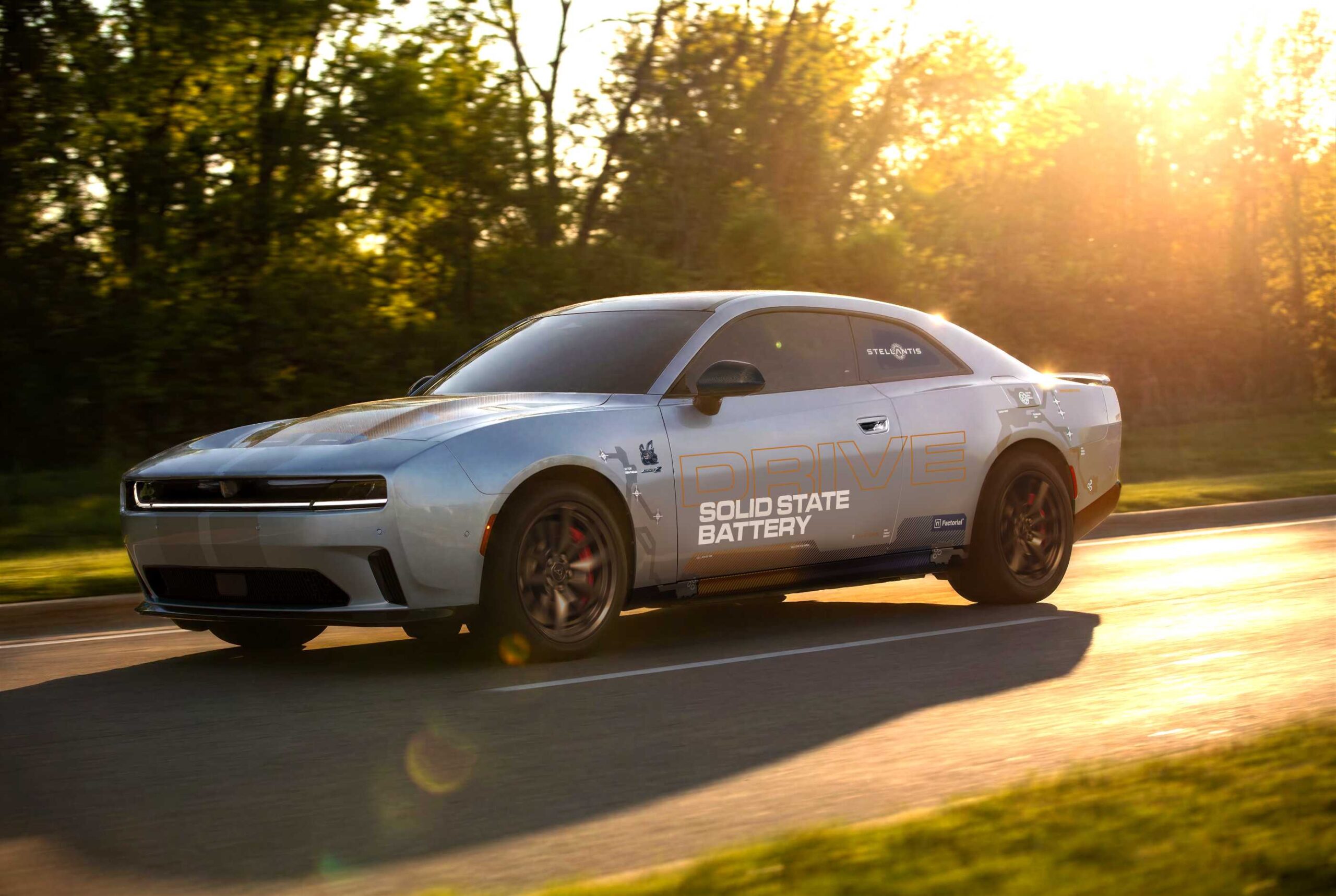
Stellantis and Factorial have taken another step in their joint solid-state battery development project, successfully integrating Factorial’s FEST (Factorial Electrolyte System Technology) cells into the Dodge Charger Daytona test car. Furthermore, they have started conducting road tests to assess the battery technology.
This is the first time that Factorial’s solid-state battery cells are being used in a Stellantis automobile.
Why Is This Partnership Significant?
This collaboration marks the first-ever automotive integration of Factorial Energy’s solid-state battery technology into the development of a vehicle in North America. Although lab-based tests and individual cell tests had been completed before, integrating the cells into a complete vehicle required additional engineering efforts focused on battery pack design and thermal management.
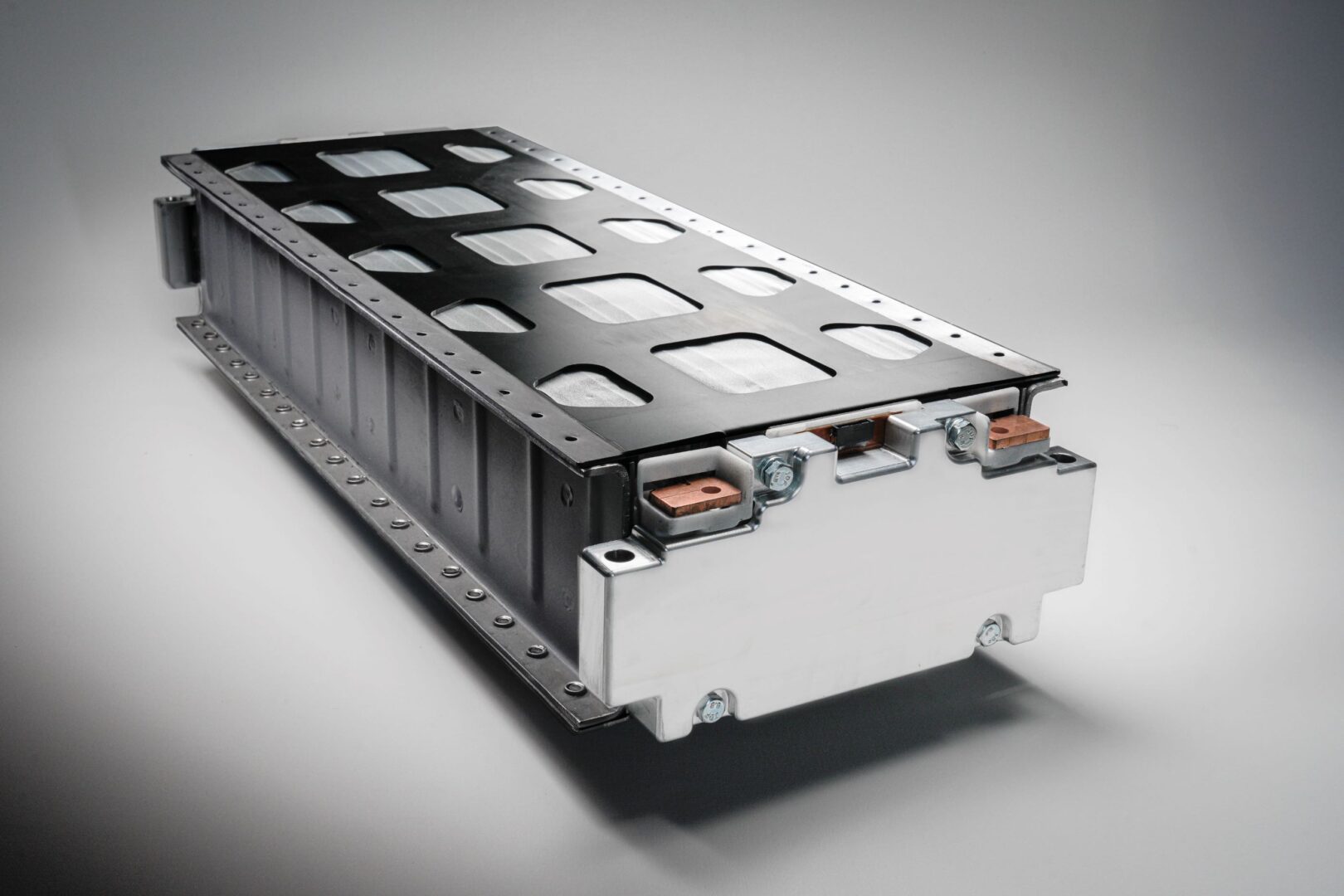
The battery pack is designed using an innovative mechanical architecture pioneered by Stellantis and optimised to support the specific features of solid-state batteries.
What Performance Metrics Have Been Achieved so Far?
In 2025, both Stellantis and Factorial Energy successfully tested the FEST battery cells and recorded various performance metrics.
For instance, the battery cells achieved an energy density of 375 Wh/kg and could charge at 15% to 90% of their maximum capacity in just 18 minutes. Moreover, tests showed that the cells can function within a temperature range of -30°C to 45°C.
All these tests were performed during cell-level validation, but vehicle-level testing will reveal the practical implications of these figures.
How Was the Integration Performed for the Road Vehicle?
For the transition from lab testing to integration into a real vehicle, certain adaptations were required on both the battery and the vehicle. Experts from Stellantis and Factorial integrated the cells into an existing battery design while developing novel mechanical and control systems to accommodate this innovation.
According to the companies’ representatives, the vehicle software and the battery management systems were also adapted to ensure proper performance and reliability in automotive applications.
What Is the Plan for Testing the Technology in Vehicles?
As part of the newly developed testing programme, experts will examine the operation of the battery packs in daily driving and charging scenarios. They will analyse charging efficiency, driving performance, and the general battery durability.
Additionally, the impact of different weather conditions will be assessed to ensure safety and compliance with the automotive industry standards.
The findings of this research are intended to inform future development and tuning efforts.
Where Does This Relate to the Larger Development Programme?
This process represents one step of an already-announced development programme between Stellantis and Factorial. Through cooperation, the two companies aim to advance the technology from lab testing to vehicle testing and, ultimately, to mass production.
Solid-state batteries are currently under investigation by many automobile manufacturers and battery makers due to their high energy density, short charging times, and improved battery efficiency. However, their scalability and longevity remain topics of extensive industry research.
Availability, Timelines, and What’s Next?
At this point, solid-state battery technology is still in development. Neither Stellantis nor Factorial has disclosed when or how the technology will reach production and become commercially available.
The Dodge Charger Daytona used by Stellantis and Factorial is a development car, meaning it is not yet equipped with the new battery system. Further use depends on the results of the current test programme and the mass production of the battery technology.