

Ettore Bugatti is said to have called Walter Owen Bentley’s cars “the fastest lorries in the world”, and the Bentley Boys answered by winning Le Mans again and again. Before all that came a big six-cylinder that W.O. Bentley built because a Rolls-Royce had kept up with him for too long. That car was the 6½ Litre, and a century after its Olympia debut, Crewe is raising a glass to it.
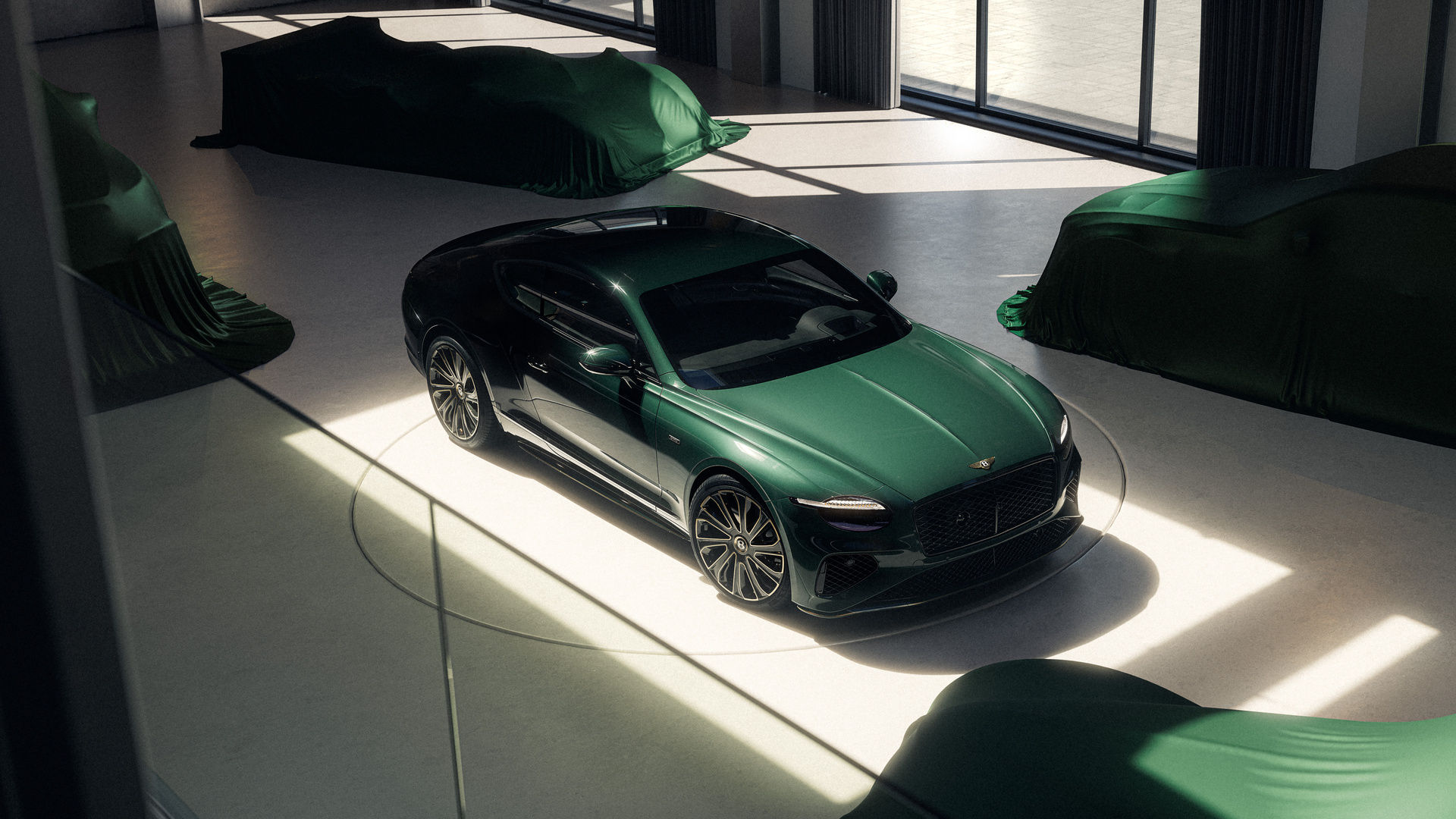
The ‘glass’ in question is the Olympia Collection by Mulliner. It’s a run of 12 individually numbered Continental GTs painted in a green ombré specially created for these cars alone. They’ll be trimmed in Champagne Gold and patinated leather, and delivered with a numbered Brooklands chronograph. Bentley calls it the first chapter of an ongoing series. And no, it has nothing to do with the 1998 Turbo RT Olympian, a special from a very different era of Crewe.
The 6½ Litre And The Race To Dieppe
In the summer of 1924, Mr. Bentley was driving home from the European Grand Prix in Lyon, behind the wheel of a disguised six-cylinder prototype. Somewhere on the long, empty Route Nationale towards Dieppe, he came across another prototype heading the same way: the Rolls-Royce Phantom I, still under wraps. The two crews recognised each other and ran side by side at over 80mph (about 130km/h) for mile after mile.
Accounts differ on how it ended. One version says the race was called off when a hat blew off one of the Rolls-Royce crew. Another says the Bentley simply won. Either way, Mr. Bentley is said to have been unhappy with how close it had been. He went back to England and took the six-cylinder from 4.5 to 6.5 litres “to stay two steps ahead”, in his words.
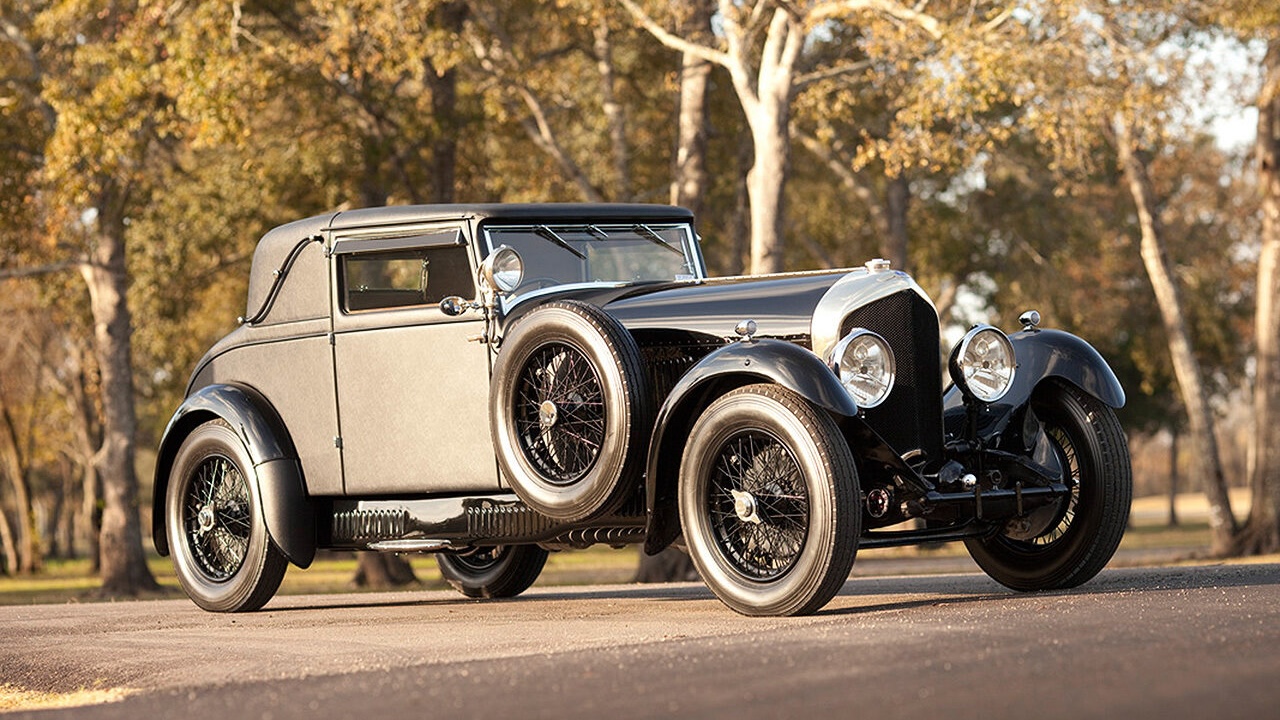
The result was a 6,597cc straight-six making about 147hp at 3,500rpm. It was first shown as a bare chassis at the Olympia Motor Show in October 1925. In October 1926 it returned as a complete car with Vanden Plas touring coachwork, and that second ‘finished’ appearance is the anniversary these 12 cars mark.
Only 362 standard 6½ Litres left Cricklewood. Its sportier Speed Six sibling won Le Mans in 1929 with Woolf Barnato and Tim Birkin, and in 1930 with Barnato and Glen Kidston.
Every Shade Of British Racing Green
Nobody knows the exact green the original car wore. British Racing Green had no fixed standard in the 1920s, there’s no RAL match for it today, and the copper in paints of that era fades under sunlight. Mulliner’s answer is to use every shade at once. The Ombré by Mulliner finish fades from Verdant, a forest green at the nose, to Midnight Emerald, a near-black green at the tail. It takes 56 hours of work by Crewe’s paint technicians.
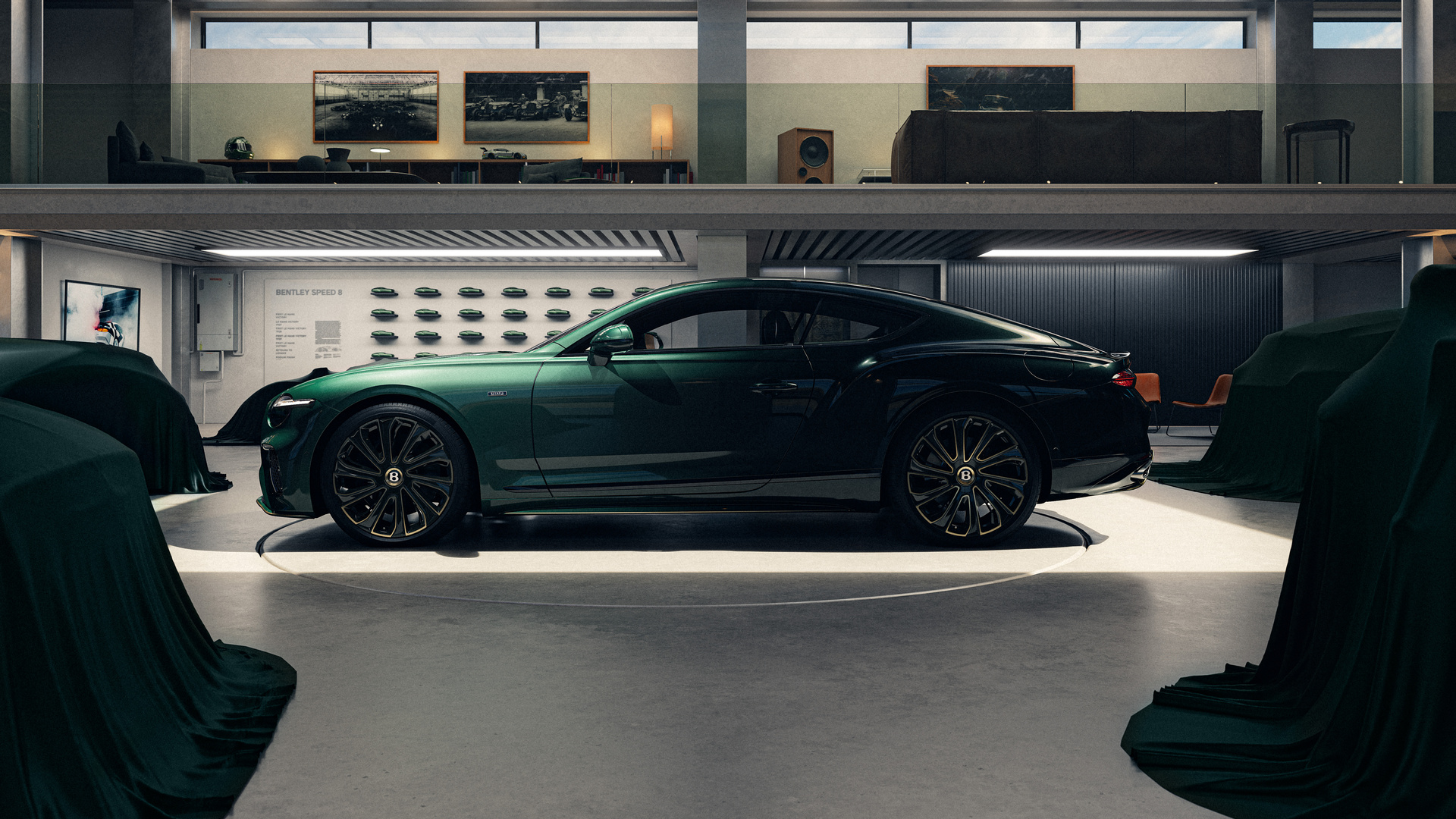
If the idea sounds familiar, Mulliner tried a side-to-side paint fade on the Supersports earlier this year. Here it runs front to back, and it has a story behind it. Champagne Gold stands in for the nickel silver of 1920s radiator shells and switchgear. It appears on the badges, the self-leveling wheel centres and a hand-painted lower pinstripe.
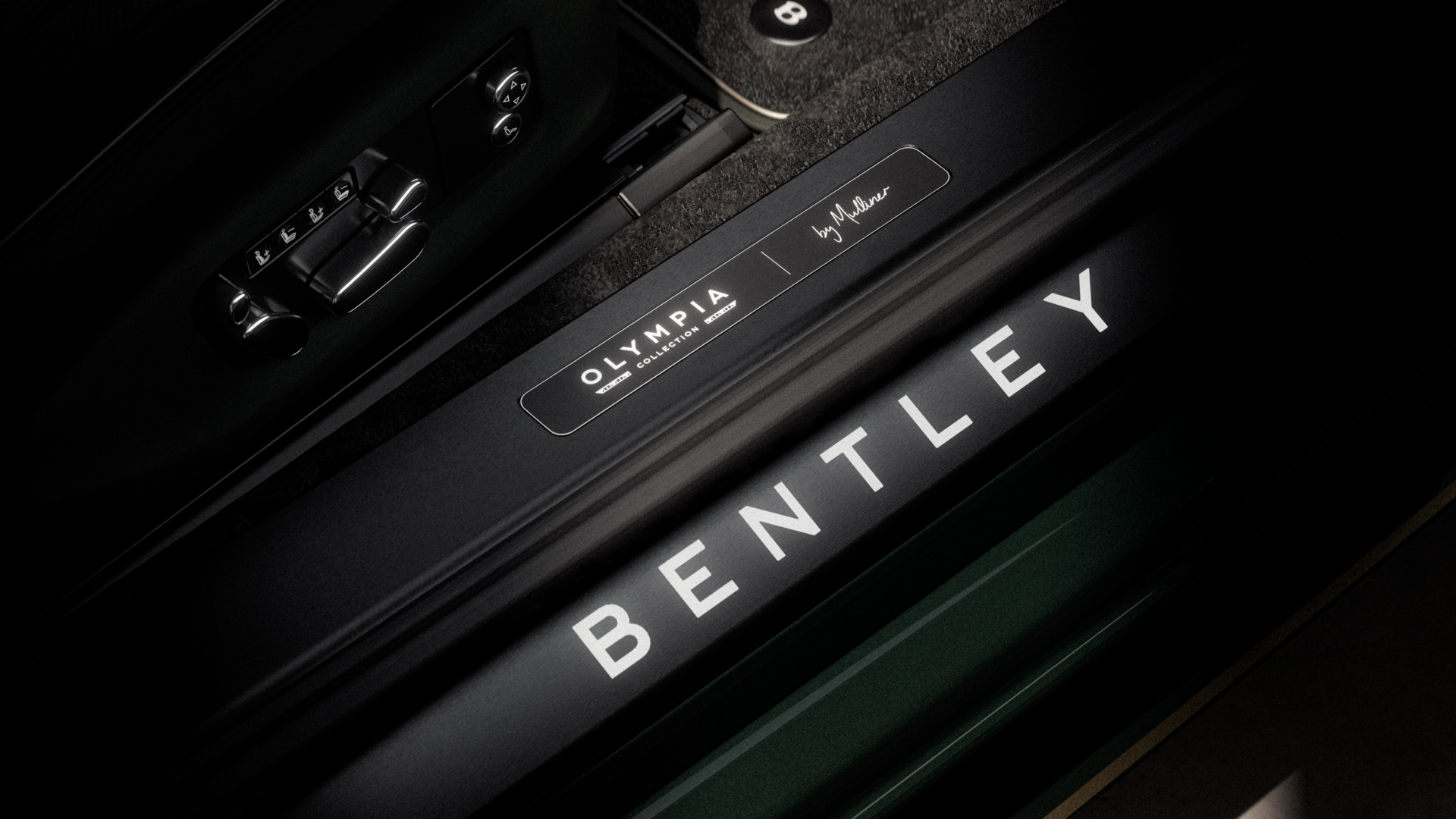
The Blackline pack darkens the matrix grille, intakes and rear diffuser. The black 22-inch Mulliner wheels carry Champagne Gold face accents that hint at period spoked wheels and the patina on old metal. Small Olympia Collection badges sit on the front wings. Open a door at night, and the welcome lamps project an animation of that Lyon to Dieppe duel onto the ground.
Also Read
- Defender Unveils Six New Atlas Colours Inspired By The Company’s Heritage And Landscapes Around The World
- Jeep Wrangler Scrambler SRT Concept Revealed: Desert-Inspired Pickup Is The CJ-8 Reincarnated
- 1979 Porsche 924 Police Car Restored Ahead Of First Dubai Appearance
A Cabin Dressed For 1926
It gets a newly developed Coach Green with a heritage patina. Cumbrian Green is the secondary hide, and Champagne Gold piping outlines the seats. The fascia and waistrails are open-pore crown-cut walnut with a black stain. The controls get diamond knurling, and the gold organ-stop pulls work Bullseye vents with Verdant inner rings.
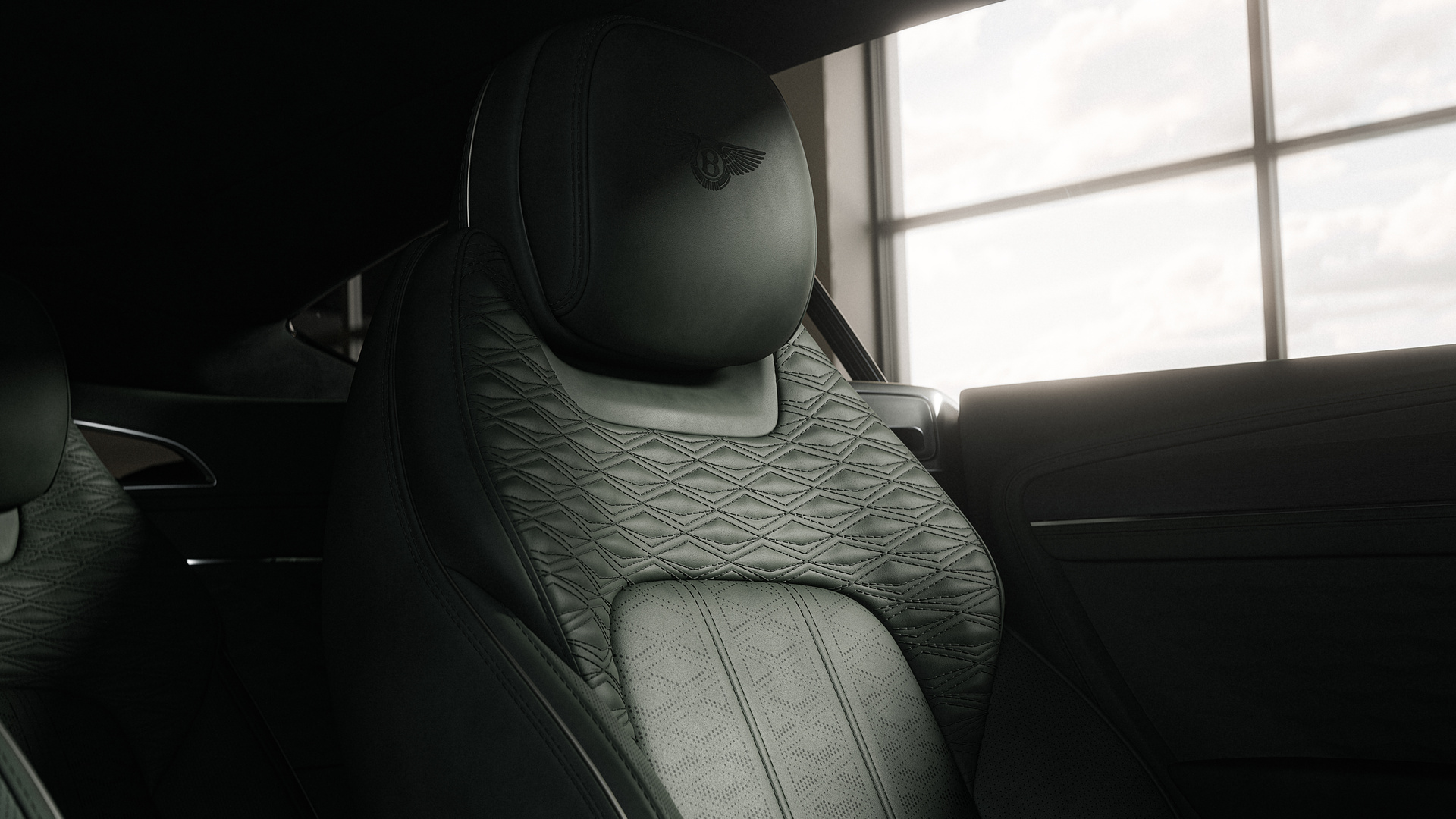
The steering wheel has Champagne Gold box stitching, a nod to the rope-bound wheels of the 1920s. Rotate the Bentley Rotating Display to its analogue face and you’ll find laser etching inspired by the 6½ Litre’s speedometer, along with the car’s own number. Between the rear seats, the ski hatch carries an embroidered map of the region in Cumbrian Green, with Mr. Bentley’s route picked out in Champagne Gold. Black treadplates with the Olympia Collection by Mulliner motif complete the cabin.
The Continental GT Underneath
Bentley hasn’t said which Continental GT these cars are based on, so the engine and performance figures are still to be confirmed. The current Continental GT Speed and Mulliner use a 4.0-litre twin-turbo V8 plug-in hybrid making 771hp and 1,000Nm. They do 0-100km/h in 3.2 seconds and 335km/h flat out. Walter Owen Bentley would surely approve of the margin over 147hp.
The Brooklands Watch And Other Collectables
Each car comes with a green car cover with a Champagne Gold motif, a handcrafted Mulliner handover box and a book on the 6½ Litre story. The best part is the Brooklands Watch Co. chronograph. It’s numbered to match its car, its strap is cut from the same Coach Green hide, and it comes with two interchangeable tachymeter bezels: one for the Brooklands Outer Circuit and one for the Double Twelve Circuit. You’d need a time machine to use either properly, which is rather the point.
What Is Bentley Mulliner?
Mulliner began as a saddlery in 1559, moved into coachbuilding, and has been part of Bentley since 1959. Today it’s Crewe’s bespoke arm, behind the 12-car Bacalar, the 18-car Batur, and the Blower and Speed Six continuation series. Mr. Bentley went back to the drawing board over a closer-than-comfortable unofficial race. A century later, his company has turned that story into 12 very green Continental GTs.