

What is Porsche Strategy 2035?
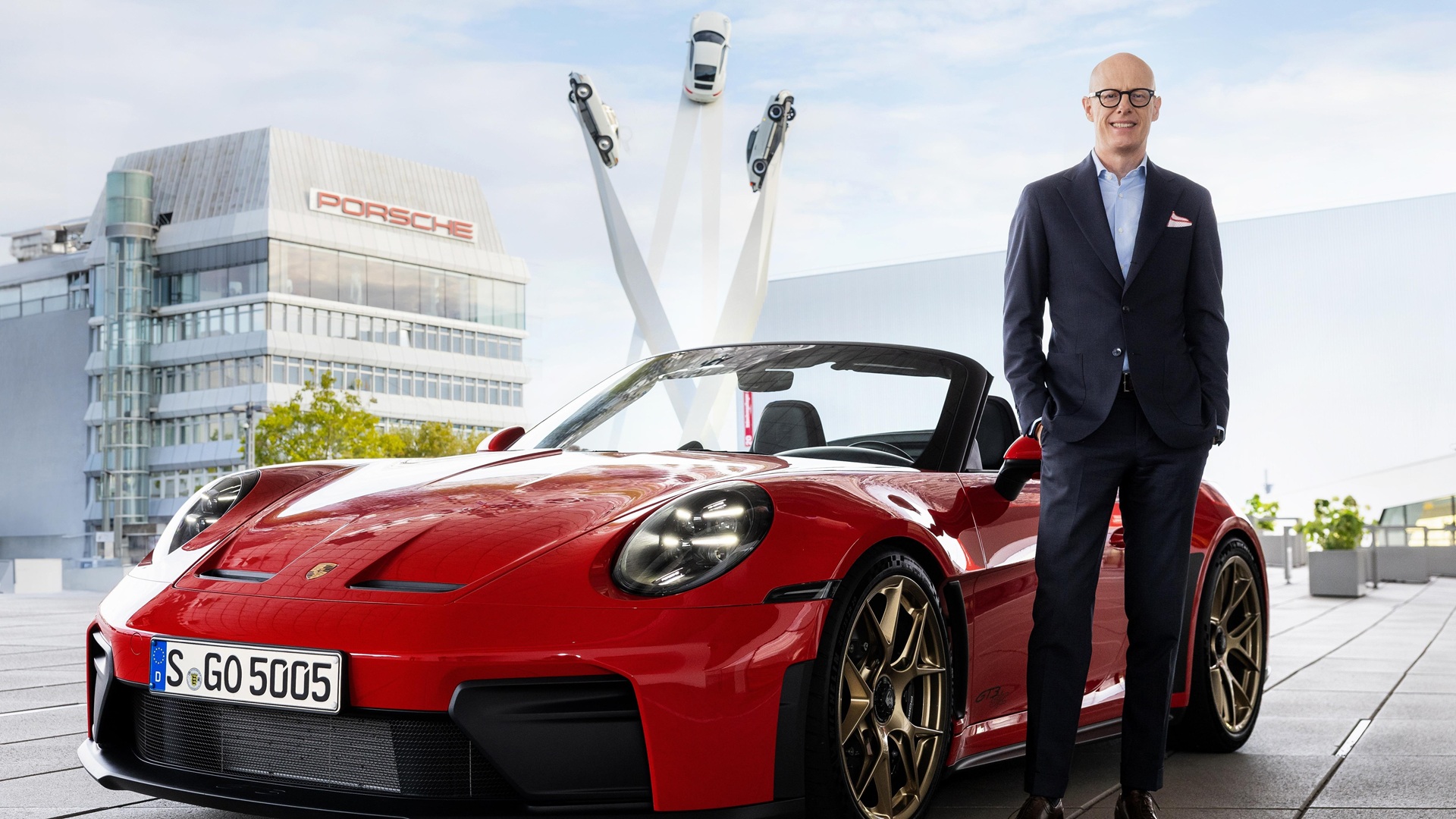
Porsche Strategy 2035 is the brand’s plan to sharpen its sports car identity and lift profits through to 2035. The company presented it on 7 October 2026 at a Capital Markets Day in the Weissach Development Centre. Its official name, Sportwagenschmiede ’35, roughly translates as sports car forge.
The plan aims to make Porsche an even more desirable sports car brand. It also keeps the Value over Volume principle, which favours each car’s value over sheer numbers. The range will still span sporty, high-end premium and sporty luxury cars, from entry-point to higher-margin segments.
Dr Michael Leiters, Chairman of the Executive Board of Porsche AG, says the strategy works in three phases. Together, they should lay the groundwork for a much more efficient, productive and profitable Porsche. Cost cuts and stronger finances come first. According to Leiters, the name stands for craftsmanship, down-to-earth thinking, an entrepreneurial approach and the sportiest car in every segment.
For context, Porsche delivered 122,306 cars from January to June 2026, 16 per cent fewer than in the same period last year.
Which new models does Porsche Strategy 2035 include?
Porsche Strategy 2035 includes an all-electric 718, a new SUV, more 911 derivatives and a potential super sports car platform. The 718 Boxster and Cayman come first. Porsche expects both to support sales in 2028, their first full production year.
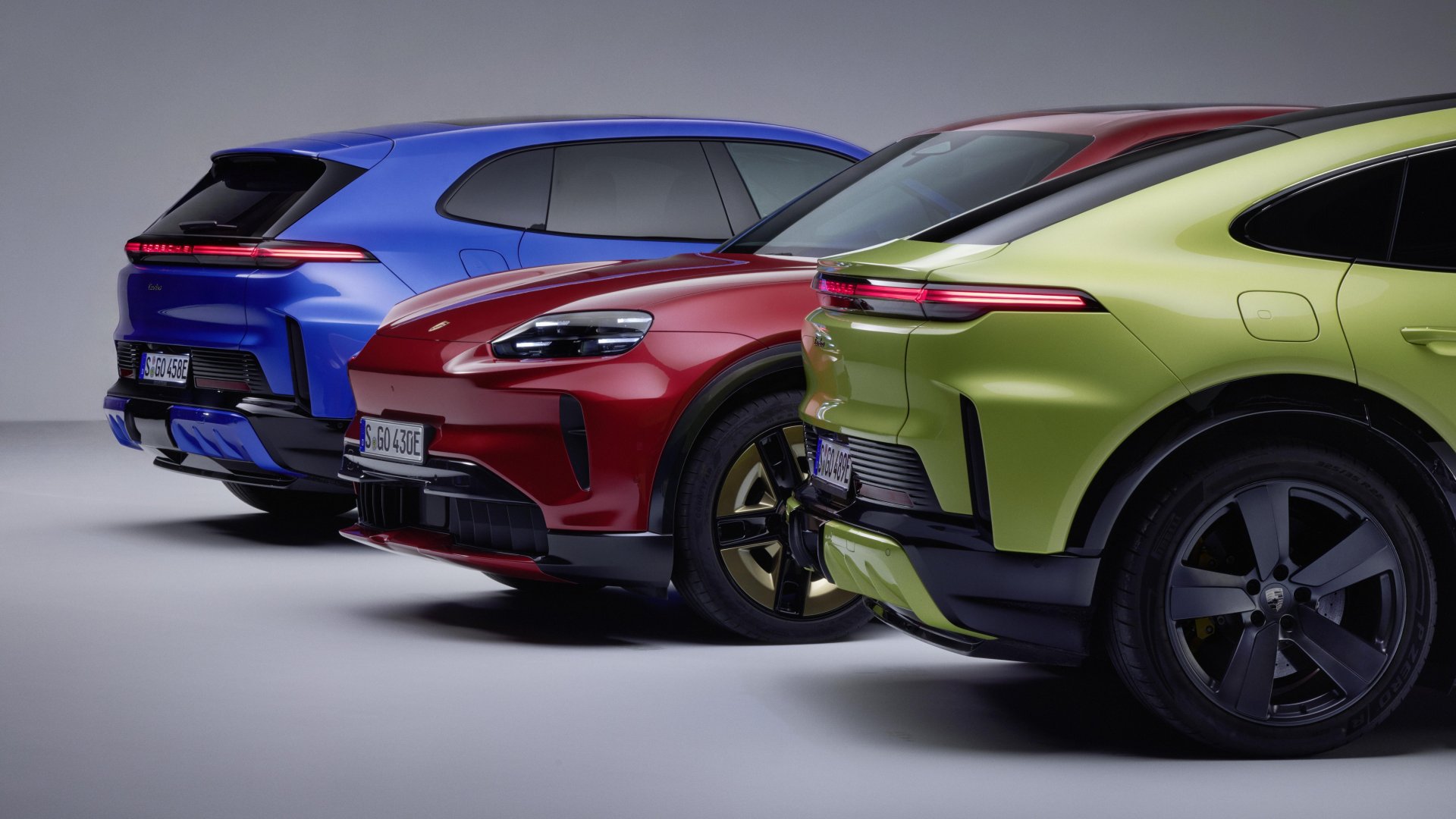
Also in 2028, Porsche will present a new SUV in what it calls the B-segment. It will offer combustion and plug-in hybrid power and sit alongside the all-electric Macan. Series production should ramp up in 2028, and Porsche expects the SUV to lift sales and profitability noticeably in 2029.
After that, more launches will follow, mainly in the D and E segments, where margins are particularly high. New 911 derivatives will strengthen the 911 range, and Porsche is exploring an SUV above the Cayenne. It has also announced development of a mid-engined platform for super sports cars, for a model line above the 911.
On 15 October, Porsche will preview this potential platform. A newsroom teaser, Porsche Mission S, says a first glimpse is already on the company’s social media channels.
By 2030, Porsche plans at least one brand-defining new product each year. At the same time, it aims for about 20 per cent fewer model variants. As a result, it expects average sales per variant to rise by about 30 per cent in the medium term. Over the same period, the D and E share of its range should grow by about 45 per cent.
Will Porsche keep building combustion engines?
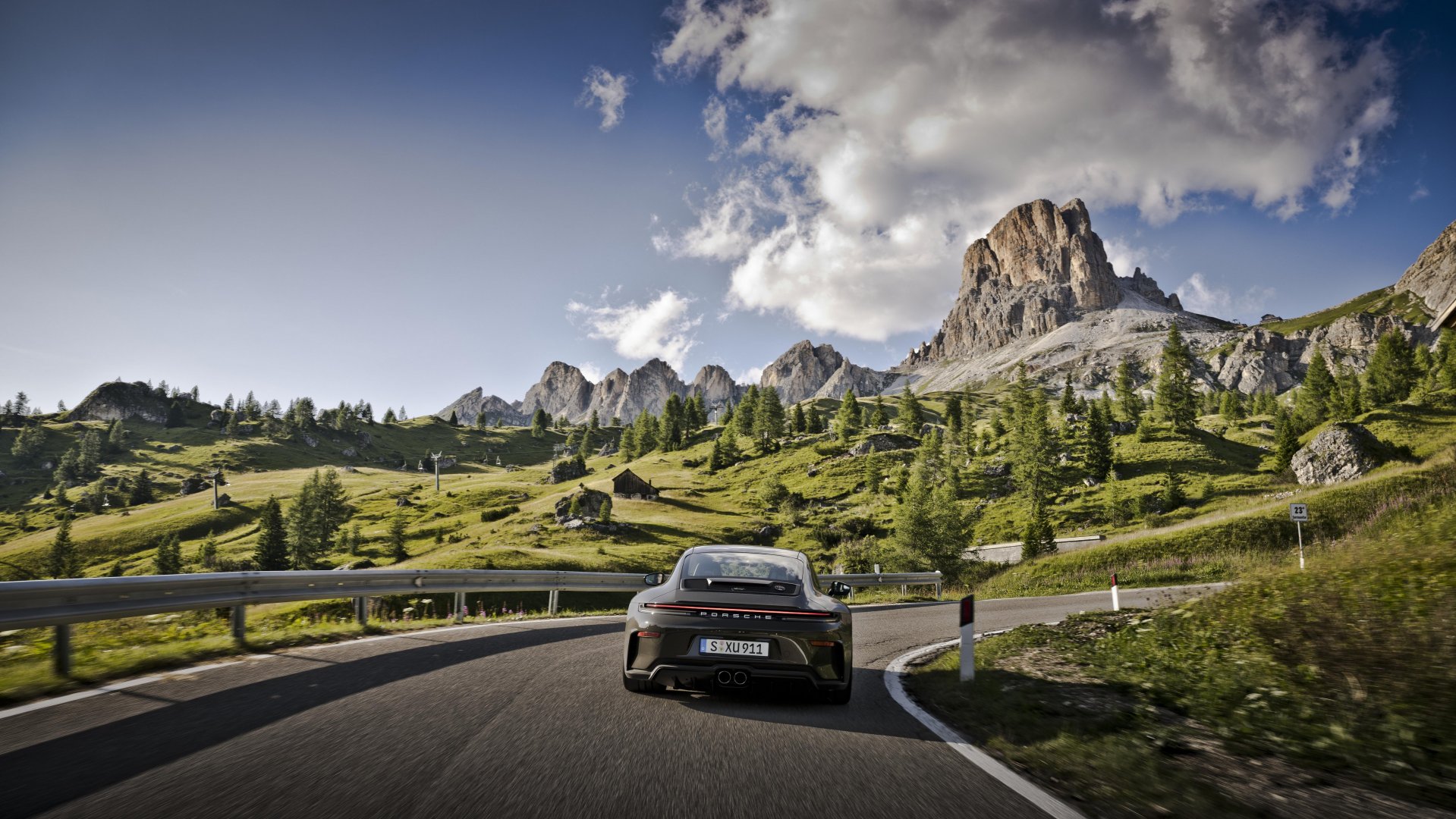
Yes, combustion engines remain part of Porsche’s three-pronged powertrain approach. Porsche will keep developing that approach with customers even more in mind. It will invest in brand-defining combustion and plug-in hybrid drives, as well as next-generation battery technology.
Across its two-door and four-door models, the brand aims to offer the sportiest car in each segment it competes in. To get there, it wants 911 DNA to show more clearly in every model line, whatever the powertrain.
Porsche will also work more closely with Audi on the PPE and PPC platforms. This should make better use of development resources, while technology and features unique to each brand keep both distinct.
Also Read: Porsche Carrera Cup Middle East season 2026/27 suspended
How will Porsche make its cars more exclusive?
Porsche Strategy 2035 aims to position the brand higher through personalisation, higher-value models and its Sonderwunsch programme. In the medium term, average selling prices for its top models should rise by about 20 per cent.
Over the same period, Porsche wants options to bring in much more revenue per car. Sonderwunsch, its programme for highly individualised cars, should also grow, with a sixfold rise in sales as the goal.
Porsche will group these and other activities under a new umbrella, Home of Sports Cars. It brings together three areas: Performance, including Manthey; Exclusiveness, covering Sonderwunsch and Exclusive Manufaktur; and Heritage.
On the performance side, Porsche is raising its stake in Manthey Racing, the Nürburgring specialist, to 67 per cent. The two plan to offer more, from performance kits and track experiences to complete vehicle concepts for very small runs.
Finally, Porsche sees quality, in products and service alike, as the foundation of its economic success. With a quality initiative, it wants to lift the product and service quality that customers can feel. The same initiative should trim warranty spending by as much as 45 per cent in the medium term.
How will Porsche Strategy 2035 cut costs?
Porsche plans to lower its break-even point by working faster and saving on development, production, sales and materials. The main cost targets are:
- Development costs: up to 20 per cent lower for future model lines
- Production personnel costs: up to 30 per cent lower in the medium term
- Sales and distribution costs: 20 per cent lower in the medium term, with four sales regions instead of five
- Material costs: about 10 per cent below earlier plans for new vehicle projects
Shorter development times, more in-house capacity, a modular process and less complexity should drive the development savings. Better processes, easier-to-build designs and mixed-model lines could also add more in production. Shared parts and synergies with partners and the wider group should help with materials.
In addition, Porsche Engineering and Porsche Digital will merge into one company, Porsche Technologies. Focusing on its core business, Porsche has sold shares in Rimac and Bugatti Rimac and agreed to sell MHP. It also plans to close development and production at Cellforce Group, Porsche eBike Performance and Cetitec.
Also Read: Porsche 550 J: The Pocket-Sized Spyder With An Almost Full-Sized Price
How many jobs will Porsche cut?
According to Porsche, its Future Package with employee representatives includes 9,000 job cuts, which it calls socially responsible. The package also commits to securing jobs for the core workforce until 2035.
Over the medium term, Porsche plans to cut management positions by 40 per cent. Across direct and indirect functions, it aims for a 25 per cent smaller workforce. The strategic target goes further, at 30 per cent. In addition, the Future Package measures should lower personnel costs by about 10 per cent.
Bonuses and special payments will also depend more on each person’s contribution to financial results. Porsche plans to propose an employee share programme to its committees, for introduction in 2028.
What financial targets does Porsche Strategy 2035 set?
Porsche Strategy 2035 sets these main financial targets:
- Group operating return on sales: 10 to 15 per cent medium term (confirmed), 15 per cent long term
- Automotive net cash flow margin: 9 to 12 per cent medium term (new target), 12 per cent long term
- Group sales: €41 billion to €45 billion in the medium term
- Break-even point: below 200,000 vehicles sold
- Net liquidity: 15 to 20 per cent of automotive revenue
- Dividend payout: at least 50 per cent of consolidated net income after tax
- Investment: peaking in 2026, then falling significantly in the medium term, along with research and development spending
Put simply, operating return on sales is the share of sales left over as operating profit. For comparison, the 2026 forecast Porsche reaffirmed in July points to €35 billion to €36 billion in sales revenue. It also points to an operating return on sales of 5.5 to 7.5 per cent.
Porsche says the top of its return and cash flow ranges needs one or both of two things. The first is a better economic, geopolitical and regulatory climate. The second is success in further value-creation measures.
Porsche bases the break-even target on a very cautious China forecast. In the first half of 2026, Porsche’s deliveries in China fell by 32 per cent.
Also Read: Icons of Porsche 2026: Tickets are now on sale
Dr Jochen Breckner, Member of the Executive Board for Finance and IT, explains what drives the targeted gains. He points to a higher value per car, a stronger model mix and a leaner cost and capital base. More broadly, Porsche wants revenue to grow faster than volume, and earnings to grow faster than revenue.