

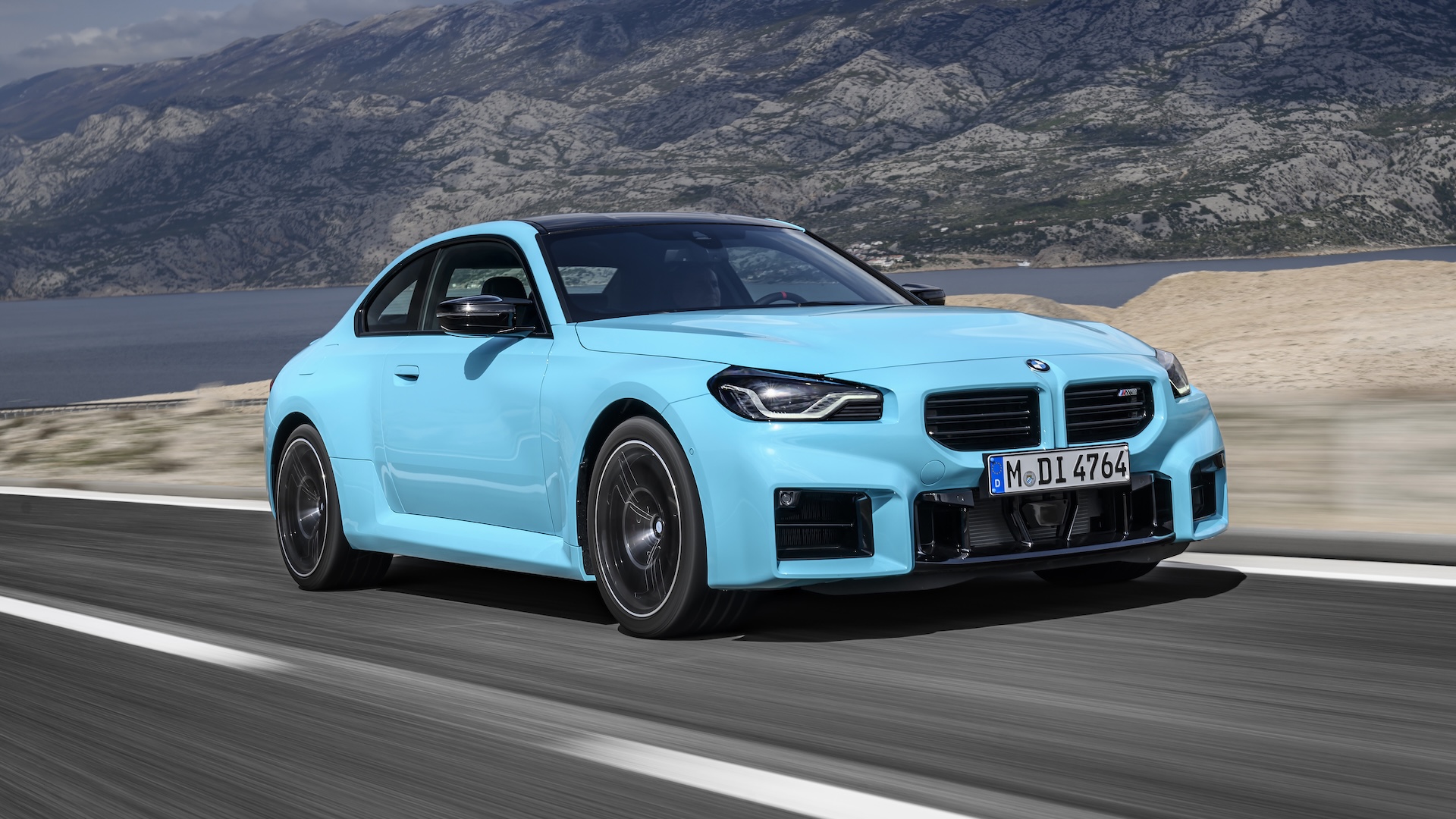
Why Has BMW Added xDrive To The M2?
This is the question everyone is asking, or should be asking. For years, the M2 stood apart from the rest of BMW’s M lineup by sticking exclusively to rear-wheel drive, like the legendary 1M did. The M3 and M4 gained xDrive, but the baby M car remained the purist’s choice.
Now BMW has decided the rear tyres need to be saved, and that the M2’s 480hp turbocharged straight-six deserves more traction. The new M xDrive system allows the car to deploy its power more effectively, particularly during launches and corner exits, while improving stability in poor weather and low-grip conditions.
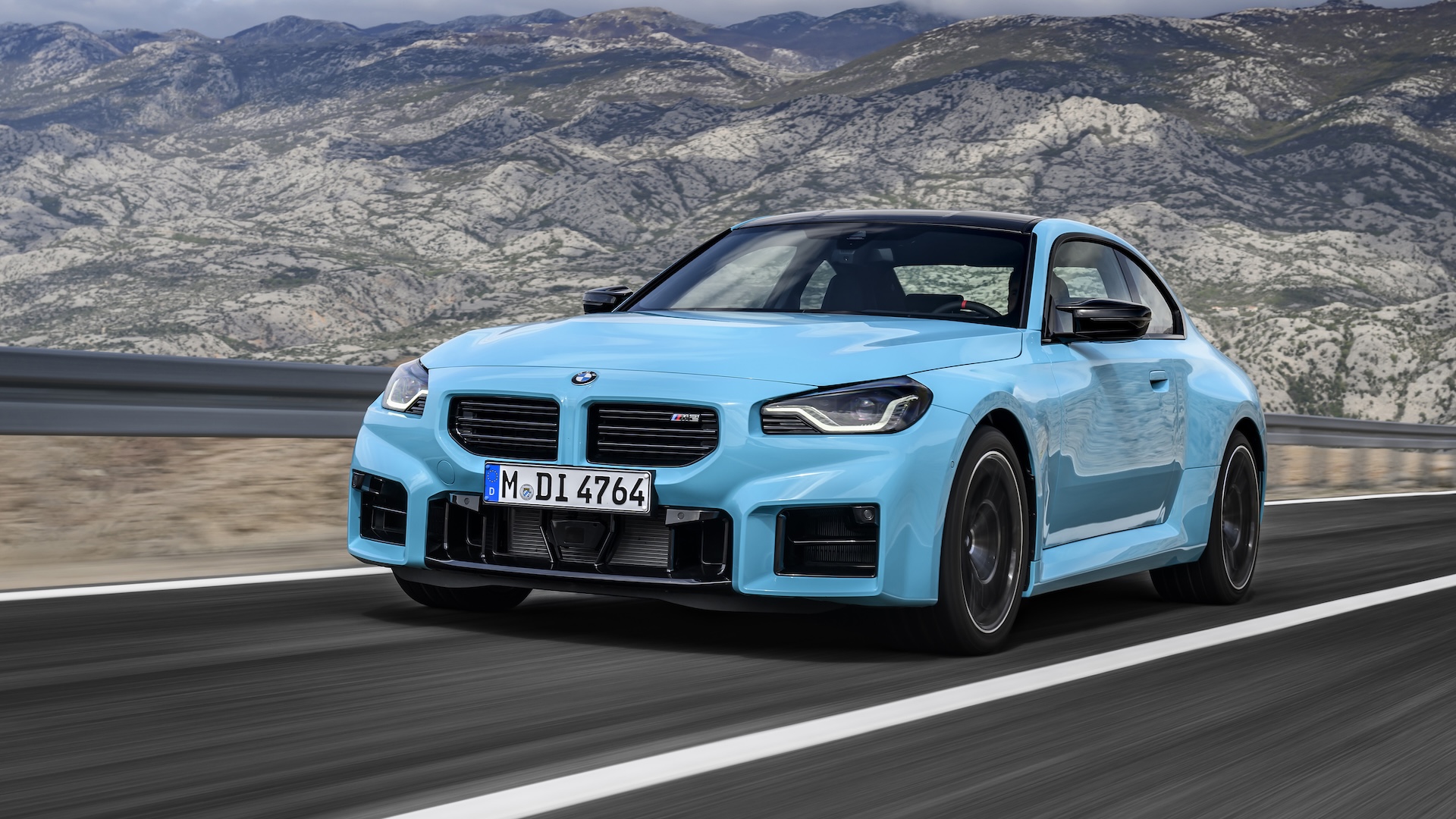
Importantly, BMW hasn’t abandoned the M2’s character. Bae-Em-Way claims the system remains heavily rear-biased and only sends power to the front axle when the rear tyres begin to run out of grip.
How Fast Is The New BMW M2 xDrive?
Very fast. Power still comes from BMW M’s twin-turbocharged 3.0-litre inline-six producing 480hp & 600Nm, paired exclusively with an eight-speed M Steptronic automatic transmission.
Here are the performance specs:
- 0-100km/h: 3.7 seconds
- 0-200km/h: 12.8 seconds
- 80-120km/h: 3.7 seconds
- Top speed: 250km/h
- Top speed with M Driver’s Package: 285km/h
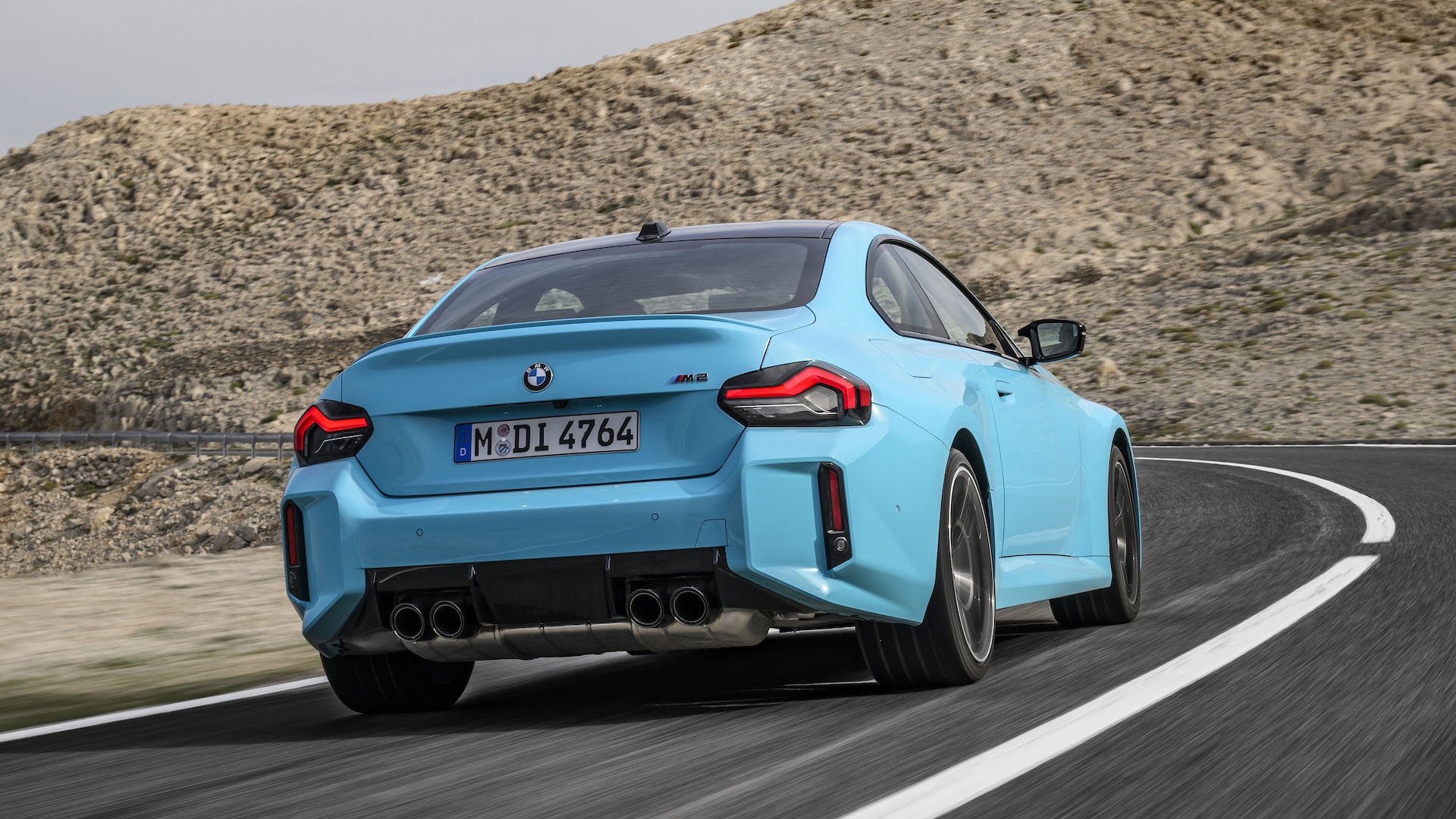
The headline figure is the 0-100km/h sprint. At 3.7 seconds, the AWD M2 is around 0.3 seconds quicker than the rear-wheel-drive version. That may not sound dramatic, but shaving three-tenths from a car already this quick is significant. In the real world, it means cleaner launches, less time spent turning expensive Michelin rubber into smoke, and more importantly, harder acceleration out of corners.
What Is BMW M Ignite Technology?
The all-wheel-drive system may grab the headlines, but an important engineering story sits under the bonnet. The M2 xDrive also debuts BMW M Ignite technology, a new pre-chamber combustion system derived from motorsport and patented by BMW. The technology will gradually roll out across BMW M’s straight-six engines mid-2026 onwards.
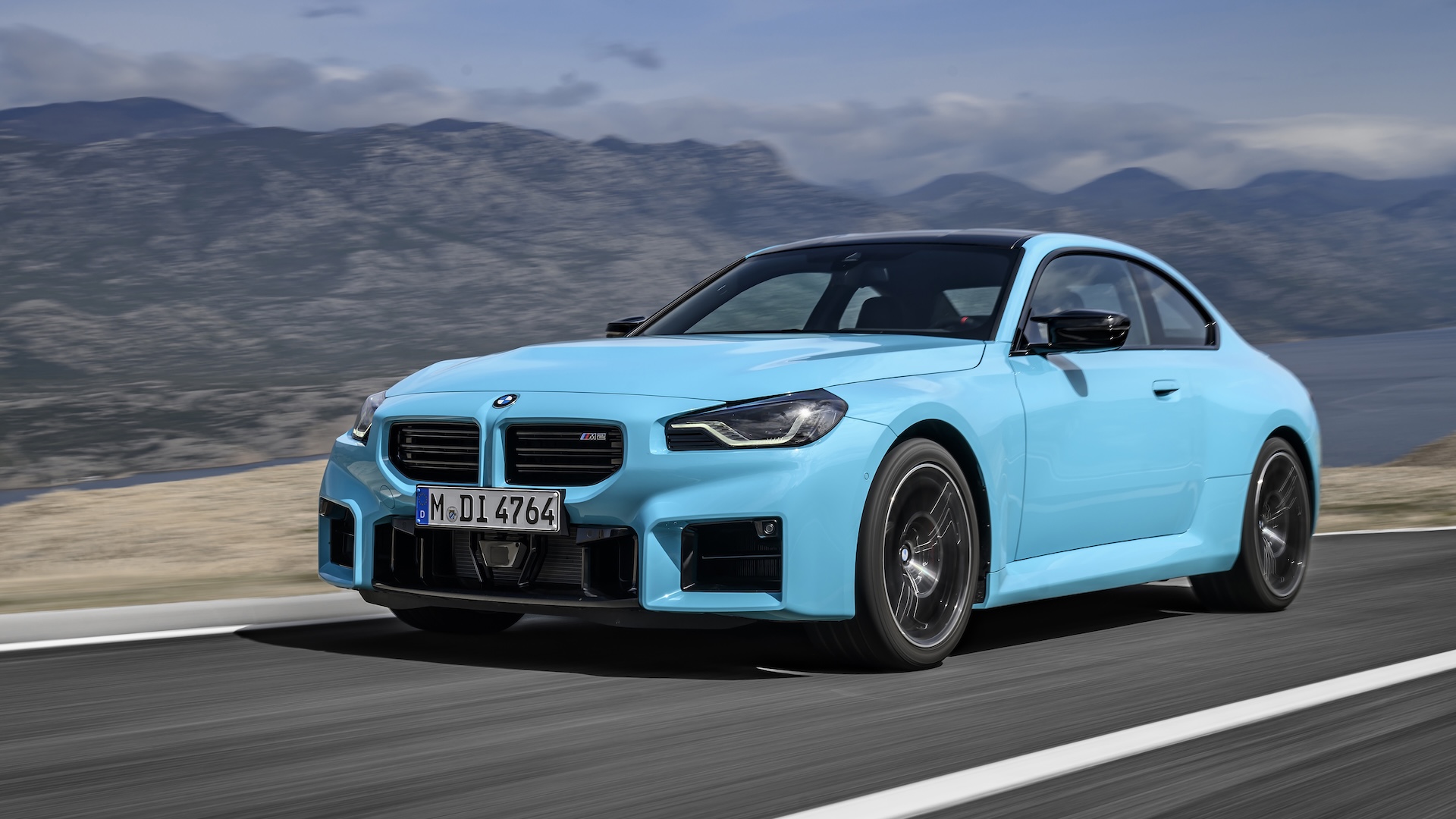
In simple terms, the system improves combustion efficiency under high loads, reducing fuel consumption while maintaining the sharp throttle response and linear power delivery M engines are known for. Lower fuel consumption means more laps from a tankfull, while also helping BMW meet increasingly strict Euro 7 emissions regulations without sacrificing performance.
Also Read:
– Manthey Kit-Equipped Porsche Taycan Turbo GT Sets New Nürburgring Record
– Ferrari Luce EV Revealed: Ferrari’s Electric Revolution Begins
– 2027 Ram 1500 Rumble Bee: 777HP Muscle Truck Brings The HEMI Roar Back
Does The BMW M2 xDrive Still Feel Like A Driver’s Car?
Well, we haven’t driven it yet. But it seems like BMW clearly knew this question would come. The company has equipped the M2 xDrive with the same character seen in the larger M3 and M4 xDrive models. Under normal conditions, the system prioritises the rear axle. Purists can also select a dedicated 2WD mode that sends power exclusively to the rear wheels.
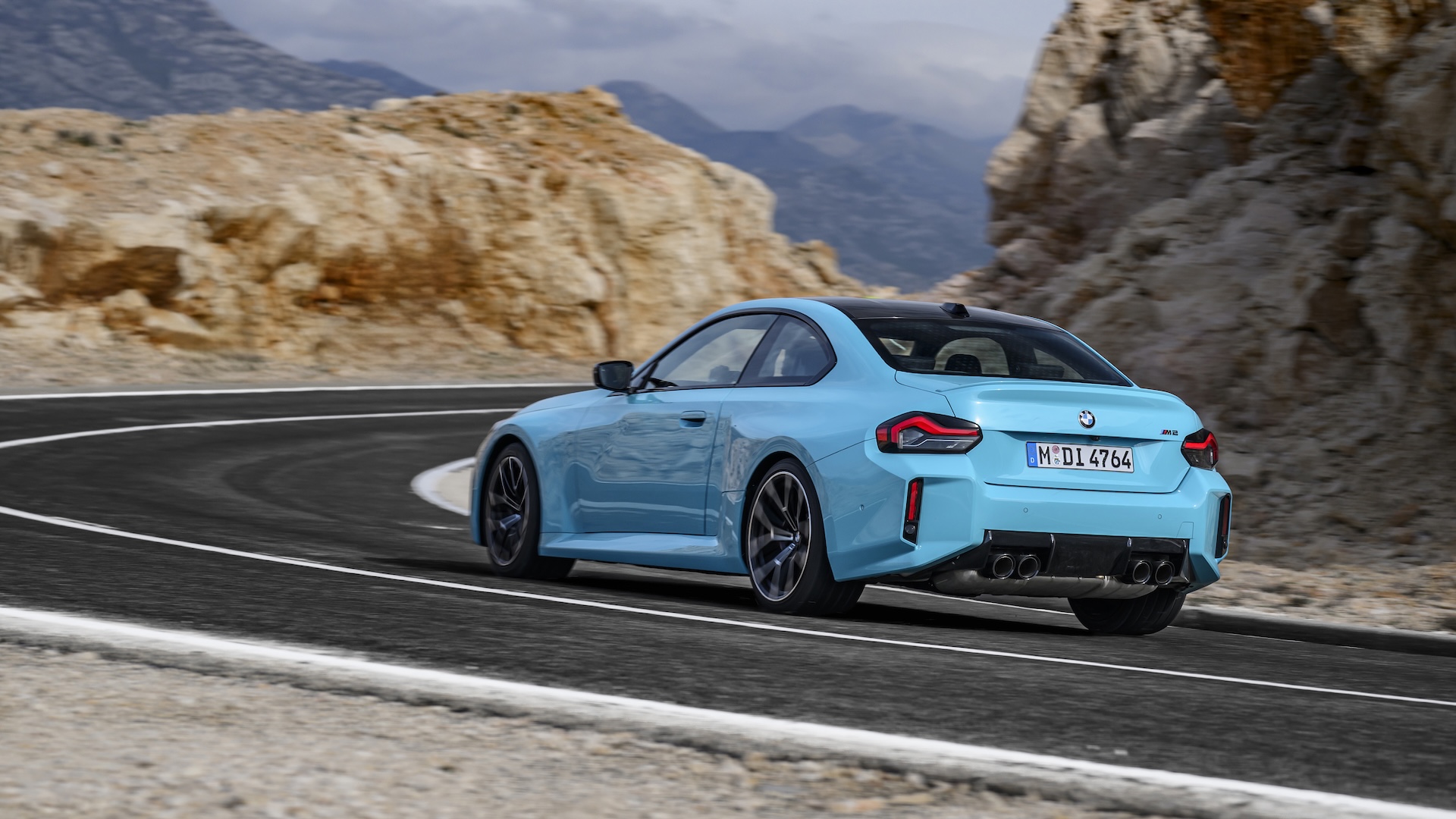
So, you can smoke those rear wheels, but there’s a catch: DSC stability control must be switched off. In other words, BMW has effectively given owners two cars in one. Leave xDrive active and enjoy maximum traction, stability, and speed. Switch to 2WD mode and the M2 returns to behaving much like the rear-drive coupe enthusiasts already know. That flexibility might just prove to be the M2 xDrive’s biggest strength.
Chassis, Brakes, And Track-Focused Hardware
This isn’t a ‘bolt an AWD system onto the existing M2 and call it a day’ job. BMW claims the chassis has been recalibrated to work with M xDrive, while standard equipment includes staggered alloy wheels measuring 19 inches at the front and 20 inches at the rear. Buyers can also specify optional track tyres for maximum grip.
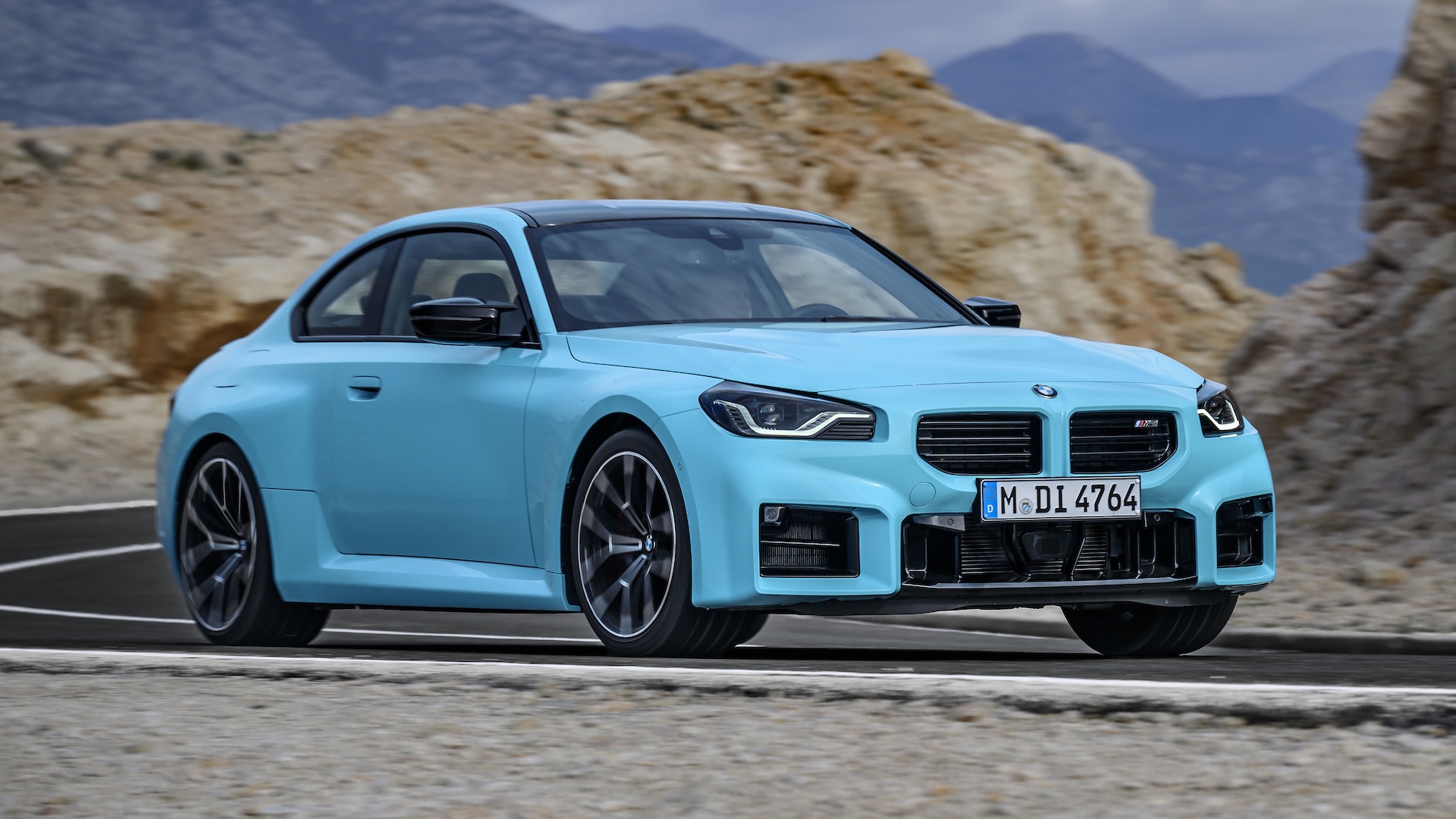
Stopping power comes from M Compound brakes featuring six-piston front calipers and single-piston rear calipers. Combined with the Active M Differential and revised chassis tuning, BMW says the M2 xDrive delivers greater agility, traction, and directional stability than the rear-wheel-drive model.
Is The BMW M2 Losing Its Purist Appeal?
Opinions may be divided here, but the short answer is, no, it isn’t. The M2 earned its reputation by being one of the last relatively compact, rear-driven performance coupes available from a mainstream manufacturer. Adding all-wheel drive inevitably changes that formula.
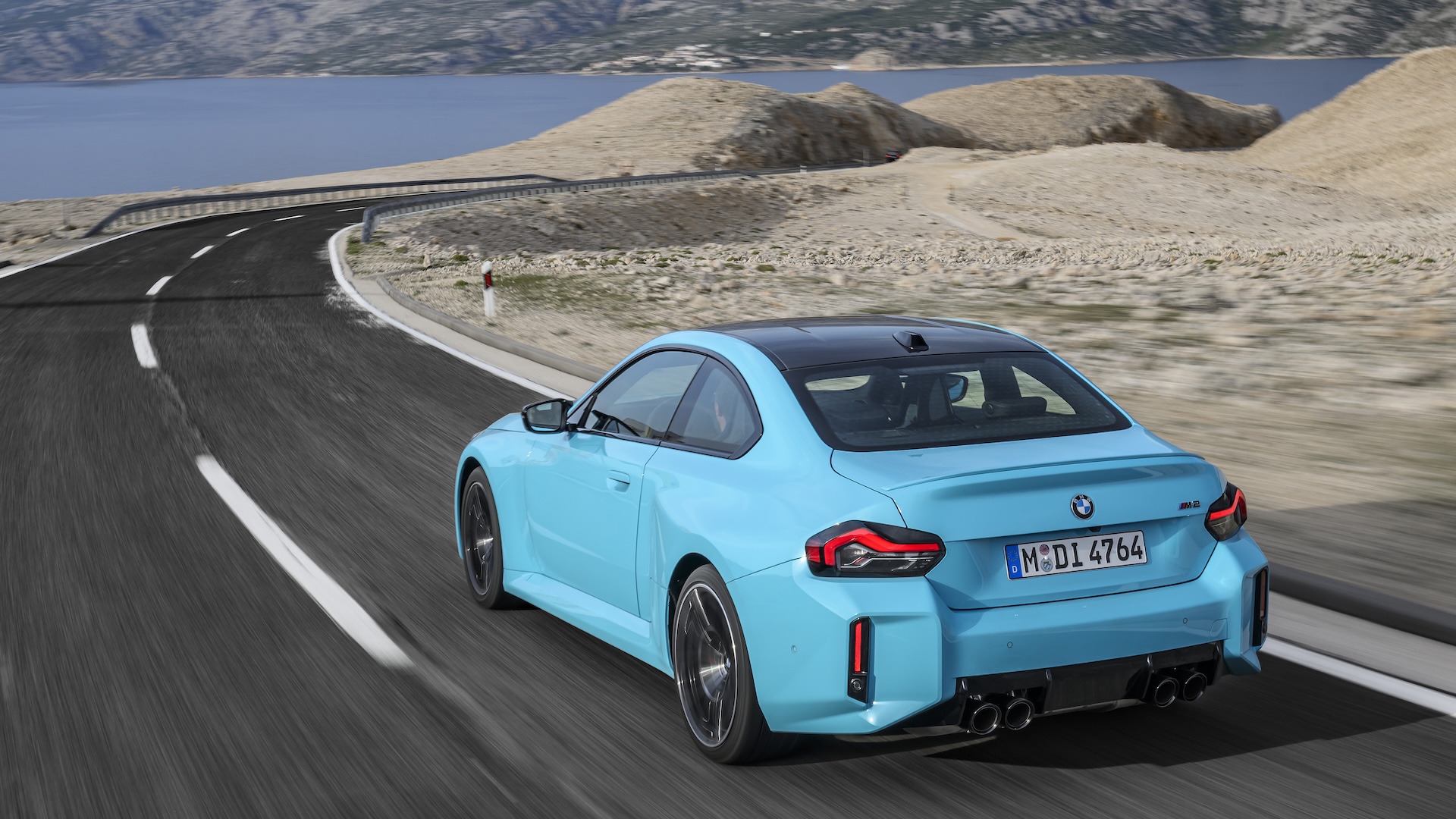
Making this change even more obvious is the fact that the RWD model is one of the last performance cars globally that can be had with a manual gearbox. On the other hand, the new xDrive gets an automatic gearbox only. However, the reality is that the M2 xDrive doesn’t replace the rear-wheel-drive M2.
Purists can still buy the traditional version. Drivers who want maximum performance can choose xDrive. BMW has simply expanded the M2’s repertoire rather than rewriting its identity. And if history is anything to go by, the M3 xDrive proved that adding driven front wheels doesn’t automatically dilute an M car’s personality.