

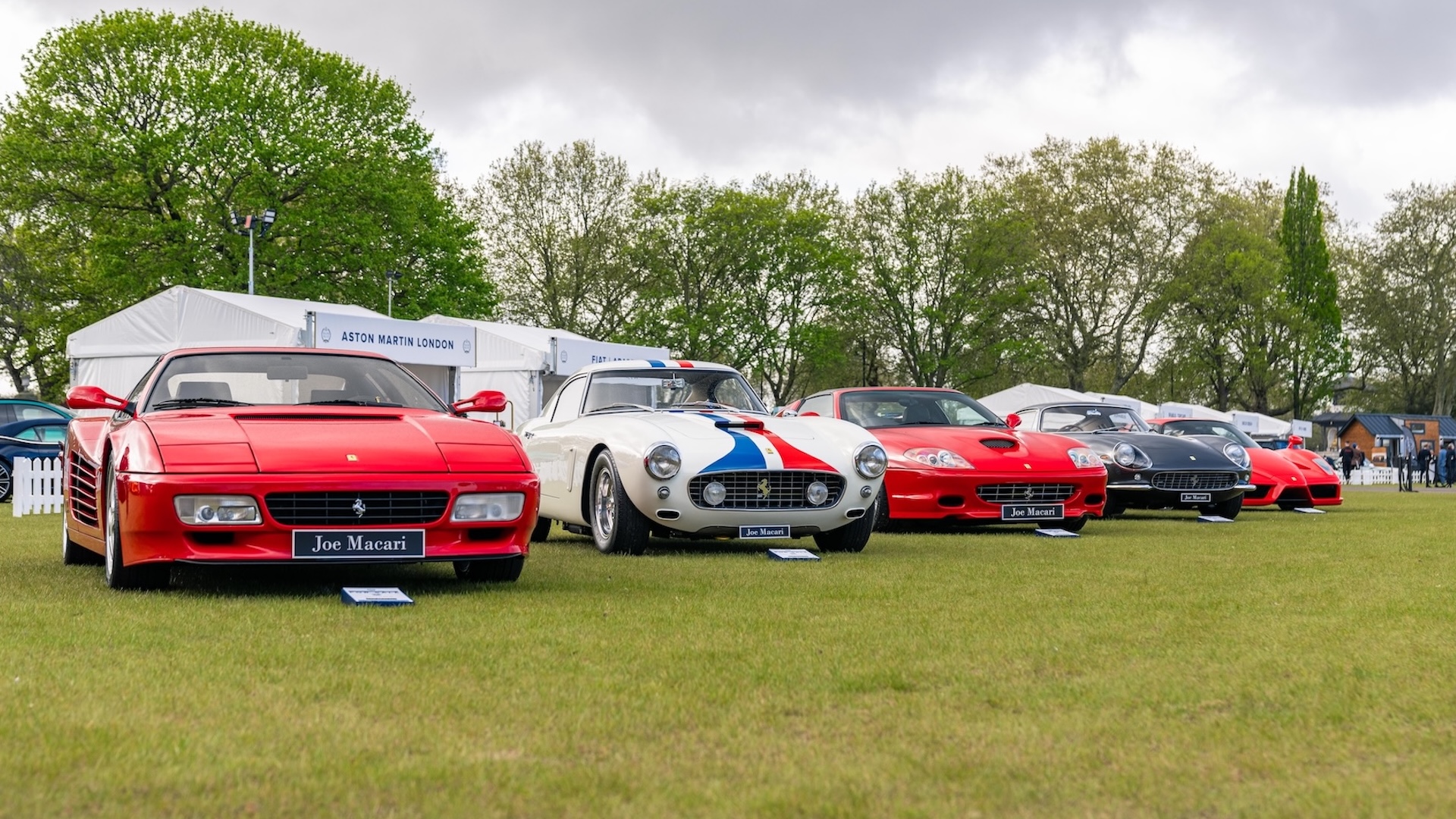
The Salon Privé Concours 2026 will take place on 2 and 3 September 2026 at Blenheim Palace in Oxfordshire. The professionally judged event will bring together 13 classes covering everything from pre-war luxury cars and historic racers to coachbuilt Italian classics, legendary supercars and modern hypercars.
This year’s selection is particularly interesting because the cars don’t simply represent different eras. They showcase how the definition of an automotive icon has changed over almost a century.
How Many Concours Classes Will Feature This Year?
The 2026 Salon Privé Concours will feature 13 classes, each focused on a particular period, marque, design movement or category. The field ranges from the 1933 Armstrong-Siddeley Special Six to the modern Bugatti Bolide, creating an unusually broad cross-section of automotive history.
Which Cars Are The Ones To Watch At Salon Privé?
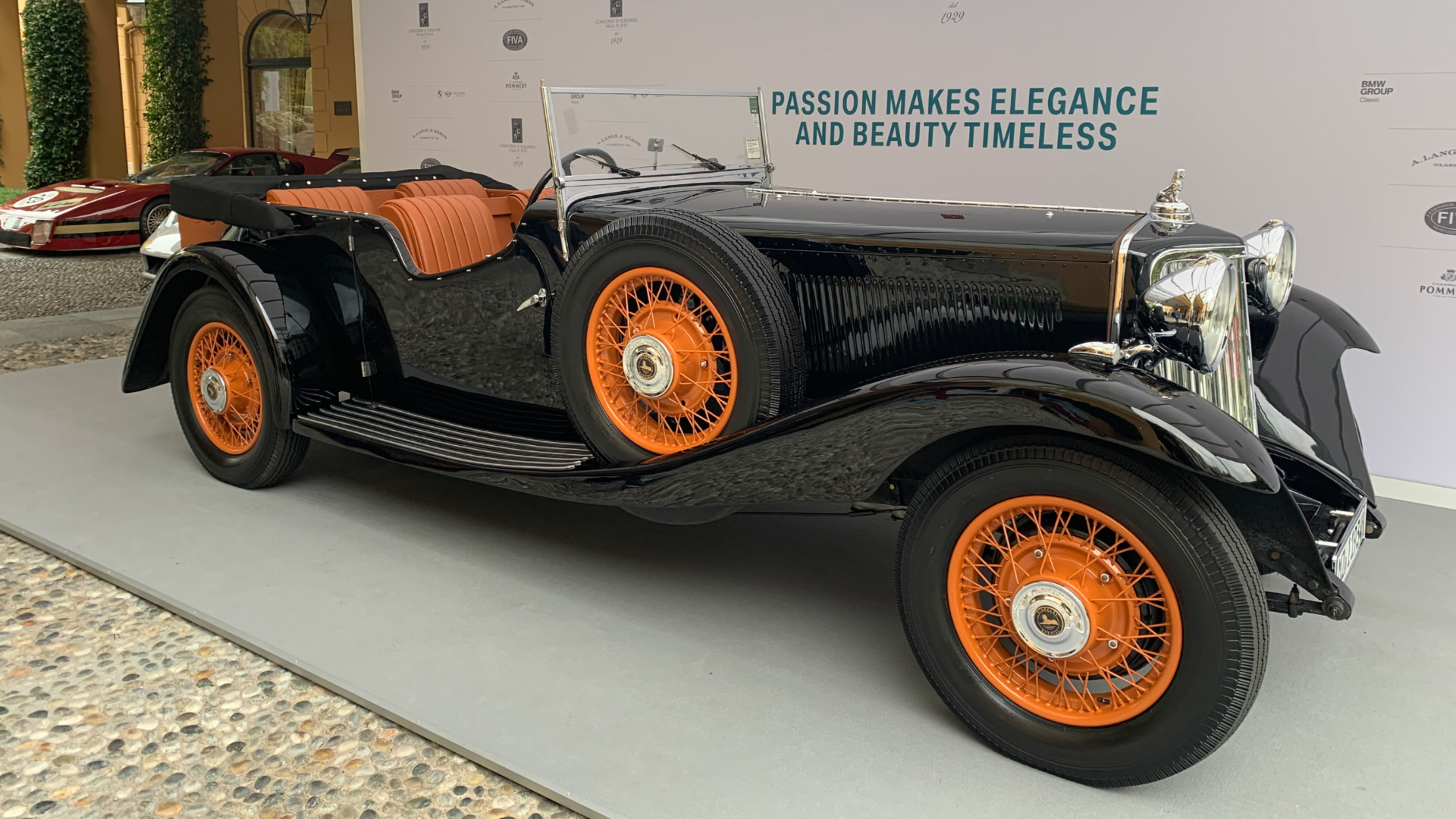
1933 Armstrong-Siddeley Special Six
The Siddeley Special was anything but an ordinary pre-war luxury car. It used a 4,960cc six-cylinder engine made from lightweight Hiduminium alloy, an aluminium material developed for demanding aerospace applications. The engine produced around 145 bhp at just 2,700 rpm, while only 253 Siddeley Specials were built between 1933 and 1937.
Maserati 8C 3000
The 8C 3000 is arguably the biggest rarity in the field. Maserati built only two complete examples of the Grand Prix car, plus two additional engines. Its supercharged 2,991cc straight-eight produced around 220 bhp at 5,500 rpm, while the car could reach approximately 230 km/h. One example won the 1933 French Grand Prix, while another was driven by Bentley Boy Sir Henry Birkin to third at the 1933 Tripoli Grand Prix.
Arnolt Bristol Deluxe
The Arnolt Bristol is a rare mixture of British mechanical engineering and Italian coachbuilding. Bristol supplied its 2.0-litre straight-six, producing around 130 hp, while Bertone designed the body. Only 142 Arnolt-Bristols were built between 1954 and 1959, making this Deluxe a particularly unusual example of post-war international automotive collaboration.
Alfa Romeo Sprint Berlinetta
The Alfa Romeo Sprint Berlinetta at Salon Privé highlights the relationship between Alfa Romeo and Carrozzeria Touring. Touring’s famous Superleggera construction used a lightweight framework covered by thin aluminium panels, reducing mass without sacrificing structural rigidity. The approach became a defining part of Italian sports-car design and helped establish Touring’s reputation worldwide.
Maserati 3500GT Spyder Prototipo by Vignale
The 3500GT Spyder Prototipo is special because it represents the development stage of Maserati’s first series-production GT. Vignale produced several pre-production open-top prototypes before the final Spyder design was established. The production Vignale Spyder eventually used a 3.5-litre twin-cam straight-six, with the fuel-injected 3500GTI Spyder producing 235 hp and reaching 220 km/h.
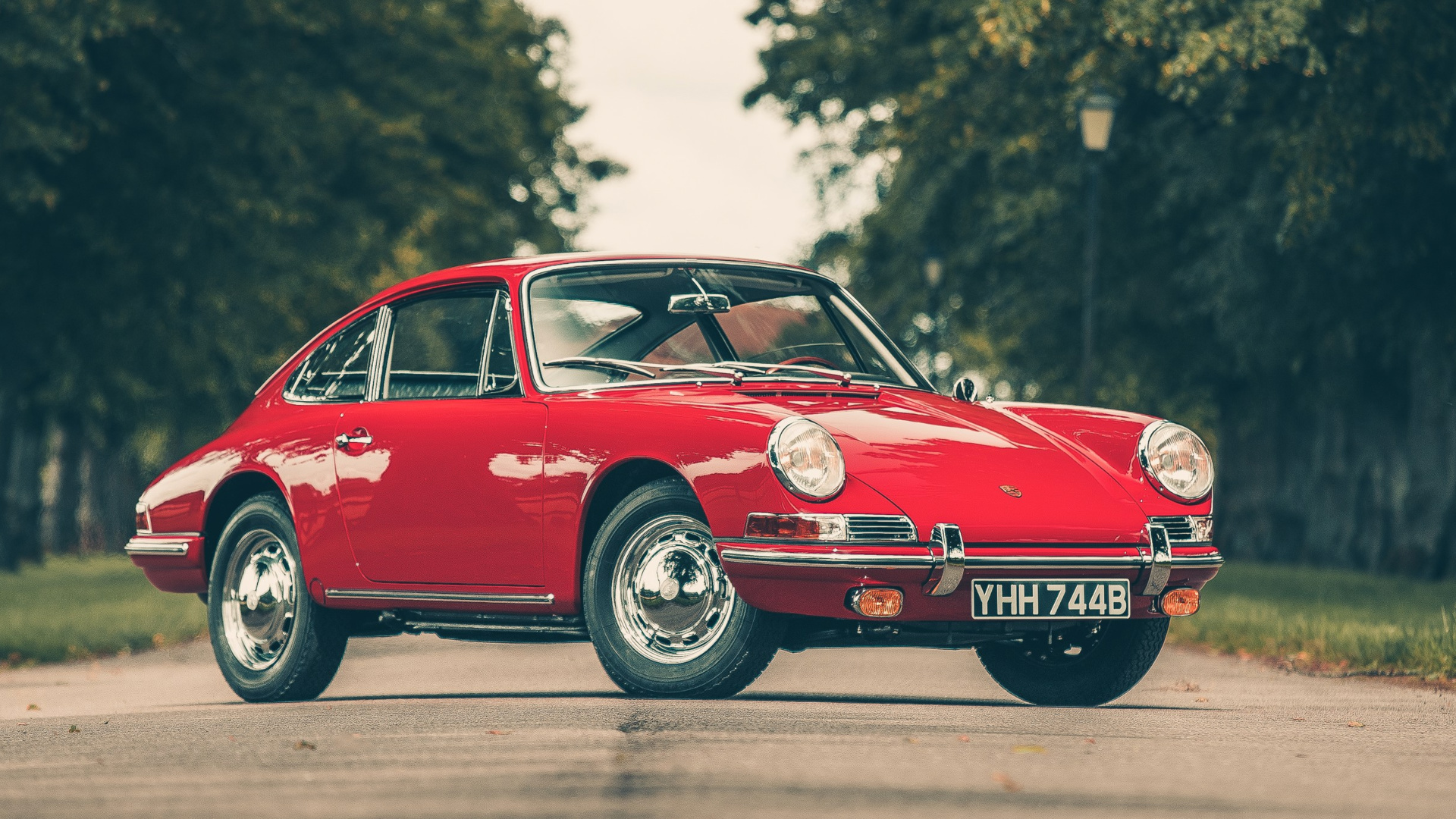
Porsche 901
The Porsche 901 is effectively the earliest version of the car that became the 911. Porsche introduced it at the 1963 Frankfurt Motor Show, but a trademark objection from Peugeot forced the name change. Only 82 cars were produced under the 901 designation before Porsche adopted the 911 name. The original car used a 1,991cc rear-mounted flat-six producing 130 bhp.
That makes the 901 considerably more than an early 911. It is a snapshot of the brief period before Porsche’s most famous model had even acquired the name by which the world would know it.
Ferrari 166MM by Touring
The 166MM helped establish Ferrari as a serious international racing manufacturer. Its 1,995cc V12 produced 140 hp at 6,600 rpm, while Touring’s lightweight Barchetta body became one of the most recognisable early Ferrari designs. Just 25 Touring Barchettas were produced. More importantly, a 166MM delivered Ferrari’s first overall victory at Le Mans in 1949, with Luigi Chinetti and Lord Selsdon covering the distance.
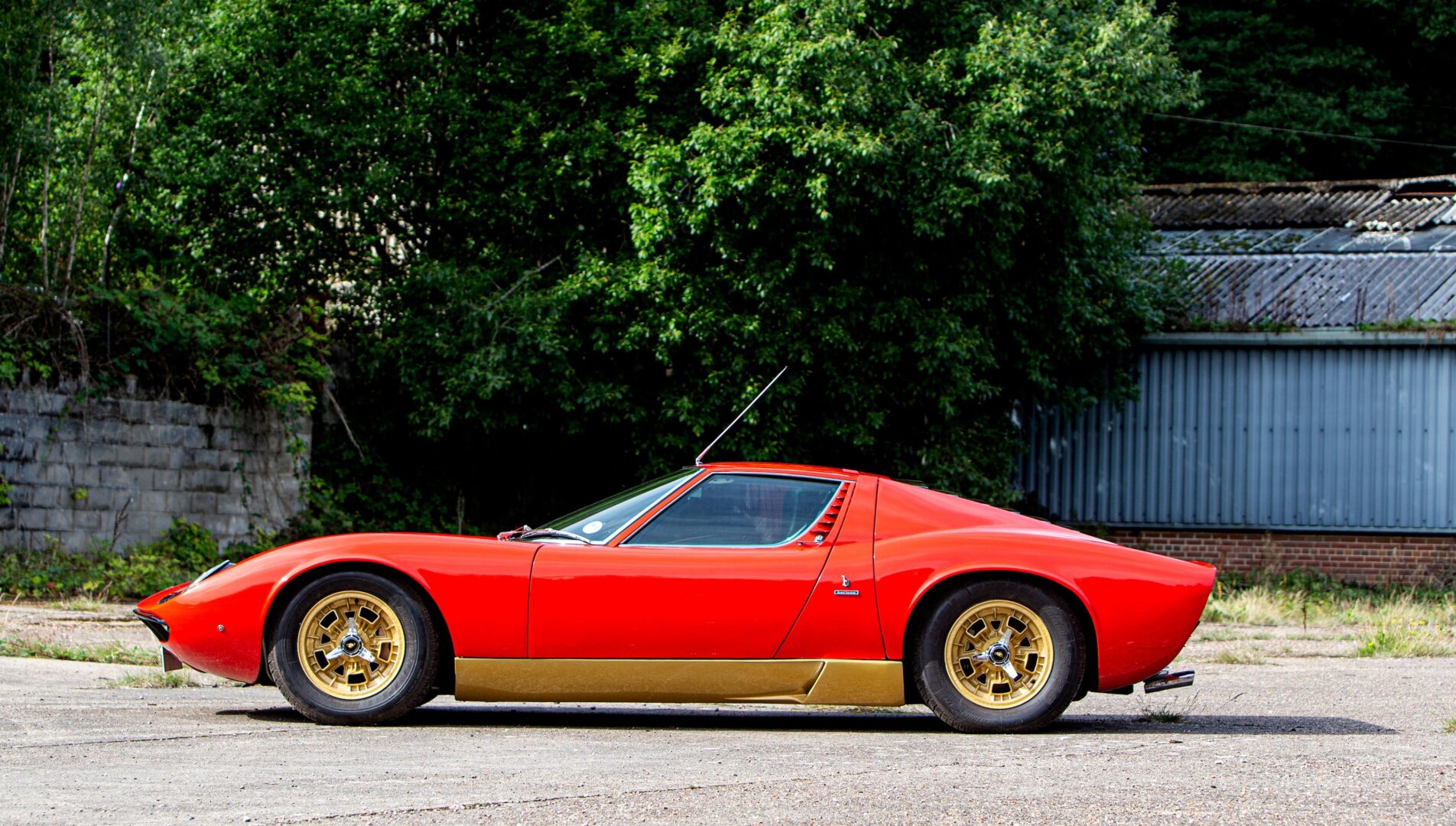
Lamborghini Miura P400S
The Miura fundamentally changed the architecture of the high-performance road car. Its 3.9-litre V12 was mounted transversely behind the cabin, producing 370 hp at 7,500 rpm in P400S specification. Lamborghini quotes a 0–100 km/h time of approximately 6.4 seconds and a top speed of around 280 km/h. Those figures are only part of the story. The Miura’s mid-engine layout and Marcello Gandini’s Bertone body effectively established the visual and mechanical template that many later supercars would follow.
Ferrari 328 GTS
The 328 GTS was Ferrari’s final evolution of its naturally aspirated, transverse V8 two-seat sports-car family before the arrival of the 348. Its 3,185.76cc V8 produced 270 hp at 7,000 rpm and gave the car a claimed top speed of 263 km/h. Ferrari produced 6,068 GTS examples between 1985 and 1989, making it substantially rarer than a modern mass-produced sports car but more accessible than Ferrari’s ultra-low-volume classics.
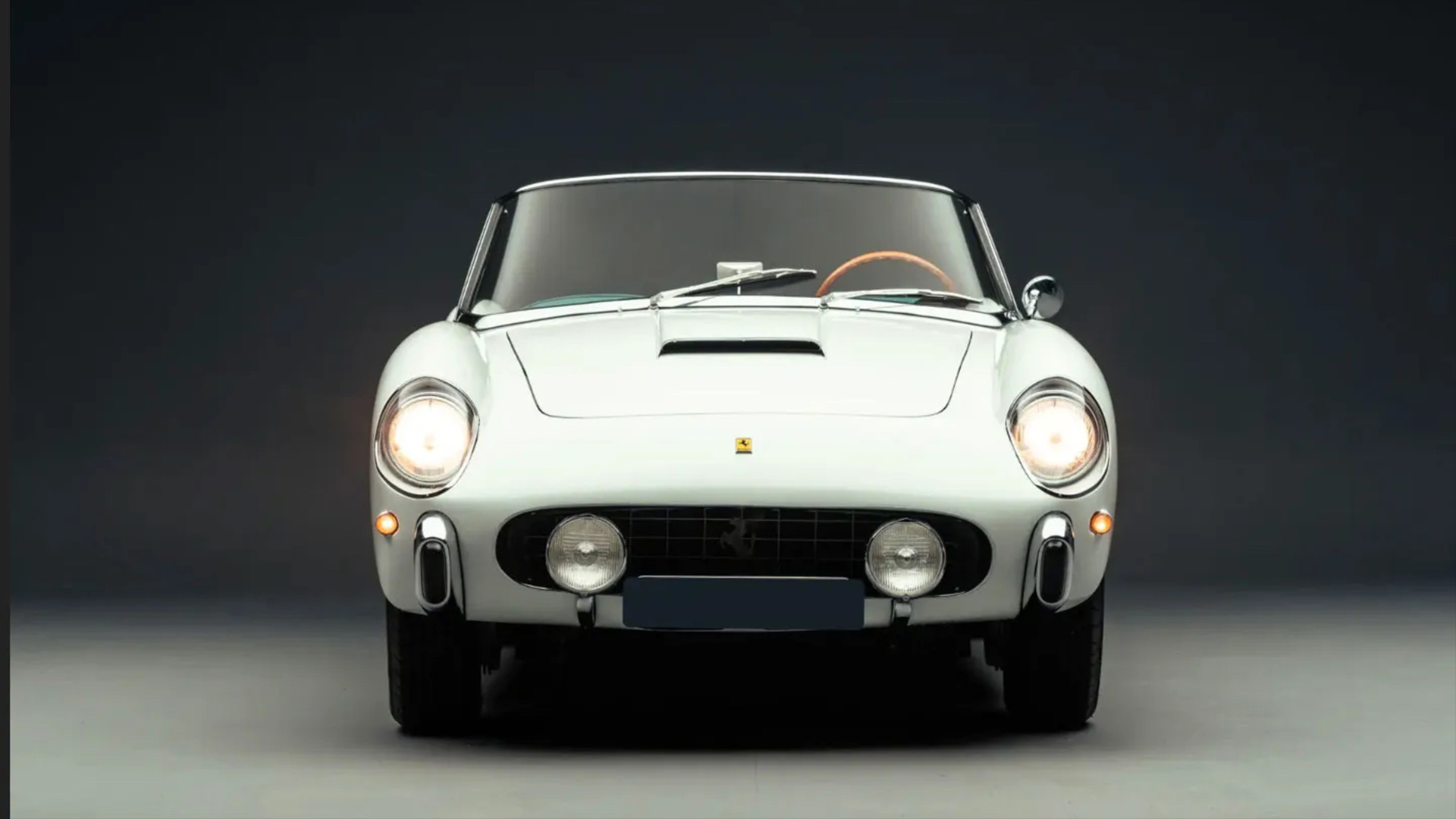
Ferrari 250 GT Series 1 Cabriolet
Ferrari built the Series 1 250 GT Cabriolet in very small numbers before introducing the later Series II car. Ferrari produced approximately 40 examples, including four prototypes. Its 2,953cc Colombo V12 developed 240 bhp at 7,000 rpm, with a quoted top speed of 252 km/h. The combination of a V12, open-top bodywork and Pinin Farina design makes it one of the clearest expressions of Ferrari’s grand-touring philosophy during the late 1950s.
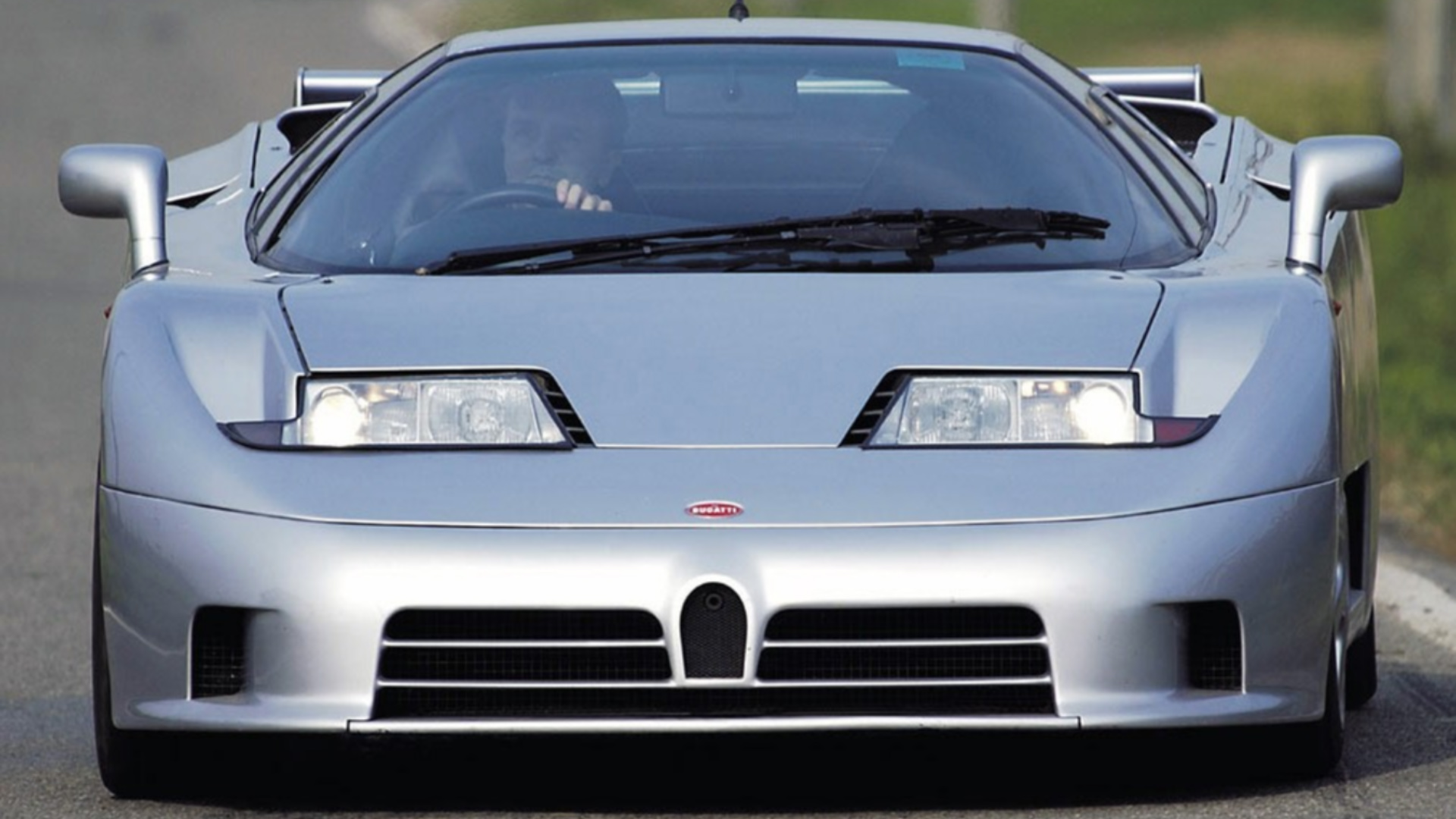
Bugatti EB110 Prototype
The EB110 was technologically extreme even by 1990s standards. Its 3.5-litre V12 used four turbochargers, five valves per cylinder and permanent four-wheel drive, while its carbon-fibre monocoque weighed just 125 kg. Depending on specification, the engine produced between 560hp and 610hp.
The EB110 could reach 100 km/h in as little as 3.3 seconds and 351 km/h at the top end. Bugatti’s modern revival ultimately produced only around 128 EB110s, including GT and Super Sport versions, before the Campogalliano operation closed in 1995.
Aston Martin Valiant Prototype
The Valiant is a modern example of how far bespoke performance cars have moved from conventional grand tourers. Its 5.2-litre twin-turbo V12 produces 745 PS and is paired with a six-speed manual gearbox. Production is limited to just 38 cars globally, all of which were allocated.
The project itself originated from a personal commission by Fernando Alonso for a more extreme, lightweight version of the Valour. That makes the prototype particularly relevant at a Concours increasingly willing to recognise modern cars as future collector pieces.
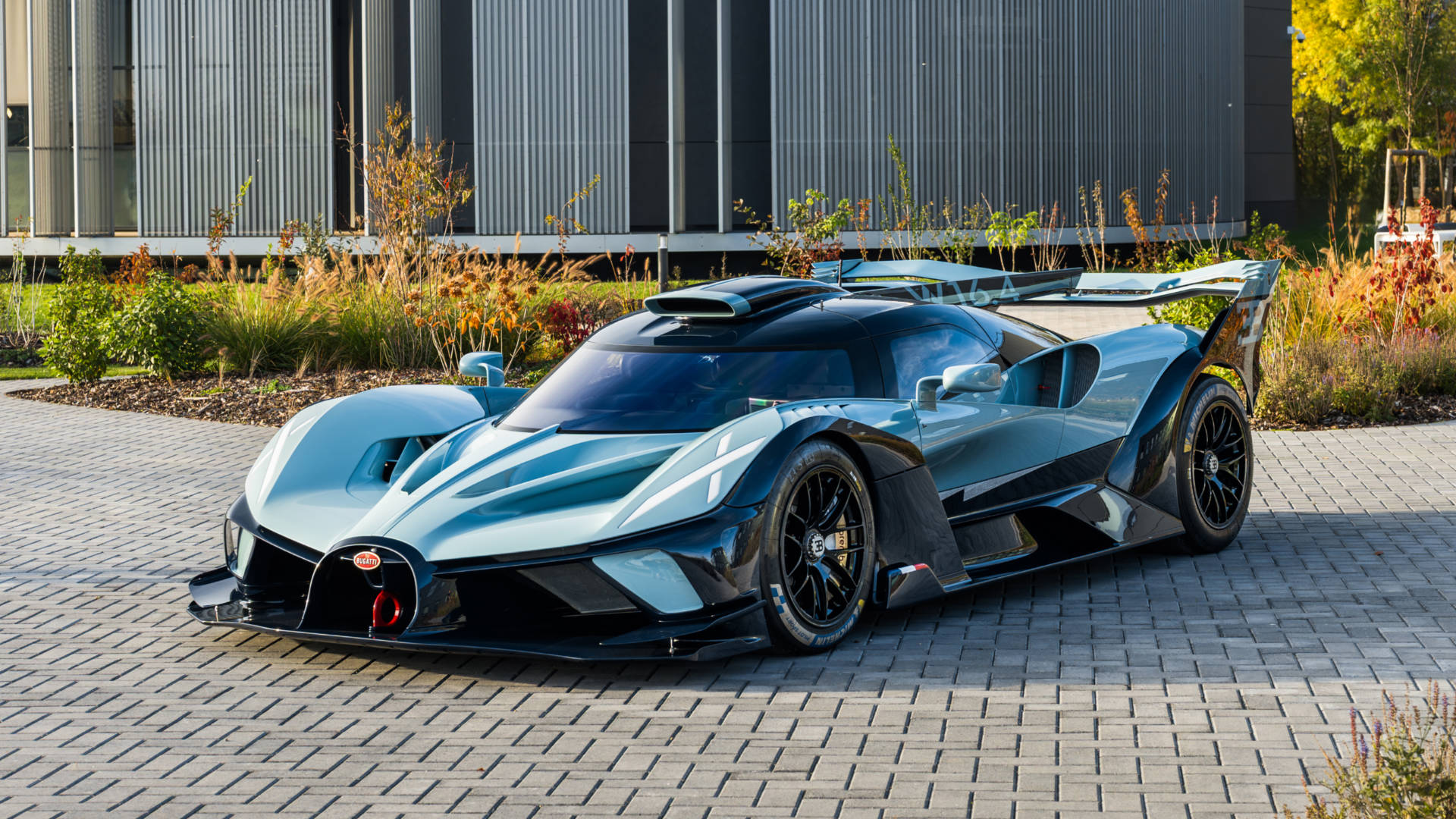
Bugatti Bolide
The Bolide is the most extreme car in this year’s selection on paper. Its 8.0-litre quad-turbo W16 produces 1,600 PS, while the car has a dry weight of just 1,450 kg. Bugatti has limited production to only 40 examples, all created as track-focused machines rather than conventional road cars.
That gives the Bolide a power-to-weight ratio of roughly 1,103 PS per tonne. It illustrates how far performance-car engineering has progressed from the 220-bhp Maserati 8C 3000 displayed alongside it.
Are Modern Hypercars Now Becoming Concours Cars?
Yes. The 2026 Salon Privé field makes that transition particularly obvious. A 1932 Maserati 8C 3000 with only two factory-built examples sits in the same Concours as a 1,600-PS Bugatti Bolide limited to 40 cars.
The difference is not simply age. Modern hypercars such as the Valiant and Bolide are being produced in numbers small enough to create immediate collector significance, while their engineering represents some of the most advanced thinking in the automotive industry.
The 13 cars therefore form an unusually useful timeline. The Armstrong-Siddeley demonstrates pre-war luxury engineering, the Maserati 8C 3000 represents early Grand Prix competition, the Ferrari 166MM establishes Ferrari’s racing credentials, the Miura changes the supercar formula, the EB110 showcases 1990s technological ambition, and the Bolide pushes modern track performance to another level.