

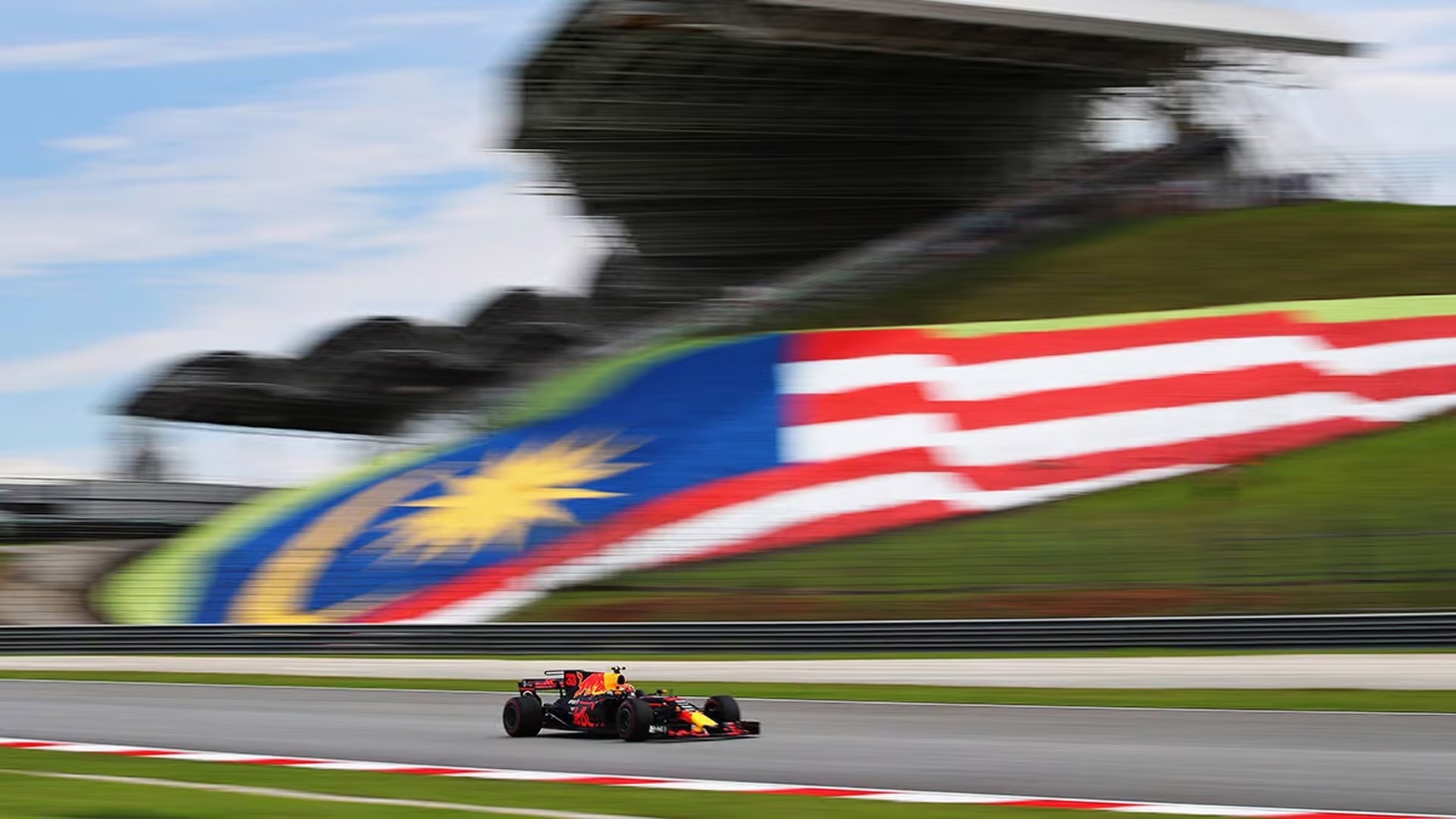
Nine years after Max Verstappen won the final Malaysian Grand Prix, the championship has returned to one of its most distinctive modern circuits under very different circumstances. Bahrain’s originally scheduled April race did not take place amid the situation in the Middle East, with Malaysia later stepping in to host the event from 2–4 October.
The race is therefore officially titled the Formula 1 Gulf Air Bahrain Grand Prix in Malaysia rather than the Malaysian Grand Prix.
It makes Sepang’s return both familiar and unprecedented. The circuit is the same one that helped shape a generation of Formula 1 venues, but the Grand Prix taking place there carries a different national identity.
Ahead of the 2026 race, here are 10 facts that define Sepang’s Formula 1 history.
1. Sepang Has Been Away From Formula 1 Since 2017
Malaysia hosted 19 Formula 1 Grands Prix between 1999 and 2017 before disappearing from the calendar.
The Malaysian government concluded that the financial cost of staging the event could no longer be justified against declining returns, bringing an 18-year run to an end.
Sepang itself never became dormant. The venue continued hosting major international motorsport, particularly MotoGP, but Formula 1 did not return for nine years. That absence ends in 2026.
2. Sepang Helped Define a New Generation of Formula 1 Circuits
Sepang occupies an important place in modern circuit design.
It was Hermann Tilke’s first Formula 1 venue designed entirely from scratch and became an early reference point for many of the purpose-built circuits that followed.
Construction began in 1997 before the circuit opened in 1999.
Its architecture was ambitious for its time, but the track itself was equally important. Long straights, heavy braking zones, broad corner entries and fast changes of direction produced a layout capable of challenging both car and driver.
Elements of that design philosophy would later become familiar across a new generation of Formula 1 venues. Sepang was there first.
3. Its First Formula 1 Race Was Decided Twice
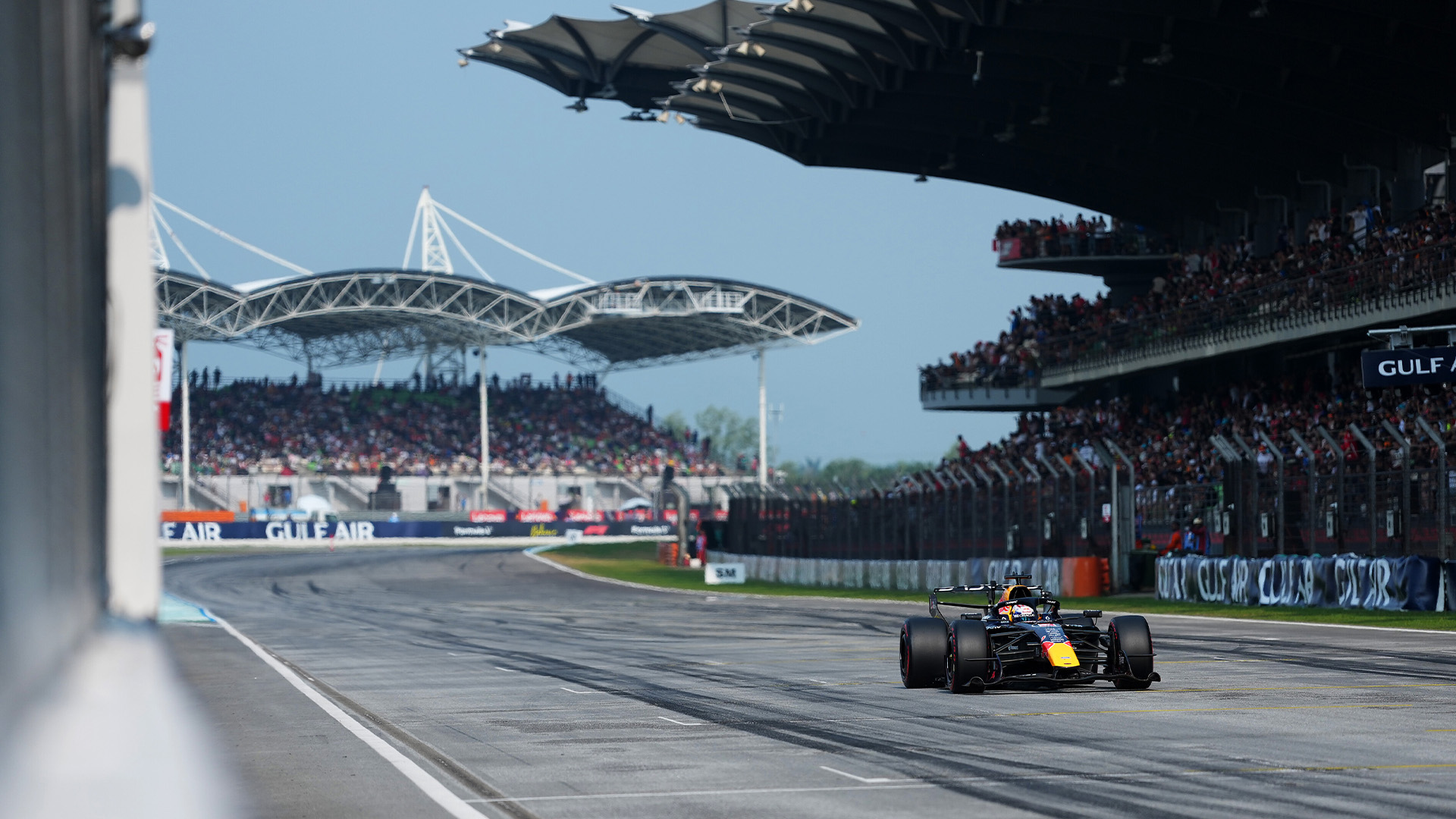
Sepang’s Formula 1 history began with controversy in 1999.
Eddie Irvine crossed the line first for Ferrari ahead of teammate Michael Schumacher, but both cars were subsequently disqualified because of an issue surrounding their bargeboards.
That decision initially removed Irvine’s victory and threatened to transform the championship battle heading into the season finale at Suzuka.
Ferrari appealed. The cars were reinstated, returning Irvine to first place and preserving his title challenge.
Sepang therefore needed only one Grand Prix to establish a reputation for unpredictability.
4. The 2009 Malaysian GP Was Stopped by Torrential Rain
Extreme weather has always been part of the Sepang equation.
Malaysia’s heat and humidity could already make the race physically demanding, but tropical storms introduced an entirely different variable.
The 2009 Grand Prix produced the most dramatic example.
Torrential rain made conditions increasingly undriveable, forcing officials to stop the race after 31 of the scheduled 56 laps. It was never restarted.
Jenson Button was declared the winner for Brawn GP, while half points were awarded because the race had not reached the required distance for full points.
It remains one of the clearest examples of how quickly Sepang’s weather can overwhelm even Formula 1 machinery.
5. Ferrari Is Sepang’s Most Successful Constructor
Ferrari built the strongest team record during Sepang’s original Formula 1 era.
The Scuderia won seven Malaysian Grands Prix across the circuit’s first 19 races.
That run began with Irvine’s dramatic 1999 victory and extended into several different competitive eras.
Ferrari’s most recent Sepang win came in 2015, when Sebastian Vettel defeated Mercedes to claim his first victory for the team.
No other constructor matched Ferrari’s total before the Malaysian Grand Prix disappeared from the calendar.
6. Sebastian Vettel Has More Sepang Wins Than Any Other Driver
Vettel is also the circuit’s most successful driver.
He won at Sepang four times, taking victories for Red Bull in 2010, 2011 and 2013 before adding another with Ferrari in 2015.
That fourth win carried particular significance.
It came only two races into Vettel’s Ferrari career and delivered his first Grand Prix victory for the Scuderia after leaving Red Bull.
Across two different teams and two different phases of his career, Sepang repeatedly proved to be one of Vettel’s strongest venues.
7. Vettel Still Holds the Official Race Lap Record
Vettel’s name remains attached to another Sepang benchmark.
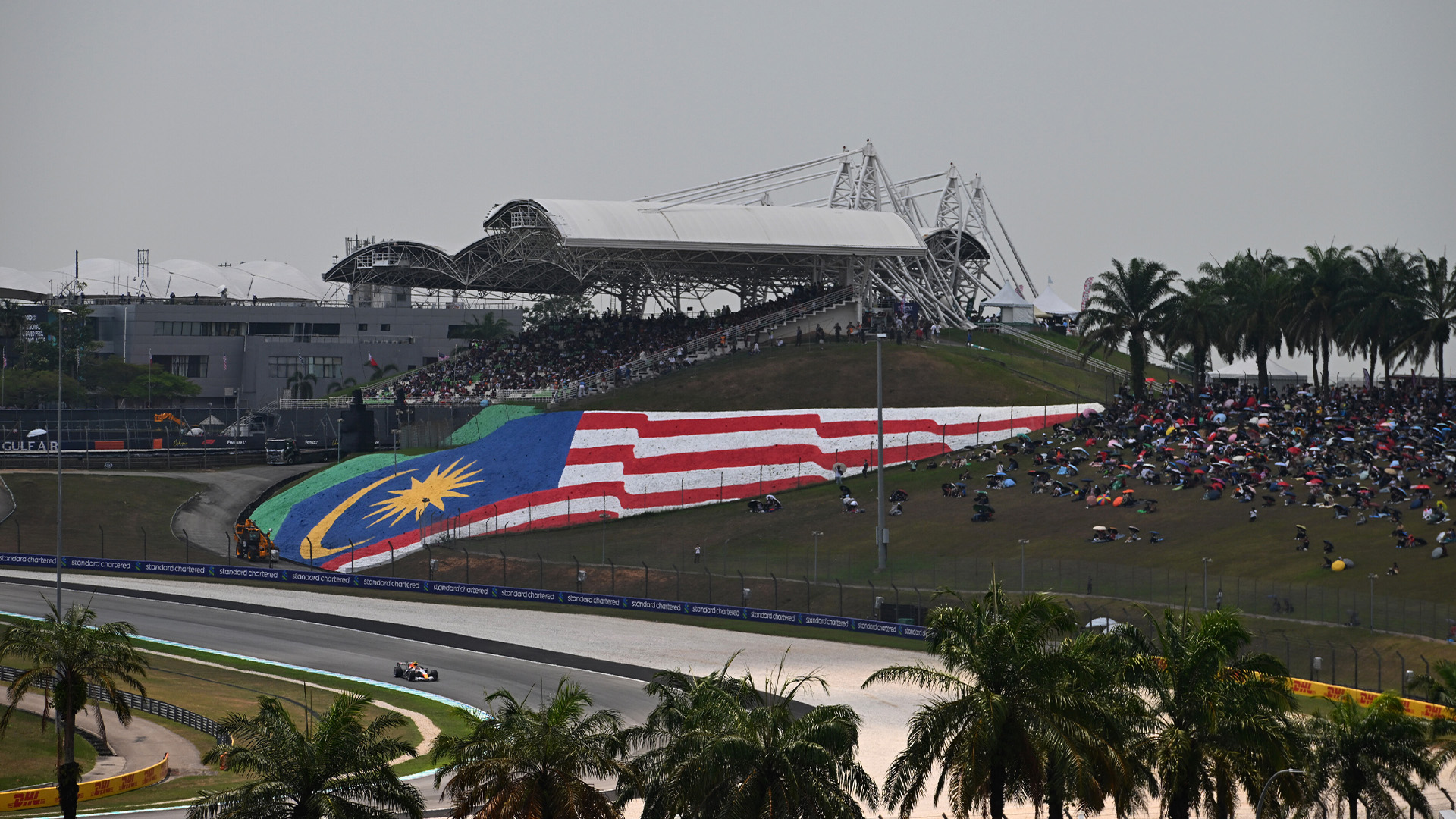
The official Formula 1 race lap record around the 5.543km circuit is 1m34.080s, set by the German while driving for Ferrari during the 2017 Malaysian Grand Prix.
Because Formula 1 did not return after that season, the record remained untouched for nine years.
The 2026 weekend finally gives the current generation of cars an opportunity to challenge it.
8. Alex Yoong Is Still the Only Malaysian to Start His Home Grand Prix
Despite Malaysia hosting Formula 1 for nearly two decades, only one Malaysian driver ever started the country’s home Grand Prix.
Alex Yoong competed for Minardi at Sepang in 2002.
He qualified 22nd and climbed as high as 14th during the race before retiring with a gearbox problem.
Fairuz Fauzy later appeared during Formula 1 practice sessions for Lotus, but never started a Grand Prix.
Yoong therefore remains the only Malaysian driver to have raced in the Malaysian Grand Prix itself.
9. Max Verstappen Won Formula 1’s Previous Race at Sepang
The last Malaysian Grand Prix took place on 1 October 2017.
Verstappen won for Red Bull, finishing ahead of Lewis Hamilton and Daniel Ricciardo to claim what was then the second Grand Prix victory of his Formula 1 career.
That made him the final winner of the Malaysian Grand Prix before Sepang disappeared from the championship.
Nine years later, the circuit has returned and Verstappen has immediately placed himself back at the front.
He took pole position for the 2026 Bahrain Grand Prix in Malaysia, adding another chapter to a Sepang record that began with victory on Formula 1’s previous visit.
10. Sepang Is Hosting the Bahrain Grand Prix, Not the Malaysian Grand Prix
The name of the event is perhaps the most unusual detail of all.
Formula 1 has returned to Malaysia, but the Malaysian Grand Prix itself has not returned.
The 2026 event retains the Bahrain Grand Prix identity after the originally scheduled race could not take place in April and was subsequently relocated to Sepang.
Its official title is therefore the Formula 1 Gulf Air Bahrain Grand Prix in Malaysia.
The distinction creates an unusual collision between two pieces of Formula 1 history.
Bahrain’s Grand Prix identity remains on the championship calendar, while Sepang provides the circuit, climate and competitive character normally associated with Malaysia’s own race.
The venue has spent nine years away from Formula 1, but little about its underlying challenge has changed.
Sepang still combines long straights with fast, loaded corners. The heat remains punishing. Tropical rain can still transform a race within minutes. Its width encourages drivers to search for different lines, while the mixture of braking, traction and sustained cornering asks far more of a car than simple straight-line speed.
Only the name above the weekend has changed.
In 2026, Formula 1 returns to Sepang with the Bahrain Grand Prix. The circuit’s character, however, remains unmistakably Malaysian.