

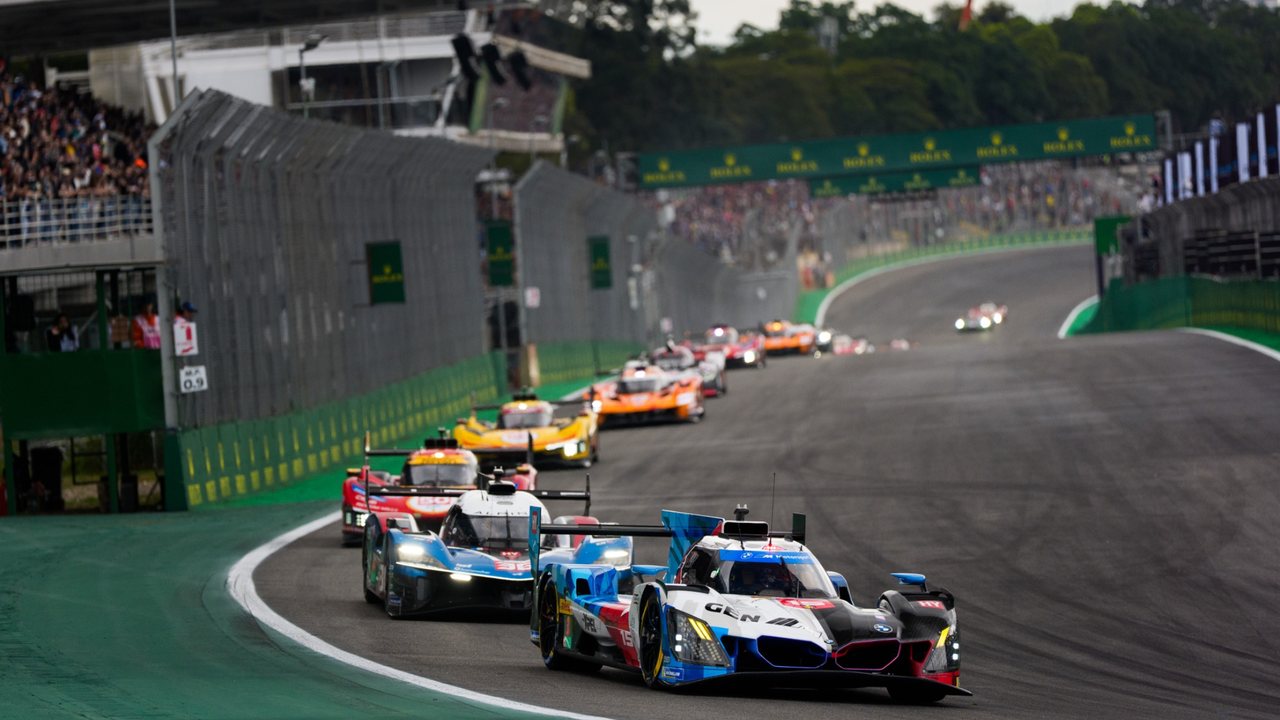
The FIA and Automobile Club de l’Ouest have agreed a 10-year extension of their partnership for the FIA World Endurance Championship, taking their collaboration through to 2037 and providing long-term stability for one of international motorsport’s fastest-growing championships.
The agreement reinforces the structure that has underpinned the WEC since its creation in 2012, at a time when the championship is enjoying significant manufacturer involvement, rising spectator numbers and further expansion of its Hypercar field.
Eight major automotive manufacturers currently compete in the top category, while Ford and McLaren are set to join the Hypercar ranks in 2027, adding further depth to a grid that has become one of endurance racing’s strongest in recent years.
For the FIA and ACO, the extension is designed to preserve that momentum well into the next decade.
FIA president Mohammed Ben Sulayem described the agreement as central to the championship’s long-term future.
“This is not simply an agreement, it is a vital step forward for racing that will secure the future of the FIA World Endurance Championship for years to come. This is a deal built for the future.”
WEC Growth Gives the Deal Added Weight
The timing of the agreement reflects how dramatically the FIA WEC has developed since its launch in 2012.
The championship now attracts millions of followers globally, while increased manufacturer participation has strengthened both its sporting and commercial position.
The growth is also visible trackside.
According to figures presented alongside the announcement, 44% of WEC attendees in 2026 are aged 34 or younger, while 40% are visiting an FIA WEC event for the first time.
Those numbers suggest the championship is reaching beyond its established endurance-racing audience and drawing in a younger generation of fans at a point when the Hypercar regulations have restored major manufacturer interest at the front of the field.
The commitment through 2037 gives the FIA and ACO a significantly longer planning horizon for regulations, calendar development and commercial growth.
ACO president Pierre Fillon highlighted the continuity behind the agreement.
“We are delighted to see the agreement between the FIA and the ACO extended, reinforcing the strong and long-standing relationship that has been at the heart of the FIA World Endurance Championship since its creation in 2012.”
That continuity is particularly significant for a championship whose recent growth has been closely linked to long-term technical regulations and manufacturer confidence.
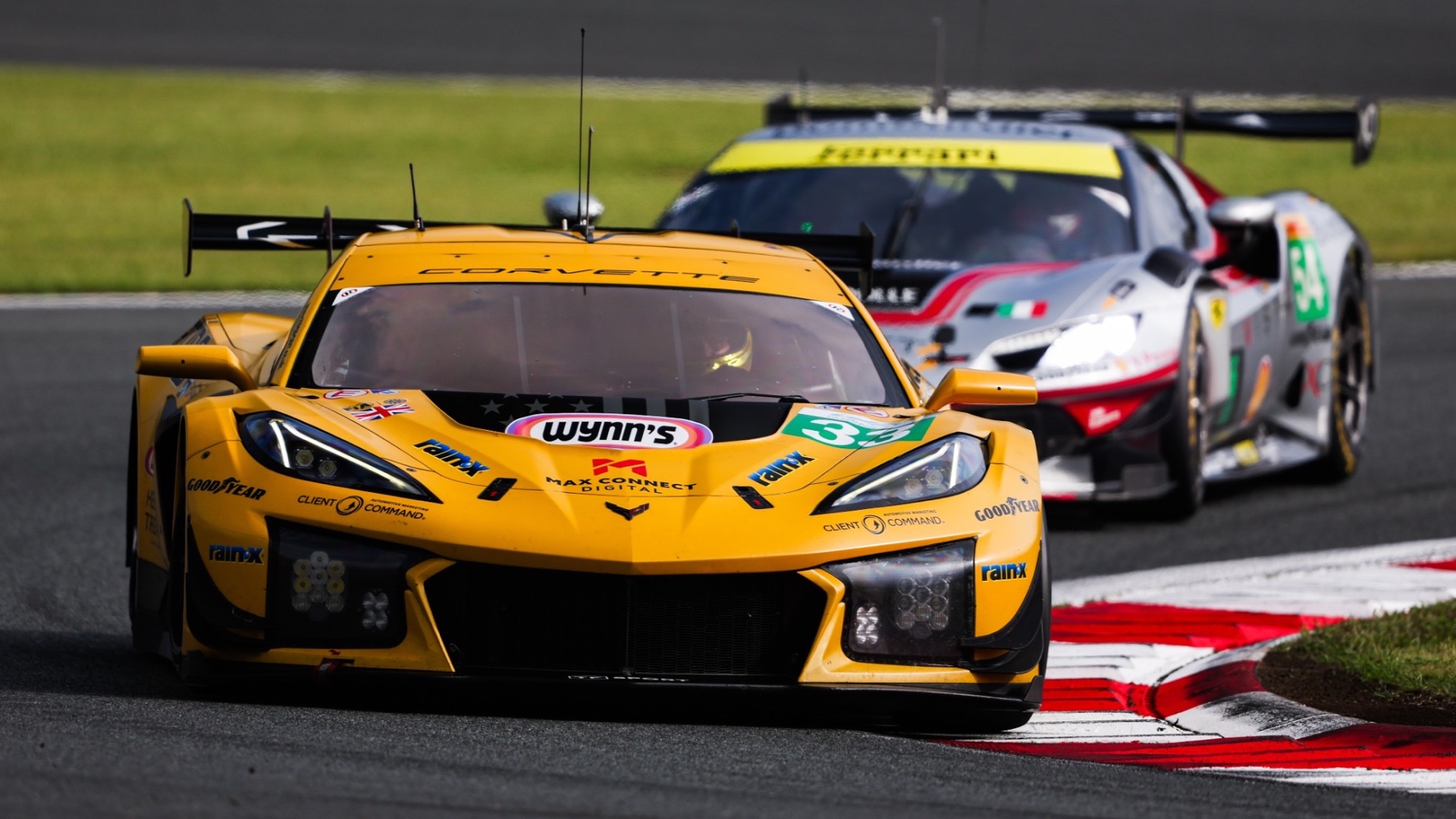
Source: FIA WEC Media.
Hypercar Expansion Strengthens WEC’s Position
The current Hypercar era has placed WEC back at the centre of global manufacturer racing.
Eight of the world’s leading automotive manufacturers are already represented in the championship’s top category, according to the FIA and ACO, with Ford and McLaren scheduled to join in 2027.
That expansion provides WEC with a depth of factory involvement rarely seen in contemporary international motorsport.
It also makes regulatory stability increasingly valuable. Manufacturers entering a world championship at Hypercar level require multi-year technical, sporting and commercial certainty, particularly given the scale of investment involved in developing and operating prototype programmes.
Extending the FIA-ACO agreement through 2037 provides a wider framework in which that stability can be maintained.
FIA general manager Alberto Villarreal said the new agreement reflected continued investment from both organisations.
“The agreement announced today underlines the investment in the championship from both the FIA and the ACO, and our commitment to continue bringing the sport to new audiences.”
The reference to new audiences is supported by the championship’s attendance profile, with almost half of its 2026 spectators aged 34 or younger and a substantial proportion attending for the first time.
FIA and ACO Target the Next Decade of Endurance Racing
The agreement also strengthens the institutional relationship behind both the FIA WEC and the wider endurance-racing ecosystem centred around the 24 Hours of Le Mans.
The ACO has played a central role in endurance racing for more than a century, while its partnership with the FIA has provided the governance structure for the modern World Endurance Championship since 2012.
WEC chief executive Frédéric Lequien believes the extension provides the platform required to develop the series further.
“The extension provides a strong framework to build on this growth, further strengthen the global appeal of the WEC and continue to deliver a world-class championship at the forefront of endurance racing.”
The agreement does not in itself define future technical regulations or calendar changes, but it removes a fundamental layer of uncertainty from the championship’s long-term direction.
That matters as WEC enters another period of expansion.
With manufacturer numbers continuing to rise, Ford and McLaren preparing to join Hypercar in 2027 and younger spectators making up an increasing proportion of the audience, the championship is entering the next phase of its development from an unusually strong position.
The FIA and ACO have effectively committed to carrying the current endurance-racing revival deep into the 2030s. The sporting challenge will now be ensuring that the stability provided by the 2037 agreement allows WEC to preserve the manufacturer competition and audience growth that created the opportunity in the first place.