

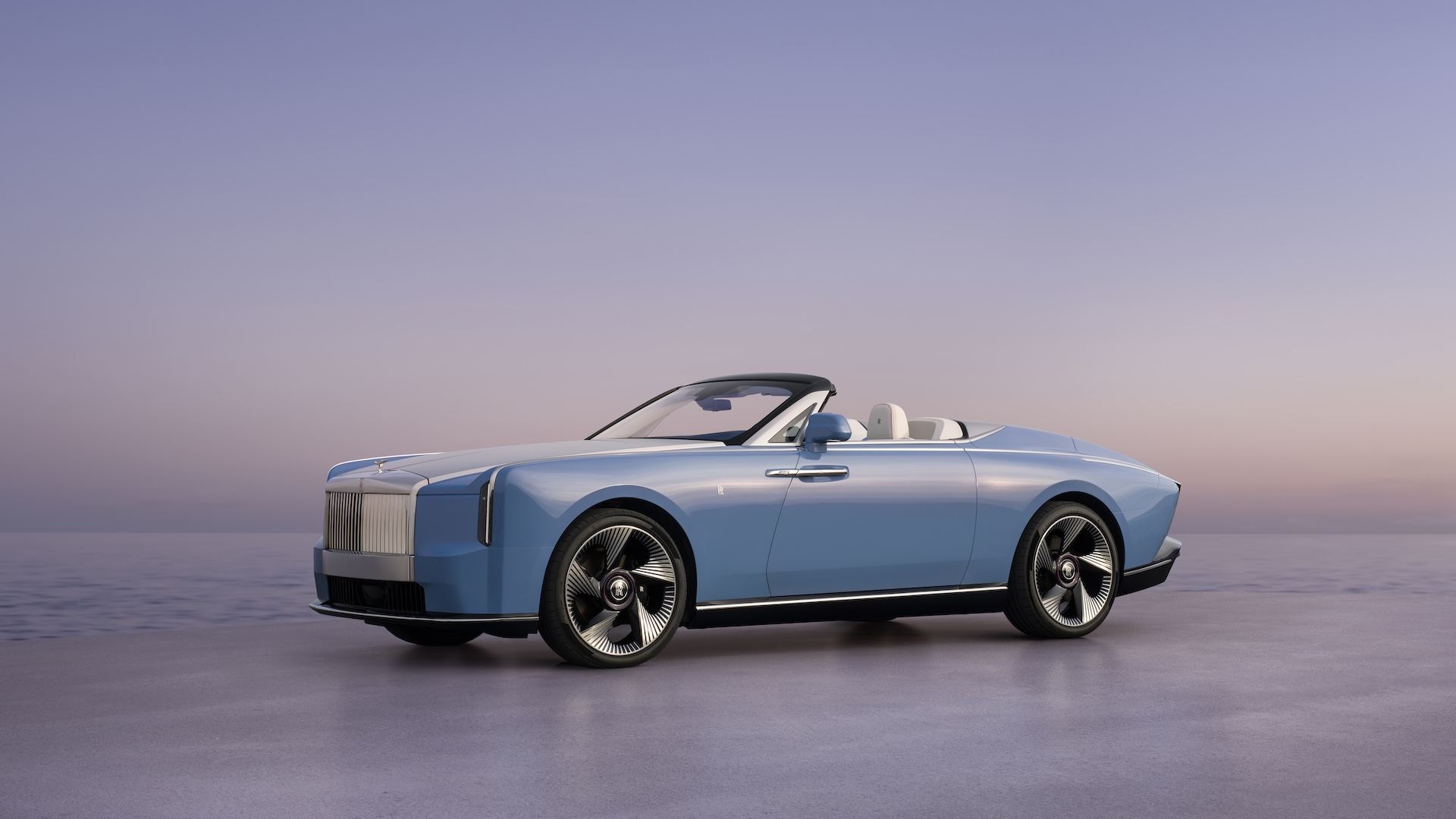
What Is The Rolls-Royce Project Nightingale?
Rolls-Royce Motor Cars isn’t new to outrageous one-offs, but Project Nightingale takes things a step further. This is the first car from its new Coachbuild Collection, an invitation-only programme for the elites who think even bespoke Rolls-Royces are a bit mainstream.
Only 100 cars will be built, each one hand-assembled at Goodwood, with deliveries starting in 2028. It’s fully electric, strictly two-seat, and designed as an open-top experience first, luxury object second, and car third. Deliveries begin only in 2028. If you’re reading about it now, it’s highly unlikely you’ll ever get your hands on one. So, read on to know more about it and then maybe dream some more.
Rolls-Royce Project Nightingale Design: Why Is It So Long And Dramatic?
At 5,760mm, Project Nightingale is basically Phantom-sized. But instead of rear-seat indulgence, all that length is used for proportion. Long bonnet, compact cabin, stretched tail. Classic Rolls-Royce cues, turned up to eleven and then some more.
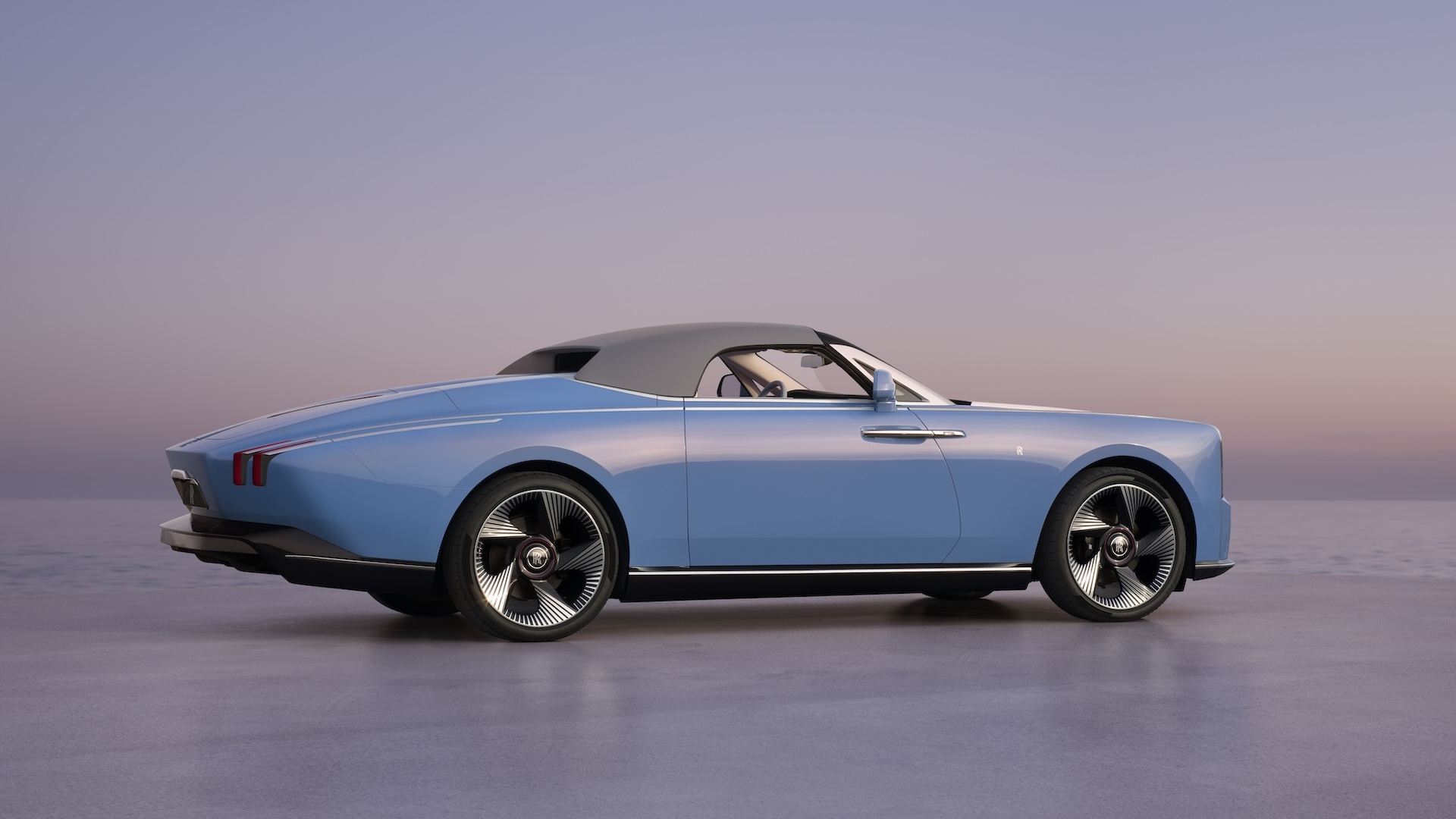
The design is heavily influenced by Streamline Moderne and the brand’s experimental 16EX and 17EX models from 1928, both of which chased speed records of over 90mph back in the day.
The result is something that feels less like a car and more like a moving sculpture. Rolls-Royce calls it “monolithic,” and that’s quite accurate. There’s very little visual clutter. No fake vents, no unnecessary creases. Just clean surfaces and an impressive, eye-catching presence.
Exterior Details: What Stands Out?
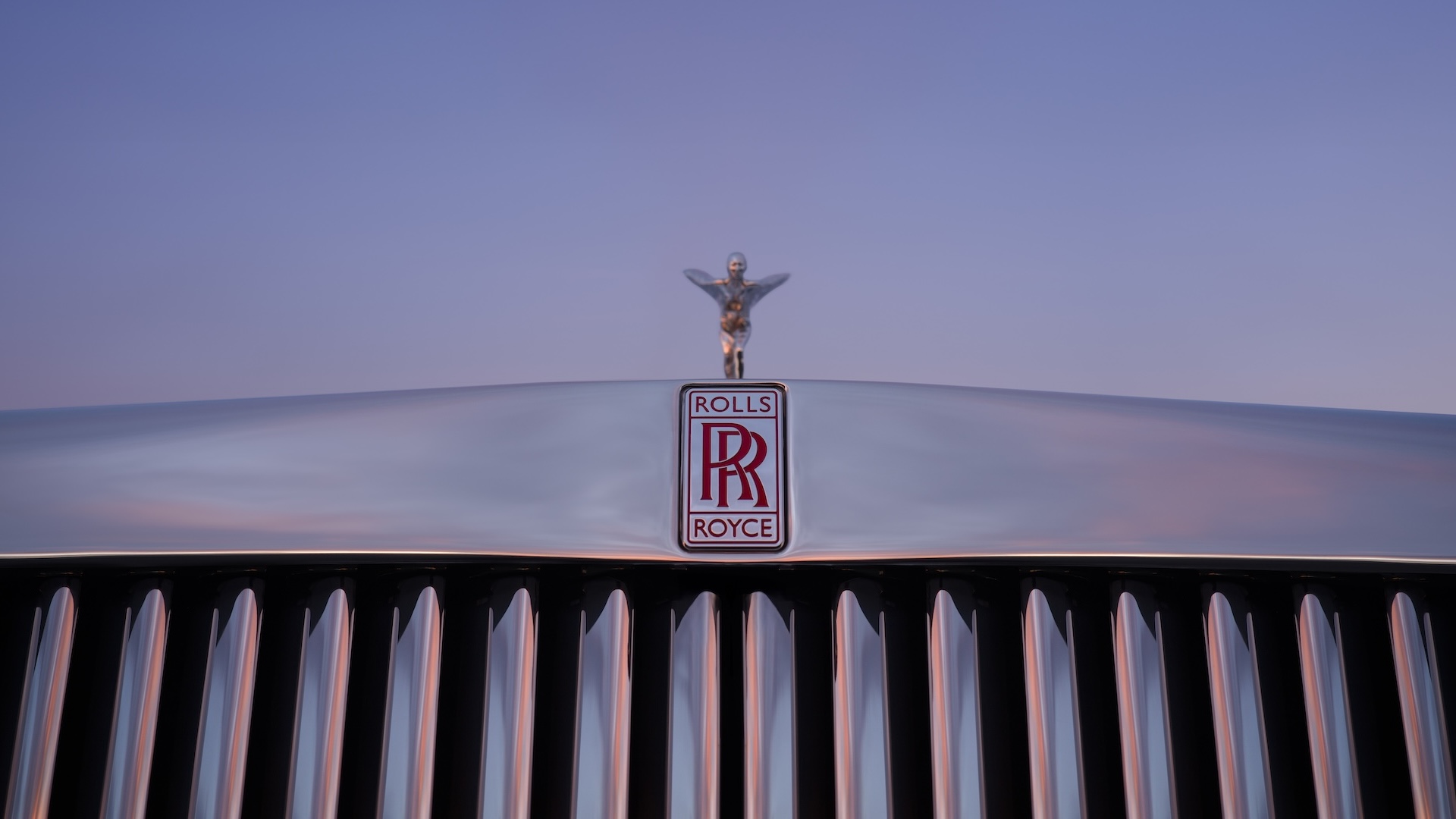
The front end looks familiar, but only at first glance. The iconic Pantheon grille is still there, but it’s been reinterpreted. It’s now wider, deeper, and more architectural. It has 24 vanes and now measures an insane 1 metre in width.
Because this is an EV, there’s no need for large cooling openings. That allows Rolls-Royce to create vast uninterrupted surfaces across the nose, which completely changes how the car presents itself.
- Vertical LED headlamps: a major departure from Rolls norms
- Continuous stainless-steel beltline running front to rear
- 24-inch wheels are the largest ever on a Rolls-Royce
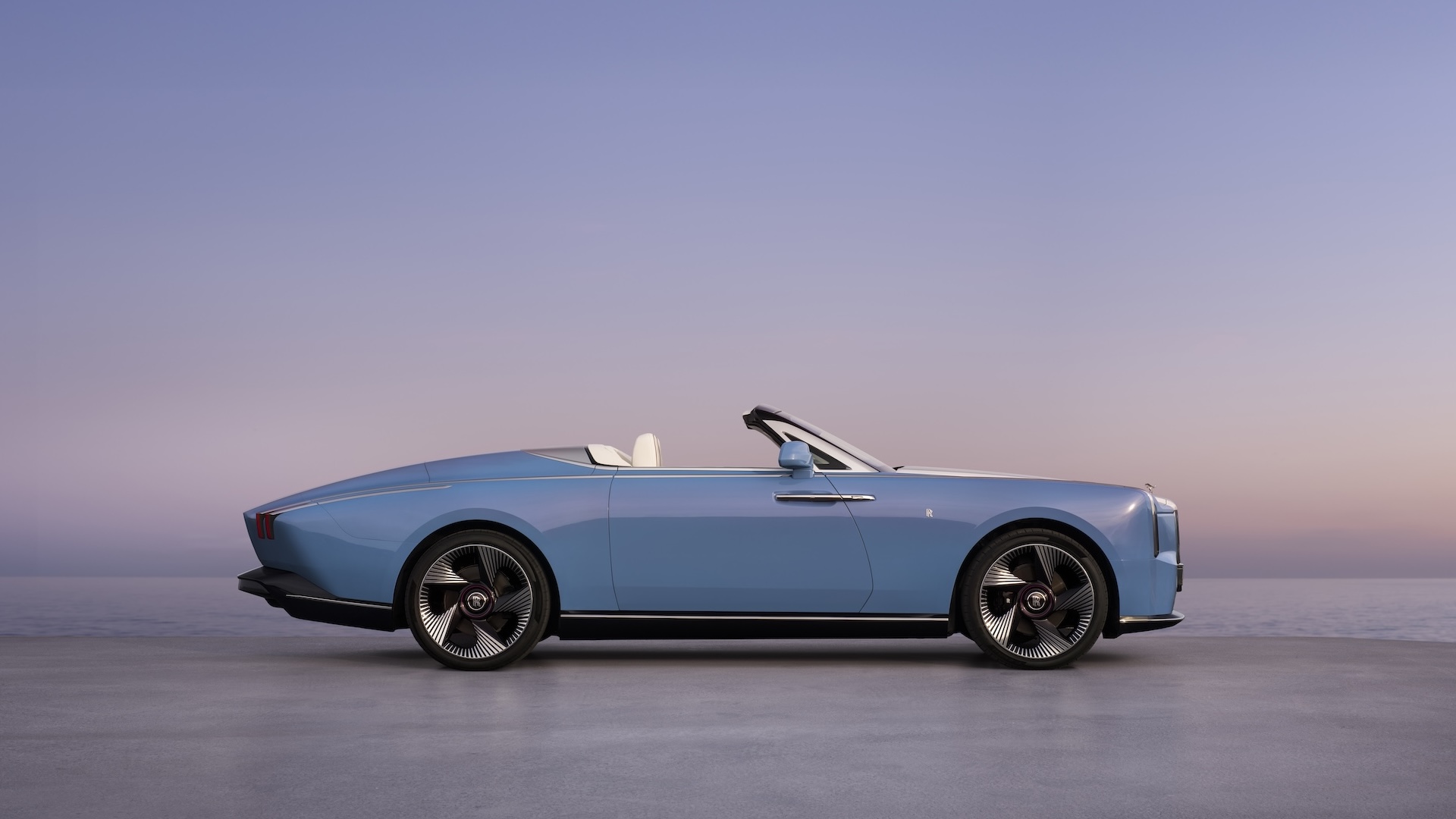
Along the side, a single uninterrupted “hull line” runs from front to rear, inspired by yachts. Even the lower detailing near the rear wheels mimics the wake left behind a boat. It’s subtle if you’re not looking for it, but quite obvious if you are.
Rear Design: What Is The ‘Piano Boot’?
At the rear, it gets theatrical again. The bodywork tapers into a clean, almost abrupt trailing edge, with ultra-slim tail lamps dropping vertically down the surface. Then there’s the Piano Boot: a side-opening rear deck that lifts like the lid of a grand piano. It turns something as basic as opening the boot into a full grand ceremony.
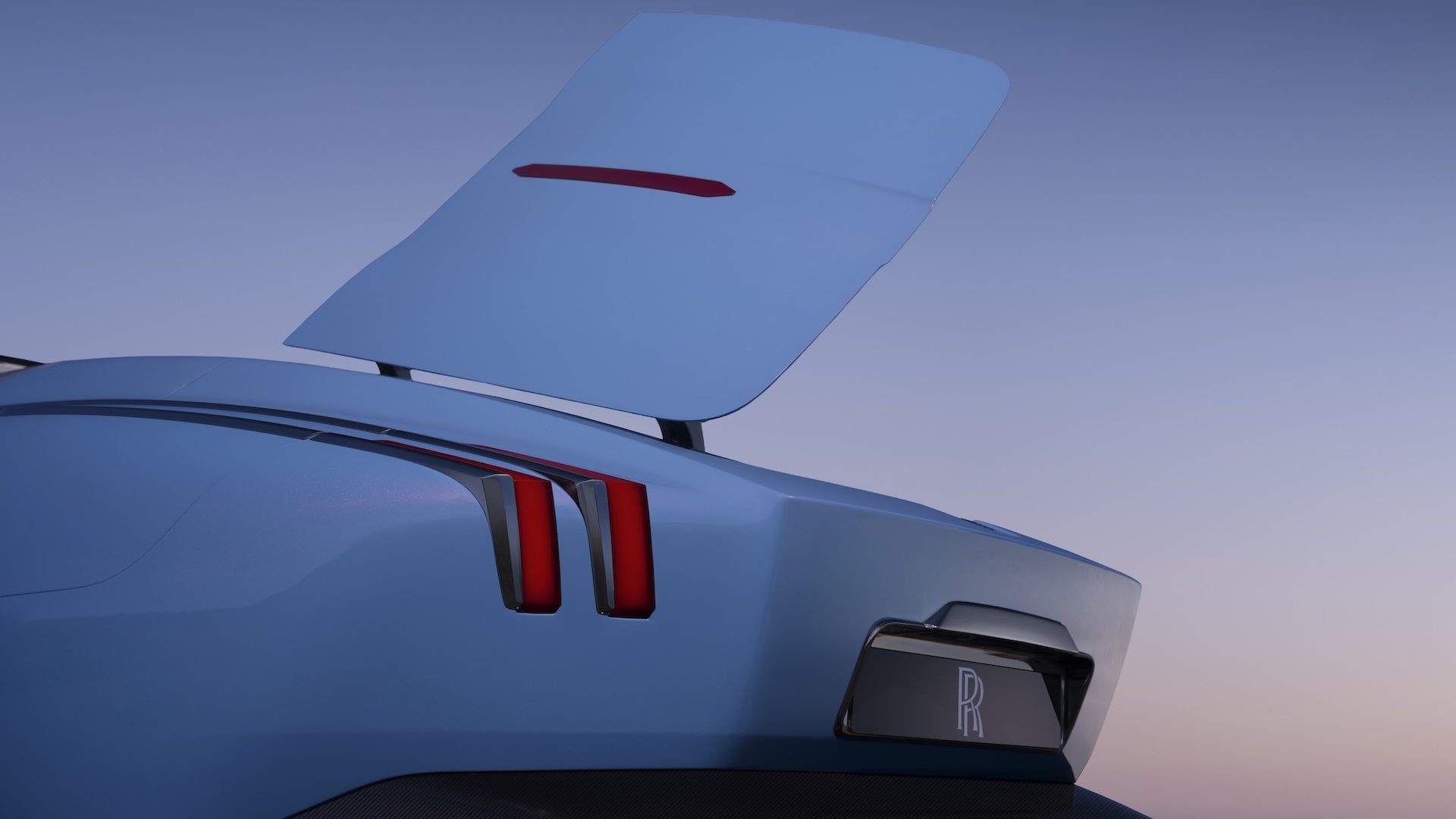
Below that sits the Aero Afterdeck, a carbon fibre rear diffuser made possible by the electric powertrain. No exhausts means no compromises in shaping, so the rear stays clean while still generating stability at speed.
Is The Rolls-Royce Project Nightingale Electric?
Yes, and that’s central to what this car is trying to achieve. Rolls-Royce hasn’t released full specs yet, but it’s expected to use an evolved version of the Rolls-Royce Spectre’s powertrain setup. The Spectre gets a dual-motor electric powertrain that produces 577hp and 900Nm. We expect the Nightingale to get over 650hp and 1,075Nm. Stay tuned for more on this.
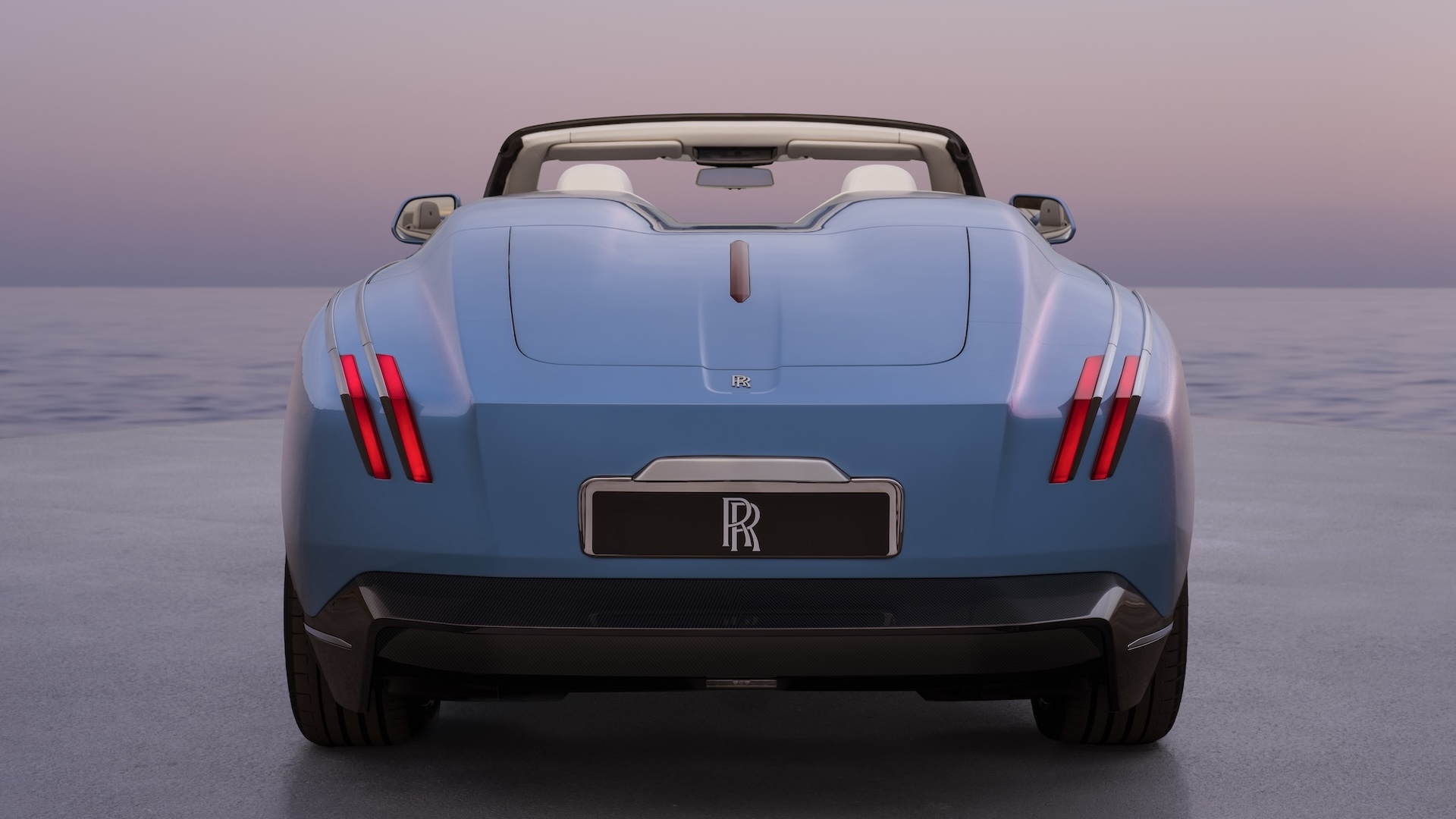
With no engine noise and minimal wind intrusion, Nightingale delivers something no V12 convertible can: true open-air quiet. You hear the environment instead of the car: the waves, wind, birds. Rolls-Royce compares it to sailing, and this time it actually fits. However, this logic only fits if you’re driving it down the Amalfi coast or to a fancy brunch at Jumeirah Bay Island.
If You Could, Which One Would You Pick?
Spectre
Nightingale
Phantom
Wraith
Rolls-Royce Project Nightingale Interior: Why 10,500 Stars?
The cabin is where things get properly obsessive. During early drives, designers noticed they could hear birds clearly thanks to the EV silence. That led to studying nightingale birdsong, and eventually translating it into light.
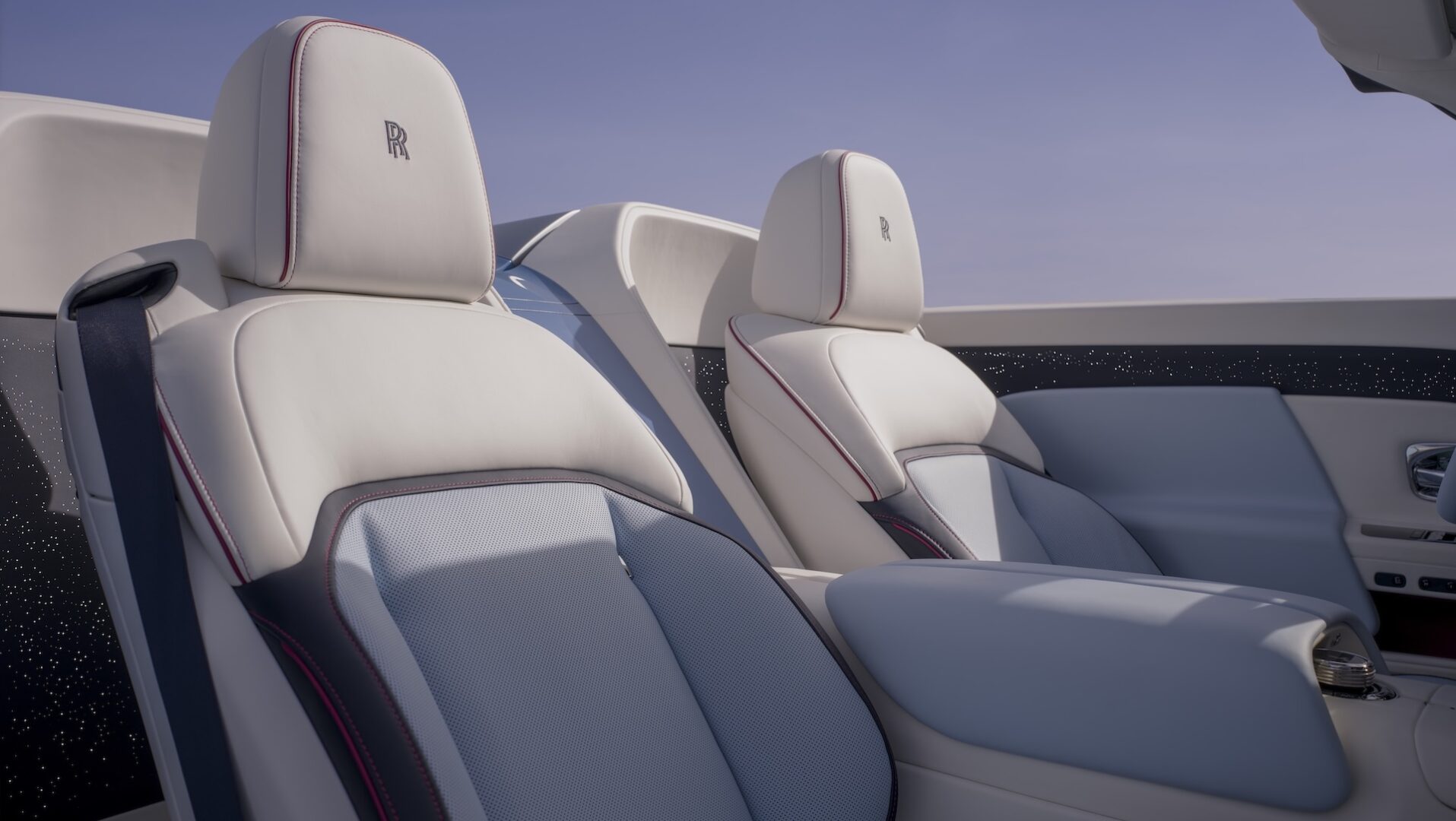
The result is the Starlight Breeze suite, a lighting installation made up of 10,500 individual LEDs, arranged based on soundwave patterns.
- 10,500 ‘stars’ across the doors and cabin
- Wraparound Horseshoe structure behind seats
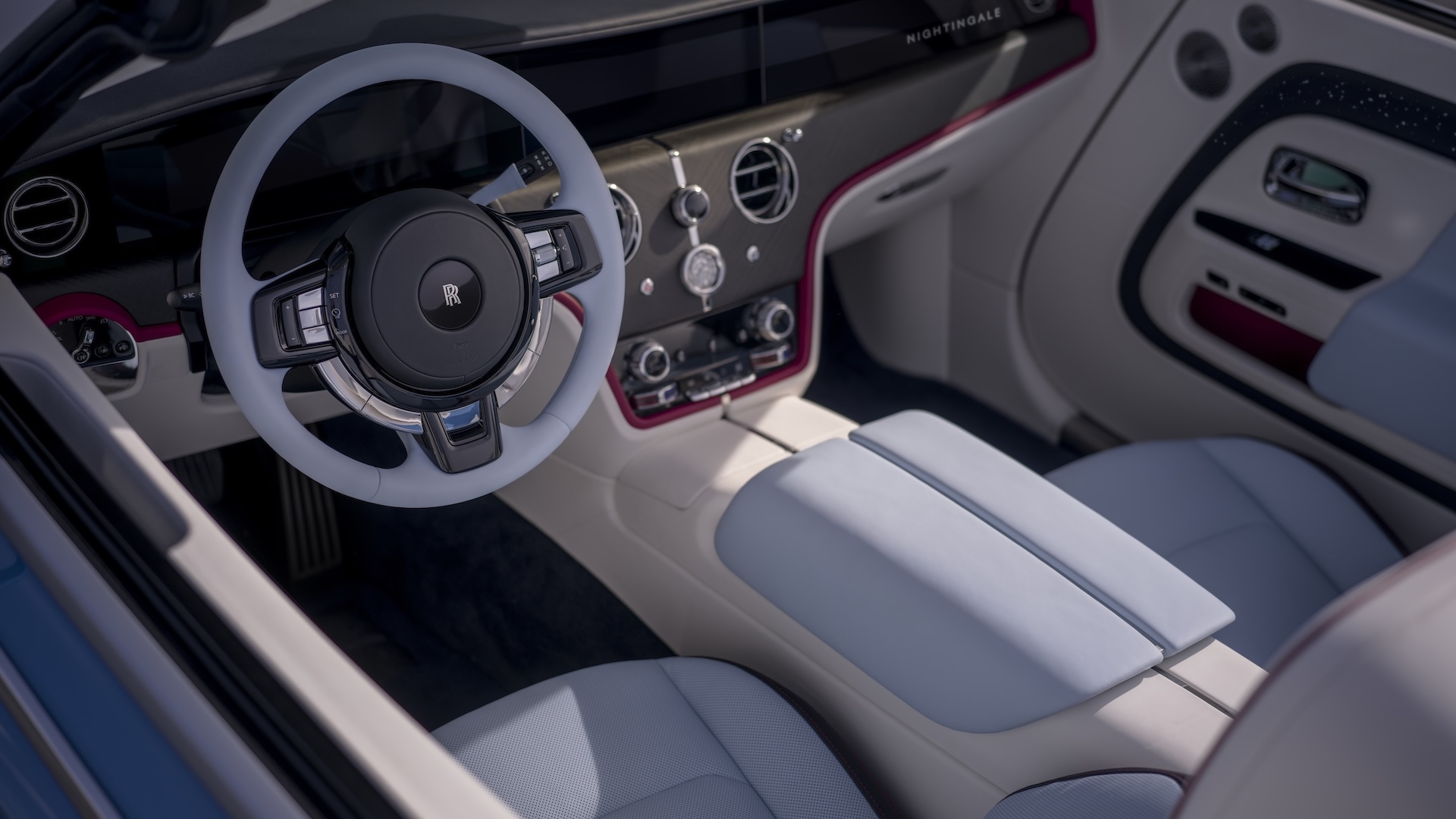
- Only five physical rotary controls
- Sliding armrest reveals hidden controls and storage
The rest of the cabin sticks to Rolls-Royce tradition: rich materials, minimal digital clutter, and tactile controls that feel like jewellery. Even the cupholders are machined from billet aluminium.
The Rolls-Royce Open-Top Experience: What Makes It Special?
With the roof down, the Nightingale offers a unique driving experience as it has no mechanical noise. Raise the roof, and it transforms into a more enclosed, coupe-like machine. The soft top itself is engineered using cashmere, fabric, and composite materials to balance insulation with atmosphere.
Instead of chasing total silence, Rolls-Royce is chasing curated sound. You don’t hear unwanted noises, but you do hear rain on the roof. That’s deliberate and luxurious.
Who Is The Rolls-Royce Project Nightingale For?
Not your typical Rolls-Royce buyer. And definitely not someone comparing spec sheets.
This is aimed at:
- Existing Rolls-Royce collectors
- Design-focused ultra-high-net-worth clients
- Buyers who want involvement in the creation process
Each owner becomes part of a multi-year journey, attending private events and working with Rolls-Royce designers to shape their car. It’s closer to commissioning a yacht than buying a vehicle.