

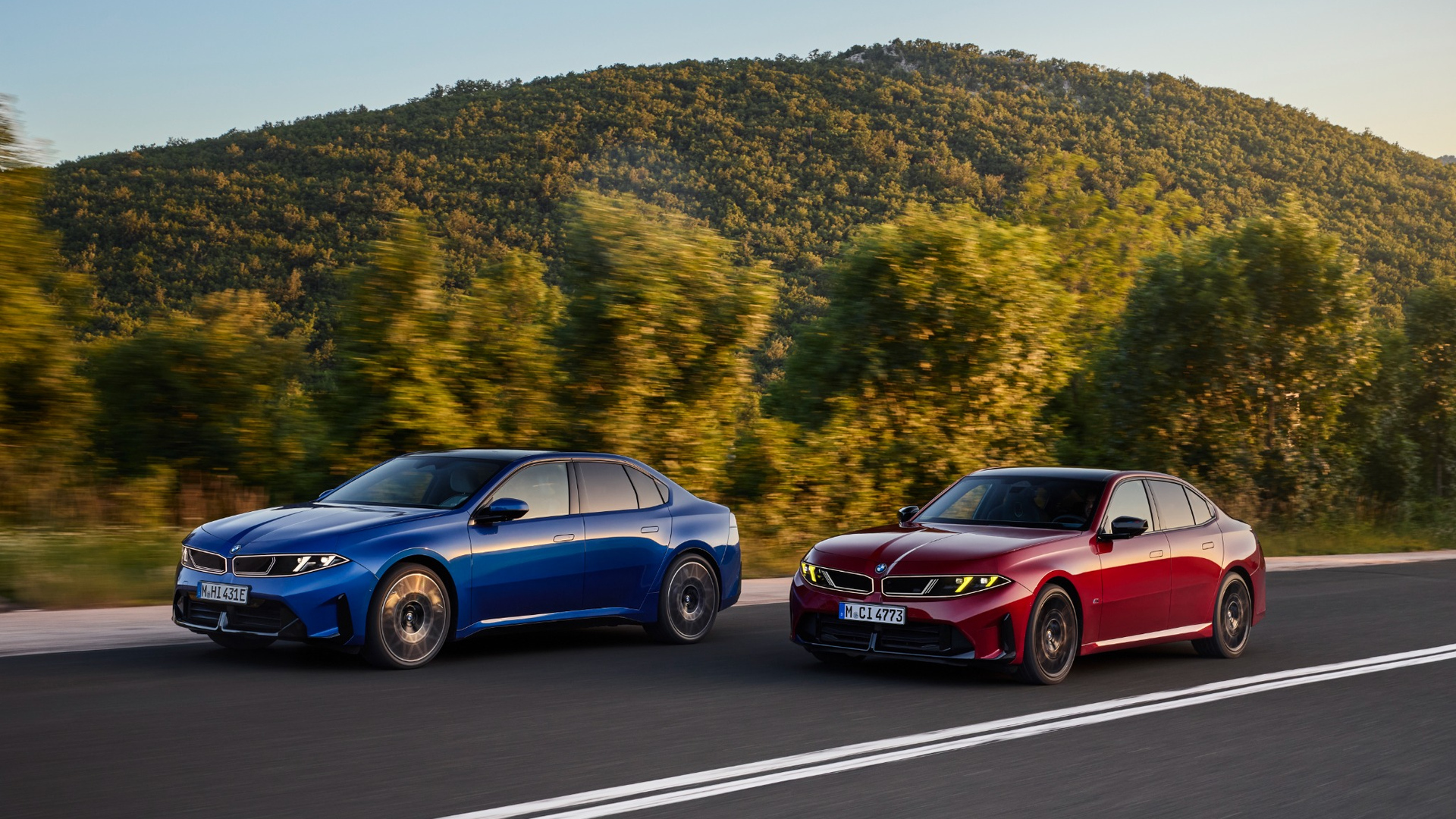
Some cars earn their place in history through rarity. The BMW 3 Series earned its place by making millions of ordinary journeys feel worth taking the long way home.
For decades, it has been the car you bought when adulthood required rear seats, but the child in you wanted a sports car. Rear-wheel-drive balance, beautifully smooth straight-sixes and a cockpit arranged around the person holding the steering wheel became its calling cards.
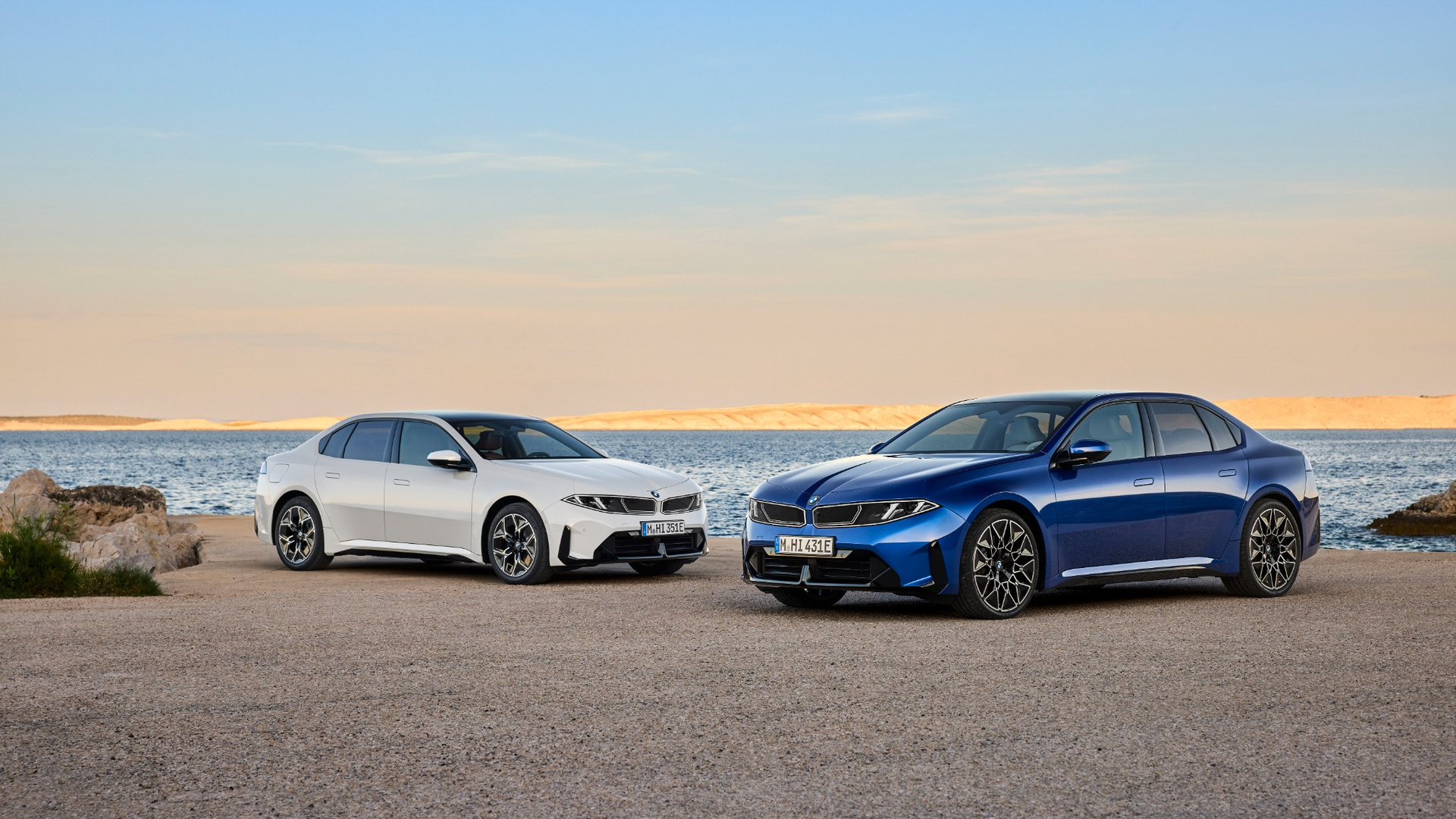
Now comes the eighth generation. With the industry wrestling over batteries, combustion and increasingly enormous SUVs, BMW has given its most successful model family a sweeping reinvention. The new petrol 3 Series and electric i3 share the design philosophy, while offering distinctly different ways to enjoy a good road.
From the electric Volkswagen ID.3 GTI to BMW’s new sedan family, familiar enthusiast badges are entering unfamiliar territory.
Five Decades Of Taking The Long Way Home
The story began in 1975 with the E21, carrying the sporting spirit of BMW’s 02 family into a more refined two-door. Its driver-angled dashboard established a driver-car relationship that generations of owners would come to recognise.
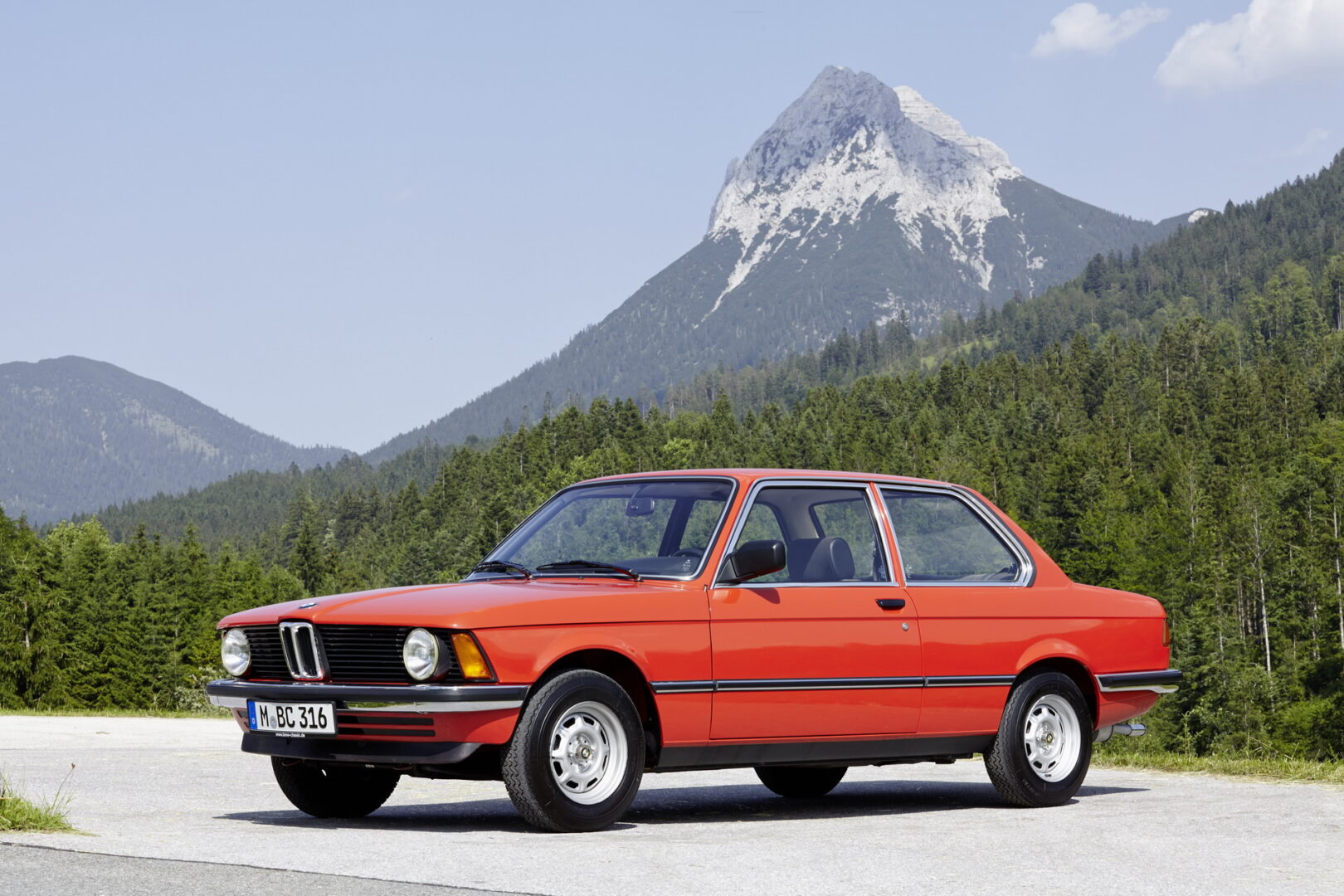
The E30 expanded the family with four-door, convertible and Touring versions, while the first M3 gave the badge a formidable motorsport identity. The E36 brought sleeker proportions and greater sophistication; the E46 refined the recipe into a shape enthusiasts still stop to admire.
Through subsequent generations, the family became bigger, faster and more technically ambitious. Coupés and convertibles eventually moved into the 4 Series, leaving the 3 Series to concentrate on sedan and Touring duties.
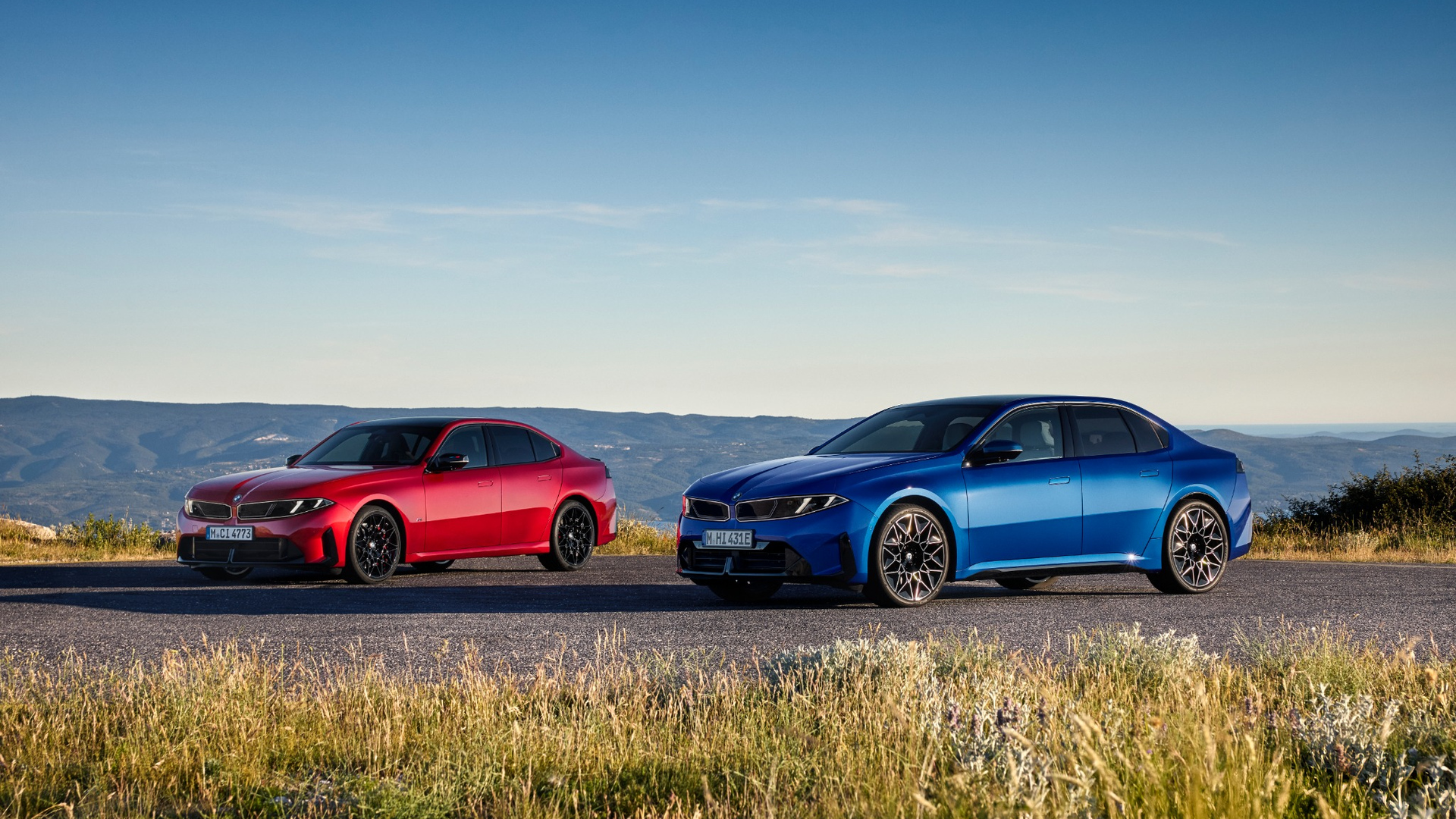
More than 18 million examples later, that badge carries considerable responsibility. The new 3 Series has to satisfy people who remember how hydraulic steering felt and also people who expect their phone to unlock the doors.
Also Read:
- Audi A6 e-tron Sets New World Record: Covers 1,338km On One Charge
- Bentley Torcal Revealed: 876hp, Merino Wool And A V8 Rhythm Played By Musicians
- New Volkswagen ID.3 GTI Debuts With 322 BHP Electric Motor
New BMW 3 Series Design: A New Face With Familiar Instincts
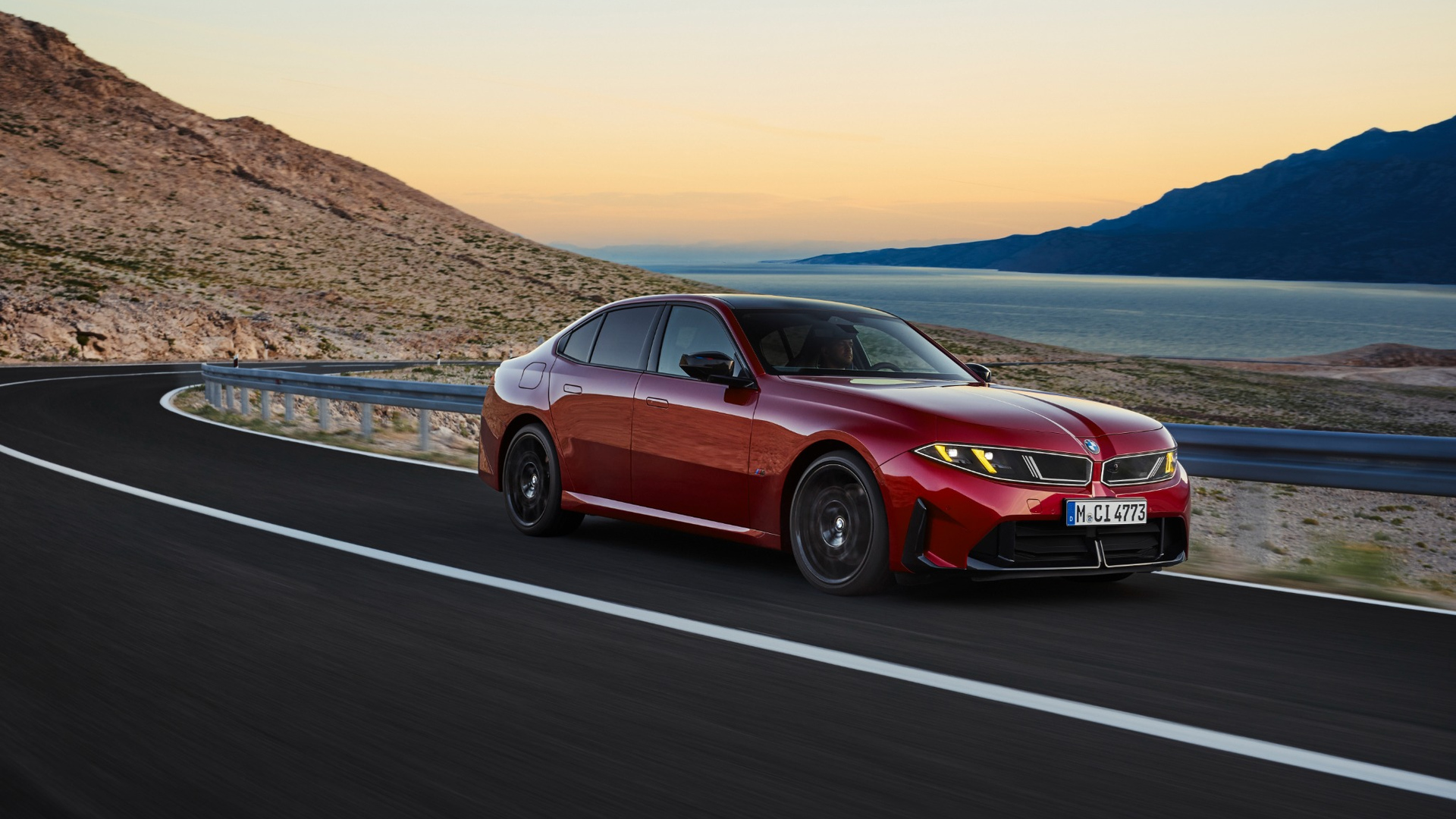
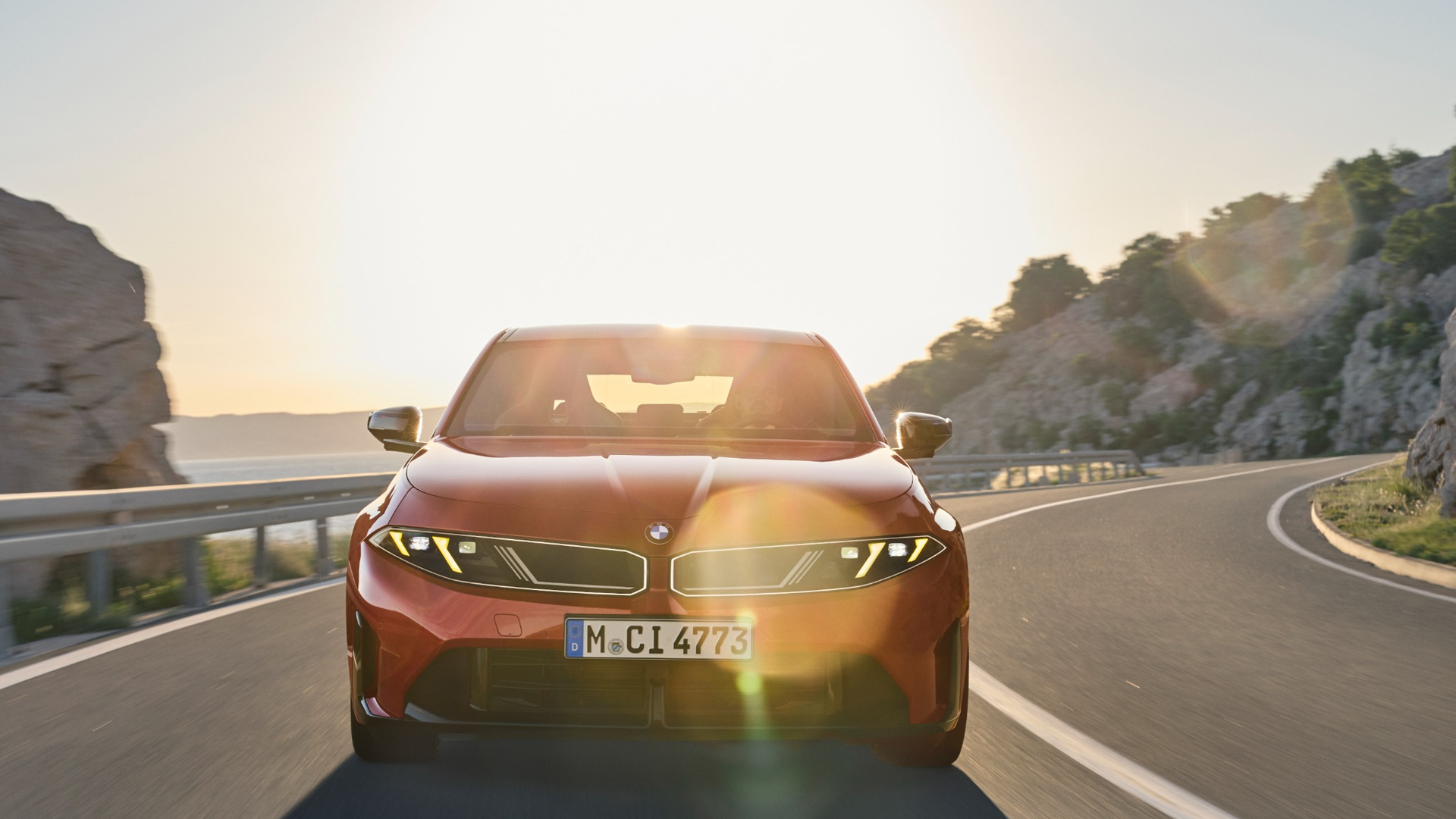
BMW’s Neue Klasse design language makes this one of the model’s boldest visual resets. The kidneys and headlights merge into a broad, sharply defined front graphic, while flared arches, short overhangs and a set-back cabin give it an athletic stance.
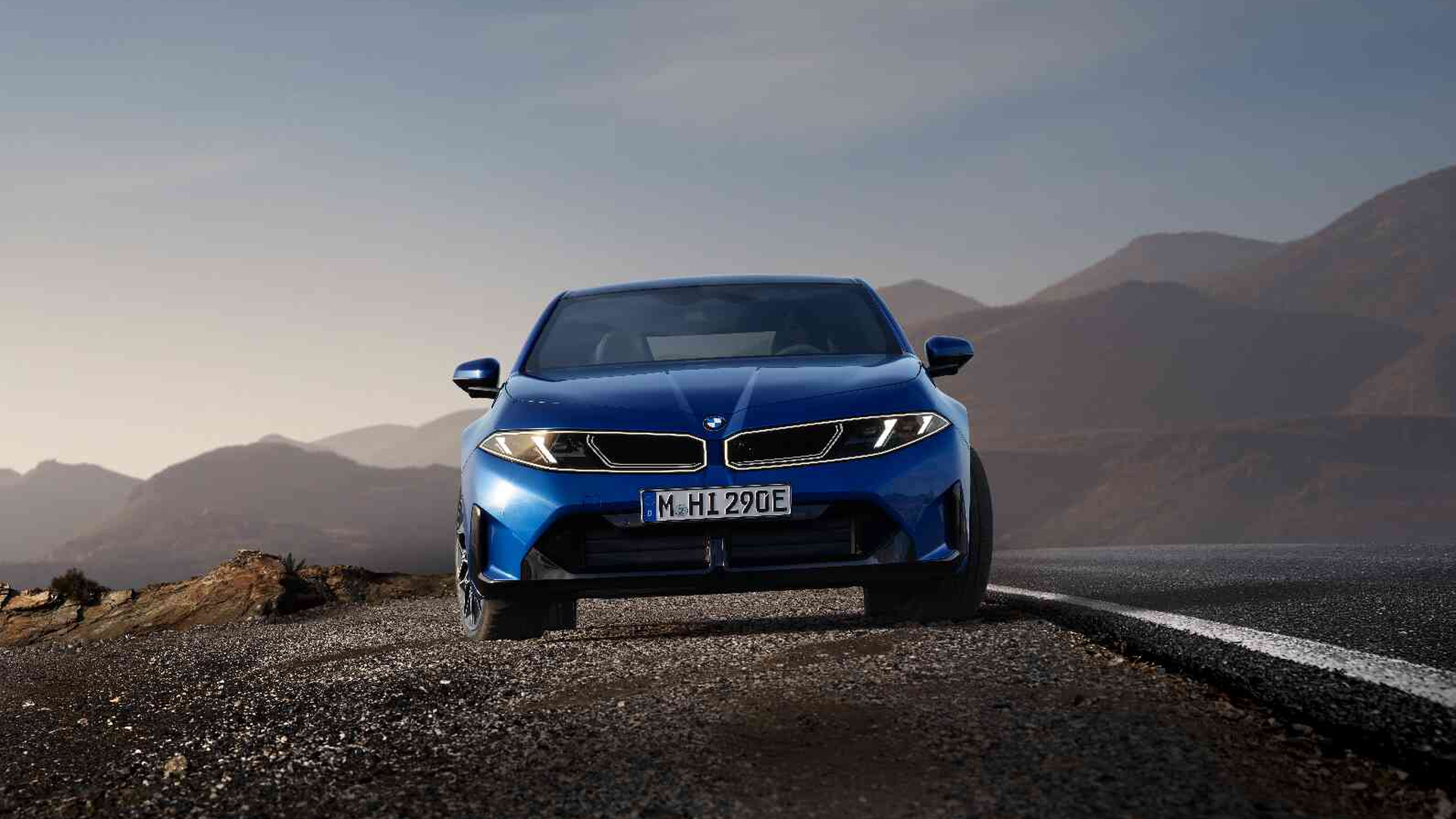
The silhouette has a cleaner, more compact-looking tail, with horizontal rear lights emphasising its width. Flush handles tidy the sides. Crucially, petrol and electric versions look closely related.
The M350 adds a rear spoiler, four exhaust outlets and motorsport-inspired yellow lighting. Standard 19-inch wheels can be replaced by 20-inch items. It looks suitably assertive for something capable of embarrassing much more expensive machinery.
The Straight-Six Still Has A Starring Role
The M350 xDrive replaces the M340i with a 3.0-litre turbocharged straight-six, 48V mild-hybrid assistance and an eight-speed Steptronic Sport automatic. Combined output is approximately 437hp and 580Nm, enough for 0–100km/h in 4.1 seconds and a limited top speed of 250km/h.
The electric motor integrated into the transmission contributes up to 13kW. The appeal, though, remains that familiar six-cylinder combination of effortless torque and a willingness to keep pulling as the revs climb.
BMW’s German-market launch range also includes the rear-wheel-drive 320: a 2.0-litre turbo four producing approximately 208hp and 330Nm, reaching 100km/h in 7.4 seconds. The entry-level 318 uses a 2.0-litre four with approximately 154hp and 250Nm. Both have 48V assistance and eight-speed automatics. Other markets get different line-ups, including the US-market 330.
Drift Mode: Can The M350 Really Go Sideways?
Yes. BMW calls the feature Drift Moment, and it sends drive exclusively to the rear wheels with stability control switched off. An M Performance 3 Series now gets a trick previously reserved for full-fat M machinery. The tyre budget deserves a separate conversation.
There is a catch: Drift Moment arrives only in 2027, with already-delivered cars receiving it through a software update.
More fundamentally, BMW has revised the steering, suspension geometry and chassis mounts. Wider tracks, near-balanced weight distribution and new standard dampers aim to sharpen responses while improving comfort. The M350 adds adaptive M suspension, variable sport steering, M Sport brakes and an M Sport differential as standard.
New BMW 3 Series Interior: A Cockpit Pointed At The Future
The dashboard’s familiar driver focus survives a digital overhaul. A 17.9-inch central touchscreen angles towards the driver, while BMW Panoramic Vision projects information onto a strip spanning the base of the windscreen.
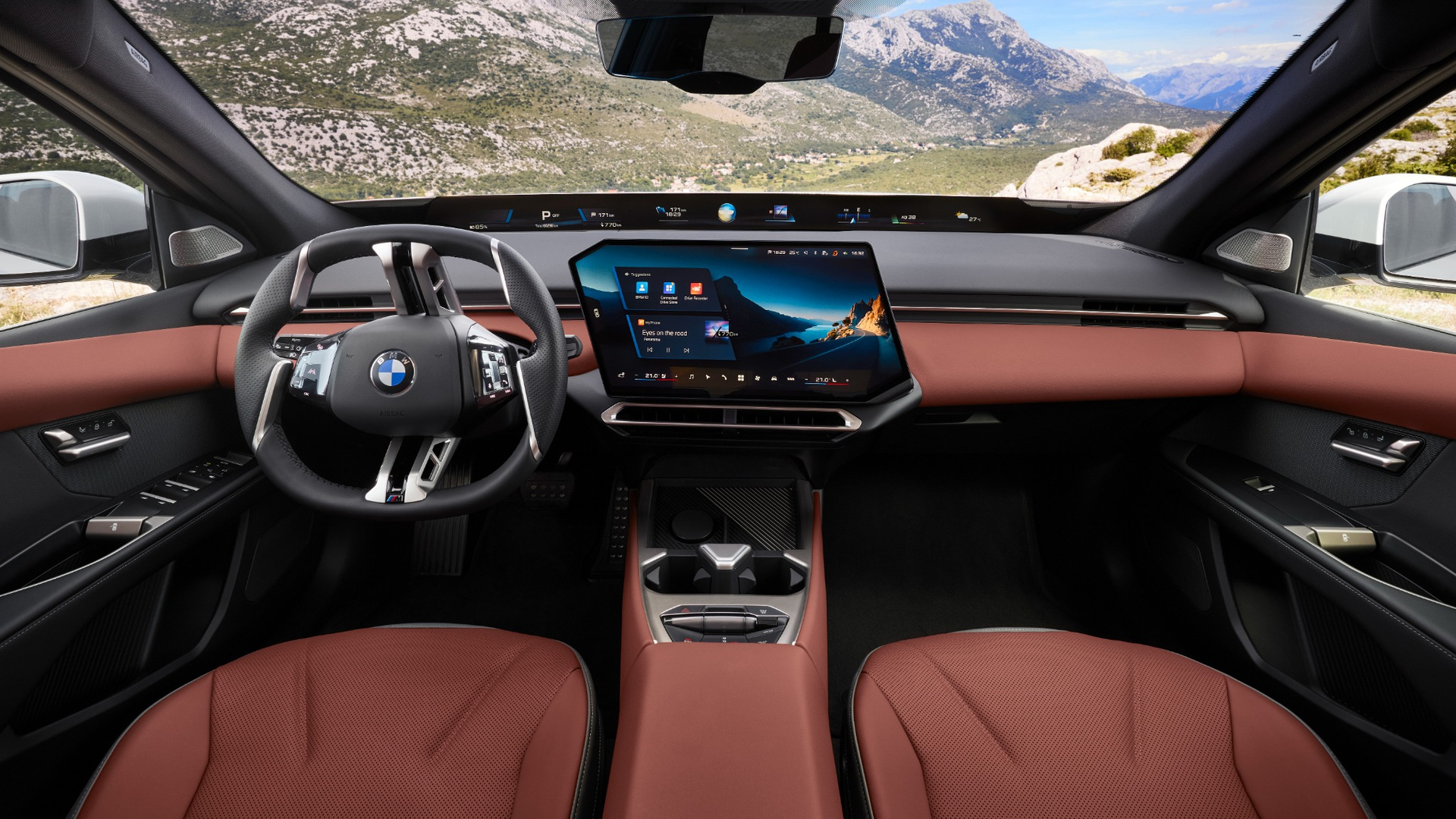
An optional 3D head-up display adds information directly into the driver’s view. BMW Operating System X, steering-wheel controls and an Alexa-powered assistant handle the modern conveniences.
It is a dramatic departure from analogue instruments and rows of buttons. Whether it makes everyday operation easier is something only a proper drive would establish. The petrol models retain a useful 450-litre boot.
The Electric Side Of The Family
The i3 40 xDrive delivers 369hp and 520Nm, with an 82.8kWh usable battery, up to 710km WLTP range and 300kW DC charging. The 50 xDrive raises that to 462hp and 645Nm, a 108.7kWh battery, up to 912km WLTP range and 400kW charging.
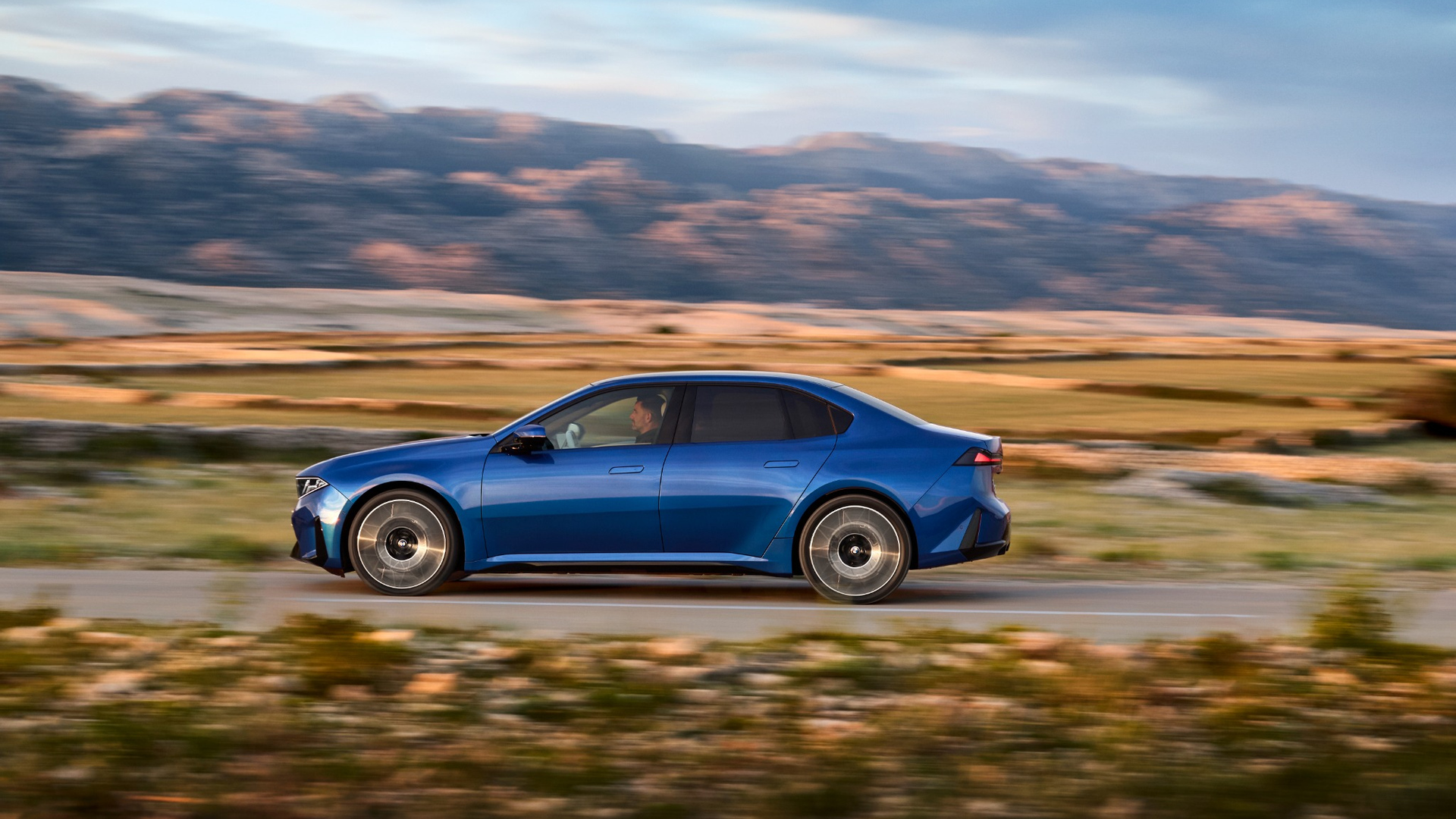
Both use 800V technology. The i3’s “Heart of Joy” computer coordinates power delivery, braking and recuperation, giving BMW another route to the precise responses expected of this family.
BMW has given its defining sedan a genuinely ambitious next chapter. The decisive test will come on a favourite stretch of road, when the screens fade from your attention and the steering takes over. That is where a 3 Series has always made its strongest argument.