


How did A. Lange & Söhne disrupt the luxury watch industry?
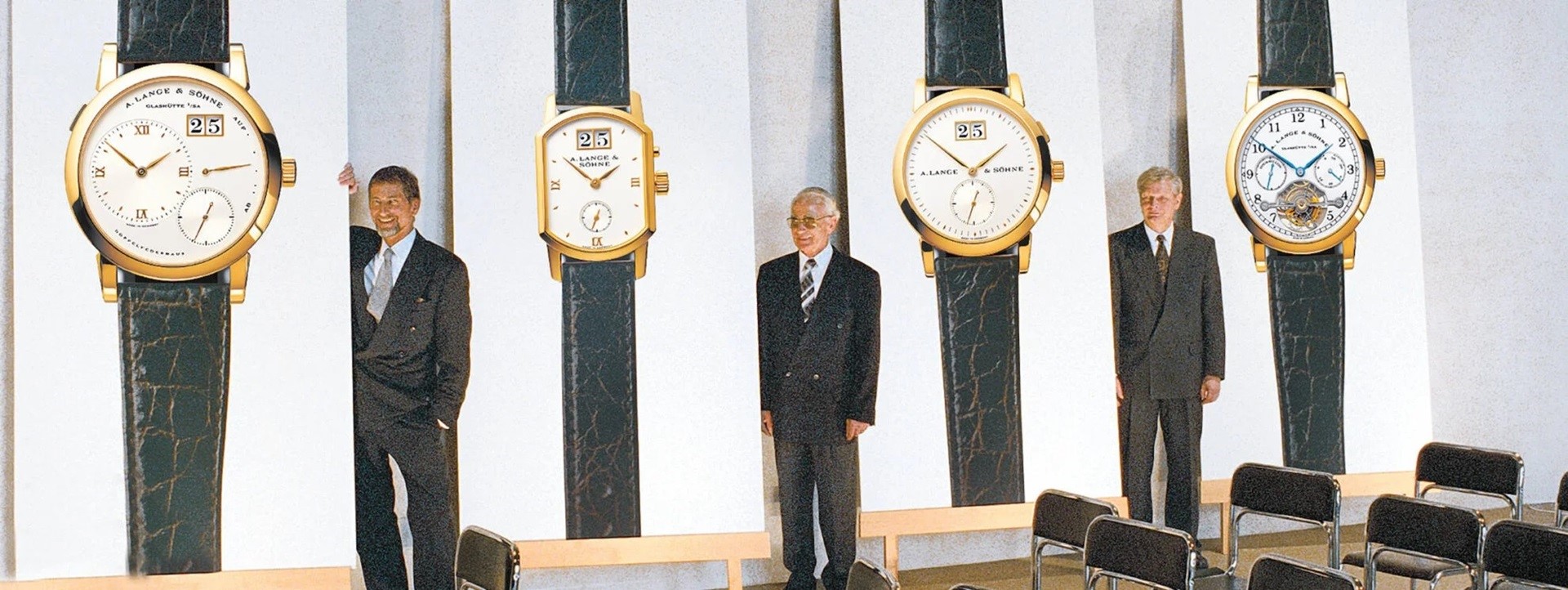
A. Lange & Söhne sits firmly at the pinnacle of luxury watchmaking. By capping its annual output at 5,000 watches, the brand ensures a heavy focus on meticulous craftsmanship and groundbreaking horology. Historically, the brand’s rebirth on 25th October 1994, followed by the launch of the Datograph in 1999, disrupted a complacent Swiss watch industry. It effectively challenged the historic “Holy Trinity” of Audemars Piguet, Patek Philippe and Vacheron Constantin and established themselves as a formidable new competitor in Germany. Today, the brand continues to redefine haute horology.
At Watches and Wonders Geneva 2026, the brand unveiled two significant models: the Lange 1 Tourbillon Perpetual Calendar “Lumen” and the Saxonia Annual Calendar. To better understand these releases, CEO Wilhelm Schmid offers detailed insights into the strategy behind the new timepieces.
What makes the Lange 1 Tourbillon Perpetual Calendar “Lumen” unique?
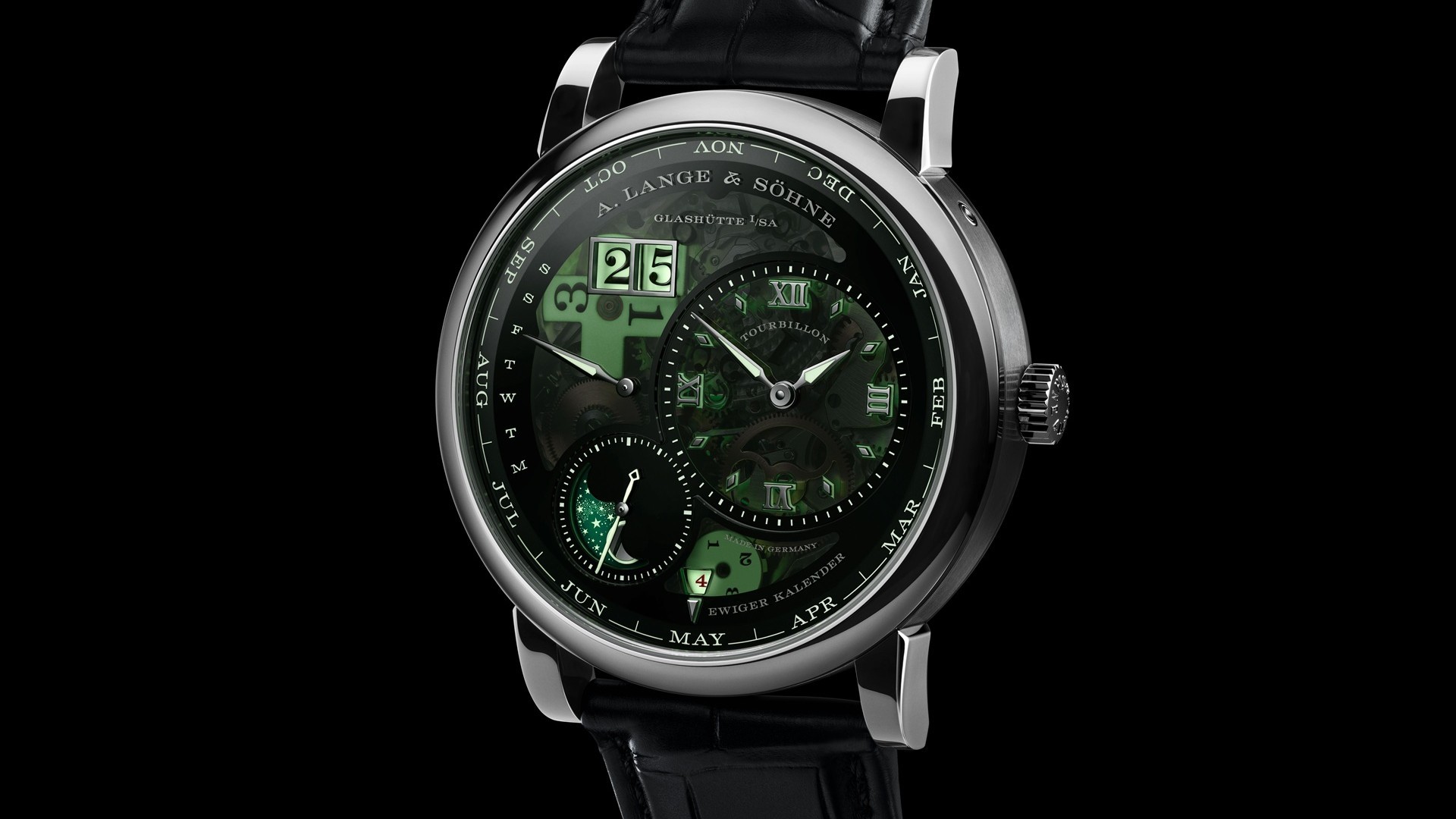
The Lange 1 Tourbillon Perpetual Calendar “Lumen” represents the seventh edition in the Lumen series. Inside the case is Calibre L225.1, a completely new movement that builds upon the foundations of the regular Lange 1 Perpetual Calendar Tourbillon. Furthermore, the brand integrated lessons learned from its standalone Lange 1 Perpetual Calendar into this new development. The brand relies on the exact same master watchmakers to assemble both the standard perpetual calendar and the tourbillon variant. This human bottleneck explains the brand’s strict capacity limits.
Aesthetically, the Lumen execution lends the highly complicated watch a contemporary, assertive look. Even so, the design team took great care to preserve the inherent elegance of the Lange 1 family. The brand will produce only 50 pieces to target serious collectors who appreciate high-end horology.
Also Read: A. Lange & Söhne unveils a fantastic new “Lumen” grand complication
Why did A. Lange & Söhne bring back the Saxonia Annual Calendar?
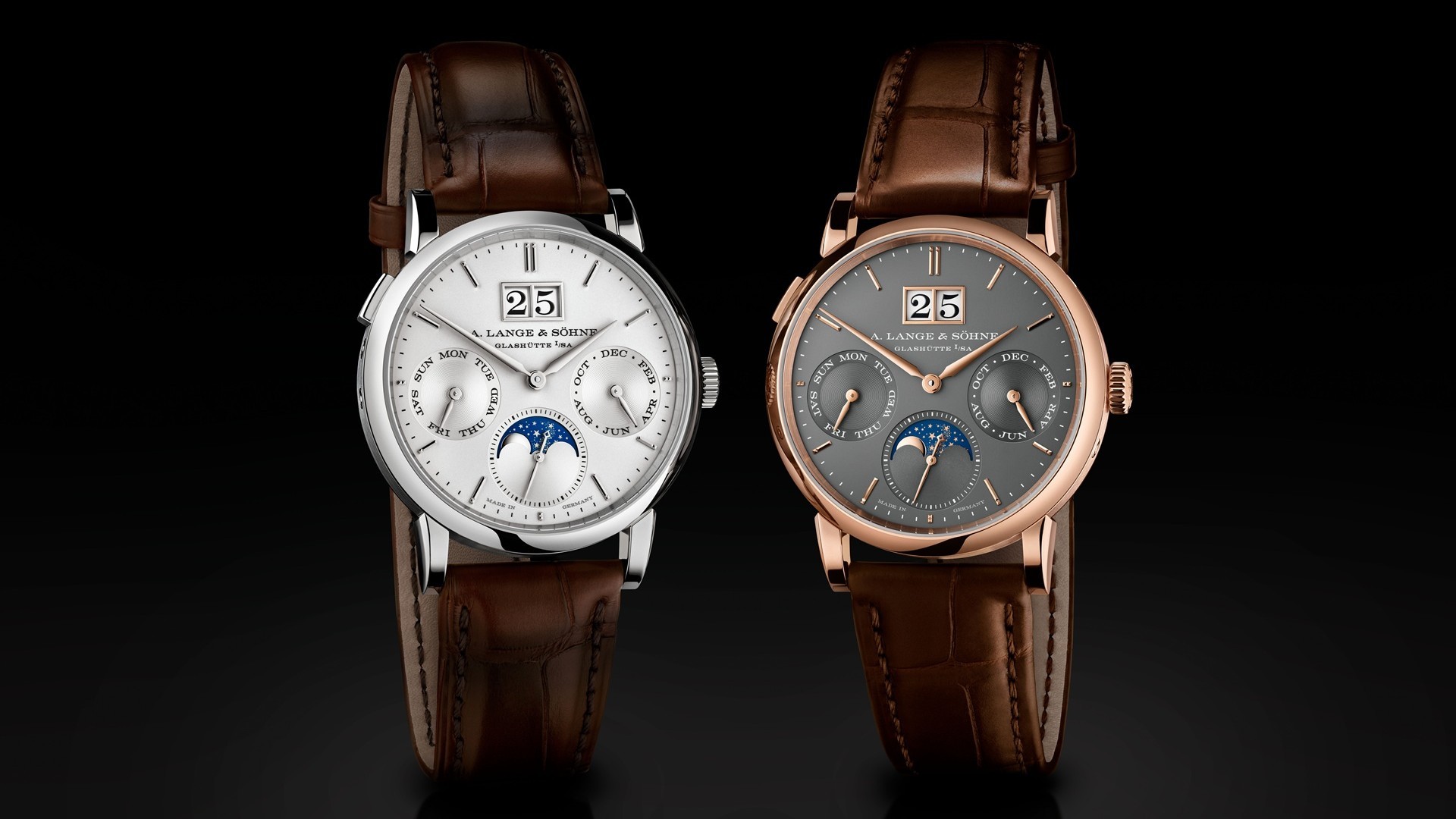
The original Saxonia Annual Calendar (38.5 mm case size) ceased production around 2018. At that time, the brand halted manufacturing to allocate watchmaking capacity to other complicated models. Additionally, the original SAX-O-MAT movement had naturally reached the end of its 20-year life cycle. When reintroducing watches, A. Lange & Söhne follows a strict rule. A returning watch must feature significant differences while remaining instantly recognisable.
To achieve this, the brand reduced the new Saxonia Annual Calendar to a 36 mm case diameter. Interestingly, this shift towards smaller case sizes aligns perfectly with current market trends. However, Schmid clarifies that the brand does not actively chase trends. Since developing a new watch takes a full six years, the timely release of a smaller case size is purely coincidental.
Also Read: A. Lange & Söhne unveils the elegant new Saxonia Annual Calendar
Does A. Lange & Söhne design watches specifically for men or women?
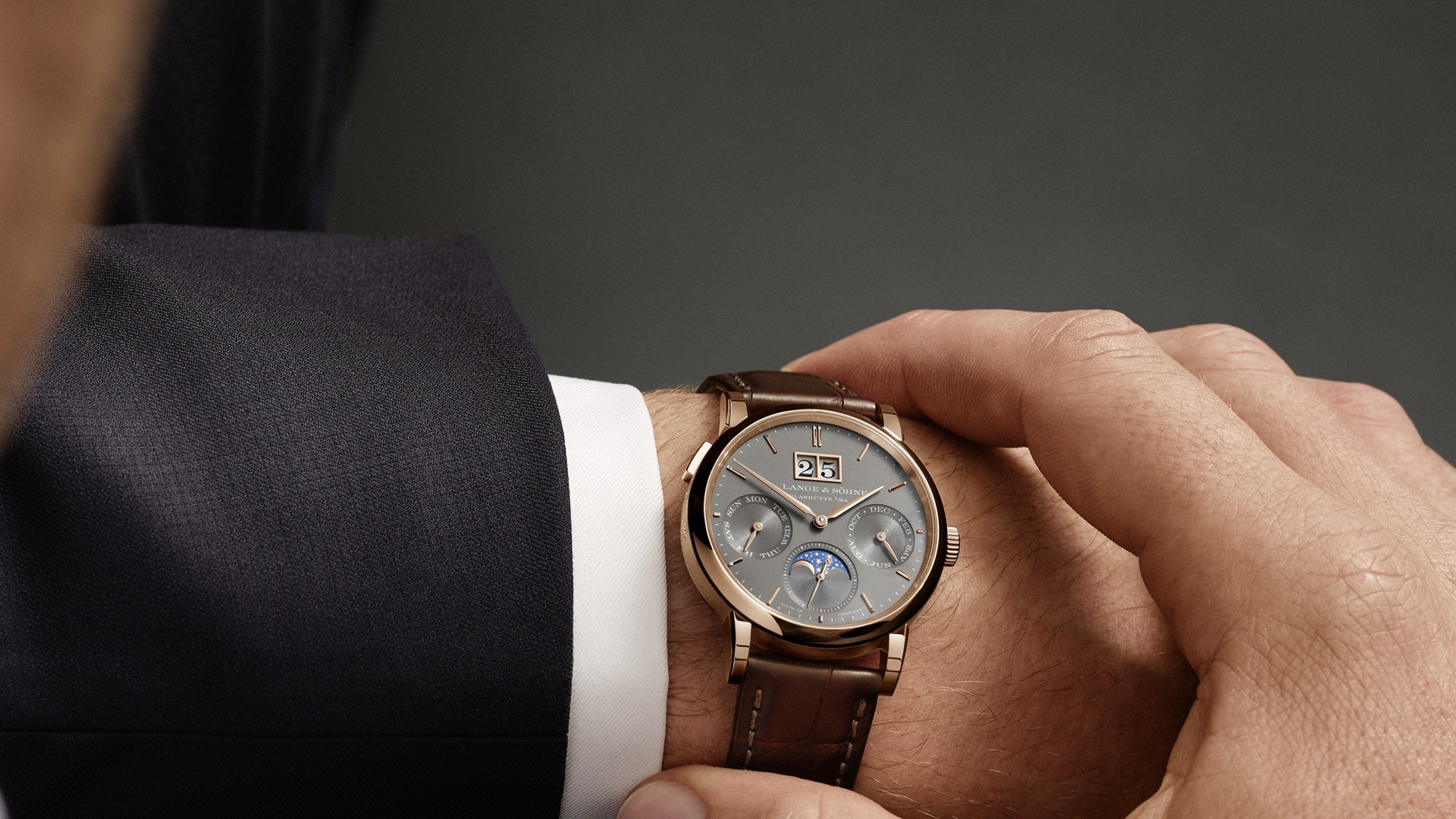
The luxury watch market often categorises timepieces by gender. In contrast, A. Lange & Söhne deliberately avoids this practice. While the brand certainly notices strong interest from female collectors today, it steadfastly refuses to produce gender-specific watches. Instead, they design watches strictly in line with the established visual language of its six distinct families. Naturally, some designs project a more robust appearance, whereas others look distinctly softer. Ultimately, the core design language dictates the aesthetic, rather than the gender of the intended wearer.
Which model is the best entry point into A. Lange & Söhne?
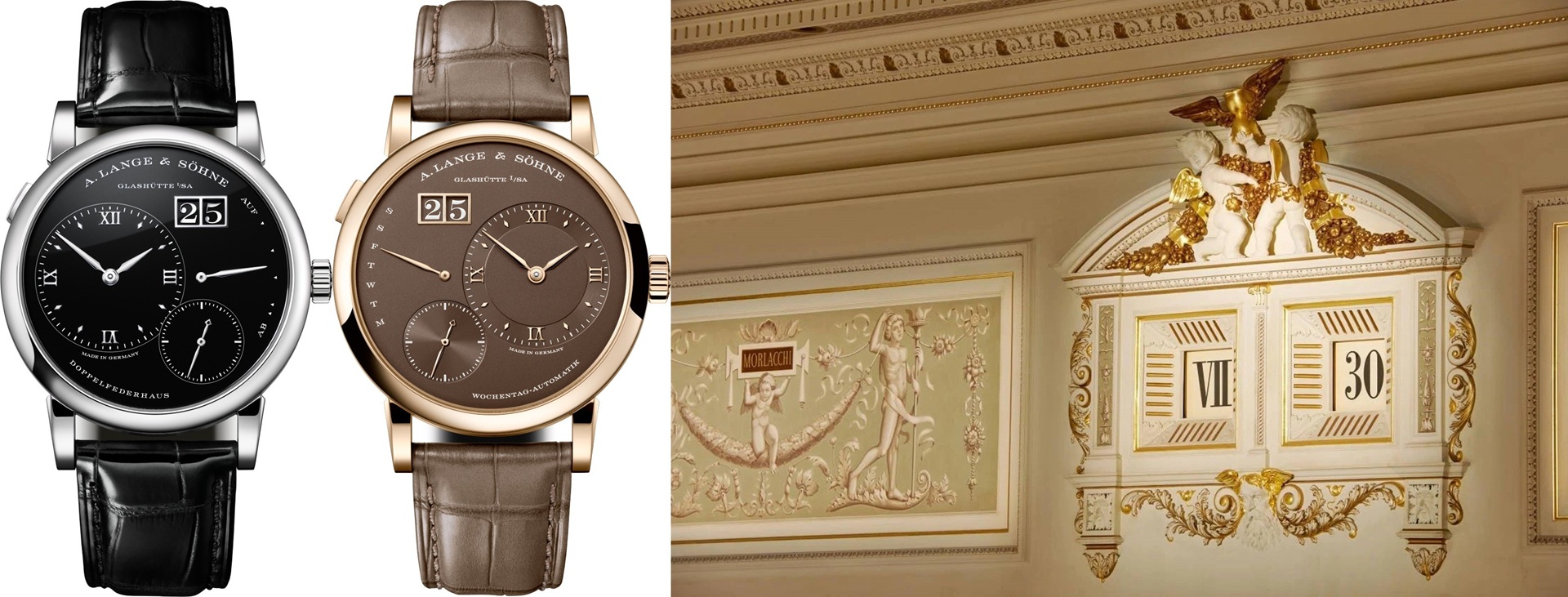
Collectors often view the Saxonia Annual Calendar as a potential entry point into the brand because of its relative price point. Nevertheless, Schmid pushes back against the concept of an entry-level watch. He points out that every model remains a highly expensive luxury item. Furthermore, the brand applies the exact same level of meticulous craftsmanship to a Saxonia Thin as it does to a Grand Complication.
For collectors seeking their first piece, Schmid consistently recommends the classic Lange 1. Since it remains the brand’s best-selling design, it offers a timeless introduction to their ethos. Meanwhile, the Saxonia Annual Calendar provides an excellent alternative for those who prefer a traditional dial layout over the asymmetric look of the Lange 1. However, securing any model requires immense patience. Schmid notes that last year’s 1815 release sold out globally almost instantly, proving that intense demand exists across the entire catalogue, not just for highly limited Lumen editions.
Also Read: A. Lange & Söhne debuts the new LANGE 1 DAYMATIC HONEYGOLD