

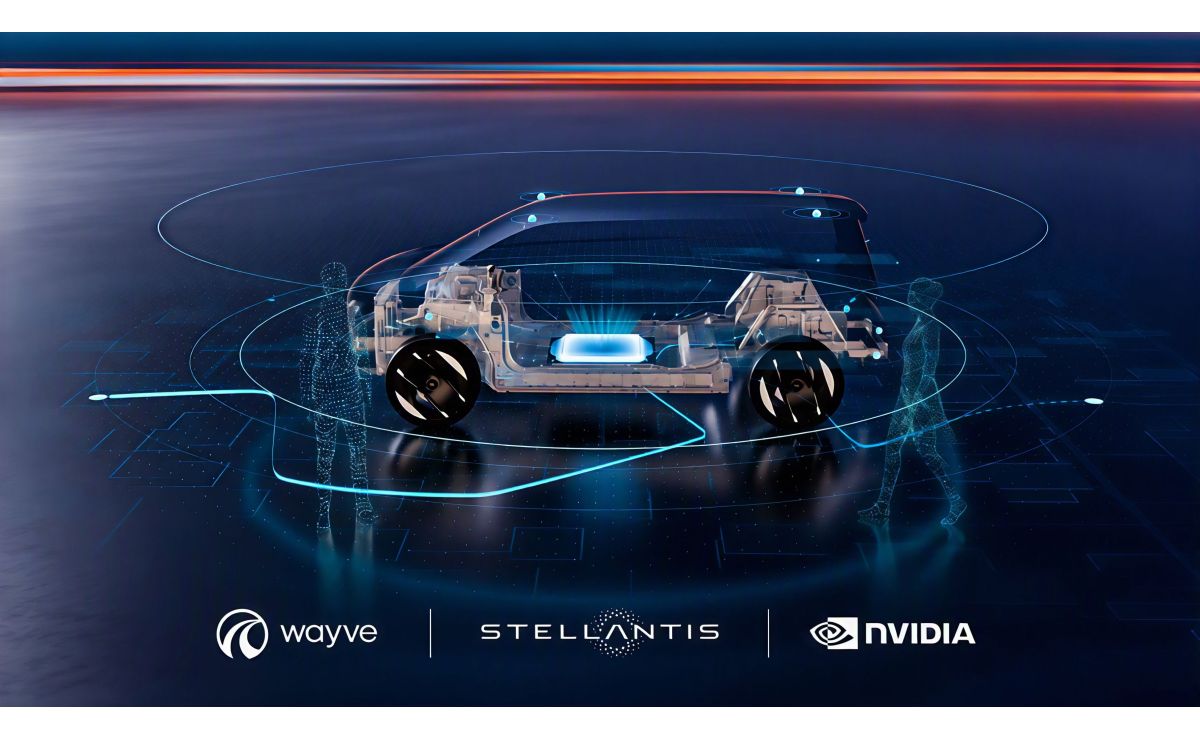
What Is the Aim of the Collaboration?
The collaboration among Wayve, Stellantis, and NVIDIA was announced in Paris on October 23, 2026, during the Assises du Véhicule Autonome. At the time, the French government was actively working to establish an ecosystem for artificial intelligence and autonomous mobility.
The collaboration will draw on the three companies’ combined expertise in AI, computing, engineering, and manufacturing.
How Will the Three Companies Integrate Their Technologies?
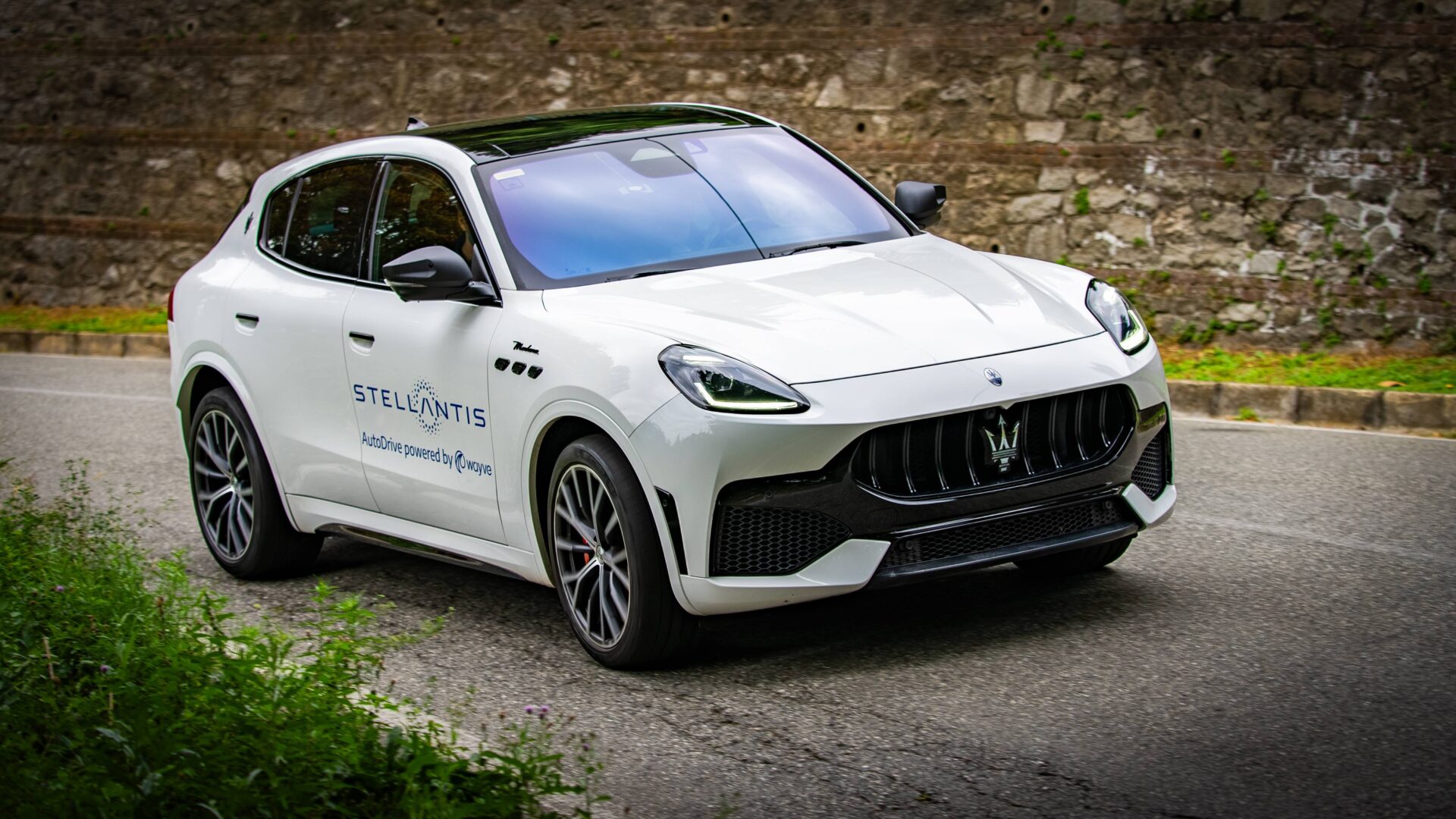
Stellantis, Wayve, and NVIDIA will each contribute different technologies and expertise to the autonomous driving project. For example, Stellantis will provide its L4-ready vehicle platforms and engineering and manufacturing expertise to facilitate the integration of autonomous driving technology.
Wayve will contribute its AI Driver, an artificial intelligence system designed to enable autonomous driving. This technology will work alongside NVIDIA Halos OS and NVIDIA Hyperion, which provide components of the computing and sensor platform.
The combined solution will involve vehicle hardware, sensors, computing systems, and AI software. However, the three companies have yet to identify specific vehicle models for integration or announce technical performance targets for the project.
Why Is France the Initial Focus?
France has been selected as the starting point for this collaboration because of its automotive engineering capabilities, AI industry, and ride-hailing sector. In addition, the country aims to establish itself as a hub for AI-driven mobility.
The French government is involved in discussions concerning the regulations needed to implement this technology. According to Transport Minister Philippe Tabarot, France plans to adapt its regulatory framework to accommodate the technology while maintaining high standards for safety and data sovereignty.
The announcement does not specify a timeline for regulatory changes or identify the cities where the partnership’s technology will be tested.
How Will Safety and Data Protection Be Addressed?
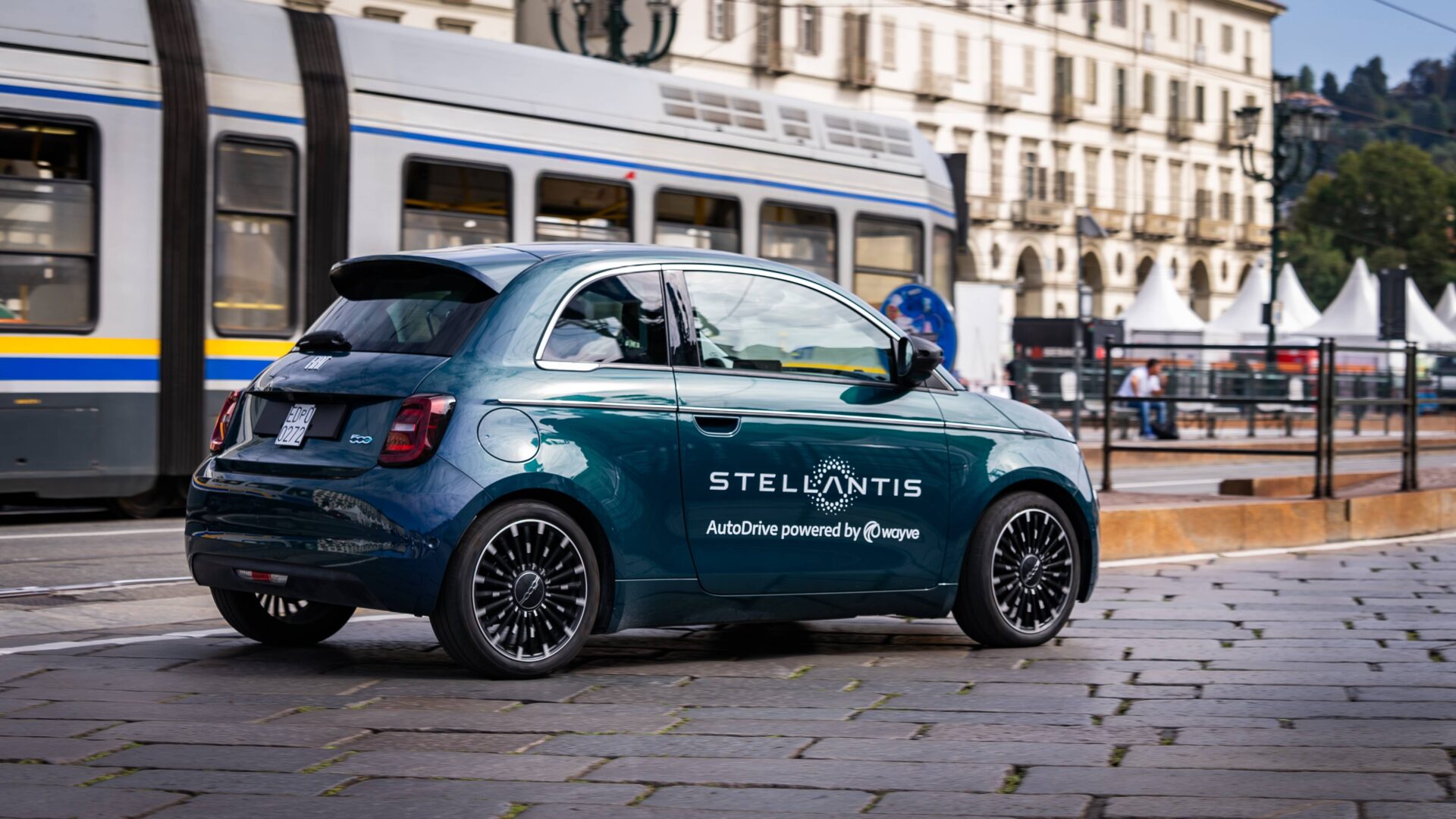
Safety is a key consideration as autonomous driving technology moves closer to deployment on public roads. The partners expect to combine their expertise in AI, computing, and automotive engineering to help develop an autonomous driving system.
NVIDIA will contribute its computing and sensor architecture, Wayve will provide its AI Driver, and Stellantis will support the integration of the technology into vehicles through its engineering and manufacturing expertise.
How Will Workers and Local Communities Be Involved?
The companies aim to collaborate with local partners, trade unions, and urban transport stakeholders. Local transport operators are expected to play a leading role in the engagement process.
The initiative aims to assess how autonomous transport could affect workers, passengers, and the wider community. This engagement could help identify the requirements for integrating self-driving systems into existing transport networks.
However, specific cities, transport companies, agreements with trade unions, and employment figures have yet to be identified.
What Are the Next Steps for Autonomous Mobility in France?
This partnership provides an opportunity for the three companies to advance autonomous driving technology and explore potential applications in France.
Wayve’s Vice President of Autonomous Mobility and Operations, Kaity Fischer, highlighted the importance of the partnership with the French government. At Stellantis, Senior Vice President of Technology Research Anne Laliron identified France as an important centre for engineering and technology. Ali Kani, NVIDIA’s Vice President of Automotive, emphasised the importance of collaboration in AI, computing, and vehicle engineering.