

British heritage brand McLaren has revealed a new and evolved identity. The new McLaren identity brings together the marque’s past, present and future in one connected expression. The visuals evidently showcase the adoption of a new wordmark as part of the evolved identity. But does this imply the iconic papaya orange colours and brand identity is finally foregone? Read on to find out.
Is McLaren changing its logo?
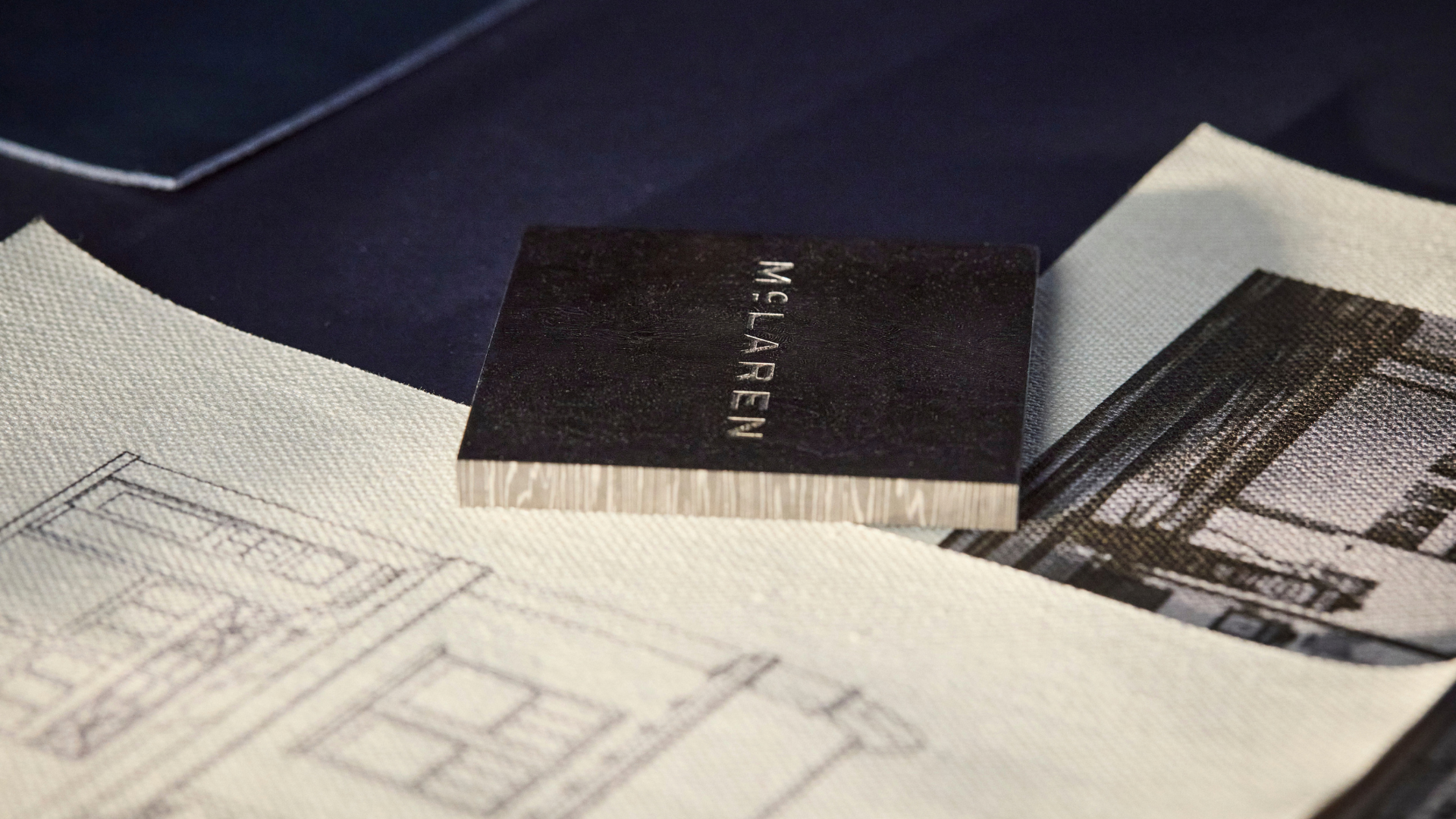
Yes. The historic British carmaker has introduced a new wordmark as part of its evolved identity. McLaren says this evolution reflects its past, present and future and describes it as the beginning of a new chapter. McLaren’s new visual identity will also bring McLaren Automotive and McLaren Racing together under one connected visual expression.
What inspired McLaren’s new wordmark?
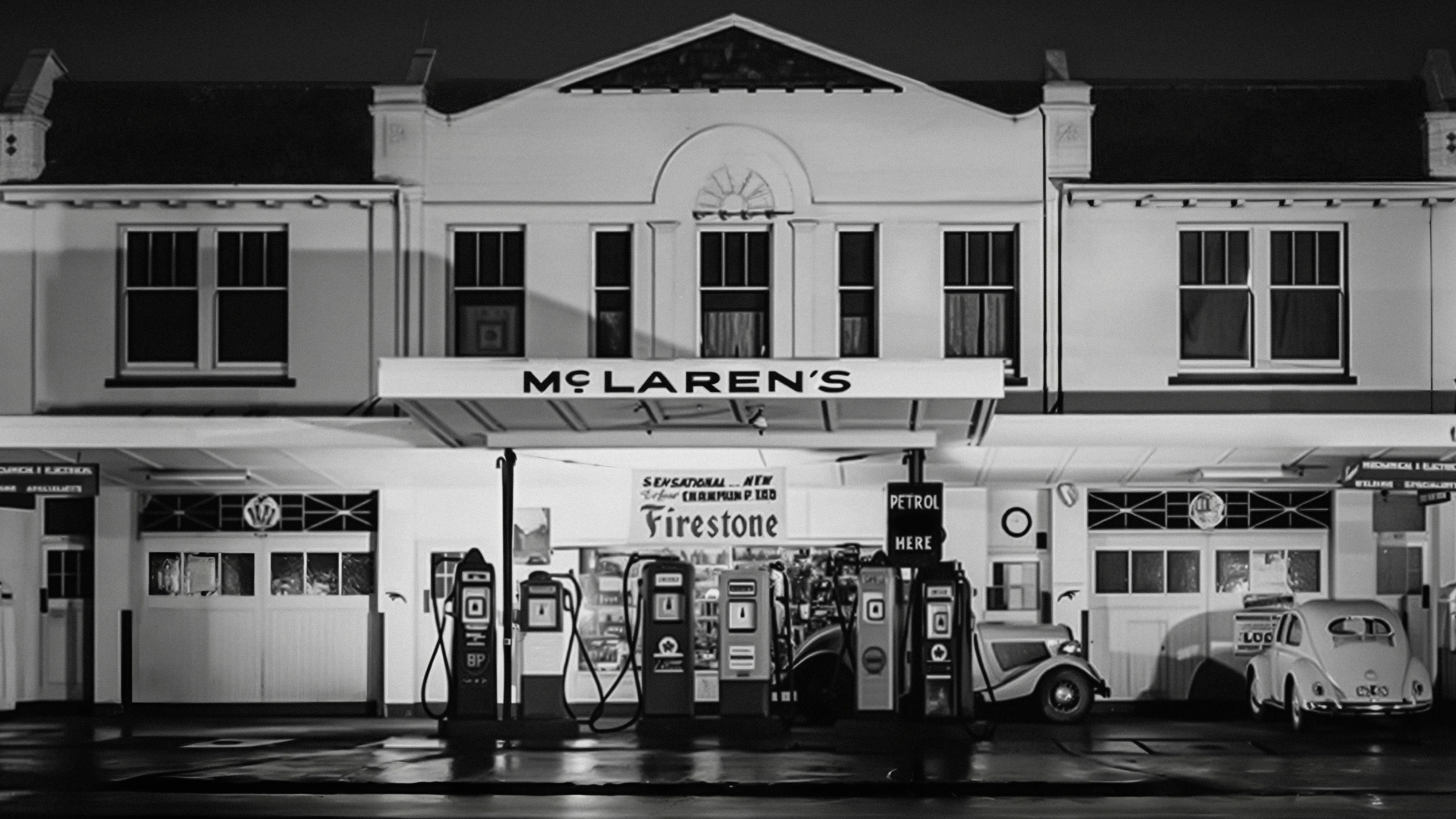
The new wordmark identity has been inspired by the signage above the McLaren family service station in Remuera, Auckland. This service station was owned by founder Bruce McLaren’s parents – Les and Ruth McLaren. The station also served as Bruce McLaren’s workshop within which he built the car that took him to his first racing victory. Hence, the new visual identity reconnects the modern brand to its more humble origins.
Will McLaren still use the Papaya colour?
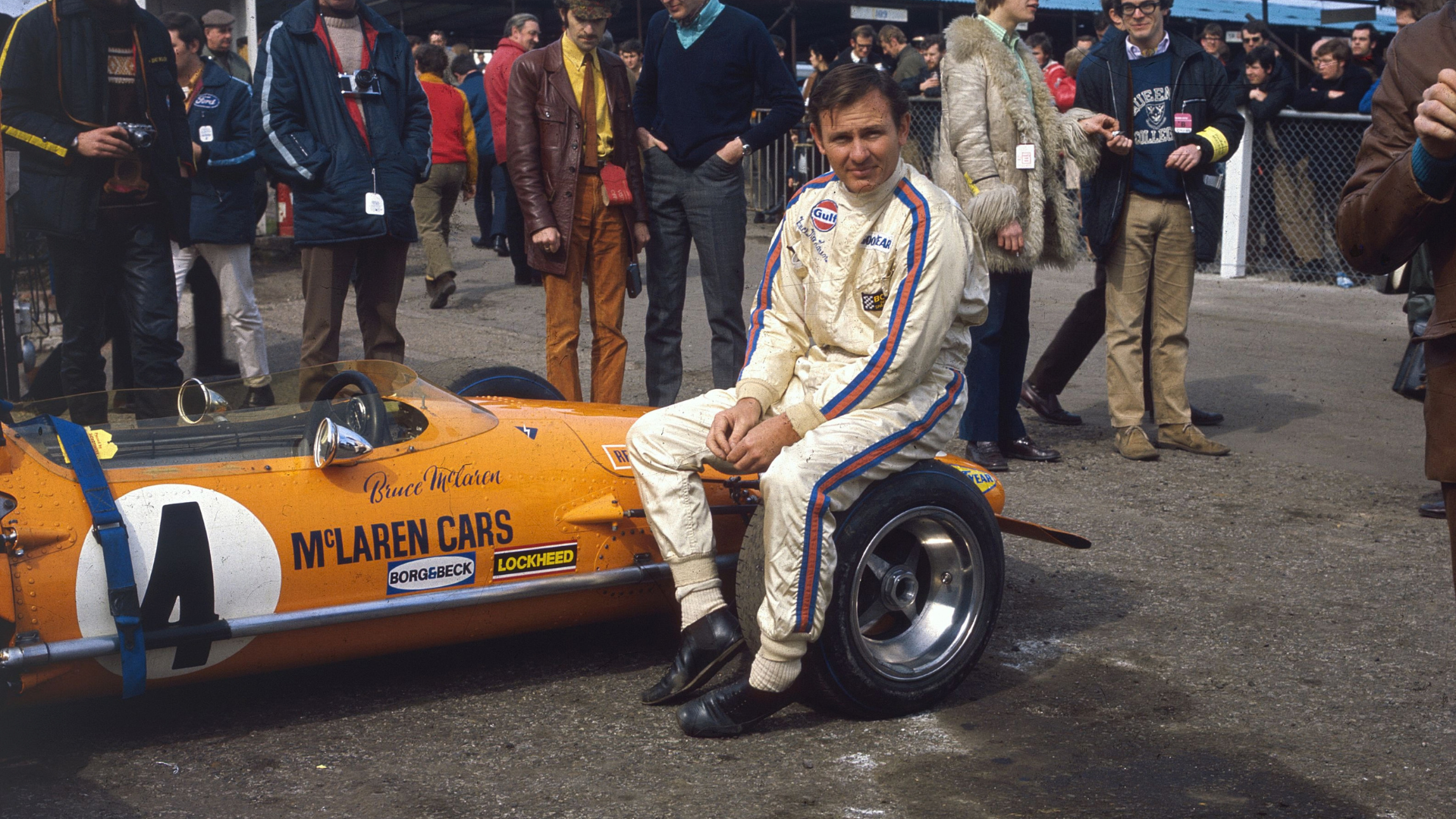
Yes, McLaren claims the papaya continues to be a defining part of McLaren’s identity. The new system expands the colour palette with colours inspired by important moments in McLaren history including moments from the brand’s glorious motorsport heritage. The new Speedmark logo will also stand as the central McLaren symbol while the Papaya and Speedy Kiwi design elements sustain their importance as the brand’s visual identity.
Why has McLaren changed its brand identity?
The reasons for the new brand identity are multifold:
- Unification: Both, McLaren Auto and McLaren Racing, will finally carry the same visual identity.
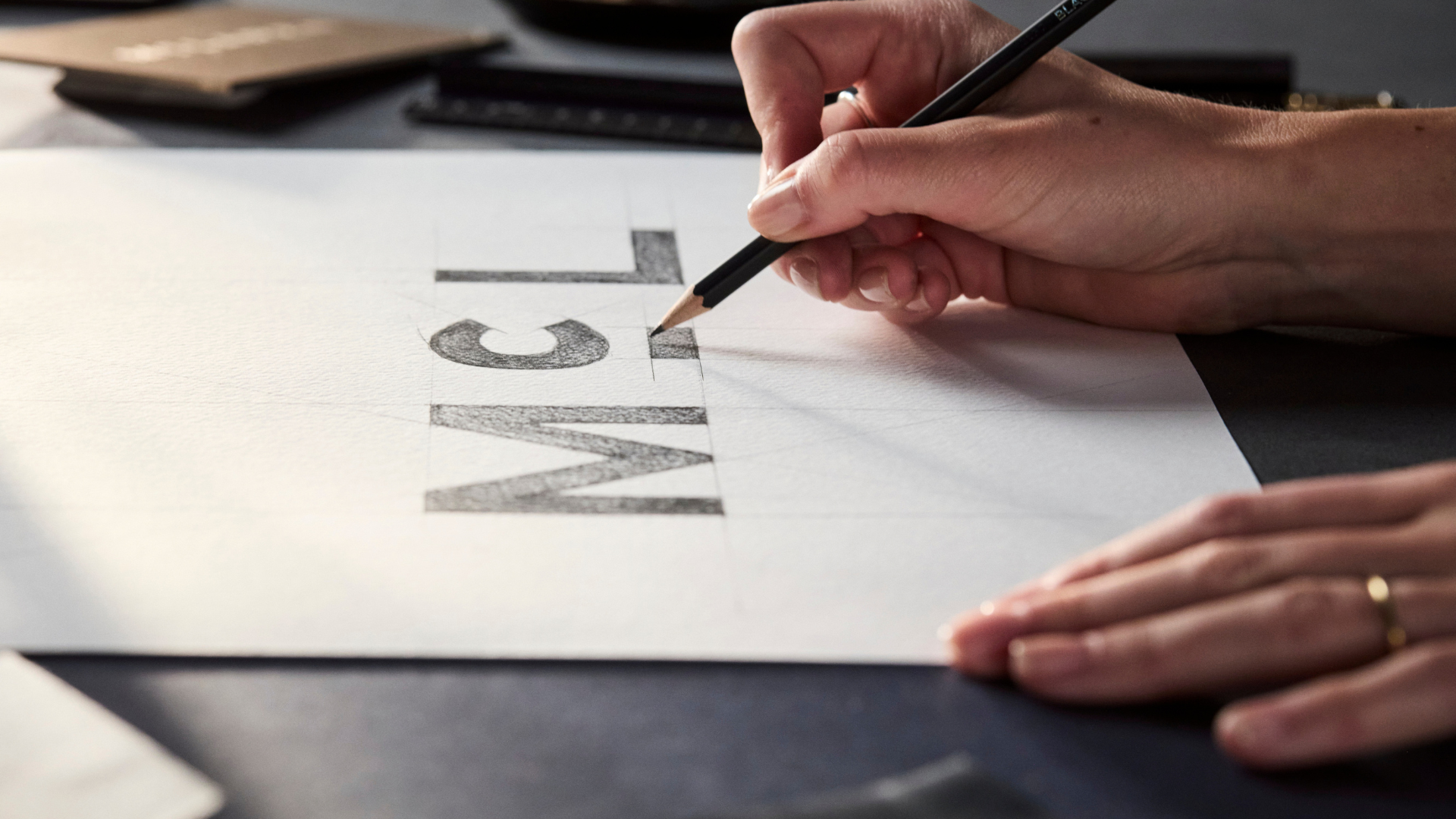
- Ode to Heritage: The new wordmark logo pays homage to the humble roots of the founder’s origins.
- Personalisation and experiences: The new McLaren identity signals the brand’s new approach to move beyond its products and commence providing ownership experiences comprising a tight-knit community and heightened personalisation.
Is McLaren expanding beyond two-seat sports cars?
The new McLaren logo comes at a crucial time in the brand’s timeline. McLaren has further confirmed an investment programme of £500 million towards its UK manufacturing and engineering footprint. This further entails a confirmed announcement of McLaren’s first-ever SUV, earmarking McLaren’s expansion to being more than a two-seater sports car manufacturer in the future.

Does the new McLaren identity apply to both McLaren Racing and McLaren Automotive?
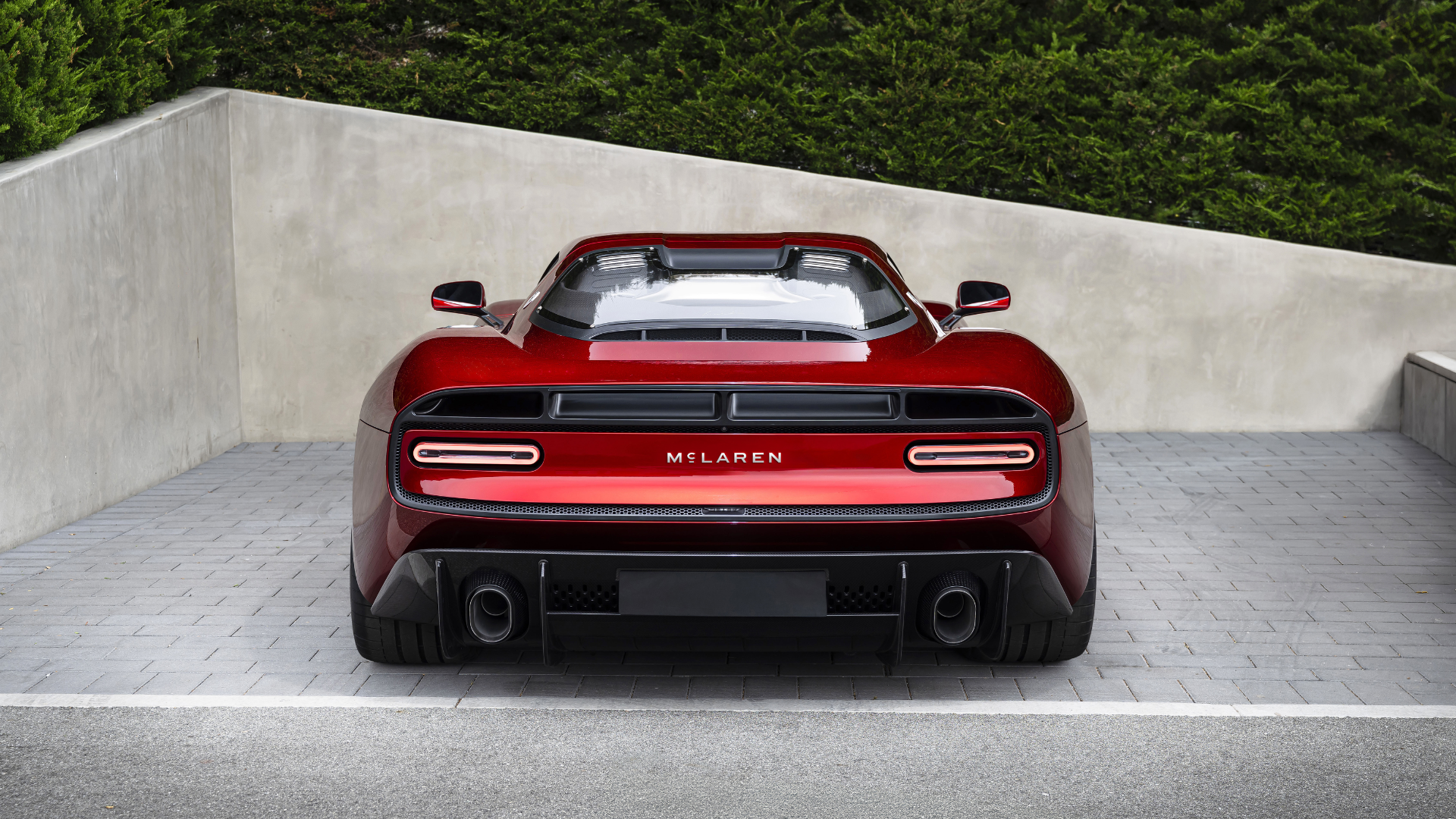
Yes, the new McLaren identity will apply to Mclaren’s road-going supercars as well as its entire Racing division. For the unaware, the McLaren Racing division works beyond F1 in motorsport. McLaren Racing competes across three racing series. The team competes in the FIA Formula 1 World Championship, the NTT INDYCAR SERIES and the F1 Academy with Driver Development Programme. The racing side of the brand shall continue to use established visual language comprising papaya colours. Additionally, the new McLaren logo first appeared on the new McL6GT – a modernised interpretation of the rare Mc6GT supercar devised by the founder himself. However there is no confirmation if all new McLaren Automotive supercars will carry the new wordmark signature or retain the speedmark existing logo.
AT A GLANCE – McLaren’s new identity: 5 things to know
New wordmark: Inspired by the McLaren family service station in Remuera, Auckland.
Speedmark: Retained as a central symbol.
Papaya: Still a defining McLaren colour.
Unified identity: Designed to connect McLaren Automotive and McLaren Racing.
New Car Launch: McLaren will soon launch its first-ever SUV.