

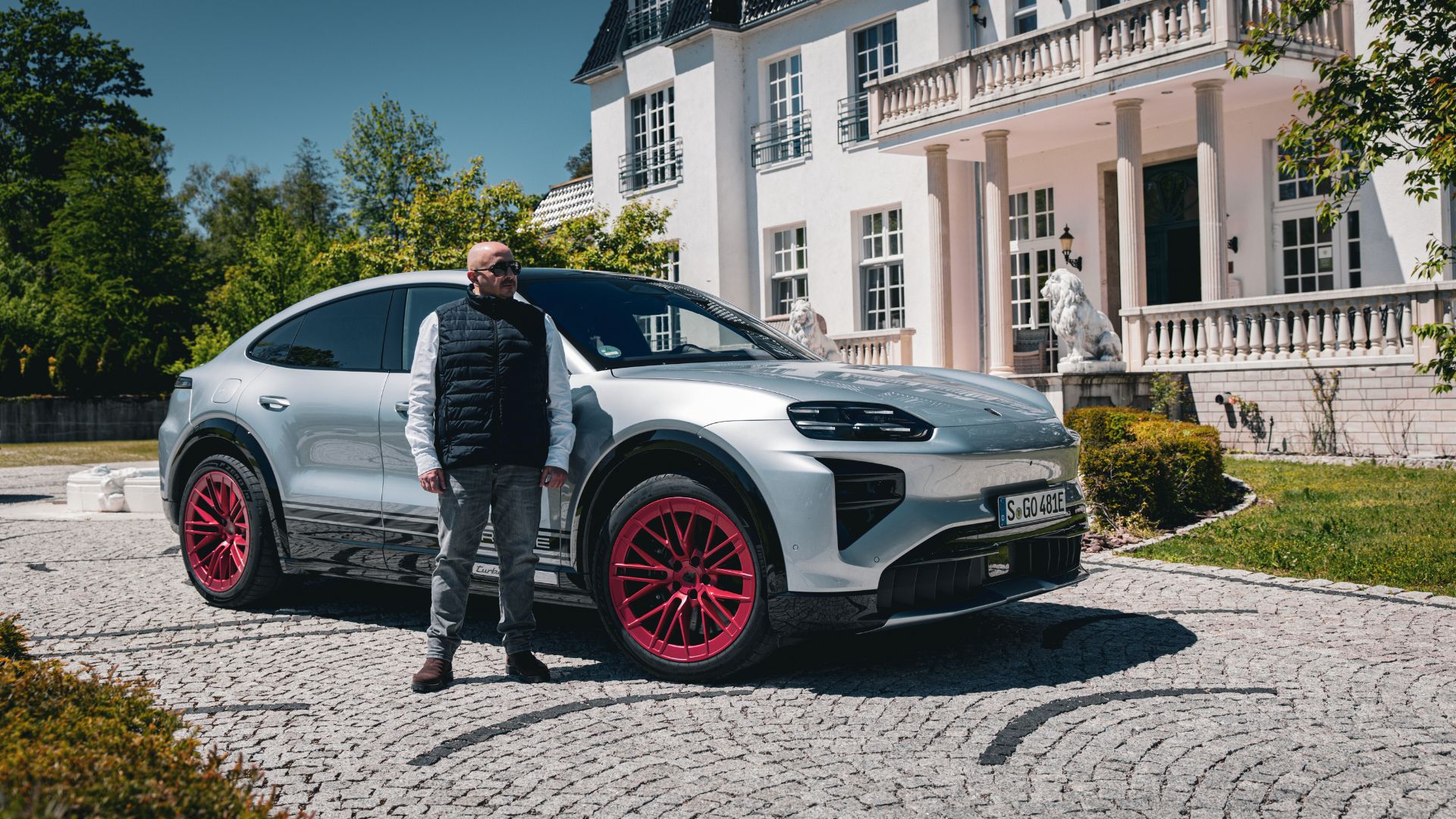
The Porsche Cayenne Coupe Electric produces 1,139 horsepower. In an SUV. That single fact is either the best argument for buying one or the clearest sign that the category has lost its mind. The choice is, of course, entirely perspective-based. Either way, it demands attention.
This is Porsche’s most performance-focused Cayenne yet, and it arrives fully electric. Naturally, the question is whether the engineering lives up to the numbers. On most counts, it does. Still, the full picture is worth examining.
What does the Porsche Cayenne Coupe Electric look like?
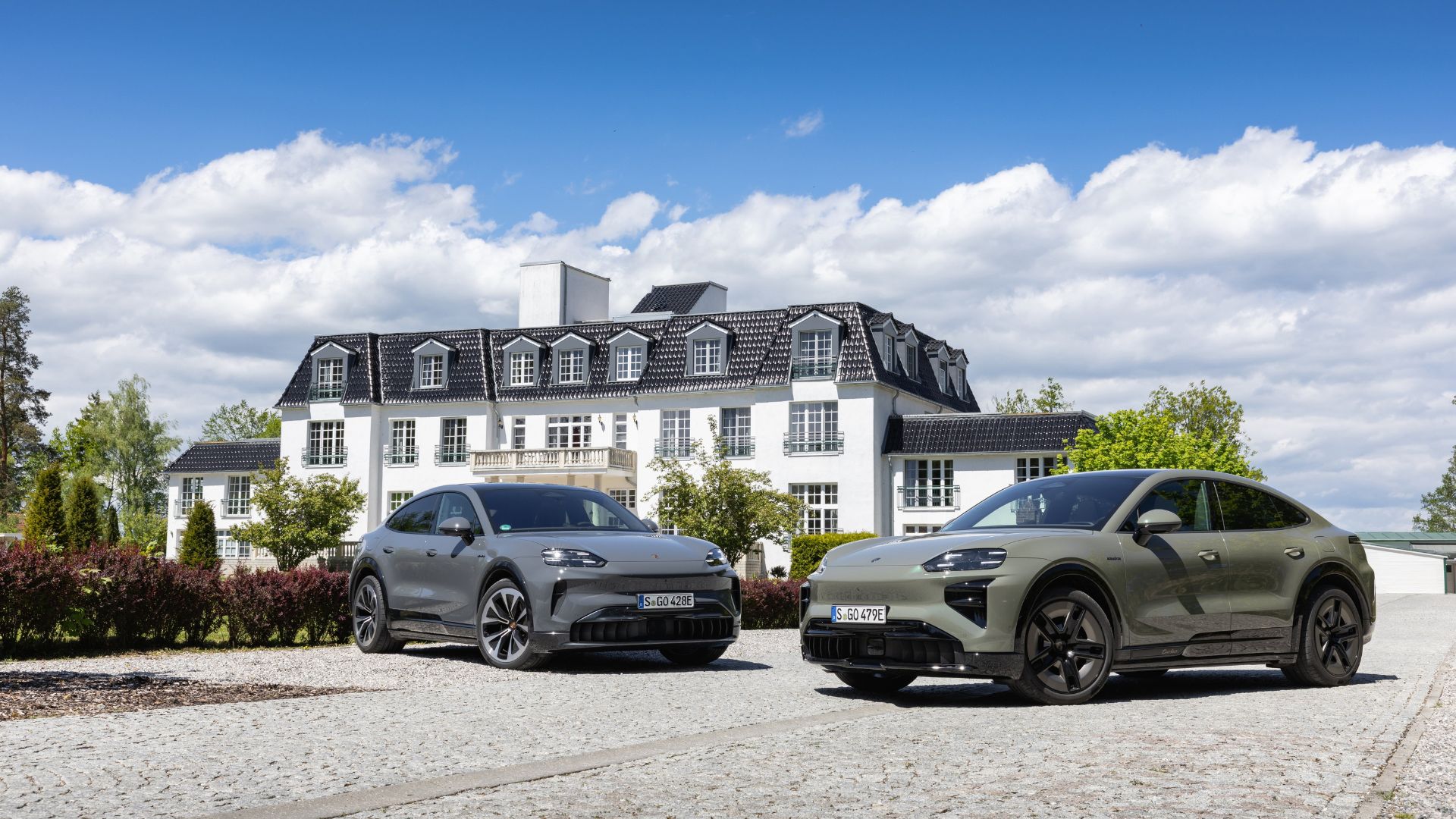
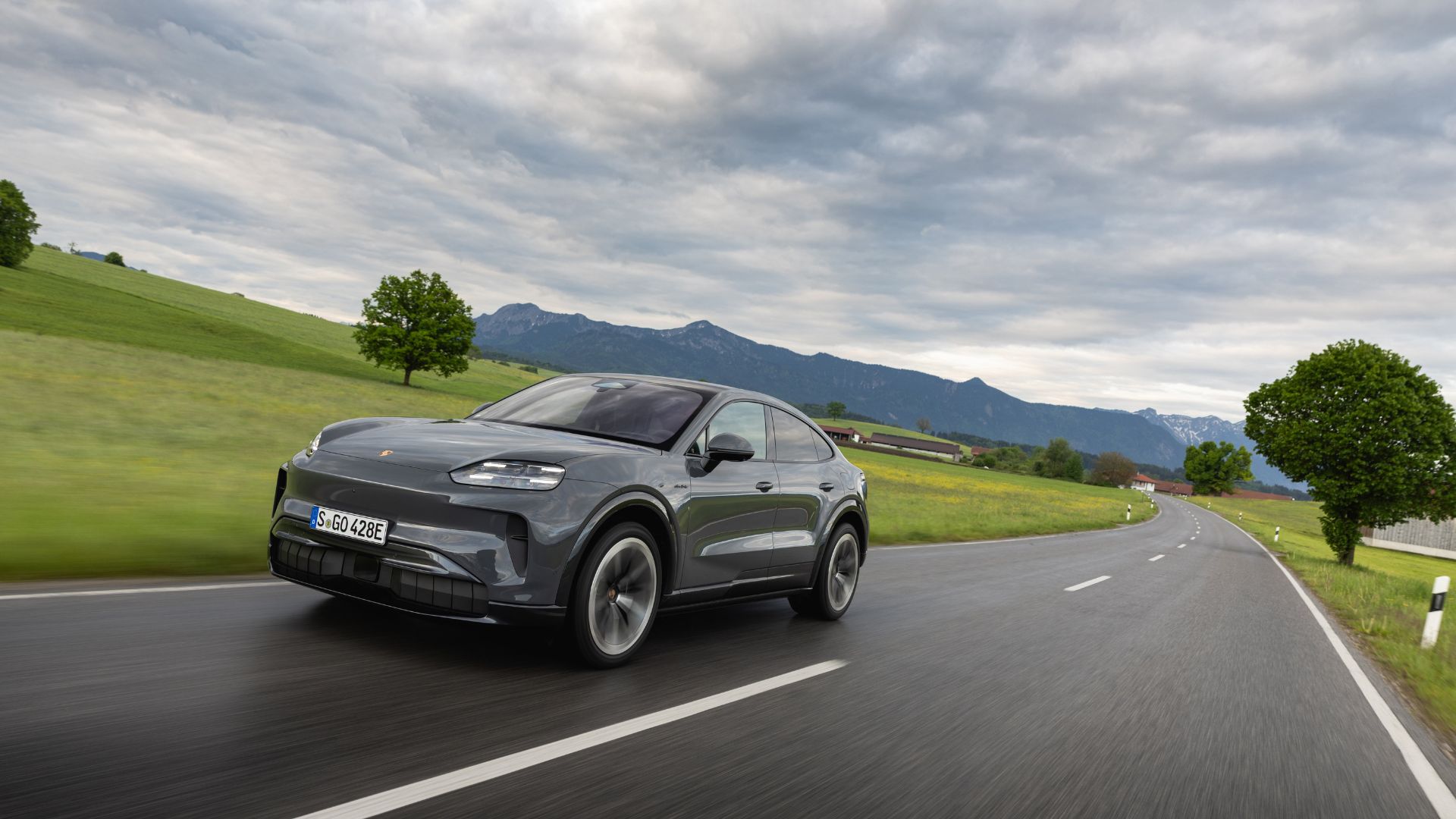
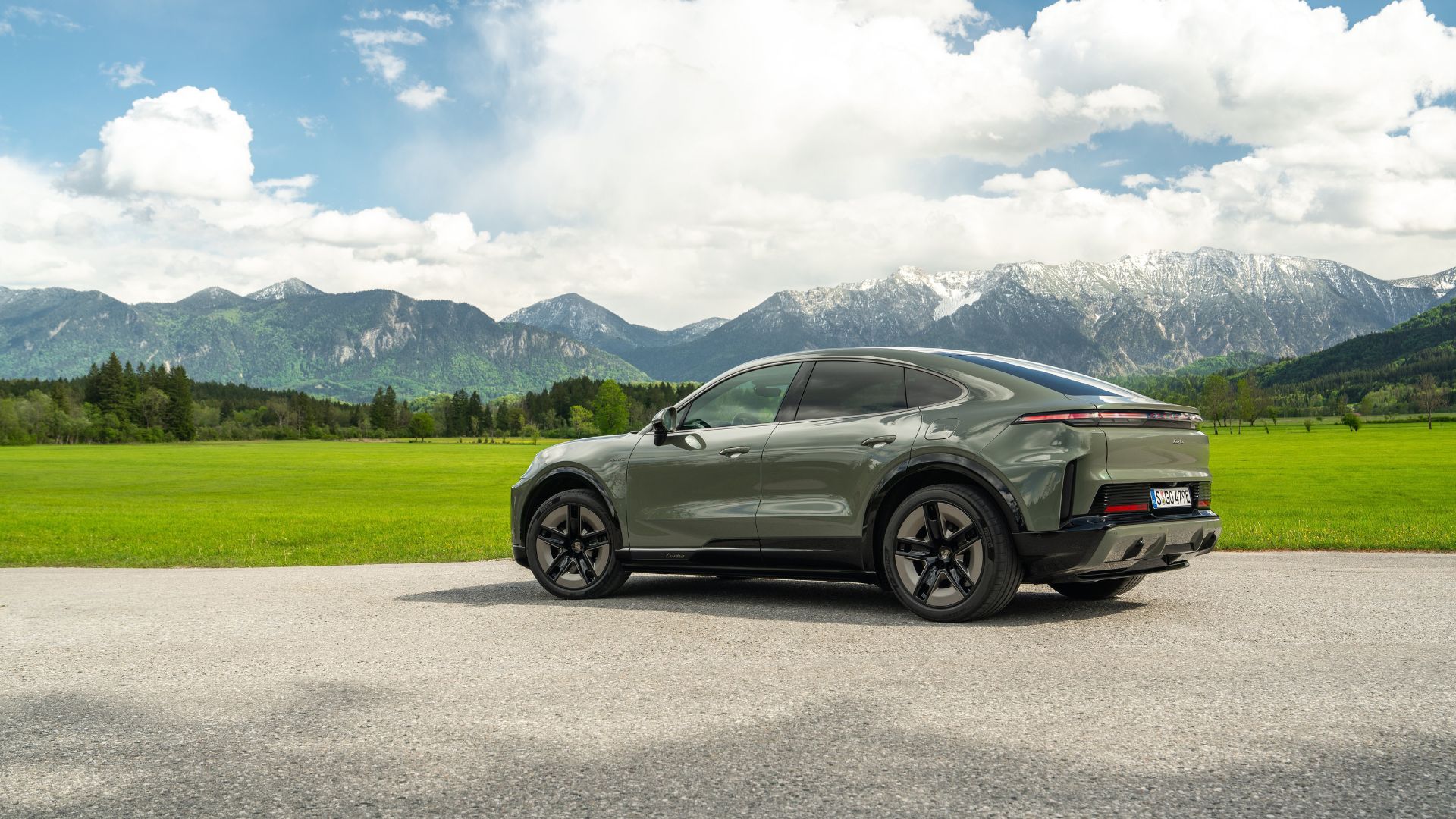
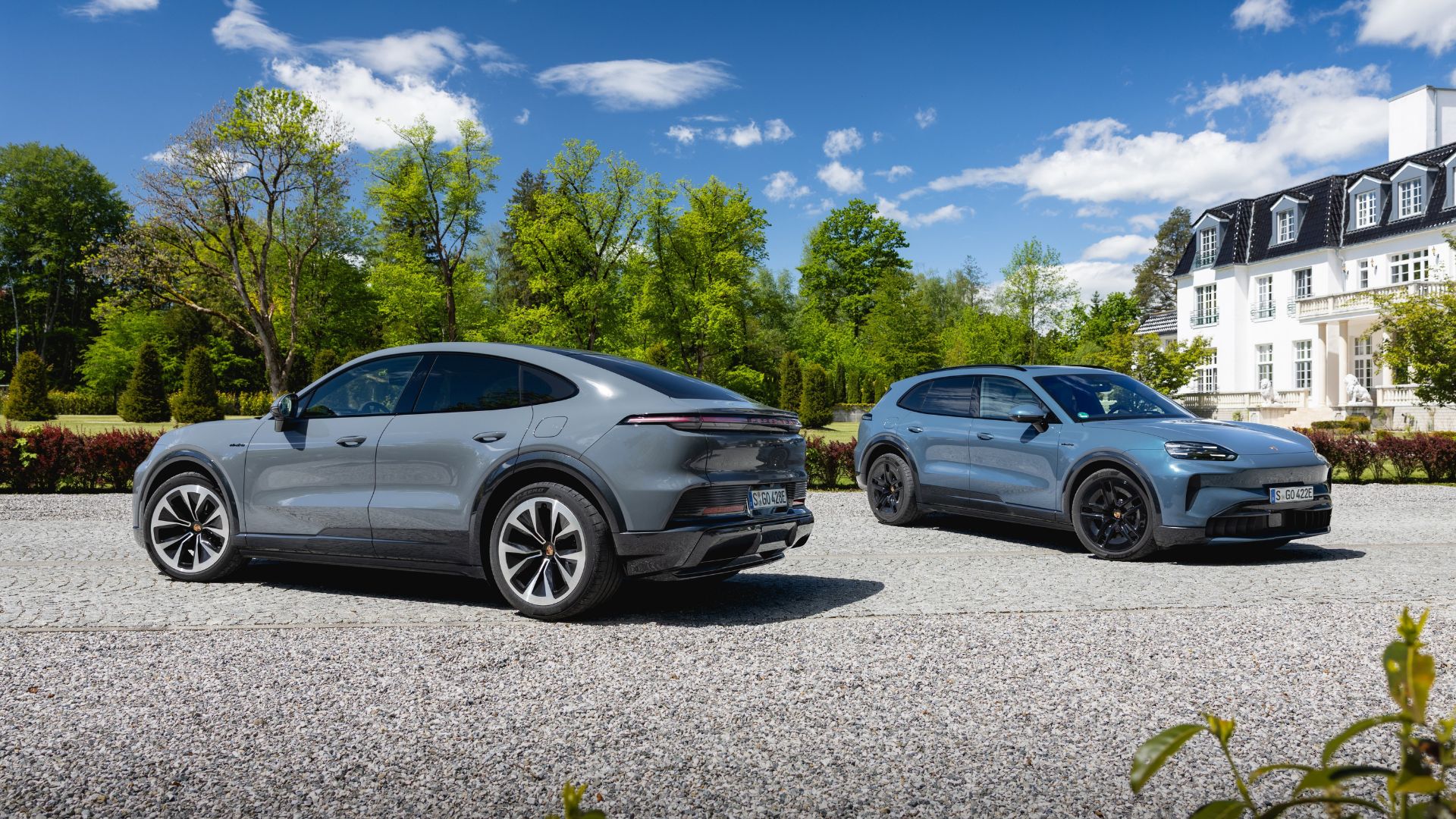
Porsche has never treated aerodynamics as a purely functional concern, and the Porsche Cayenne Coupe Electric is no exception. The front grille is gone entirely. In its place, a clean, low-slung nose directs airflow with far greater efficiency. At the rear, the Air Blade system, a sculpted spoiler integrated into the roofline, actively manages downforce without the visual bulk of a conventional wing.
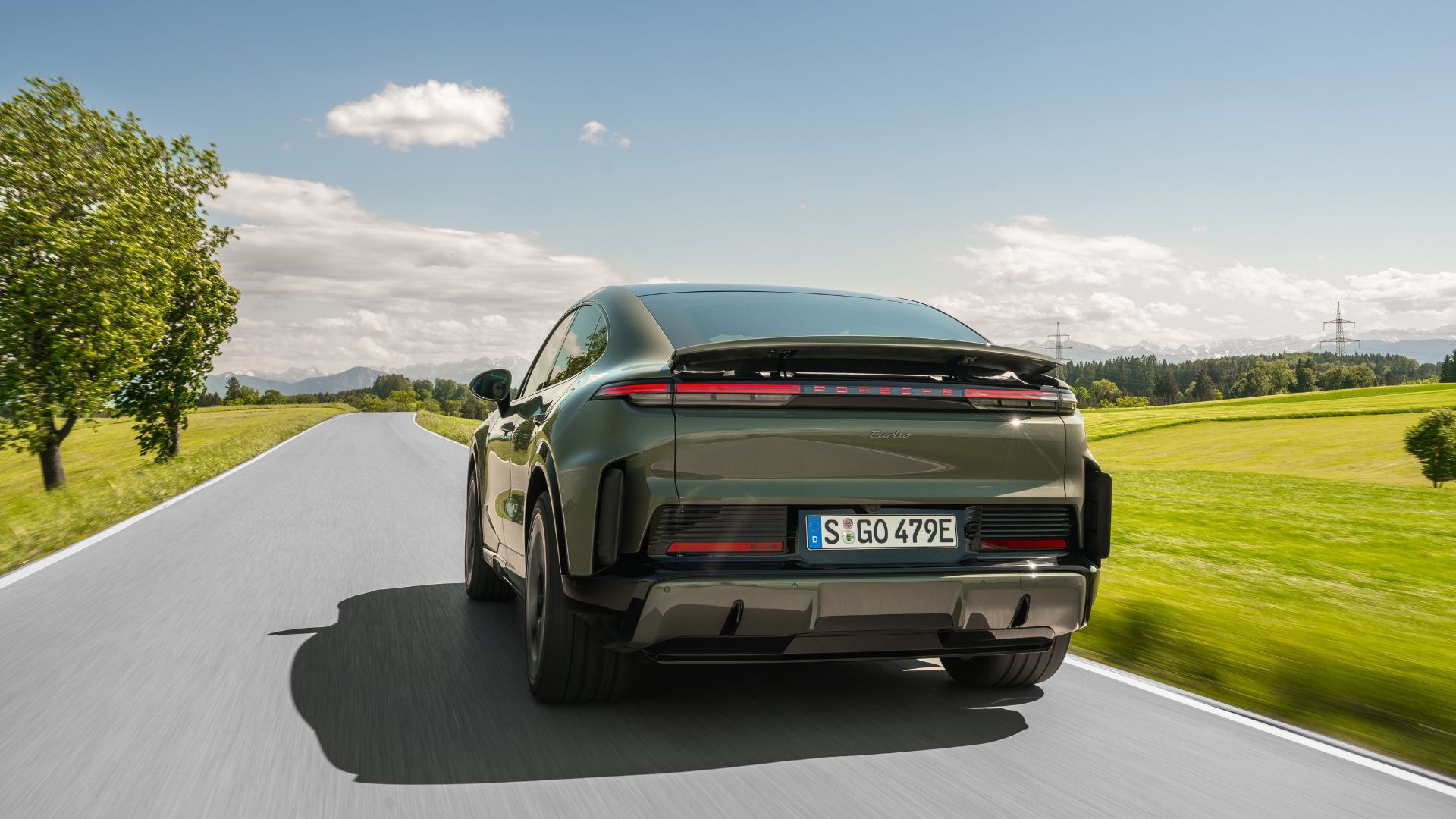
Consequently, the drag coefficient drops to 0.23 Cd. The standard Cayenne SUV has a Cd of 0.25. That gap may look small on paper, but at motorway speeds it translates to measurably better range and improved high-speed stability.
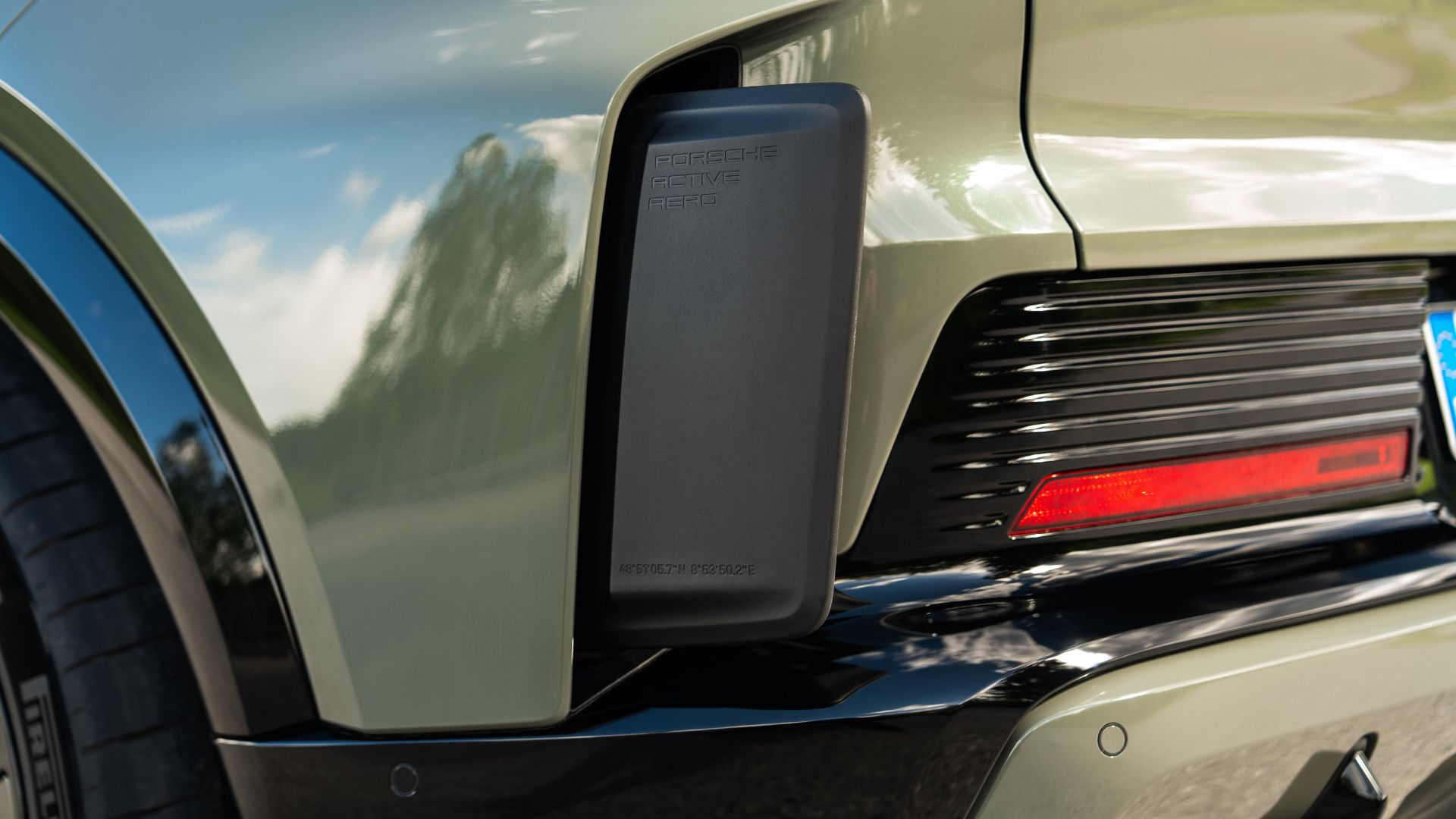
Visually, the effect is striking. The sloping rear windshield, wide rear fenders, and the overall silhouette draw an unmistakable line back to the 911. Porsche has essentially taken its most recognisable design language and stretched it over a vehicle that seats five and clears speed bumps without a second thought. Whether that reads as clever or contradictory will depend on the viewer. In person, it reads as confident.
What are the performance figures?
Three powertrain options are available, each using dual electric motors, one driving the rear axle and one driving the front axle. The base trim produces 435 horsepower. The S trim steps up to 657 horsepower. Meanwhile, the top-spec Turbo version reaches 1,139 horsepower, more than a Bugatti Veyron had at launch, with torque distributed to both axles in milliseconds.
That last figure deserves context. This is not the kind of number that sits dormant until a track day. Electric motors deliver torque instantaneously and without the build-up of a combustion engine, which means the Porsche Cayenne Coupe Electric feels fast well before it is fast. Throttle response in everyday traffic is immediate and, on the base trim, occasionally startling.
Underpinning all of this is a sophisticated thermal management system. Rather than running a single coolant loop across the motors, battery pack, inverter, and cabin climate systems, Porsche uses multiple independent loops. Each manages its own heat load. As a result, performance does not degrade during sustained hard driving the way it can in less carefully engineered electric vehicles.
How does the Porsche Cayenne Coupe Electric drive?
The driving experience is where the Porsche Cayenne Coupe Electric makes its clearest argument. It does not feel like an electric SUV. It feels considerably lighter and sharper than that category typically allows, and the chassis tuning deserves most of the credit.
Rear-axle steering reduces the effective turning circle at low speeds and increases stability at higher speeds. Air suspension continuously adapts to road conditions, absorbing the kinds of surface irregularities that would jar a stiffer car without dulling the responses that make the Cayenne Coupe worth driving in the first place. Porsche Active Ride, the brand’s active roll stabilisation system, keeps the body remarkably flat through corners without sacrificing ride quality on the straight. Together, these systems create a car that feels more cohesive than the sum of its specifications suggests.
Beyond that, responsiveness is strong across all trim levels. Even the base 435-horsepower version reacts quickly and accurately. The steering is well-weighted without being artificially heavy. Turn-in is precise.
Braking is handled conventionally, which is worth noting. Porsche has opted against strong regenerative deceleration in favour of a more natural braking feel. The Porsche Cayenne Coupe Electric does not become a one-pedal car. The regenerative system still recovers energy under braking, but it does so without imposing the abrupt deceleration that catches out drivers new to electric vehicles. For those arriving from a conventional Cayenne, the transition is seamless.
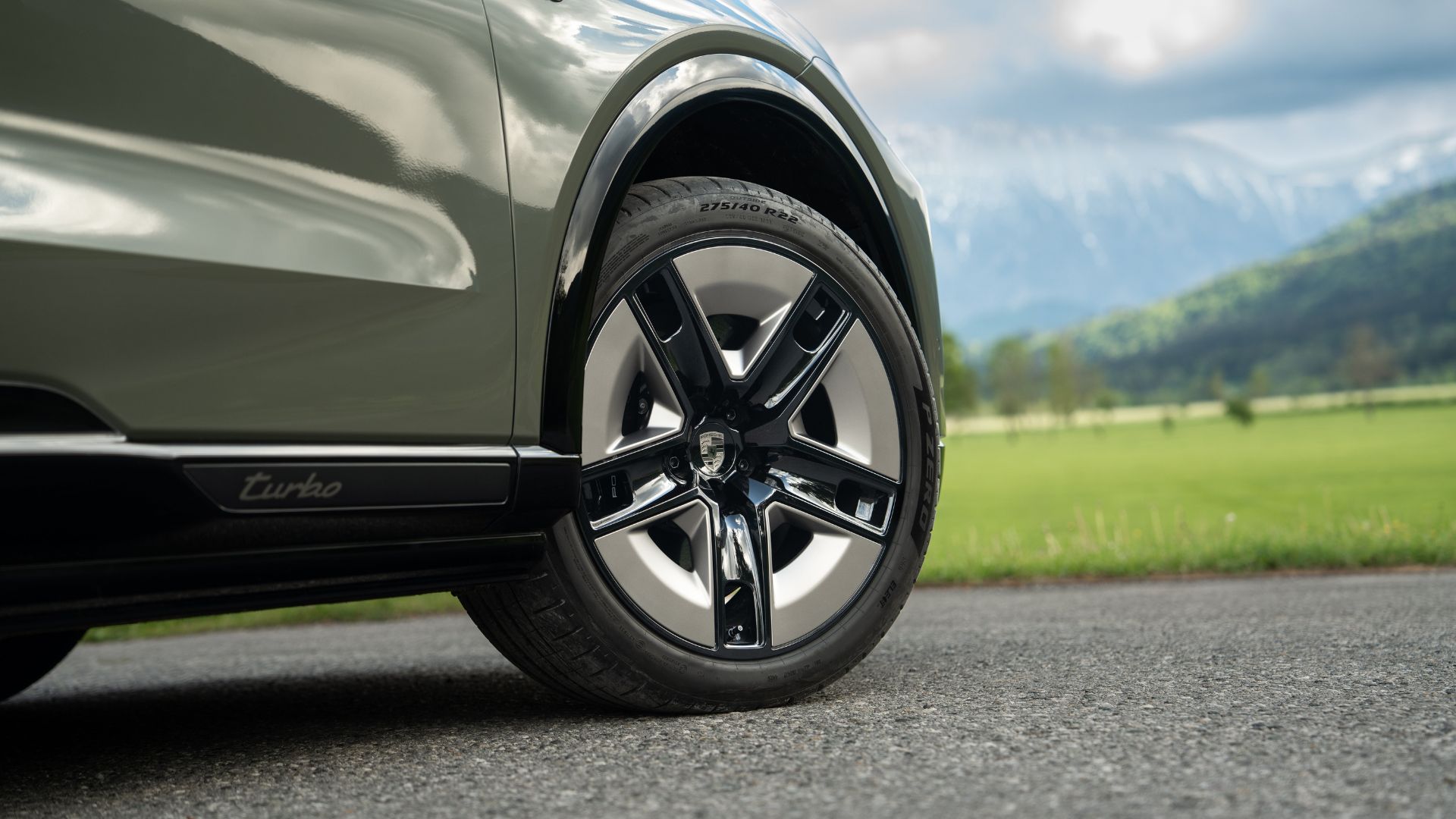
The one area where the experience genuinely differs from a combustion-engined Cayenne is sound. The absence of an engine note is noticeable, particularly at higher speeds where the powertrain would ordinarily be most vocal. Porsche offers more than 80 per cent of the traditional driving engagement, which is credible, but the remaining 20 per cent is almost entirely acoustic.
What is the interior like?
The cabin is unmistakably Porsche. High-quality materials are used throughout; the surfaces feel expensive, and the seating position places the driver low and central in a way that a standard SUV rarely achieves. The sporting intent of the exterior carries over into the interior without becoming theatrical.
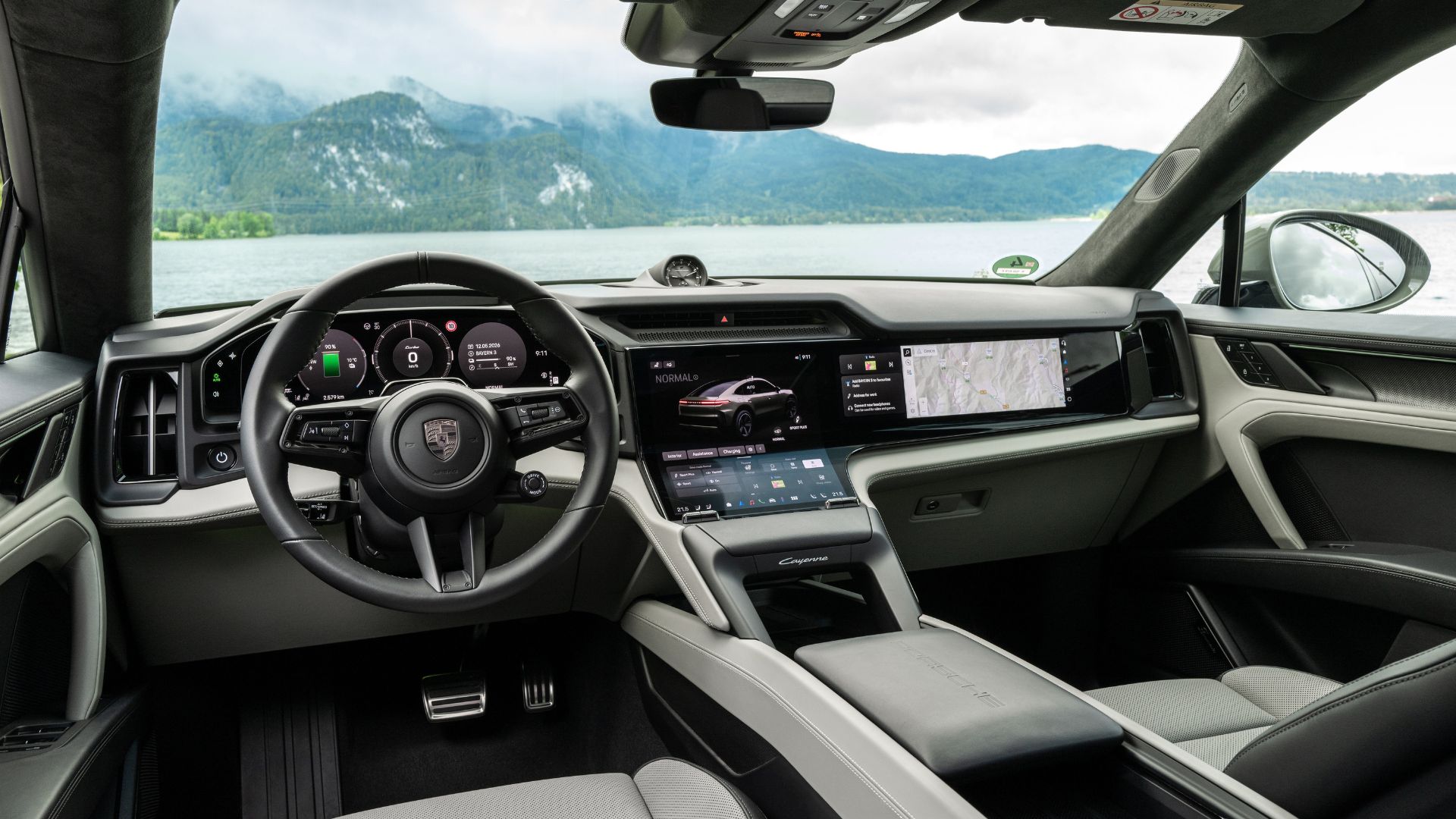
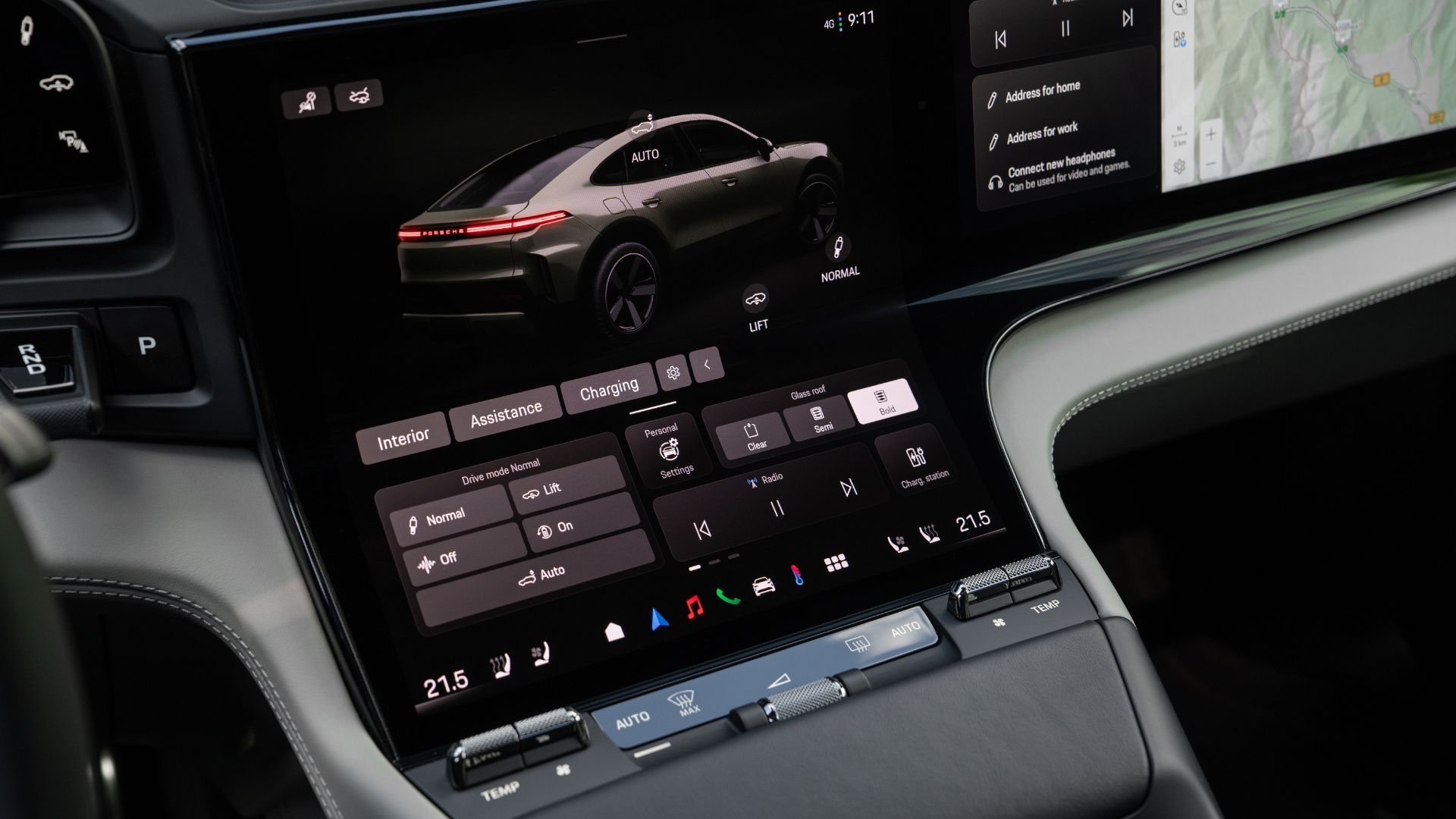
The centrepiece is a vertically curved centre display that handles infotainment, navigation, and vehicle systems. The vertical curve keeps the screen angled naturally toward the driver, reducing the need to redirect attention away from the road. It is large, well-positioned, and responsive. Additionally, a separate display on the front passenger side provides access to the same systems, minus the driving-related controls, which is a practical addition for long journeys. Climate, media, and navigation can all be managed independently without requiring the driver’s attention.
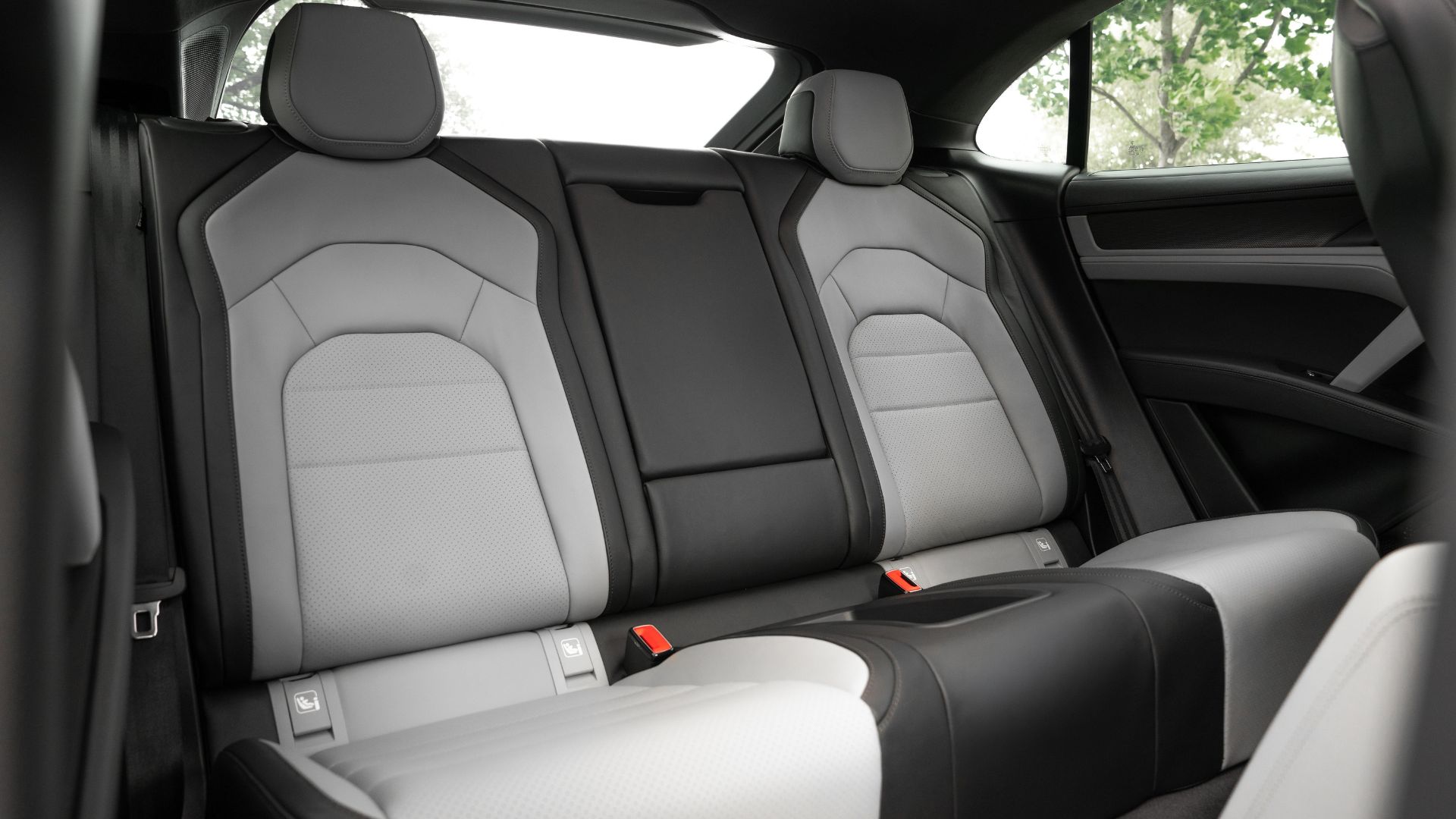
Further back, rear passenger accommodation is more considered than the sloping roofline implies. Porsche has lowered the rear seat position to compensate for reduced headroom, so adults can sit comfortably without the roofline intruding. Legroom is adequate for most journeys.
Charging is handled with similar thoughtfulness. The Porsche Cayenne Coupe Electric supports wireless charging, allowing the battery to top up simply by parking over a floor-mounted charging plate. No cable, no connection, just park and leave. It is a detail that will go unnoticed until the first time a driver realises they have never once plugged the car in.
Is the Porsche Cayenne Coupe Electric worth considering?
Ultimately, the Porsche Cayenne Coupe Electric does not ask you to choose between performance and practicality. It simply removes the question. Fast, composed, technically accomplished, and genuinely enjoyable across a wide range of conditions, this is what happens when an engineering-led brand decides that electric power is not a constraint but an opportunity.
It is the most capable Cayenne ever made. And it happens to have no engine.