

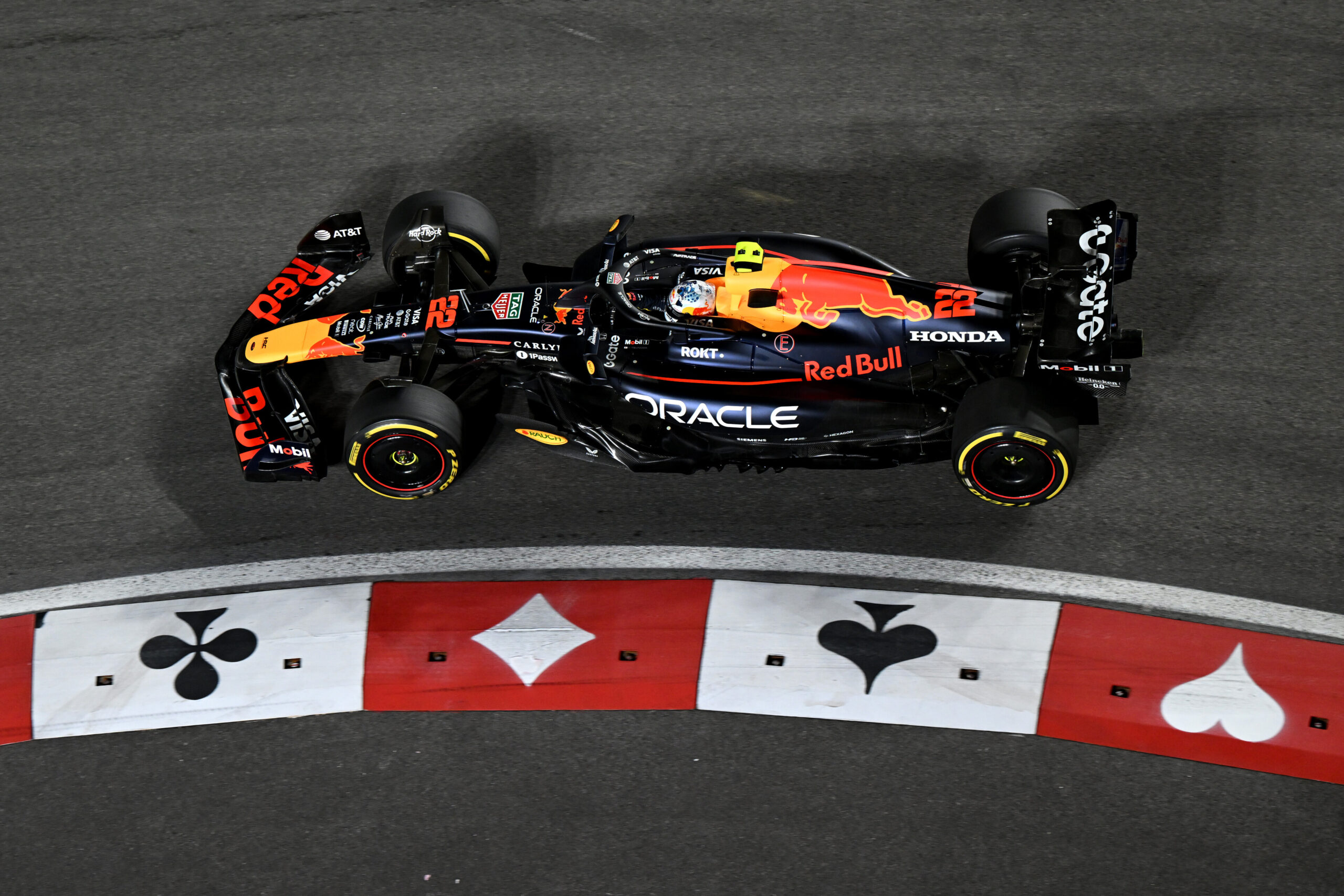
The Italian manufacturer has spent months developing tyres for the new 2026 technical regulations, which require narrower constructions: 25mm at the front and 30mm at the rear. The goal is to reduce the overall weight of the 18-inch tyres and improve efficiency under the next-generation aerodynamic and power unit rules.
Following extensive structure testing before 1 September and gathering final performance data during a post-Mexico GP test, Pirelli has now settled on a five-compound range from C1 to C5. All tyres must be formally approved by 15 December.
The decision to abandon the C6 compound stems from Pirelli’s aim to create wider and more consistent performance gaps between each tyre. In the current range, certain compounds —most notably C2 and C3— were often too similar, resulting in the exclusion of a compound at several events, such as Spa and Austin. When the 2026 range was modelled, C6 was found to sit too close to C5, offering no meaningful strategic advantage.
The refined tyre family will retain similar performance positioning to the current range, with an emphasis on predictable thermal degradation to support broader strategy options across different circuit types. Pirelli’s internal analysis showed that the delta between C5 and the C6 prototype remained too small to justify its inclusion.
Teams will sample the new 2026 tyre selection during the post-season test in Abu Dhabi on 9 December. Yas Marina will not feature the C1 compound due to its high grip demands. Each team will field two cars: one for tyre testing and the other reserved for a mandatory rookie driver.
The updated range marks a key step in preparing Formula 1 for its new era, ensuring tyre characteristics properly align with the sport’s upcoming technical overhaul in 2026.