

F1 drivers use dedicated drinking systems to replace fluid lost in some of the hottest and most demanding conditions on the calendar.
Cockpit temperatures in a Formula 1 car can regularly exceed 50 degrees Celsius . At races such as Singapore and Qatar, they can reach 60 degrees Celsius
With drivers wearing fireproof overalls, a balaclava, gloves and a helmet, the heat can lead to significant fluid loss. A driver can lose between two and four kilograms of body weight through sweat during a race
How the Drinks System Works
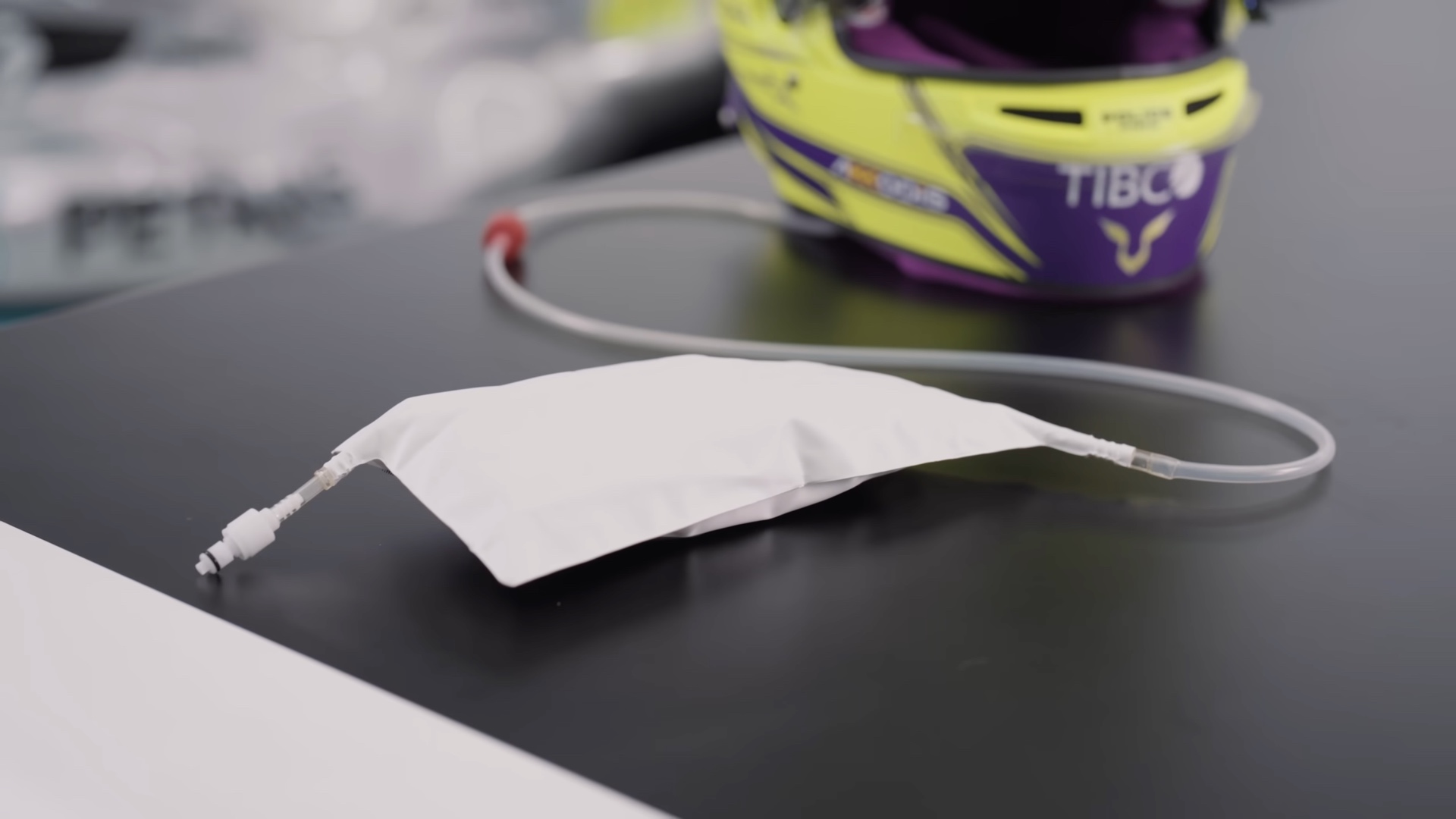
A flexible bag containing around 1.5 litres of liquid is stored either behind the driver’s seat or inside the nose of the car.
A plastic tube runs from the bag through the driver’s helmet and ends directly in front of their mouth.
The Tube Has to Stay in Place
The tube is carefully positioned inside the helmet.
It has to remain in place through corners generating up to 6G of lateral force, as well as over kerbs and through vibrations during a race that can last around two hours.
If the position is wrong, the driver can miss the tube when trying to drink or even be poked in the face by it. Engineers therefore route it carefully during the seat-fitting process.
When Do F1 Drivers Drink?
Drivers use the system during the race without taking their hands off the wheel.
They usually take quick sips on long straights or during Safety Car periods, when it is safer to do so.
After the race, drivers are also often seen drinking through a straw as they begin rehydrating.
Button or Sip
Not every team uses the same system.
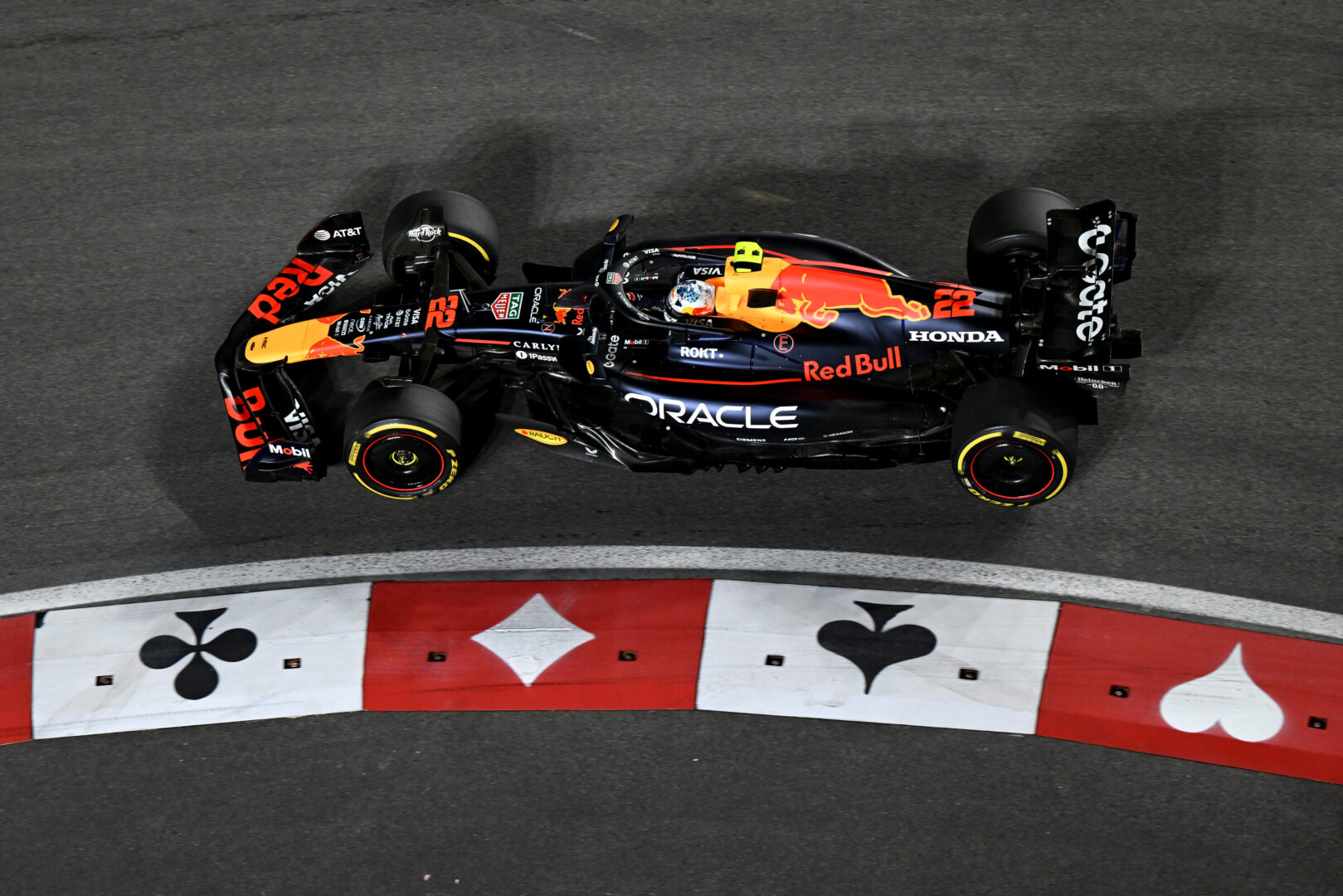
Some teams, including Red Bull, use a motorised pump activated by a dedicated button on the steering wheel marked “DRINK”. Pressing it sends the liquid through the tube and into the driver’s mouth.
Others, including Mercedes, use a simpler system where the driver drinks by drawing the liquid through the tube.
According to the source, Mercedes chose this approach to save weight and remove the risk of the pump failing during the race. the Drink Is Not Always Water
Drivers may also use a specially formulated isotonic drink.
It can contain glucose, electrolytes, vitamins and minerals including potassium, calcium, sodium, magnesium and phosphorus — elements lost through heavy sweating.
It Does Not Stay Cold for Long
The drinks bag is not refrigerated.
Even if the liquid starts chilled or partially frozen, the cockpit heat means it can reach body temperature within minutes.
Drivers have described the drink as warm, salty and unpleasant to taste.
Why Drivers Still Use Straws After the Race
The long straws seen after a Grand Prix are designed to limit how much liquid passes through in a single sip.
The idea is to stop drivers taking in too much liquid at once while rehydrating.
They are also easier to use when space is limited and help reduce unnecessary spills.