

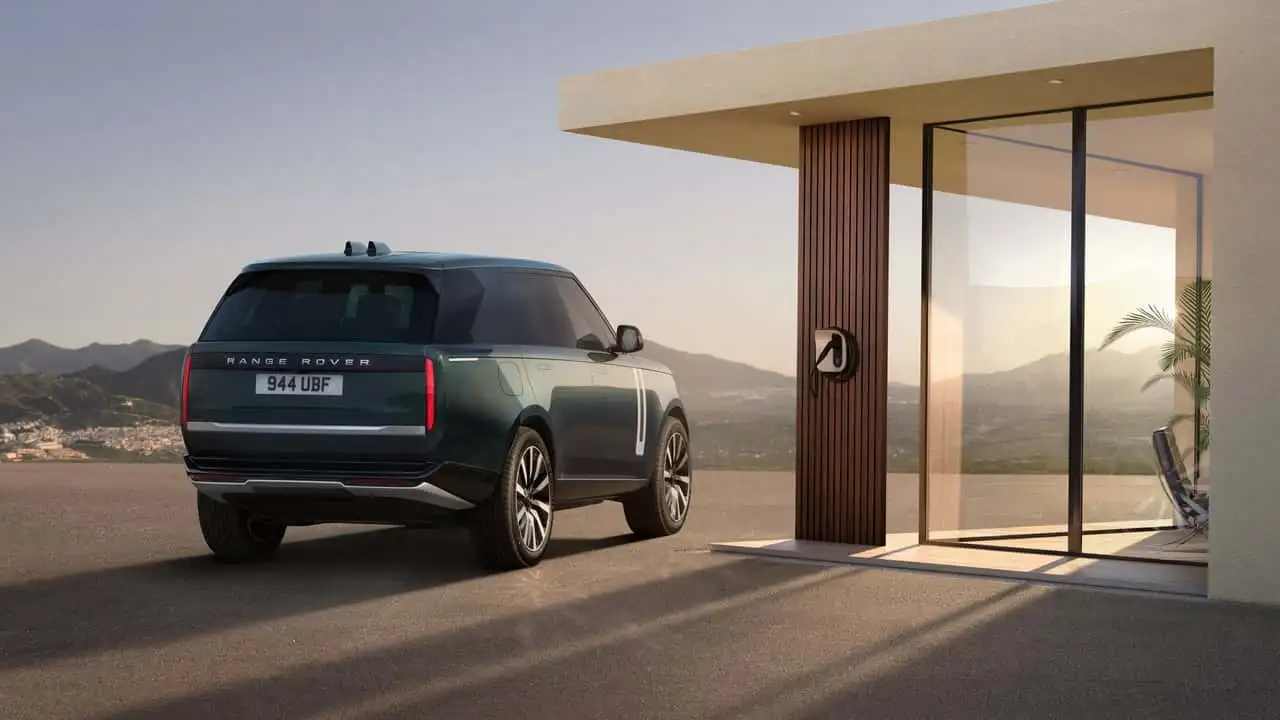
The Range Rover Electric is the first of its kind in the Range Rover line-up. It is assembled at JLR’s Solihull factory in the UK and combines a dual-motor electric powertrain with the existing Range Rover’s architecture and off-road equipment. This model is meant to deliver electric drive while keeping the Range Rover’s driving characteristics
Its powertrain delivers up to 405 BHP (302 kW) and 850 Nm of torque, with 0-100 kmph acceleration in 4.5 seconds.
What powertrain does the Range Rover Electric have?
The Range Rover Electric uses two permanent-magnet motors, delivering a combined output of up to 405 BHP and peak torque of 850 Nm.
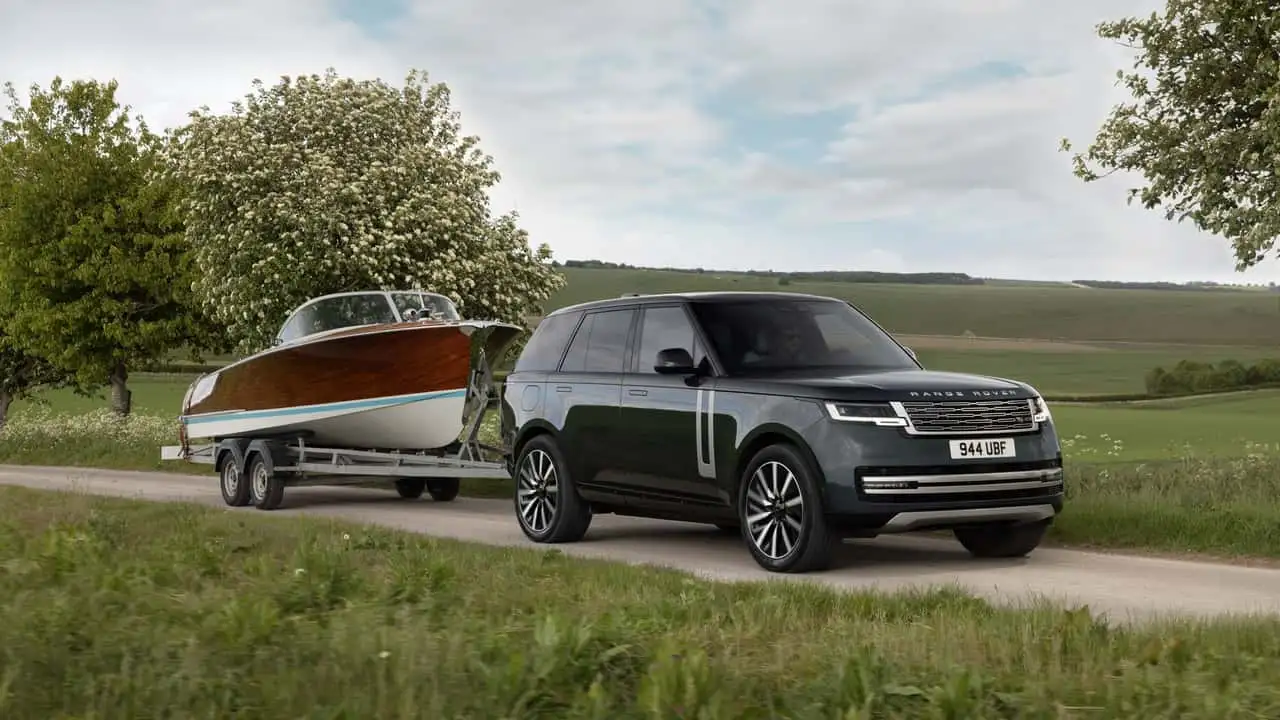
The engines use silicon carbide semiconductors and come equipped with Intelligent Driveline Dynamics technology, which adjusts torque distribution based on available traction. Range Rover claims that the vehicle can react to wheel-slip events via the Integrated Traction Management technology in just 50 milliseconds.
How far will the Range Rover EV go?
An electric powertrain draws energy from a 118.5 kWh usable lithium-ion battery made of 344 prismatic cells. This includes the battery double-stacking and 800-volt electrical architecture.
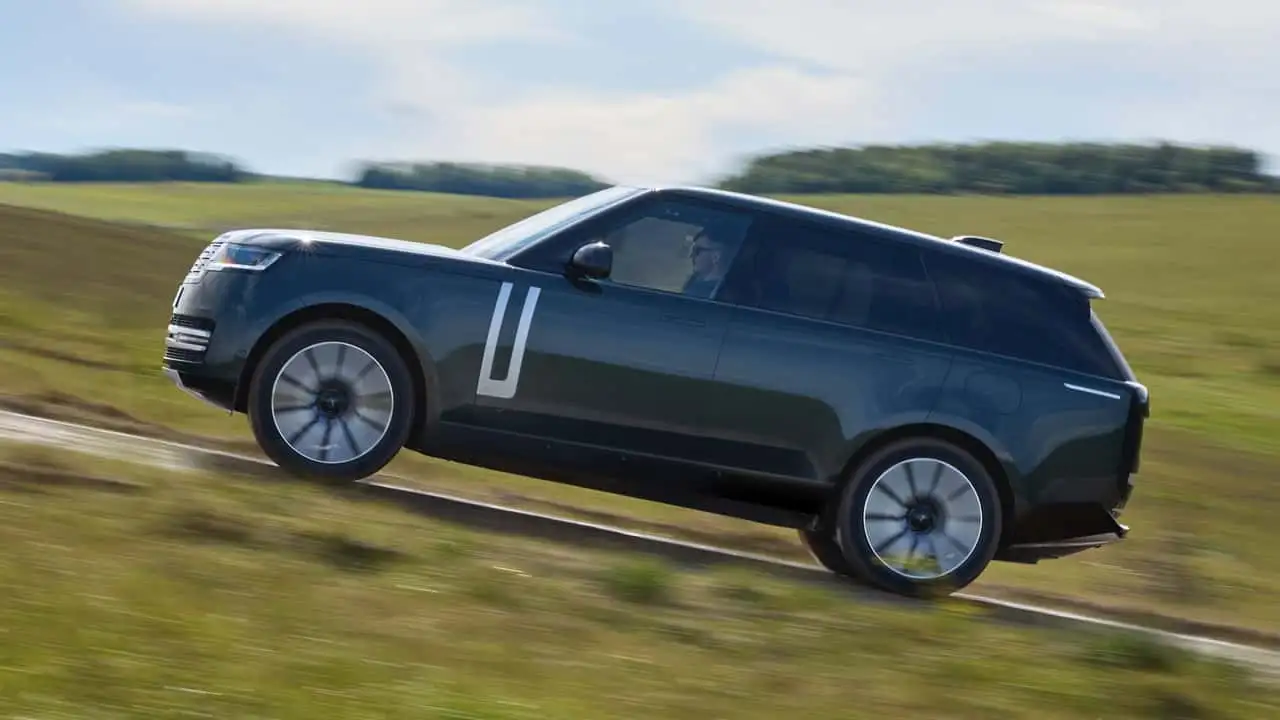
The maximum WLTP range quoted by Range Rover is 600 km, while the real-world driving range reaches up to 535 km. Actual range can vary based on driving conditions, ambient temperature, speed, road surface, and climate control system energy consumption.
The SUV also has the ThermAssist system, designed to manage the temperature of both the battery and cabin. According to Range Rover, the system can increase the range by 40 km and save up to 40 percent of heating energy consumption.
How fast can the Range Rover Electric be charged?
With a compatible 350 kW DC rapid charger, the Range Rover Electric can charge from 10 to 80 percent in about 22 minutes. It can add an additional 220 km of range under the WLTP test cycle in 10 minutes at peak charging rate.
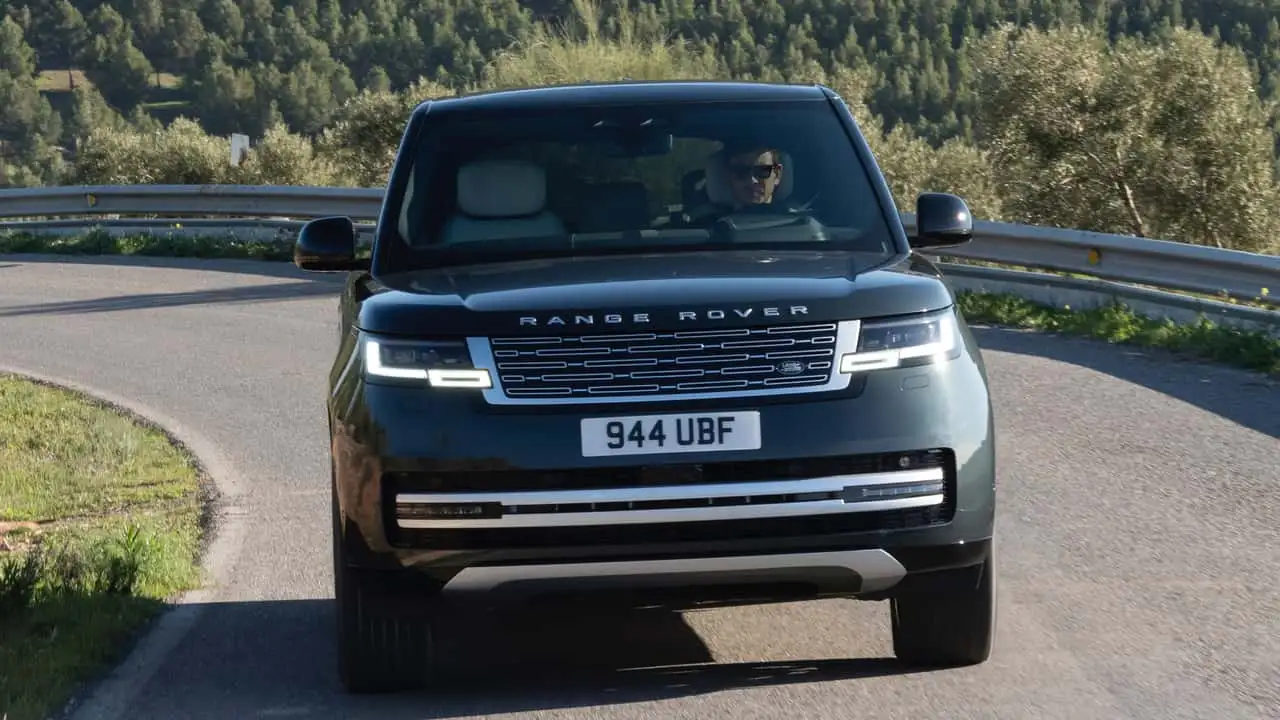
The vehicle features an 800-volt charging system that allows split charging, although exact charging rates may be influenced by several factors, such as charger capacity, battery temperature, and state of charge.
What kind of off-road capability does it have?
It retains technologies designed to handle traction control in varying terrains. Integrated Traction Management regulates motor speed and reacts to slipping wheels within 50 milliseconds.
Single-pedal driving works alongside the traction control systems to manage vehicle movement when climbing or descending an incline. According to Range Rover, the SUV can be driven off slopes of up to 33 degrees, while climbing up to 45 degrees is possible.
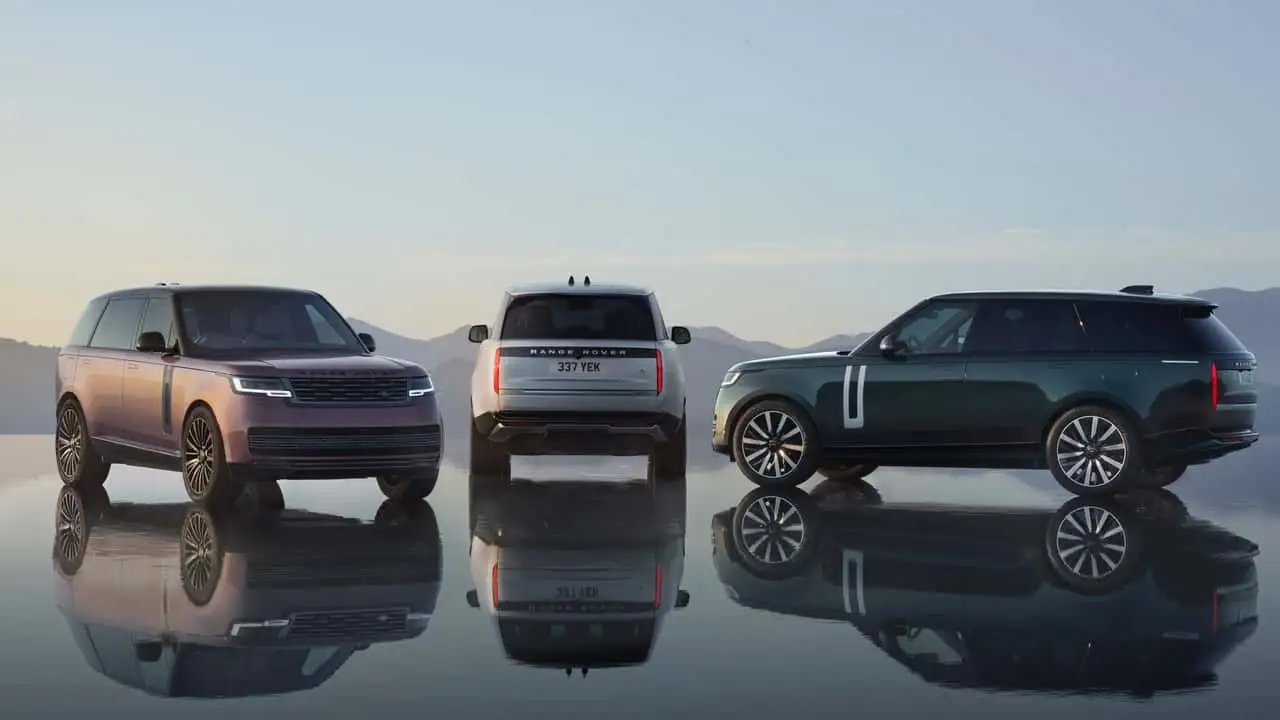
Additionally, the SUV can wade through water up to 900 mm deep. This SUV has its battery positioned to keep its centre of gravity lower than that of combustion-engine-based vehicles. It uses double-chamber air suspension to manage ride height and suspension dynamics.
What technology and testing does it have?
The Range Rover Electric has undergone over 1.5 million km of physical testing, in addition to over 250,000 hours of virtual testing. Testing was done in extremely cold conditions (as low as -40°C) in Sweden, as well as in the hot climate of Dubai.
Additionally, the Range Rover Electric has a feature called the Battery Digital Twin, which monitors over 900 data points. Over-the-air updates are also available. According to JLR, the electric propulsion system has an eight-year or 160,000 km warranty.
The Range Rover application lets users access features such as battery condition, estimated driving distance, the car’s position, and locking/unlocking. The application may even control some cabin features remotely.
When would you expect the Range Rover Electric to become available?
Pre-orders have now opened for the Range Rover Electric. The car is available in both standard-wheelbase Autobiography and long-wheelbase models in SV, SV Ultra, and SV Black versions. There is also a standard-wheelbase First Edition in Belgravia Green, Santorini Black, and Varesine Blue, with Light Cloud Ultrafabrics PU and Kvadrat interior.