

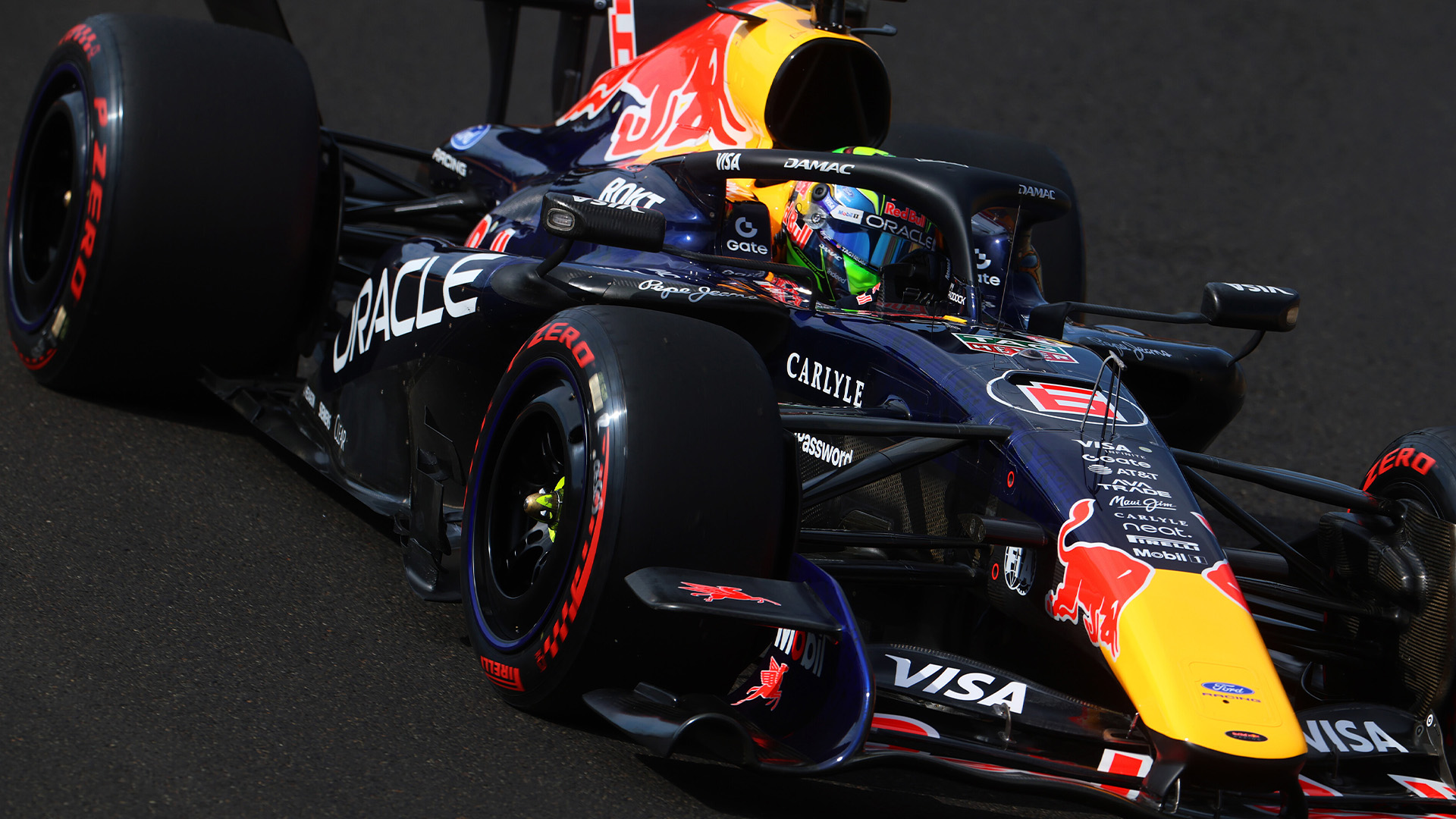
Formula 1 uses tens of thousands of tyres each season, but once a grand prix weekend ends their journey continues through Pirelli’s tightly controlled collection, analysis and recycling programme.
Formula 1 tyres live remarkably short competitive lives. A set can spend only a handful of laps operating at racing speed before degradation, strategy or changing conditions consign it to the garage. Yet retirement from the track is only the beginning of a tightly managed process that stretches from the paddock to Pirelli’s engineering facilities and, eventually, industrial recycling.
Across a 24-race Formula 1 season, tyre consumption can approach 40,000 units. The scale alone makes their post-race treatment significant, but there is another factor: the tyres remain the property of Pirelli throughout their working lives.
Teams effectively lease their allocations for each event. Once the weekend is complete, those tyres — whether raced, lightly used or unused — return to the championship’s sole tyre supplier rather than remaining with the constructors.
That arrangement gives Pirelli control over both sensitive technical information and what happens to thousands of tyres after they have served their purpose on track.
F1 teams do not own their Pirelli tyres
The ownership model is an important part of Formula 1’s tyre operation.
Each tyre contains considerably more value than the rubber visible from the outside. Its construction and compound embody proprietary information developed specifically for grand prix competition, making control of used tyres important from both technical and commercial perspectives.
Once a tyre has reached the end of its usable life, it is deliberately rendered incapable of returning to service. Its sidewall is cut, preventing the tyre from being safely mounted and used again.
That provides a straightforward safeguard against unauthorised reuse while keeping Pirelli’s racing products within a controlled disposal chain.
The tyre does not immediately disappear into a recycling machine, though.
Pirelli studies the tyres before destroying them
Used Formula 1 tyres can still provide valuable engineering data.
Pirelli analyses tyres collected from race weekends before they enter the recycling stream, allowing its engineers to examine how the compounds and structures performed under real track conditions.
That physical inspection can be combined with telemetry gathered during the grand prix weekend. Loads, temperatures, pressures and other operating parameters provide a picture of what the tyre experienced on the car; examining the tyre afterwards helps engineers understand the physical consequences.
The information feeds back into tyre development and assists Pirelli in refining compounds and constructions for future races.
In that sense, a worn-out tyre still has one final performance role to play: it becomes a piece of engineering evidence.
How used Formula 1 tyres reach the recycling facility
Once the analysis stage has been completed, the tyres enter the logistics chain.
They are crushed, packed into shipping containers and transported for processing. Tyres from European events can travel by road, while those returning from overseas grands prix may be transported by sea freight.
Individual barcodes allow tyres to be tracked through the system, creating a record extending from their manufacture and allocation through to their final processing.
That traceability matters when Formula 1 is dealing with thousands of visually similar tyres over a season, spread across 10 teams, multiple compounds and more than 20 international events.
Once the tyres arrive at the appropriate facility, their transformation from highly specialised motorsport component into reusable raw material begins.
What F1 tyre recycling actually involves
The tyres first have to be broken down mechanically.
Heavy machinery shreds them into progressively smaller pieces before further processing separates the constituent materials. Rubber is reduced into granules or powders, while steel reinforcement and textile fibres embedded within the tyre structure can be extracted.
Those materials can then enter different recycling streams.
Recovered rubber can be repurposed for applications including flooring and shoe soles, while steel and textile components can also be recycled or reused. Depending on the capabilities of the recycling operation and market demand, recovered material may find several different destinations.
Some tyre-derived material can also be used as an alternative fuel in cement manufacturing, where its energy content can substitute for conventional fossil fuels. Carbon black recovered through recycling processes can potentially return to rubber production, helping create a more circular material chain.
The result is very different from the simple image of thousands of racing tyres being discarded once the chequered flag falls.
Sustainability is becoming part of F1 tyre engineering
The disposal programme sits within a wider attempt to reduce the environmental impact of Formula 1’s tyre supply.
Pirelli introduced FSC-certified natural rubber into its Formula 1 tyres in 2024, with certified sustainably sourced material accounting for at least 15% of the natural rubber used.
That matters because tyre sustainability cannot be measured solely by what happens after a tyre has been used. Raw-material sourcing, manufacturing, freight, trackside operation and end-of-life processing all contribute to its overall footprint.
For Formula 1, the logistical element is particularly substantial. Moving cars, equipment, personnel and freight between continents is one of the championship’s largest environmental challenges, which means the way used tyres are transported and processed forms part of a considerably broader sustainability programme.
The irony is difficult to miss. Formula 1 tyres are engineered to operate at the edge of adhesion, temperature and structural load, sometimes for only a fraction of a grand prix. Yet after their competitive usefulness has disappeared, their materials can begin a second, far less glamorous life.
A tyre that helped decide an undercut, survived a qualifying lap or carried a car to the chequered flag may eventually become granulated rubber, recovered steel or industrial feedstock. For Pirelli, controlling that journey is now part of the tyre’s lifecycle almost as much as its performance on Sunday afternoon.