

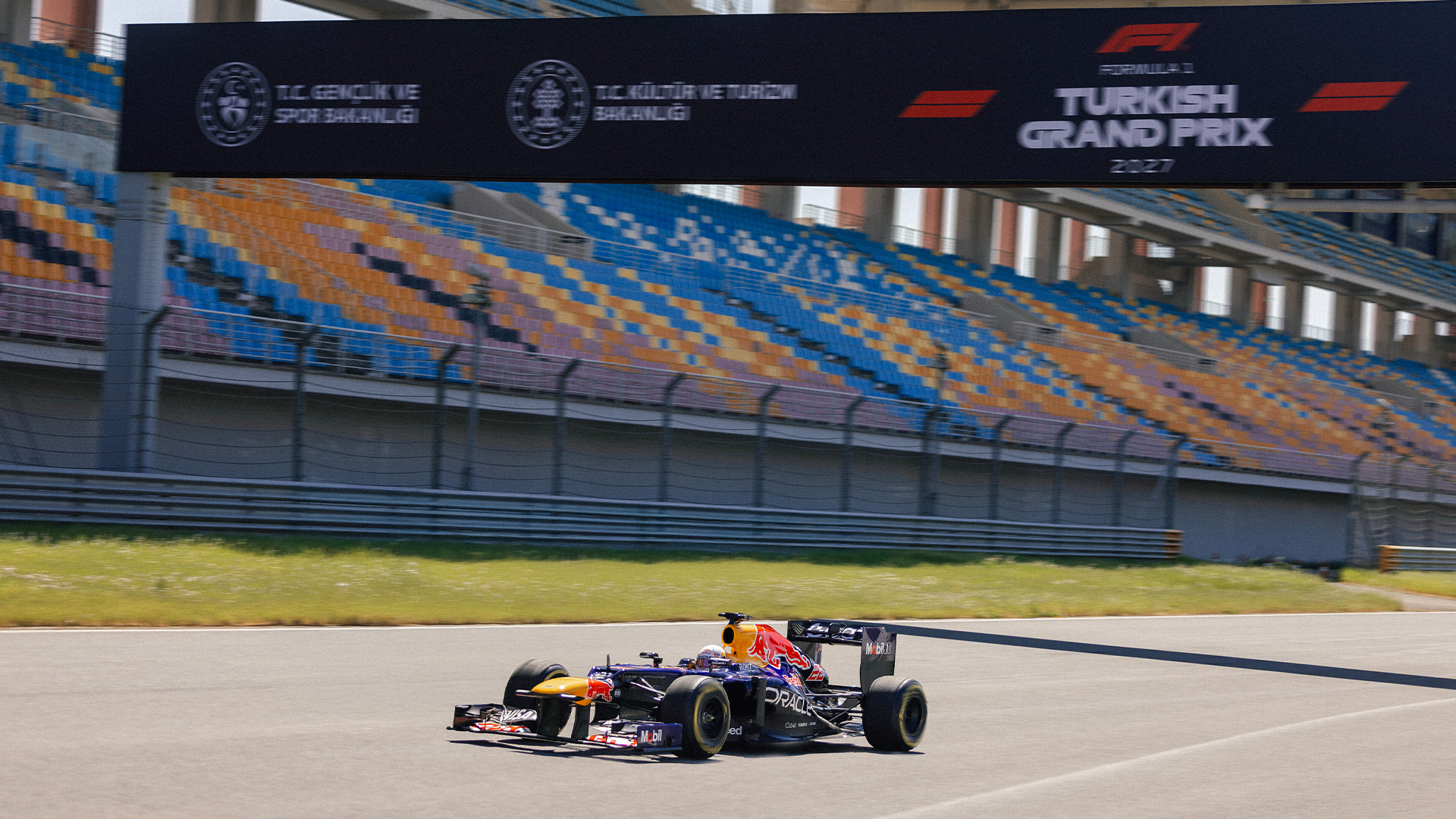
Formula 1’s return to Türkiye is no small story. For years, Istanbul Park has been one of those rare circuits that drivers openly praise and fans consistently demand back. Every time a new Formula 1 calendar dropped, it became almost routine to see disappointed fans asking why Istanbul Park was missing.
That wait is finally over.
Following a new agreement between Formula 1 and Türkiye, the Turkish Grand Prix will return from 2027, with Istanbul Park securing its place on the calendar for the next five seasons. The comeback brings back not just another Grand Prix venue, but one of the most rewarding circuits of the modern Formula 1 era.
So what makes Istanbul Park so special?
Where the Story Began
Istanbul Park first welcomed Formula 1 in 2005, instantly making an impression on the paddock. At a time when several new circuits were being added to the calendar, few earned such immediate respect from drivers.
The inaugural Turkish Grand Prix was won by Kimi Räikkönen in a McLaren-Mercedes, kicking off Türkiye’s Formula 1 story in style.
When it comes to success at Istanbul Park, however, one name stands above the rest: Felipe Massa.
The Brazilian made the circuit his own, winning three consecutive Turkish Grands Prix between 2006 and 2008 with Ferrari. Even today, no driver has won more Formula 1 races at Istanbul Park.
Hermann Tilke’s Finest Work?
Mention Hermann Tilke in Formula 1 circles and opinions tend to split quickly. But Istanbul Park is usually the exception.
Widely considered Tilke’s masterpiece, the circuit offers something many modern venues struggle to replicate: rhythm.
At 5.338 kilometres, the track features 14 corners — eight left-handers and six right-handers — but numbers alone do not explain why it feels so different. Istanbul Park runs anti-clockwise, a relative rarity in Formula 1, placing unusual physical stress on drivers, particularly around the neck and shoulders.
More importantly, the circuit flows.
Elevation changes, long-radius corners and natural speed variations give the lap a sense of momentum that drivers often describe as deeply satisfying.
The Corner Everyone Talks About: Turn 8
If there is one reason Istanbul Park has achieved near-mythical status, it is Turn 8.
Even among Formula 1’s most famous corners, Turn 8 stands apart.
Rather than a conventional corner, it feels more like one long high-speed commitment test. The left-hander links four apexes together, forcing drivers to carry immense speed while maintaining absolute precision on steering input, throttle application and balance.
This is where Istanbul Park becomes brutal.
Drivers can experience sustained lateral forces of roughly 4.5 to 5G through the corner, making it one of the most physically demanding sections of the Formula 1 calendar. Neck strength, tyre load, aerodynamic balance — everything gets tested.
It is spectacular to watch and exhausting to drive.
And when Formula 1 cars are fully committed through Turn 8, few sights in motorsport look better.
The Lap Records
Modern Formula 1 machinery has pushed Istanbul Park’s limits further than ever.
The outright qualifying lap record belongs to Lewis Hamilton, who set a blistering 1:22.868 during qualifying for the 2021 Turkish Grand Prix.
The fastest race lap remains with Juan Pablo Montoya, who clocked a 1:24.770 in the circuit’s debut season back in 2005 for McLaren-Mercedes.
Those numbers tell part of the story but experiencing the speed through Istanbul Park’s flowing sectors tells the rest.
More Than a Grand Prix Venue
Istanbul Park today is more than a Formula 1 circuit.
Now operating under the Turkish Automobile Sports Federation (TOSFED), the venue continues to play an active role in Türkiye’s motorsport ecosystem. Alongside manufacturer events and racing activities, the circuit regularly opens for track days.
For enthusiasts, that means something special: the chance to drive one of Formula 1’s most beloved circuits in their own cars.
And yes, that includes tackling Turn 8 yourself.
Why Istanbul Park Still Matters
Some circuits stay memorable because of history. Others, because of the racing they produce.
Istanbul Park offers both.
Its return arrives at a time when Formula 1 is rapidly expanding with glamorous street races and new global markets. Yet Istanbul Park reminds us why traditional purpose-built circuits still matter. It rewards bravery, punishes hesitation and consistently brings the driver into the spotlight.
That is why its return feels bigger than a simple calendar addition.
From 2027, one of Formula 1’s modern classics is back and for many fans, it never should have left.