

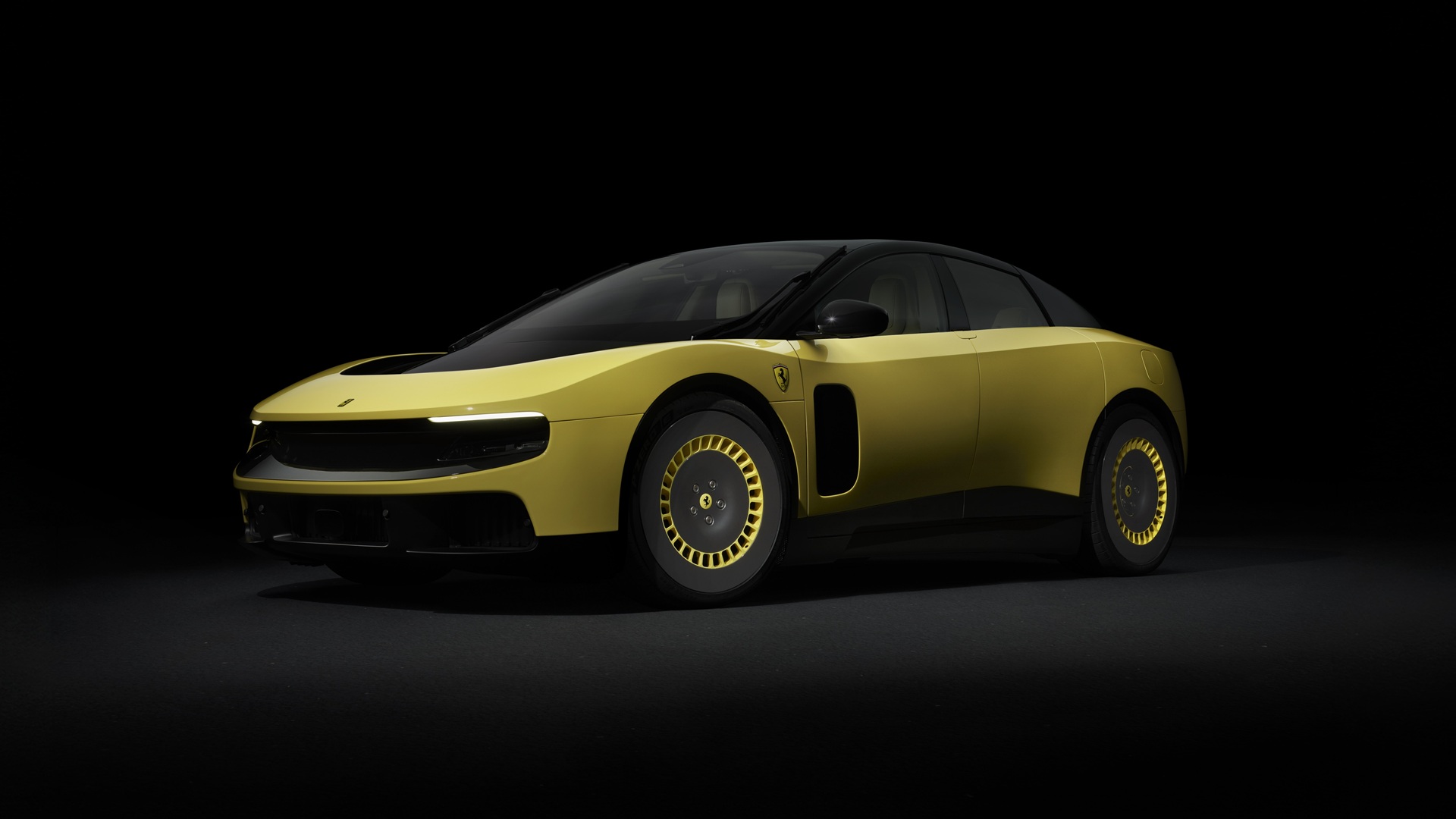
The Ferrari Luce is bigger than just an electric car
I will be honest. When I first heard that Ferrari was building an electric car, my reaction was not excitement; it was more like grief. After all, Ferrari and electricity felt like two things that had no business being in the same sentence. To me, Ferrari means noise, agility, sharpness, and speed. Therefore, an electric Ferrari felt like a contradiction, a beautiful lie dressed up in a familiar badge.
However, then I did what I should have done before reacting: I thought about it properly. As a result, the more I pondered, the harder it became to argue against the concept. In fact, the Ferrari Luce does not exist simply because Ferrari wanted to build it. Rather, it exists because Ferrari had no real choice. Understanding that, in turn, changes everything.
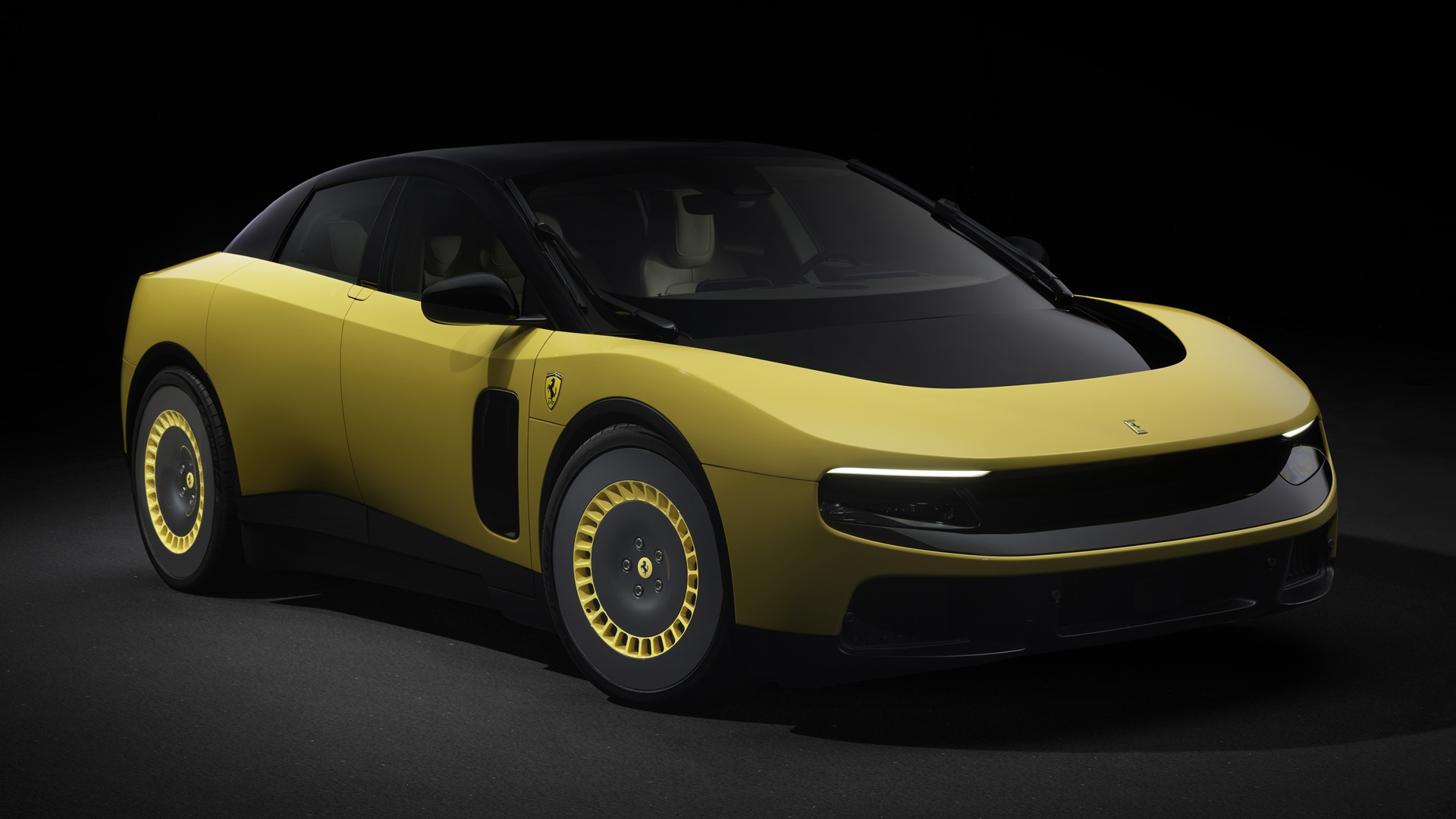
Why did Ferrari start building the Luce years ago?
A new vehicle platform typically takes three to seven years to develop. However, for Ferrari, with its extreme engineering and testing standards, it takes even longer. Therefore, if the Luce arrives now, serious development must have begun around 2018 or 2019.
Cast your mind back to that moment. During that time, the EU was tightening emissions targets aggressively. Meanwhile, governments were accelerating their electrification policies. Furthermore, Tesla was making EVs genuinely aspirational, and AI integration was evolving faster than most people in the room were willing to admit. In light of all this, Ferrari looked at the landscape and made a decision. Importantly, it was not a reluctant one; rather, it was a strategic one. This was never a reaction; indeed, it was a plan.
Also Read: Ferrari HC25 Revealed: One-Off V8 Roadster Bridges Ferrari’s Past And Future
How does the Luce help Ferrari hit Carbon Neutrality by 2030?
Ferrari has committed to carbon neutrality by 2030, not just for the cars it sells but also for manufacturing, supplier emissions, logistics, factory energy use, materials sourcing, and the full vehicle lifecycle impact. Consequently, that is an enormous promise for a company whose identity is inseparable from the internal combustion engine.
Here is the part that took me a while to accept: building the Luce may actually help Ferrari keep making the cars I love. In fact, the EV acts as a strategic bridge, a way to balance the emissions books so Ferrari can justify continuing to produce the petrol-powered halo cars that define it. Thus, the Luce is not the enemy of the V12; instead, it might be the thing that saves it.
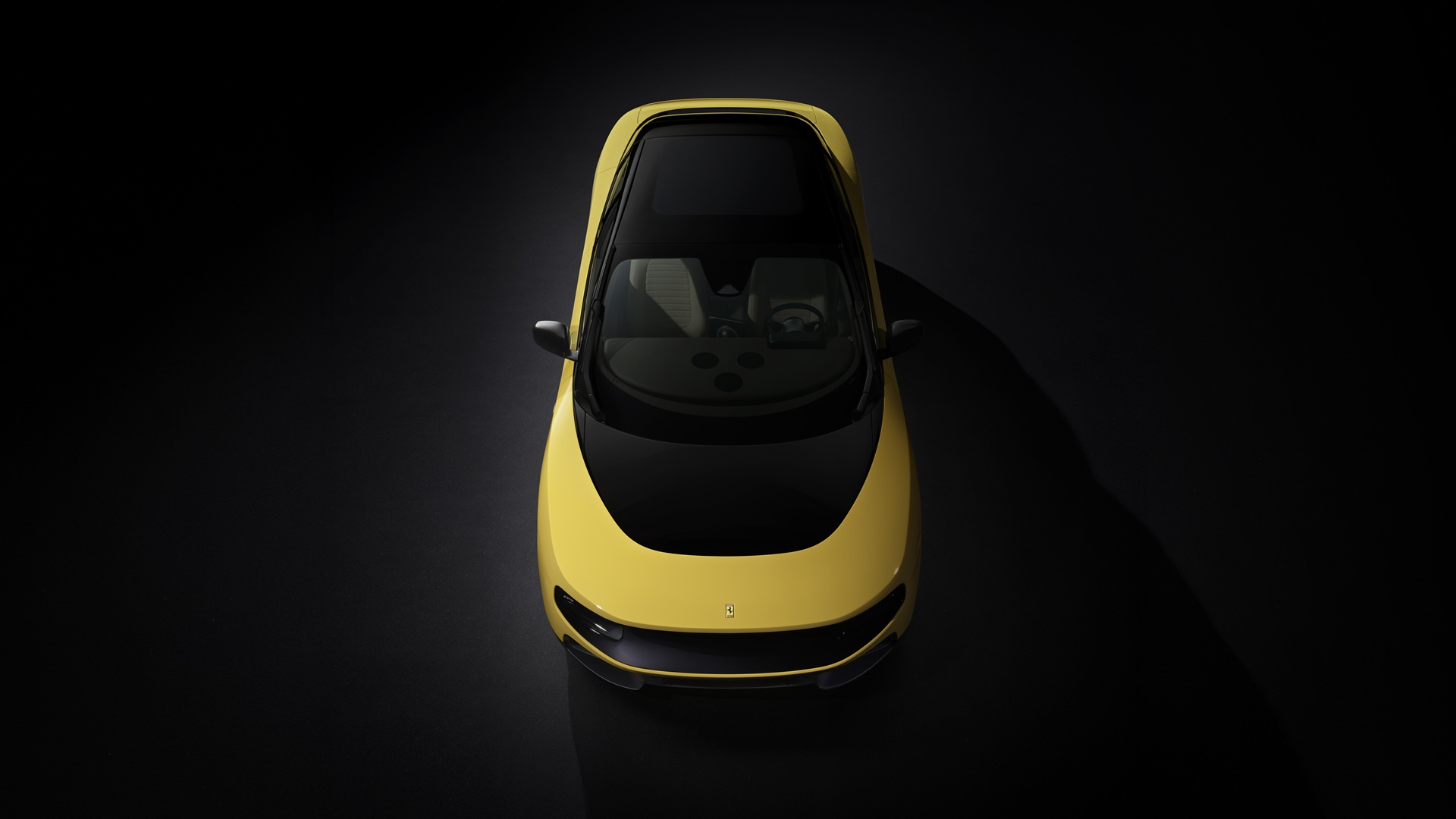
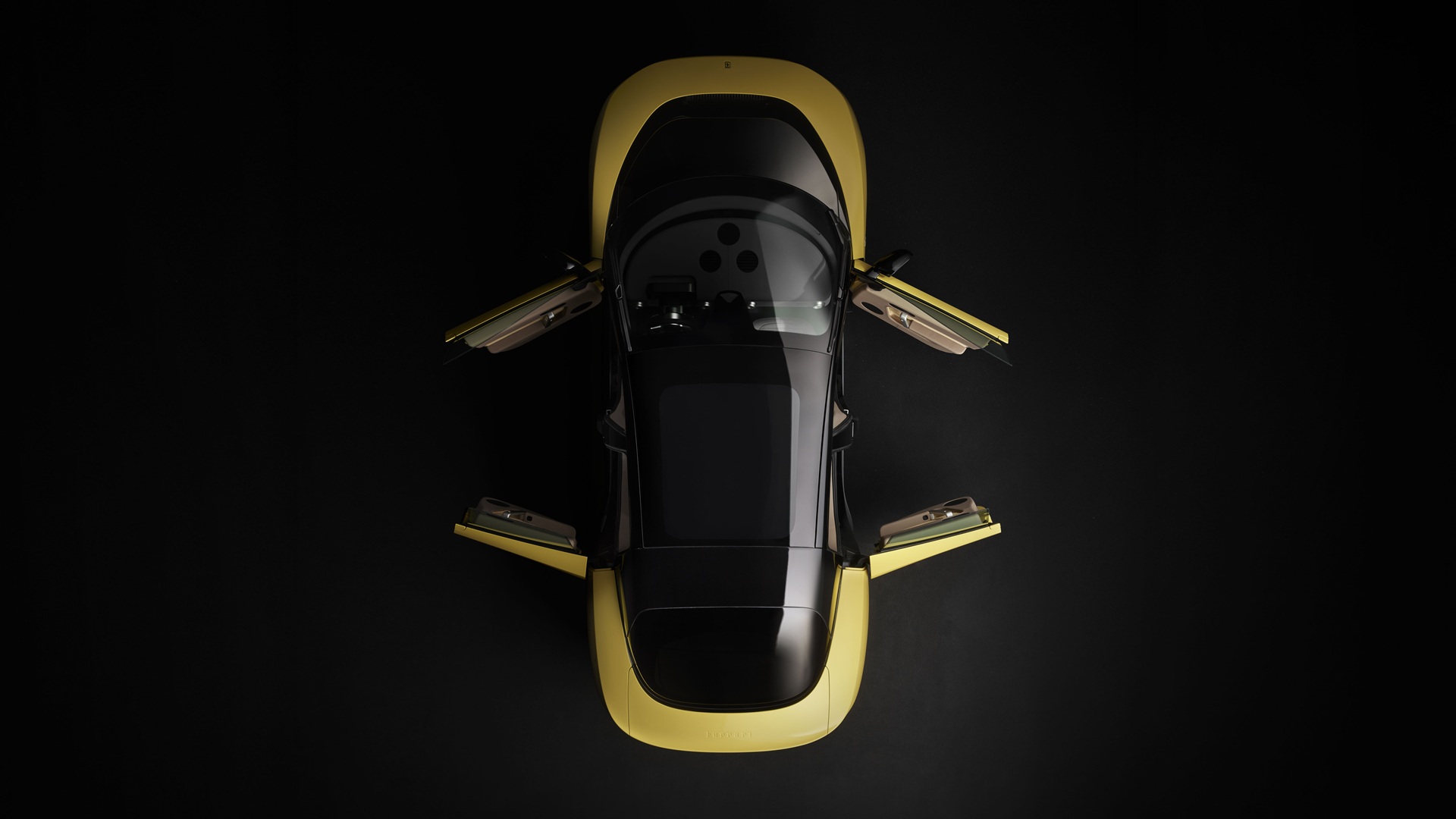
Why can Ferrari not simply ignore EU Emissions rules?
The EU does not bend for heritage; I wish it did. Consequently, emissions legislation has tightened consistently for decades, and while timelines shift under industry pressure, the direction never reverses. The 2035 electrification target keeps pressing forward. As a result, Ferrari operates as a low-volume manufacturer with some exceptions; however, those exceptions are not a long-term strategy; they are borrowed time.
Furthermore, Ferrari needed expertise in electric vehicles (EVs), software architecture, battery technology, and regulatory compliance. The Luce encompasses all of these elements. Procrastinating until the last minute was never a viable option; by then, it would have been too late. A Ferrari struggling to catch up is not the kind of brand anyone wants to witness.
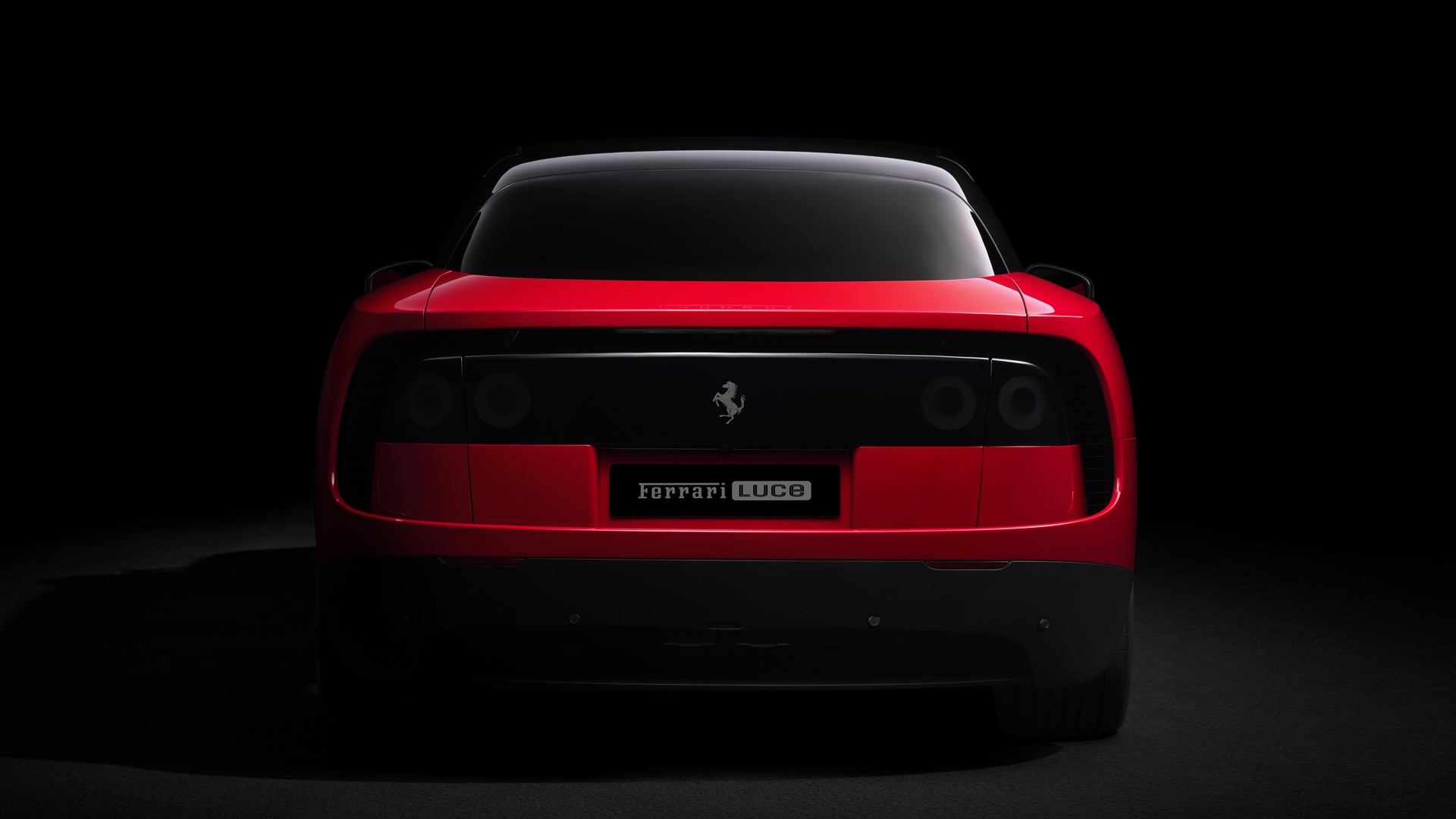
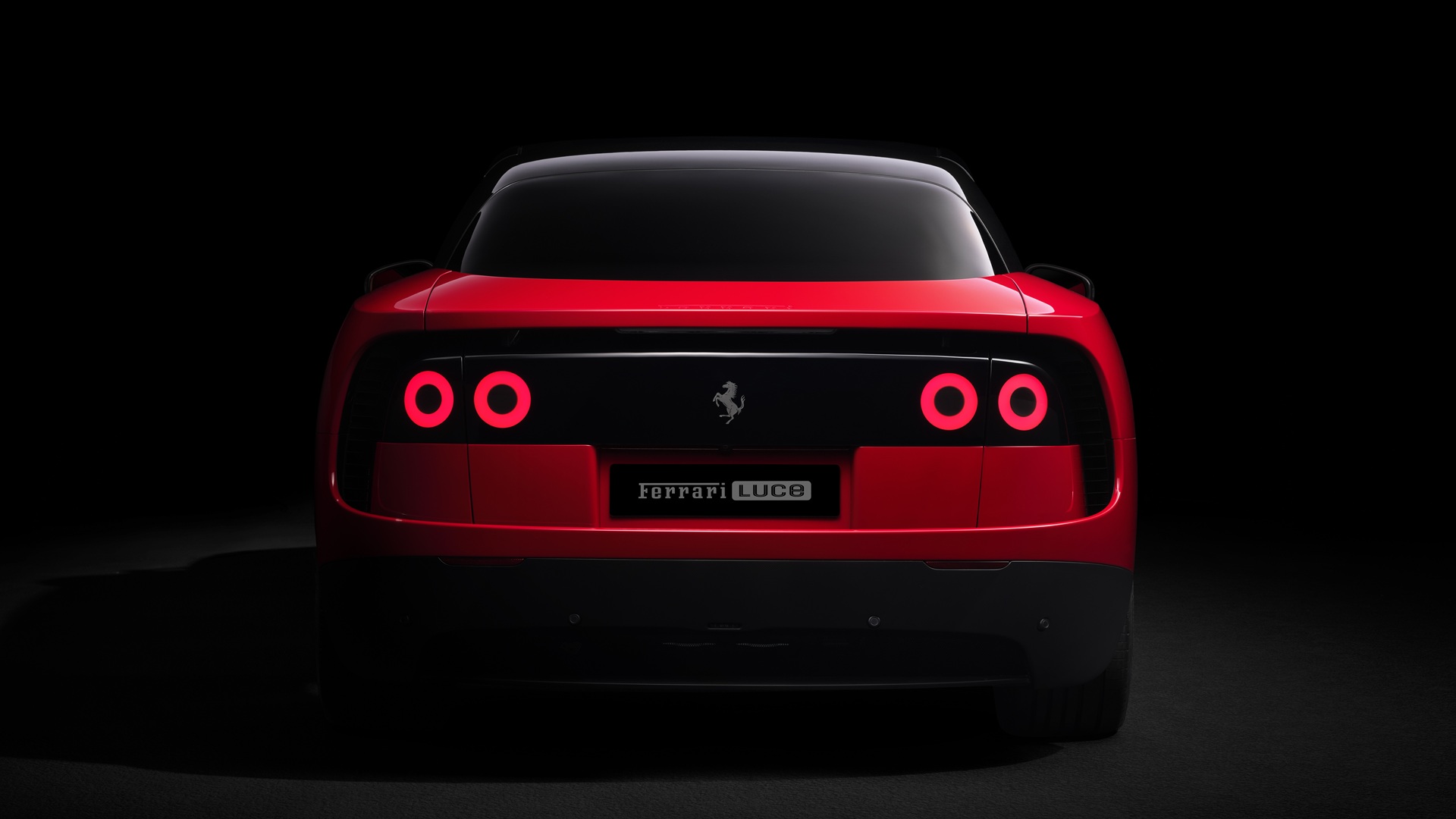
Is the Luce a car or a rolling research lab?
Both the research lab part and the people in it matter more than most give them credit for. The Luce gives Ferrari a live platform to develop battery technology, thermal management, AI-assisted driving, software ecosystems, and sustainable materials at a scale it has never attempted before. In addition, it teaches Ferrari something it does not yet know: what future customers actually want. Although that intelligence is uncomfortable to admit needing, it is critical. The luxury buyer of 2035 will look very different from the buyer Ferrari has always known. Therefore, the Luce is how Ferrari starts learning before that buyer arrives.
Also Read: Ferrari Purosangue Handling Speciale: Sharper, Louder, Still A Proper V12-Powered Weapon
Why does Ferrari need a new type of customer?
This is the part that stings a little if you love what Ferrari has always been. Ferrari’s existing buyers are deeply loyal. Moreover, many are repeat customers, and many come through the used market before graduating to new cars. That base is strong. However, it is ageing and not growing fast enough in the right direction.
The next generation of ultra-high-net-worth individuals comes from tech, AI, software, and crypto. They grew up with Apple, not Enzo. For them, software matters. Additionally, sustainability matters. Connectivity matters. Consequently, Ferrari cannot survive forever selling mythology to people who may not feel that mythology the same way we do.
The Luce opens that door. I do not love that this is necessary. Nevertheless, I understand why it is.
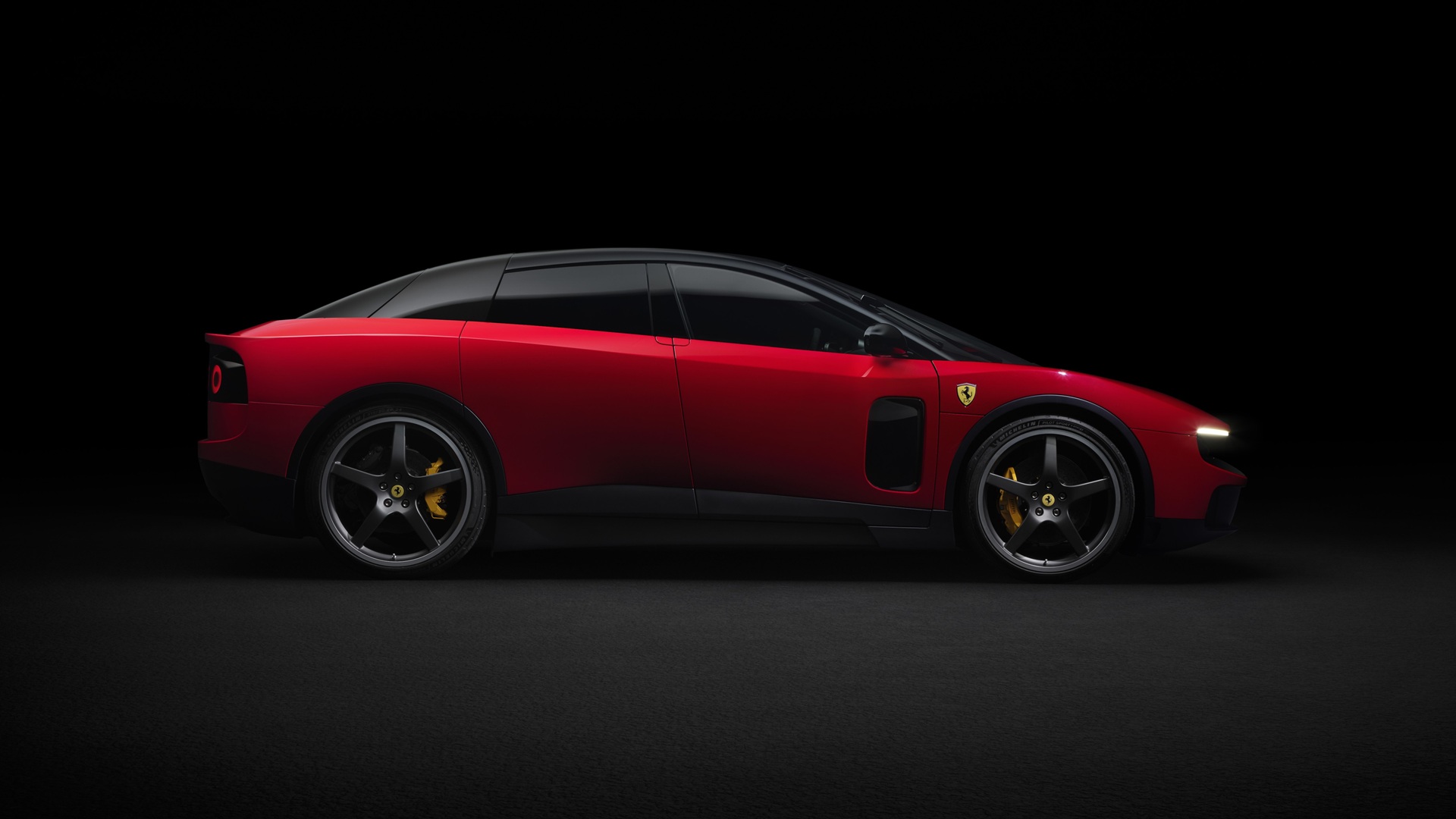
Why is Ferrari’s identity the real risk here?
This is where I stop being able to reason my way through it and start feeling it instead. Because engineering is not Ferrari’s problem, Ferrari can build anything fast. However, the problem is soul, and soul is the one thing you cannot engineer your way into.
Moreover, Ferrari does not sell transport. It sells mythology. Engine sound, mechanical theatre, and the physical conversation between driver and machine, strip that away, and you have not built a Ferrari. Instead, you have made a very expensive mistake wearing a prancing horse badge.
Furthermore, people will forgive a technology brand for feeling clinical. They will not forgive Ferrari. If the Luce fails emotionally, if it is fast and silent and impressive yet completely hollow, no lap time will save it. And that possibility genuinely worries me.
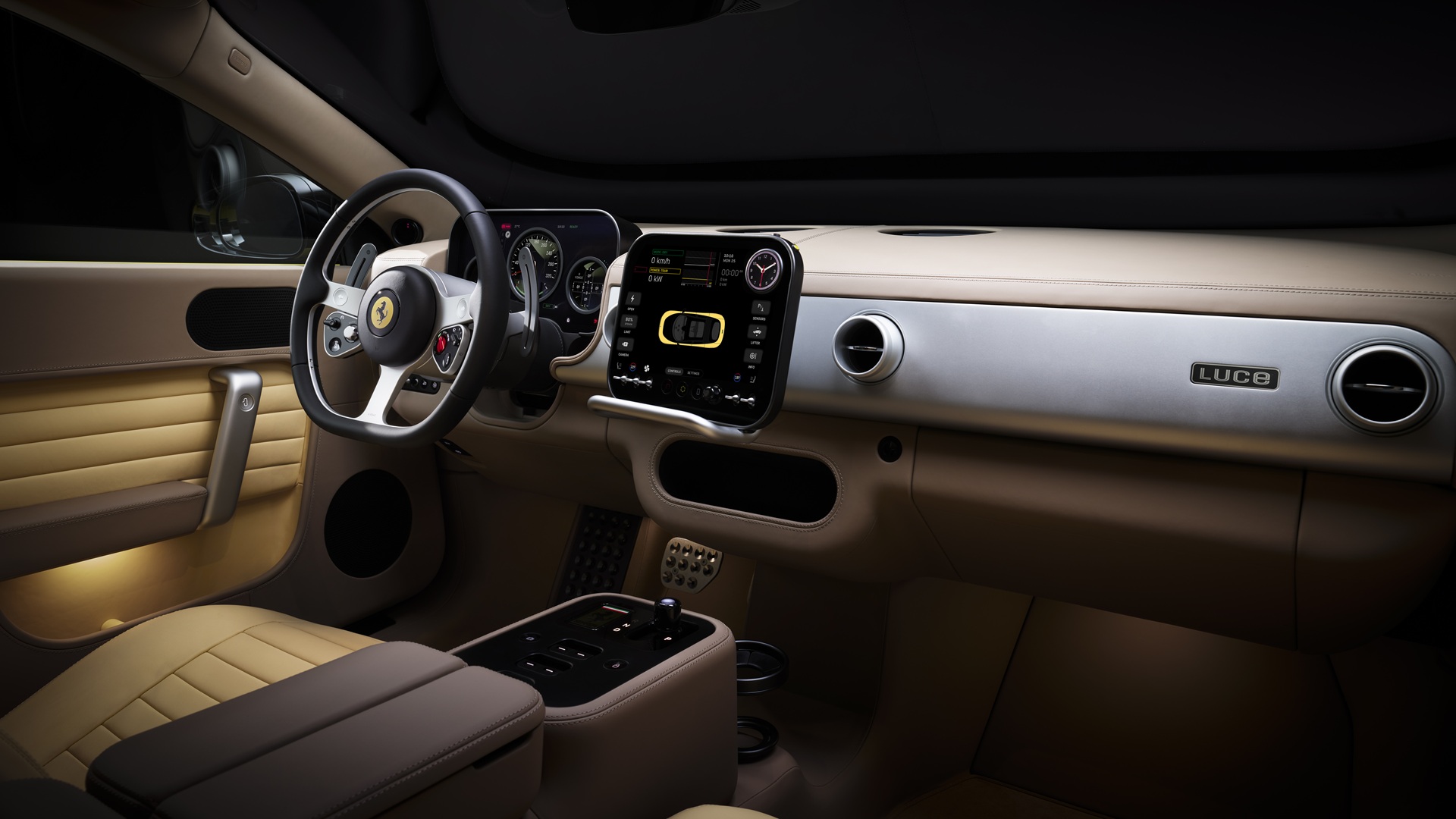
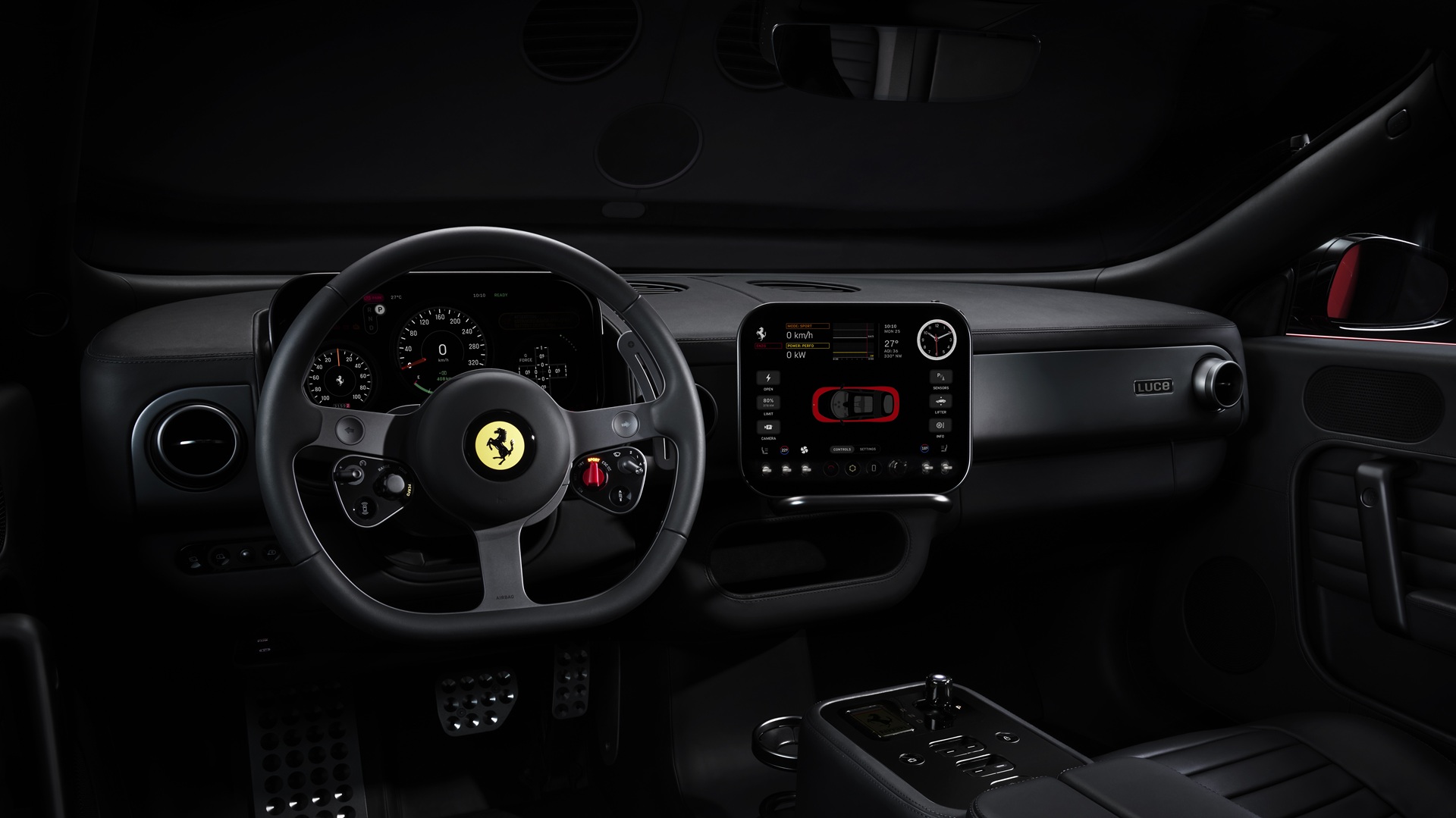
Will the Ferrari Luce hold its value?
Residual values matter deeply to Ferrari buyers, and not just for financial reasons. The fact that Ferraris hold value is part of the mythology. Moreover, it signals that the world agrees these cars are special. That shared belief is part of what you are buying.
In contrast, EVs have not told the same story. Depreciation across the EV market has been steep and unpredictable. If the Luce struggles in the secondary market, brand confidence erodes, hesitation grows, and the perception of exclusivity takes a hit from which Ferrari cannot easily recover.
Scarcity must be protected fiercely. The moment the Luce feels available, it stops feeling like a Ferrari.
Could the Luce succeed even if it never sells in big numbers?
Yes, and this reframing is what finally brought me around. Even if the Luce never becomes a commercial hit, Ferrari still gains EV engineering capability, software expertise, AI integration knowledge, emissions flexibility, and a generation of customer data it simply did not have access to before.
Moreover, Ferrari is not just building a car; rather, Ferrari is buying knowledge. The kind of knowledge that takes a decade to accumulate any other way. Over the next twenty years, that investment could prove worth more than any individual model’s sales figures ever could.
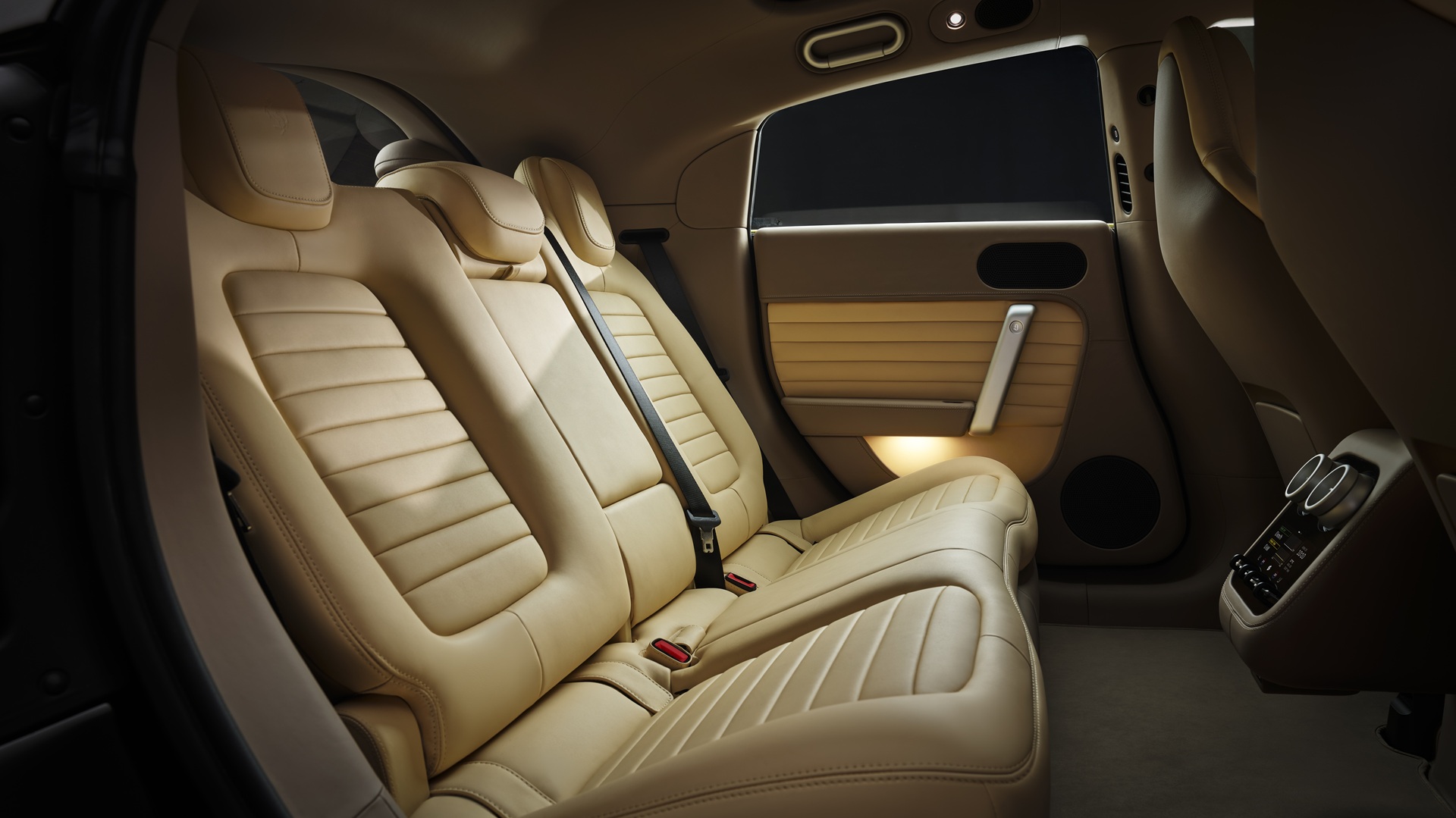
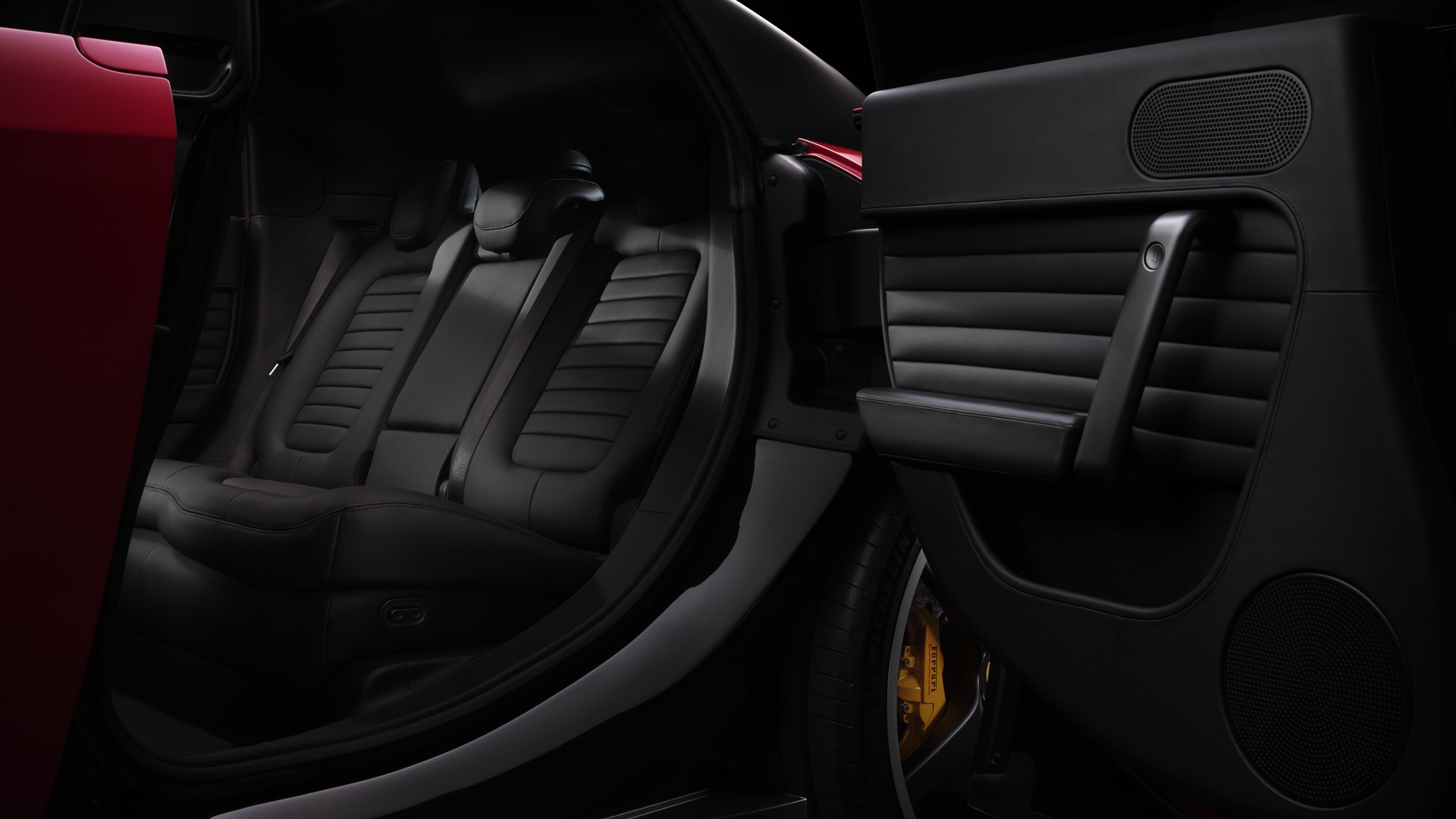
What does Ferrari look like in a post-combustion world?
The Luce is not Ferrari abandoning combustion. Rather, it is Ferrari preparing for two futures at once. One where EVs dominate cities, AI manages transport, and software defines the vehicle. Furthermore, there is another future, one that I am quietly rooting for, where combustion cars become rare emotional objects, analogue driving becomes a luxury, and ICE machines are the kind of thing people collect rather than commute in.
That second future is exactly where Mate Rimac’s horse analogy finally clicks. Horses did not disappear when cars arrived; instead, they evolved from necessity into passion. People still ride them, not because they have to, but because it means something.
Consequently, Ferrari may be heading exactly there. Not a transport company, but a maker of emotional machines for people who still choose to drive. Who still want the noise, the heat, and the feeling that something alive is happening beneath them.
I still find it hard to get excited about an electric Ferrari. However, I no longer think Ferrari was wrong to build one. In fact, I think it is more about Ferrari’s survival, even if it took me a while to admit it.
Also Read: The UAE Automotive Industry: Transformation in a Time of Tension