


The Europeans have almost always bagged the ‘Giant’ designation throughout the auto industry’s inception – be it about performance, durability, luxury or legacy. Though 2025 shockingly saw these giants (or Goliaths) getting slain by multiple Davids (or underdogs). And it was the Americans and the Chinese that stepped up and embraced the latter title with their record-shattering attempts that should have the European giants worried for the future.
But before heading to the future, we shall note that 2025 was also the year of comebacks. Multiple iconic nameplates were resurrected in the hope that it also rewinds and brings back a slice of those glory days for the brands. And for some, an entirely new futuristic approach was adopted to earmark the start of a new era. Listed below, in no particular order, are the most notable car launches of 2025, and let’s explore why.
Bentley Continental GT Supersports
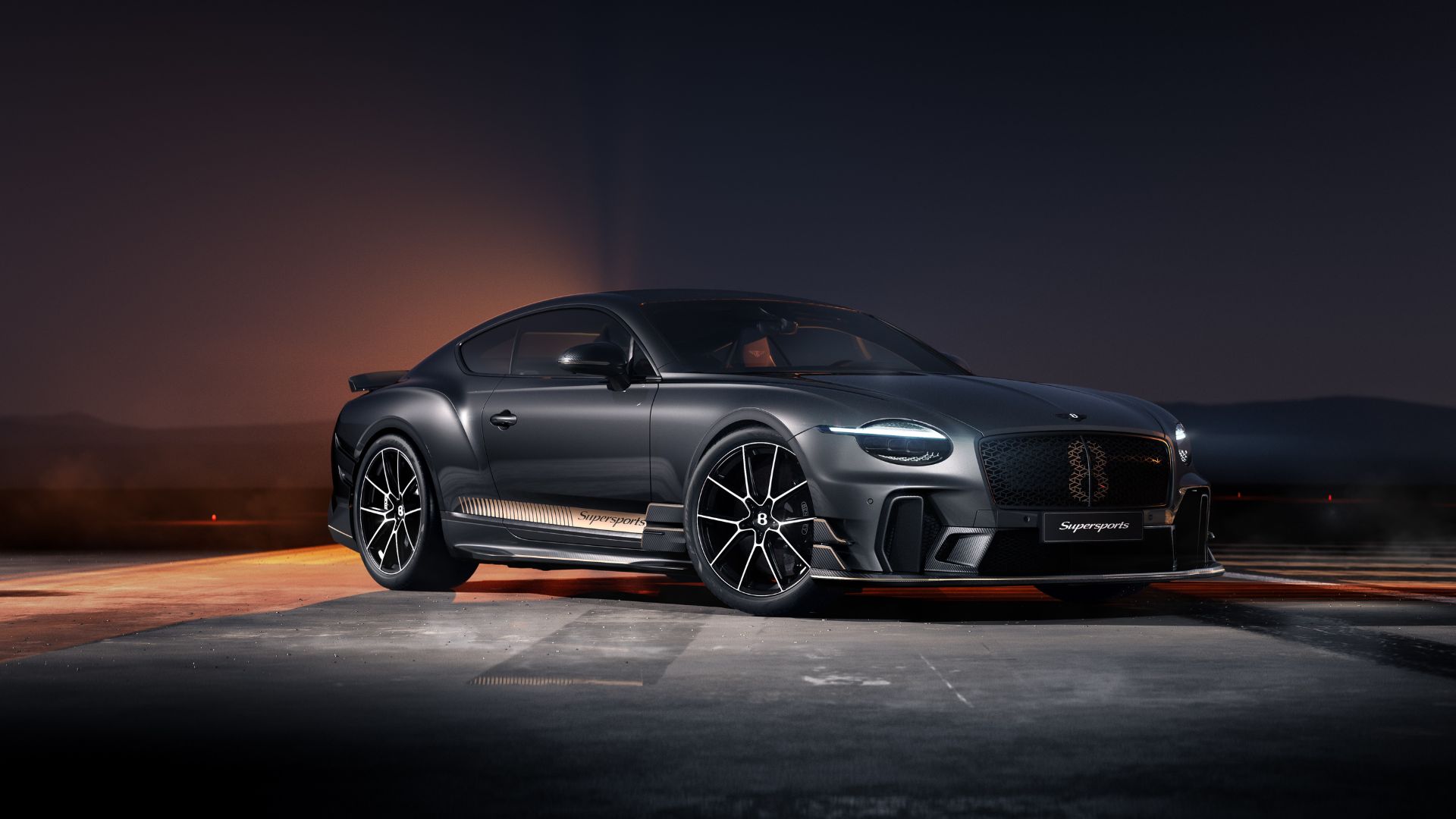
The term ‘Supersports’ is revered in Bentley heritage, as the first model to bear that name was the first production car to break the 100 mph (160 km/h) barrier. Bentley later brought the name back in 2009 with the Continental Supersports, as it was crowned the fastest and the most powerful production Bentley ever at the time of production as well as the best-handling Bentley. Clearly, the Supersports nomenclature points towards a driver-focused Bentley, and the 2025 launch of the new Bentley Continental GT Supersports dials the driver-centric approach up to 11.
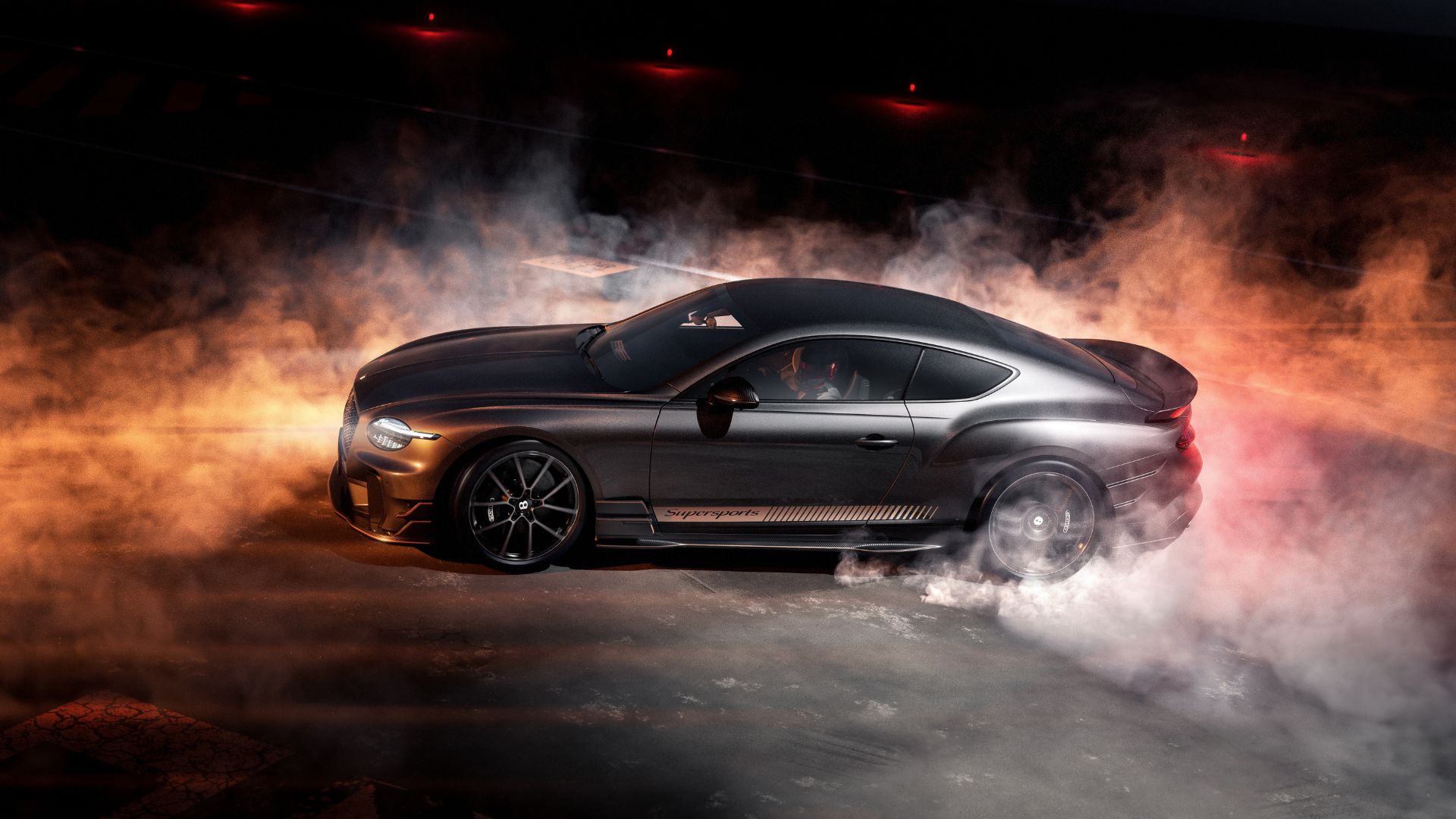
The Highlight – With the new Continental GT Supersports, Bentley has decided to break a few brand norms. To adopt the driver-centric approach wholeheartedly, the new Supersports is the first modern Bentley to use a rear-wheel-drive setup instead of the typical all-wheel-drive configuration. Additionally, the fitment of multiple carbon fibre body panels, including the roof, ensures the new Supersports is the lightest Continental GT in decades (under two tonnes) with a purist two-seat layout. The purist appeal extends to the engine too, as the new Supersports does not utilise any electrified aid but rather boasts an enhanced 4.0-litre twin-turbo V8 engine compared to the standard GT, which now produces 657 hp and 800Nm torques. Aggressive aerodynamic additions can be found across the car’s exteriors to ensure heightened downforce and grip.
Corvette ZR1X

The Corvette nameplate has been around since 1953. And since its introduction, Chevrolet has ensured one thing with the Corvette – consistent evolution. While it started out as a sports car and remained the same for a long time, high-performance trims of the recent iterations have pushed it well within the supercar territory. And 2025 saw that bar pushed higher than ever as General Motors launched the 1250 hp Corvette ZR1X. The brand claims the ZR1X to be the most advanced Corvette yet and a true American hypercar.

The Highlight – In the performance car world, beating track records is one way to gain a one-up over your rival. However, beating a Nürburgring track record announces that triumph as the most trending automotive headline in the world. Case in point – the Corvette ZR1X stunned the world in 2025 when it announced a lap time of 06:49.275, making it the fastest American car as well as pitting it within the top five fastest production cars on the track and beating its more acclaimed German and Italian rivals to it. The credit for those achievements goes to the hybrid setup of a 5.5 L LT7 twin-turbo V8 engine combined with a front-axle electric motor to produce 1250 hp – making it the most powerful production Corvette ever built. Chevrolet has been fairly nonchalant while describing the drivers tasked for its record attempt as non-race car drivers but more “three of the Chevrolet engineers who helped develop these cars”. Which would only beg the question, what happens when racecar drivers pilot a lap attempt….. Not to forget, all that hypercar performance is being offered at a fraction of the price of its European counterparts.
Lamborghini Temerario

In 2025, Lamborghini officially ditched the beloved V10 engine in favour of a future-ready powerplant setup debuting on the new Temerario. A successor to the Huracan, the Temerario became the first Lamborghini super sports car to pair a twin-turbocharged V8 engine with three electric motors to offer a combined power output of 907 hp with a 2.7sec acceleration time and a top speed of 343kph.
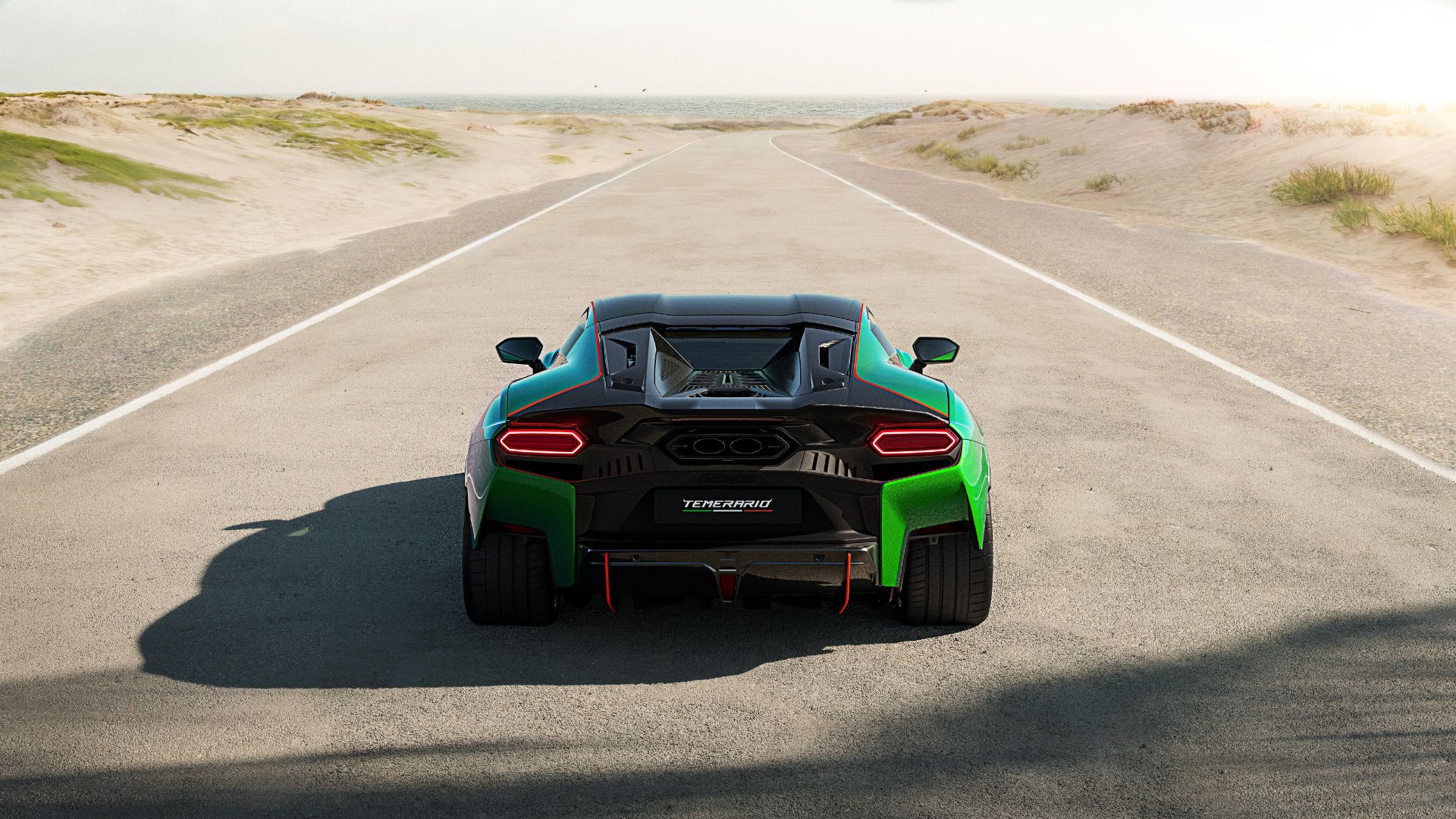
The Highlight – Enthusiasts loved naturally aspirated engines, especially the V10 engine, for its sonorous exhaust note and the ability of a higher revving performance. The Temerario’s twin-turbo V8 with hybrid assistance managed to achieve peak revs of 10,000 rpm – making it the first engine in Lamborghini production history to safely do so. Additionally, the Temerario also boasts 3D-printed interior elements – a first for Lamborghini on a mass-production scale. Even though some consider the Temerario’s exterior design subdued, relative to some of its previous models, the exposed design approach for the engine unit and the rear tyres scream Lamborghini to its flamboyant core.
BMW iX3
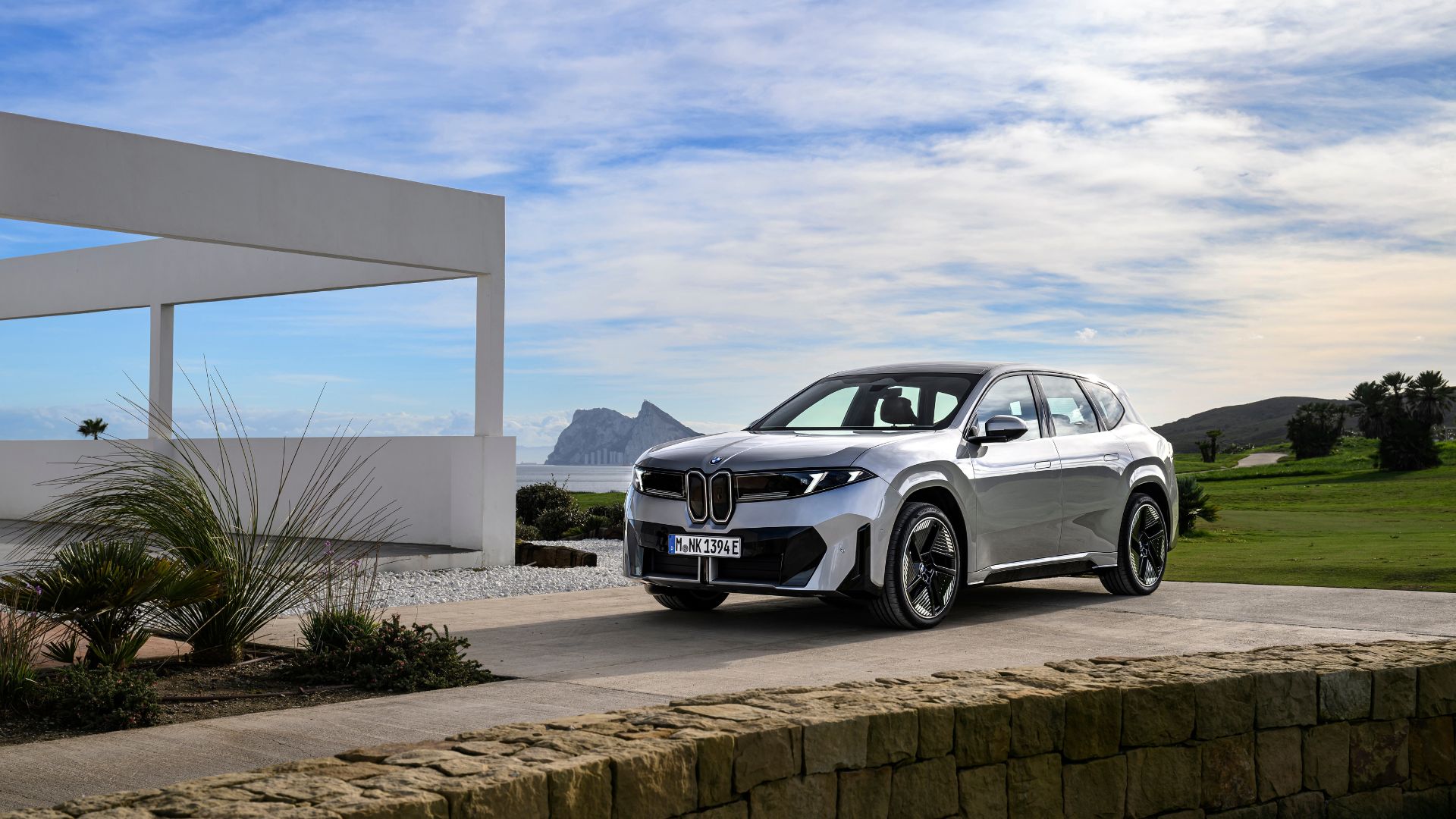
BMW has constantly teased a major impending shift for its future. And in 2025, BMW showcased the first production-ready version of its new future to the world as it debuted the new iX3. The new BMW iX3 is the very first series-production model built on BMW’s revolutionary Neue Klasse platform, marking the start of a brand-wide transformation in design, engineering and software strategy.
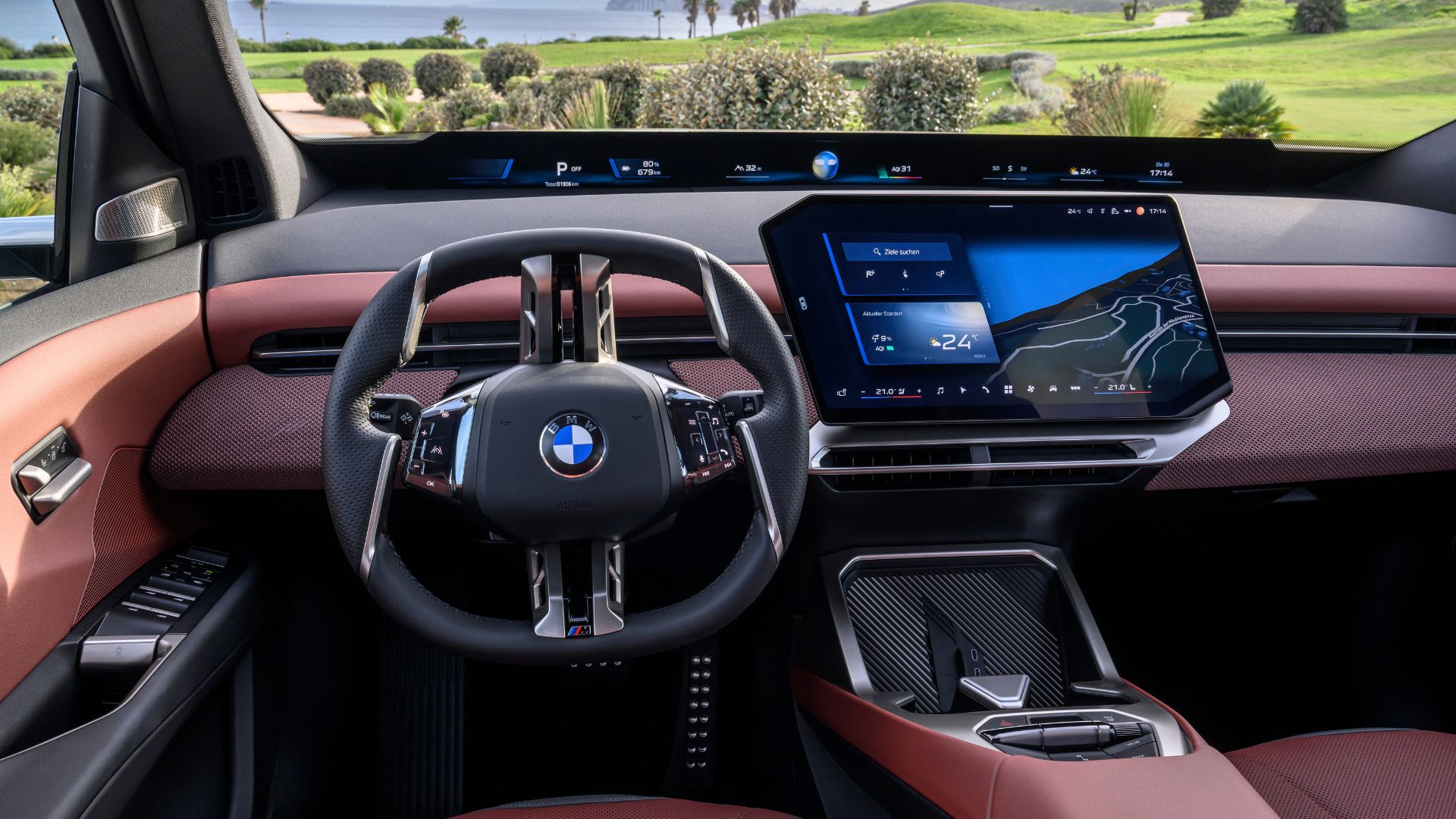
The Highlight – BMW’s Neue Klasse platform debuts in the flesh with the iX3 and signals the arrival of the new design language one can expect in future BMW models. Especially with the interior, featuring BMW’s Panoramic iDrive – a new digital cockpit experience with a full-width digital display and advanced combined screens – and BMW’s new central computing architecture called ‘Heart of Joy’ that is aimed to compute driving dynamics, energy management and infotainment by a singular tightly coordinated software-defined system for enhanced and seamless efficiency in future BMW EVs, which is also capable of improving the vehicle’s dynamic and infotainment capabilities via software updates. The iX3 also boasts a 108.7 kWh high-voltage battery which uses cylindrical cell chemistry, claimed to offer a higher energy density and better charging performance with up to 800kms of claimed range.
Ferrari 849 Testarossa
Ferrari has played the retro card with its 2025 model launch by calling it the Ferrari 849 Testarossa. Spiritually, the 849 Testarossa is a successor to the SF90 plug-in hybrid supercar, and it even carries the same powertrain comprising a 4.0-litre twin-turbo V8 engine paired with three electric motors. However, the 849 Testarossa now produces 1036 hp – 50 hp more than the SF90 – with a 0-100kph sprint time of under 2.3s and a top speed over 330 kph.
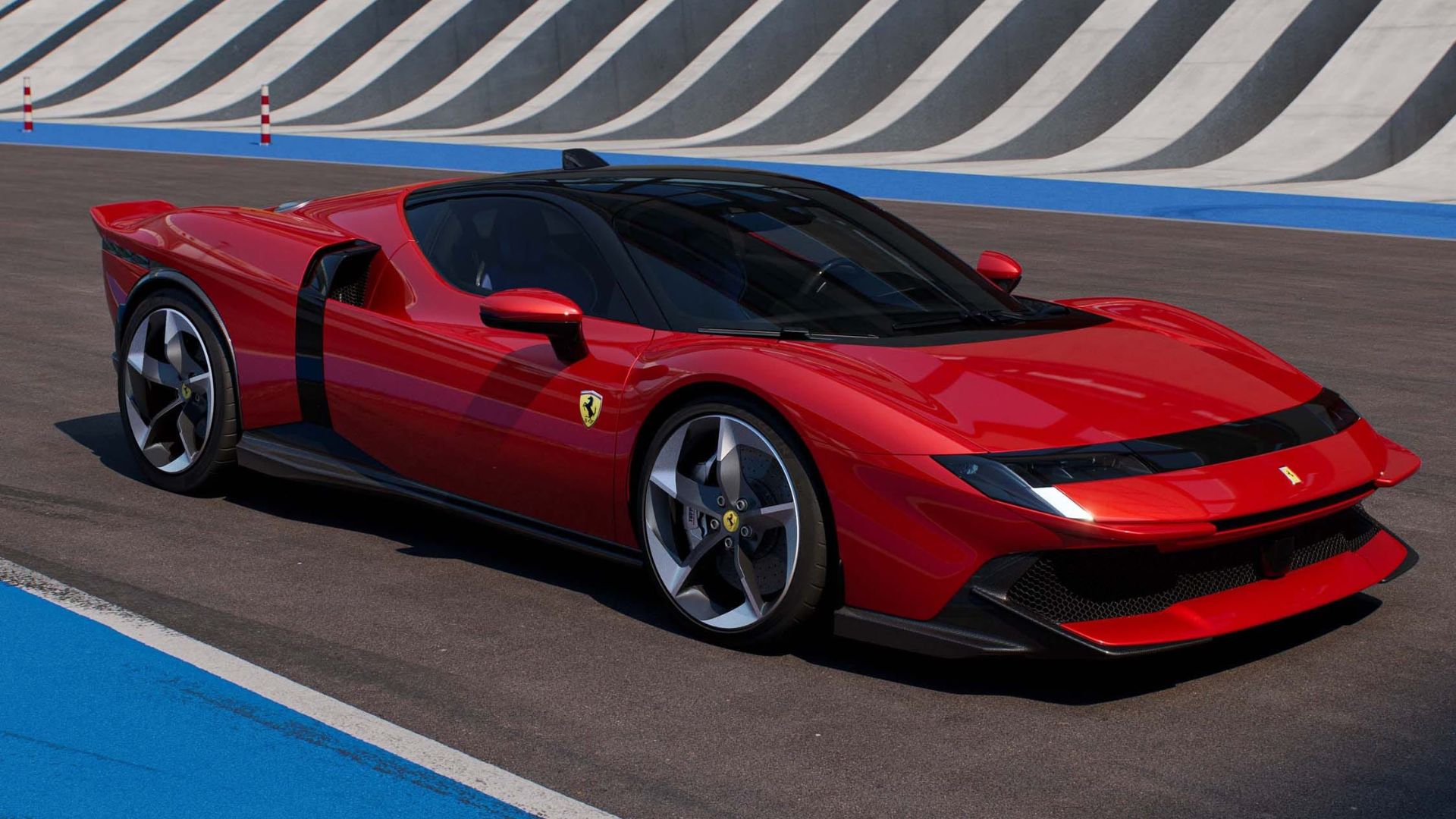
But adding the ‘Testarossa’ suffix also necessitates the new supercar to shoulder a glorified legacy. From a design standpoint, the 849 misses out on the iconic slatted side profile of its predecessor, which earned silver screen fame via Miami Vice and was a legitimate pin-up poster car design courtesy of Pininfarina. Interestingly, the Ferrari SP3 Daytona’s rear pays a better tribute to the 80s sports car even though it must not have been the brief’s demand. The new design is an intricate mixture of Ferrari’s latest hypercar, the F80, and design cues from 1970s Ferrari sports prototypes, especially the iconic Ferrari 512 S, but now modernised on the 849, along with hints of the Dodici Cilindri and the SP3 Daytona. So, why the name Testarossa?
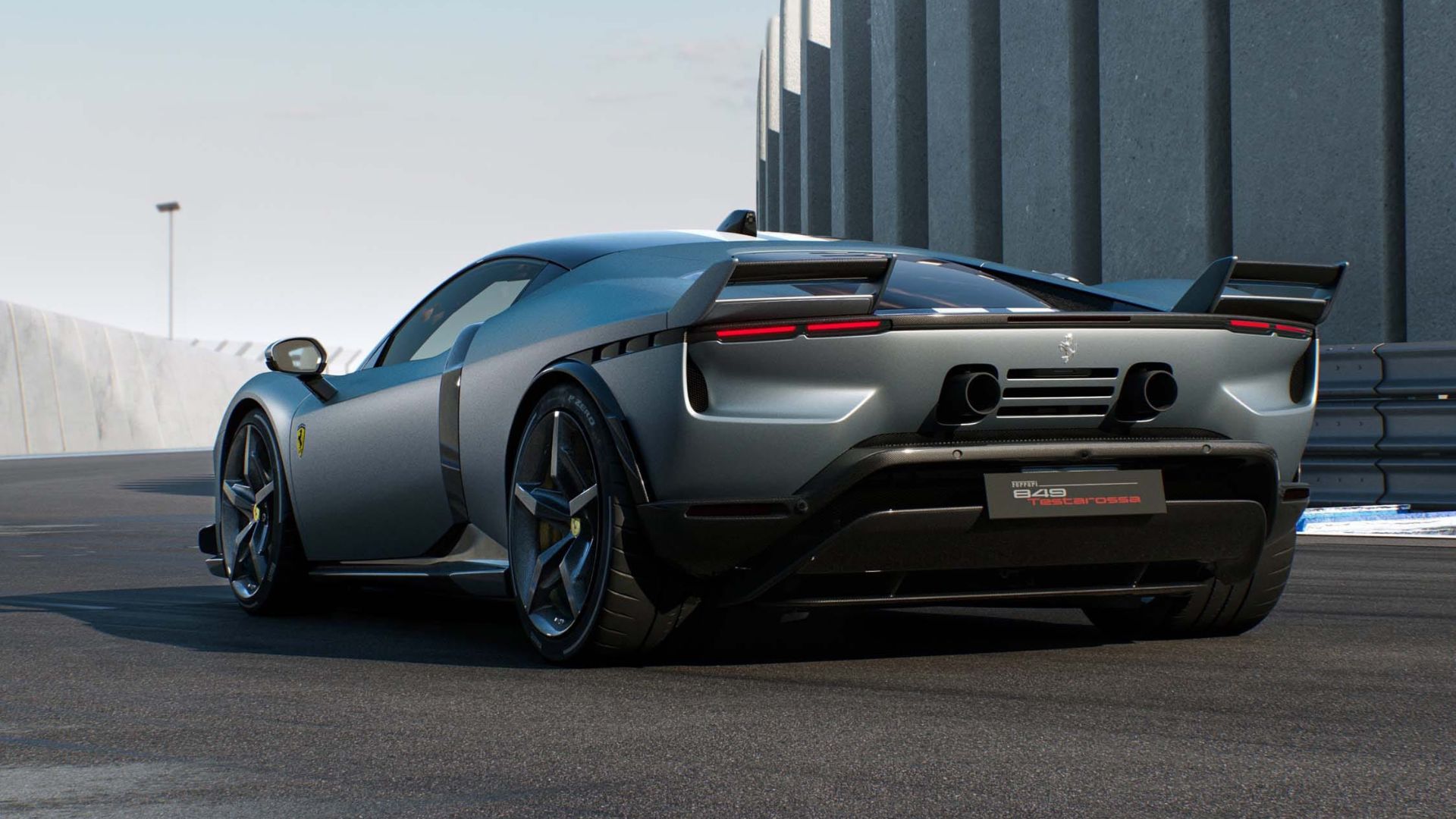
The Highlight – The Testarossa on the 849 Testarossa appears to be a homage to the original 250 Testarossa’s racing lineage, famed for winning multiple Le Mans titles and helping Ferrari secure World Sports Car Championships in the late 50s and early 60s. Hence, on the 849 Testarossa, Ferrari has fitted its largest turbochargers ever, borrowed engine technology from the F80 hypercar, and fused in multiple lightweight materials across the structure to retain the same weight figure as the SF90 predecessor but outgunning the older supercar in almost every performance metric. All this has allowed the Ferrari 849 Testarossa to boast Ferrari’s highest power-to-weight ratio ever on a production car. Plus, it procured a 1:17.500 lap time on Ferrari’s own Pista di Fiorano race track, making it the third-fastest Ferrari ever around the circuit, only behind the SF90 XX and the F80 – two track-bred machines.
Aston Martin Vanquish Volante
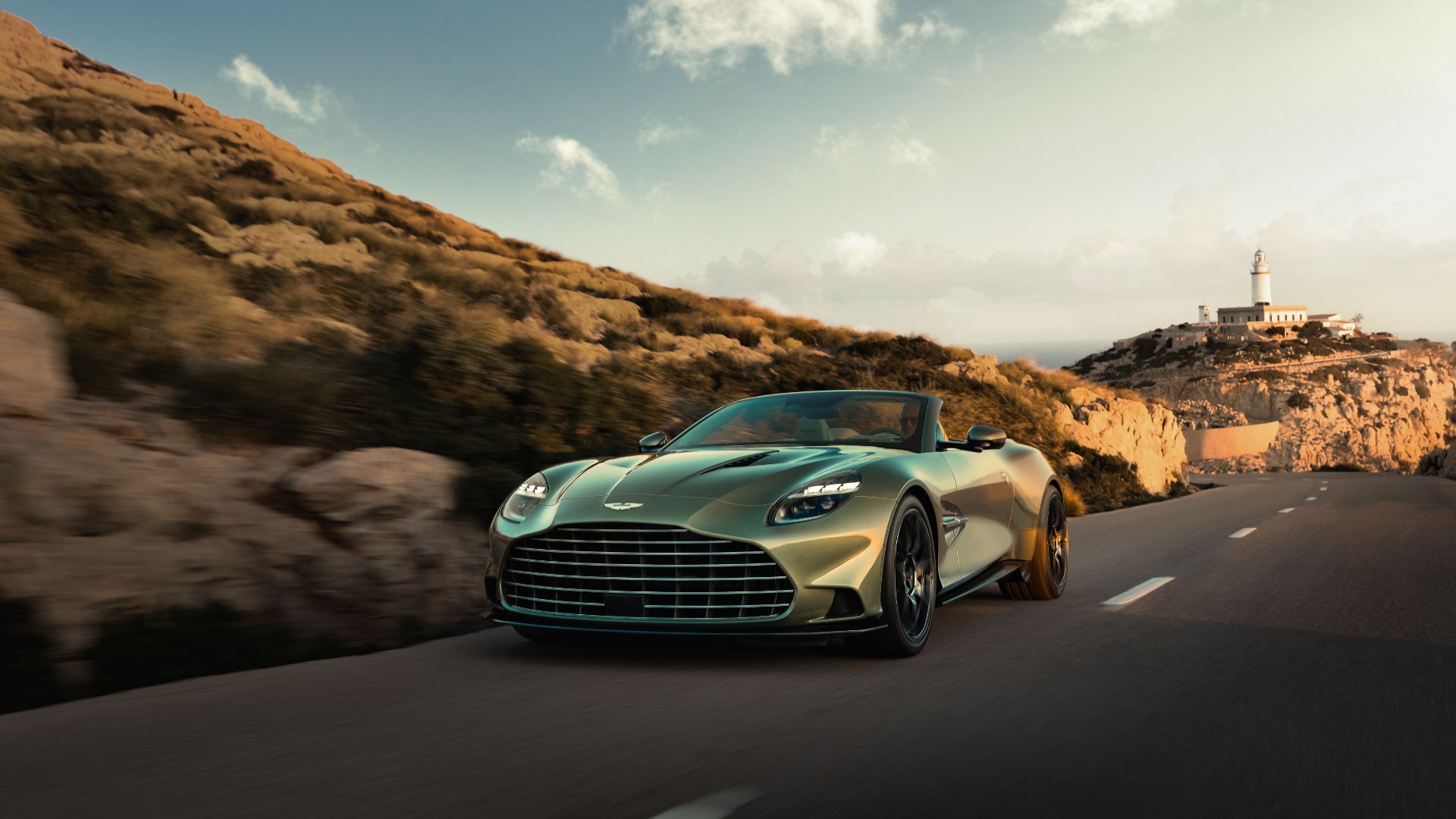
It was in 2024 when Aston Martin unveiled the third-generation Vanquish flagship GT car. A year later, the British marque launched the convertible iteration of the same, called the Aston Martin Vanquish Volante.
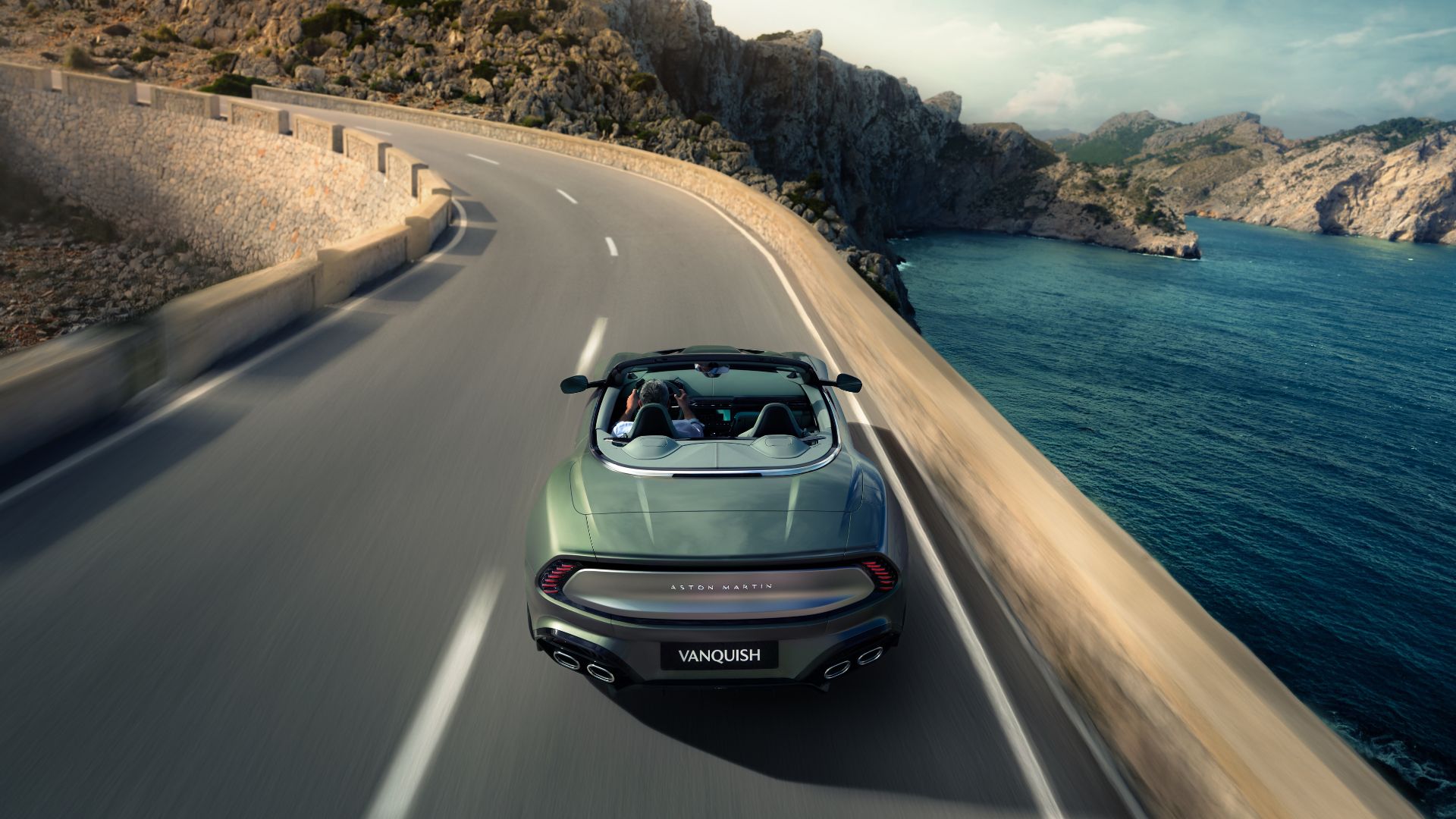
The Highlight – Upon launch, Aston Martin claimed the new Vanquish Volante to be the fastest and the most powerful front-engined convertible in the world. Courtesy of a 5.2-litre twin-turbo V12 engine, the same as the Vanquish coupe, the Vanquish Volante produces 824 hp. While the 0-100kph sprint time takes 3.4secs, 0.2secs slower than the coupe, it retains the same top speed of 344kph despite weighing 95 kilos more than the coupe. At a time when electrification is still knocking on every carmaker’s doorstep, the Vanquish Volante happens to be one of two front-engined V12 grand tourers available in the market. While on the subject of the future, the Vanquish Volante is also one of the early cars to feature Apple CarPlay Ultra, enabling more customisation via greater control of the car’s infotainment and even the instrument cluster to the Apple CarPlay software.
Xiaomi SU7 Ultra
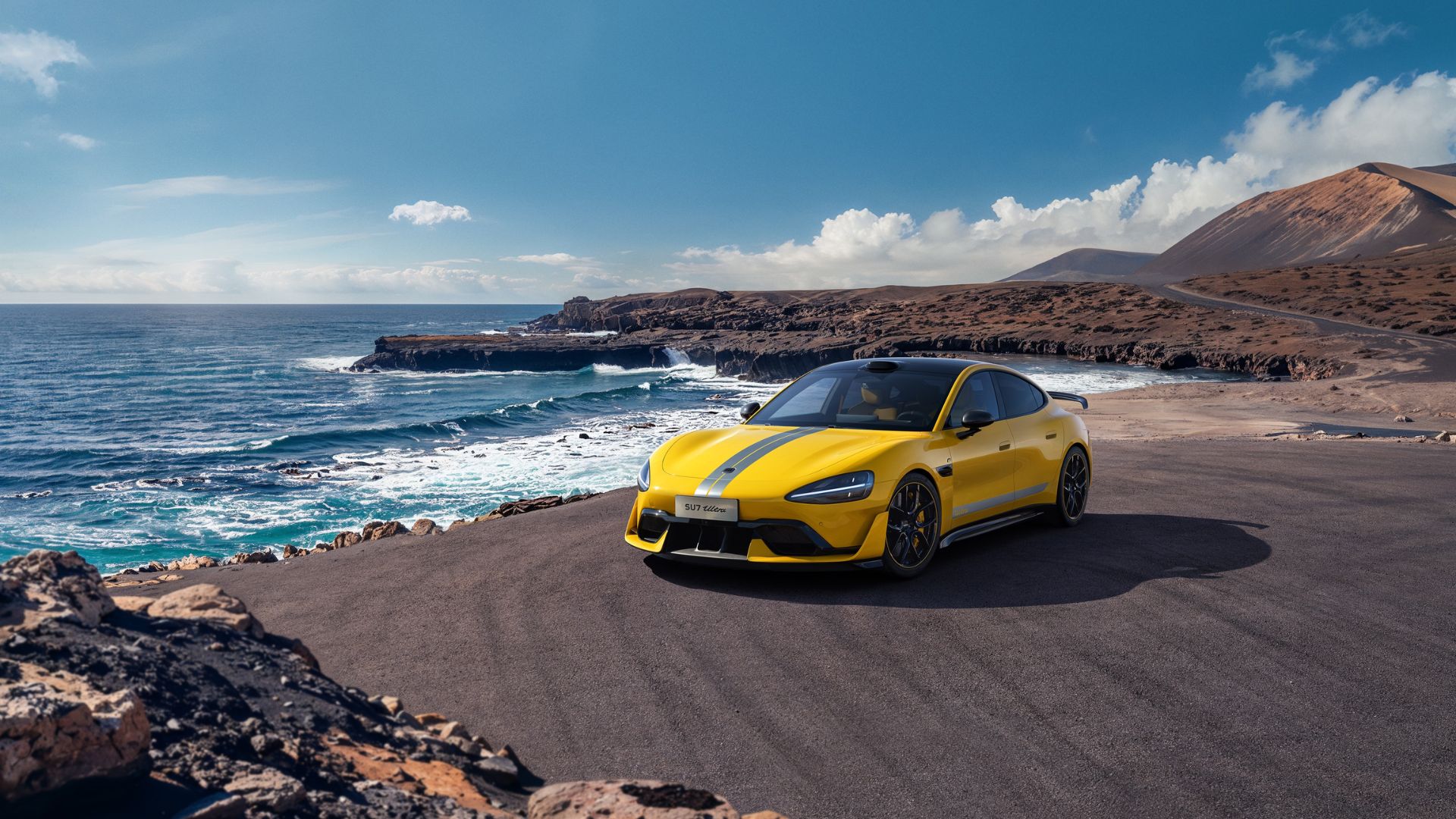
The mass-market EV sector has seen a rising domination by the Chinese carmakers in the past. However, the performance division, a segment largely monopolised by the Europeans, finally saw worrying competition from the Chinese as 2025 saw Xiaomi launch its SU7 Ultra EV. The SU7 Ultra, Xiaomi’s new high-performance all-electric sedan, has shocked the world with its performance specifications while offering operational efficiency many thought to be unattainable.
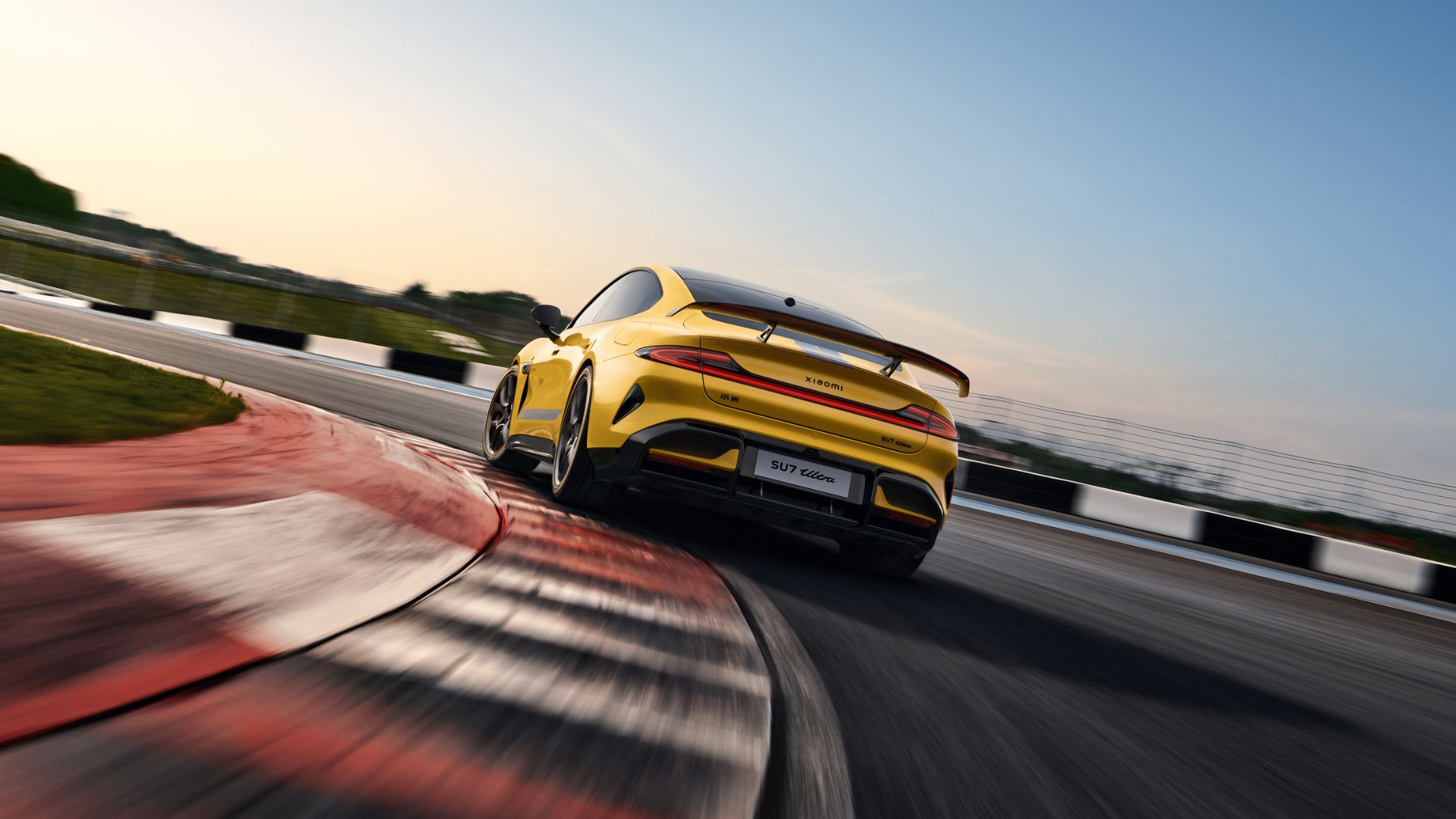
The Highlight – Conquering the Nürburgring racetrack certifies a global impact, and Xiaomi did just that with the SU7 Ultra. A lap record of 7:04.957 made the new SU7 Ultra, a four-door saloon, the fastest electric production car – beating the likes of the Rimac Nevera hypercar and direct rival Porsche Taycan Turbo GT. And that isn’t even the most worrying stat for the Europeans as Xiaomi attempted another record with a prototype SU7 Ultra lapping the ‘Ring in a phenomenal 6:22.091 in June 2025, ranking it among the fastest four-door cars ever. One would need to limit superlatives to describe the new SU7 Ultra because, with a 0-100kph sprint time of 1.98secs, the new Xiaomi EV saloon is also among the fastest accelerating four-door production cars in the world. Such figures and achievements can be credited to a tri-motor AWD architecture offering a power output of over 1500 hp, making it one of the most powerful production EV sedans ever
Toyota GR GT
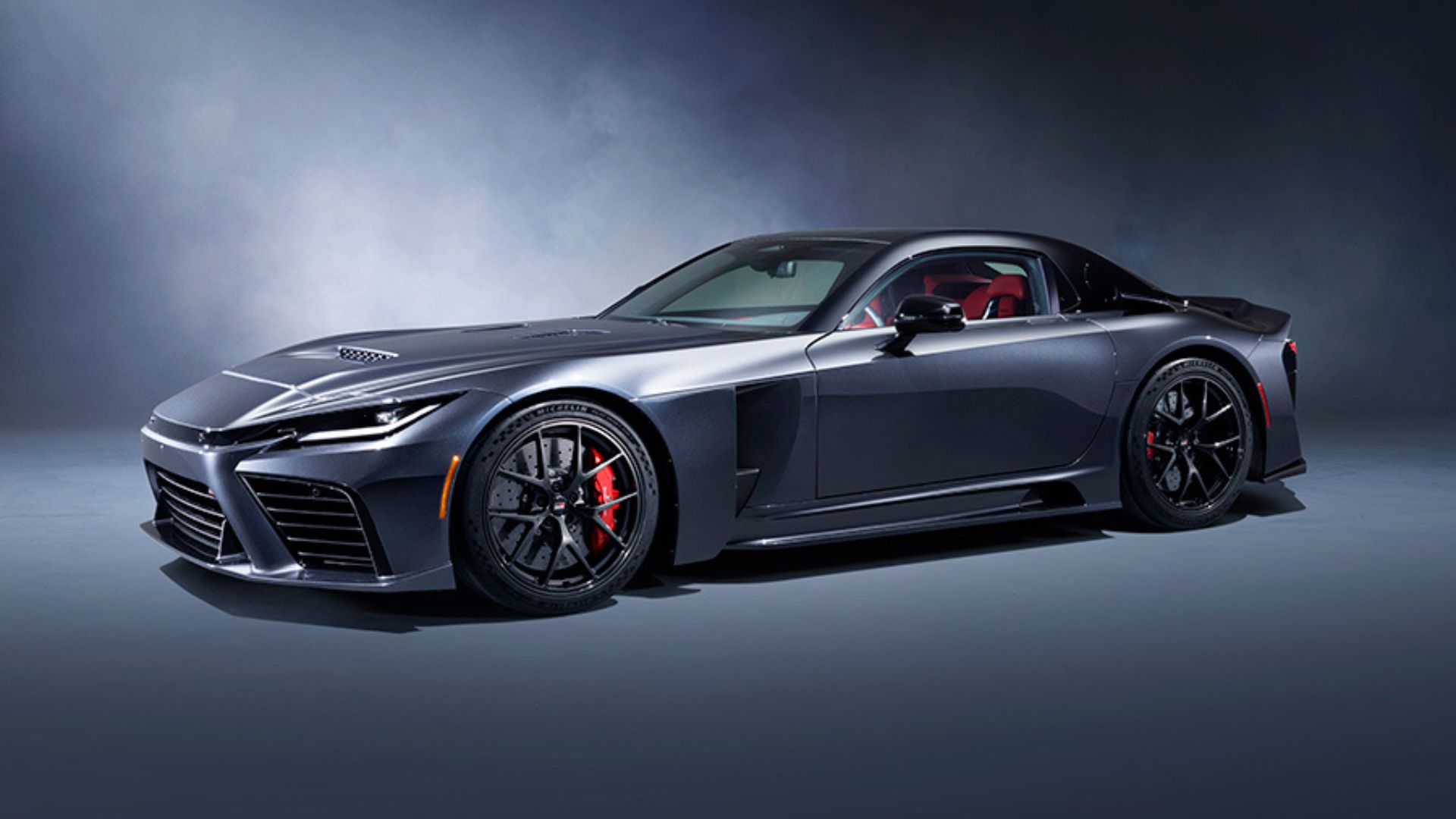
It’s been a while since Toyota launched an indigenous sports car with a powerplant powerful enough to make it desirable and engineering capable enough to have it punch above its weight. After months of camouflaged sightings and internet gossip, Toyota finally launched its all-new GR GT sports car in 2025. And unlike Toyota’s recent sporty endeavours, where financial safety may have triumphed over innovation and typical Toyota engineering, the GR GT appears to be Toyota’s blue-eyed return to the sports car division.
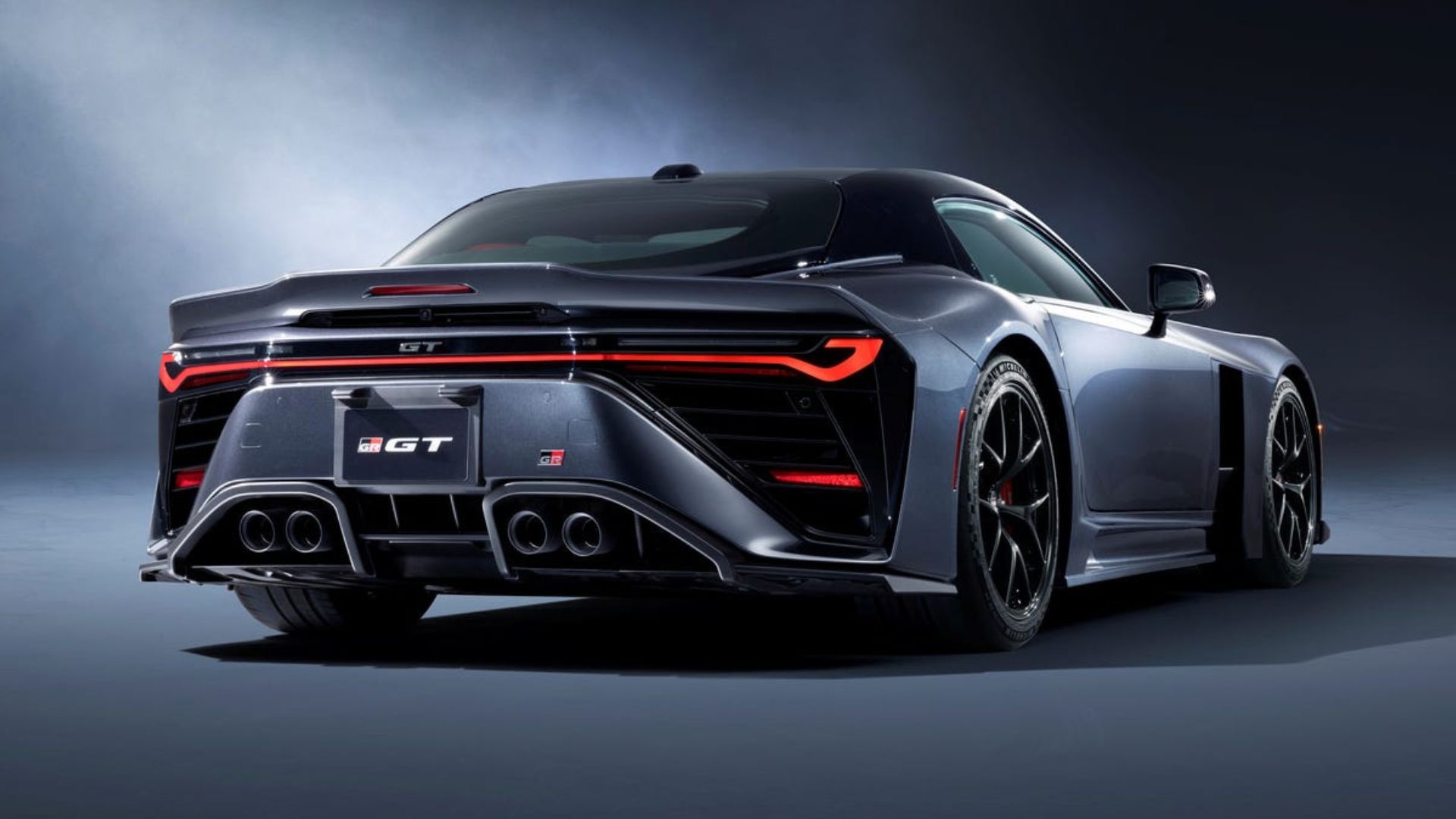
The Highlight – Driver-focussed appears to be the keyword in the GR GT’s development brief. Right from the space frame chassis, an all-aluminium unit – a Toyota first for a production car, to a twin-turbo V8 hybrid – another Toyota first in this configuration – the GR GT was born to please the occupant of the driving seat. Moreover, unlike most performance cars, which are adapted from road car platforms, the GR GT’s chassis and core engineering were developed in parallel with the GR GT3 race car, making it Toyota’s first race-platform-first road car. It boasts carbon fibre panels for its hood, roof and other internal components with styling designed to prioritise performance over aesthetics.
Porsche Cayenne Electric
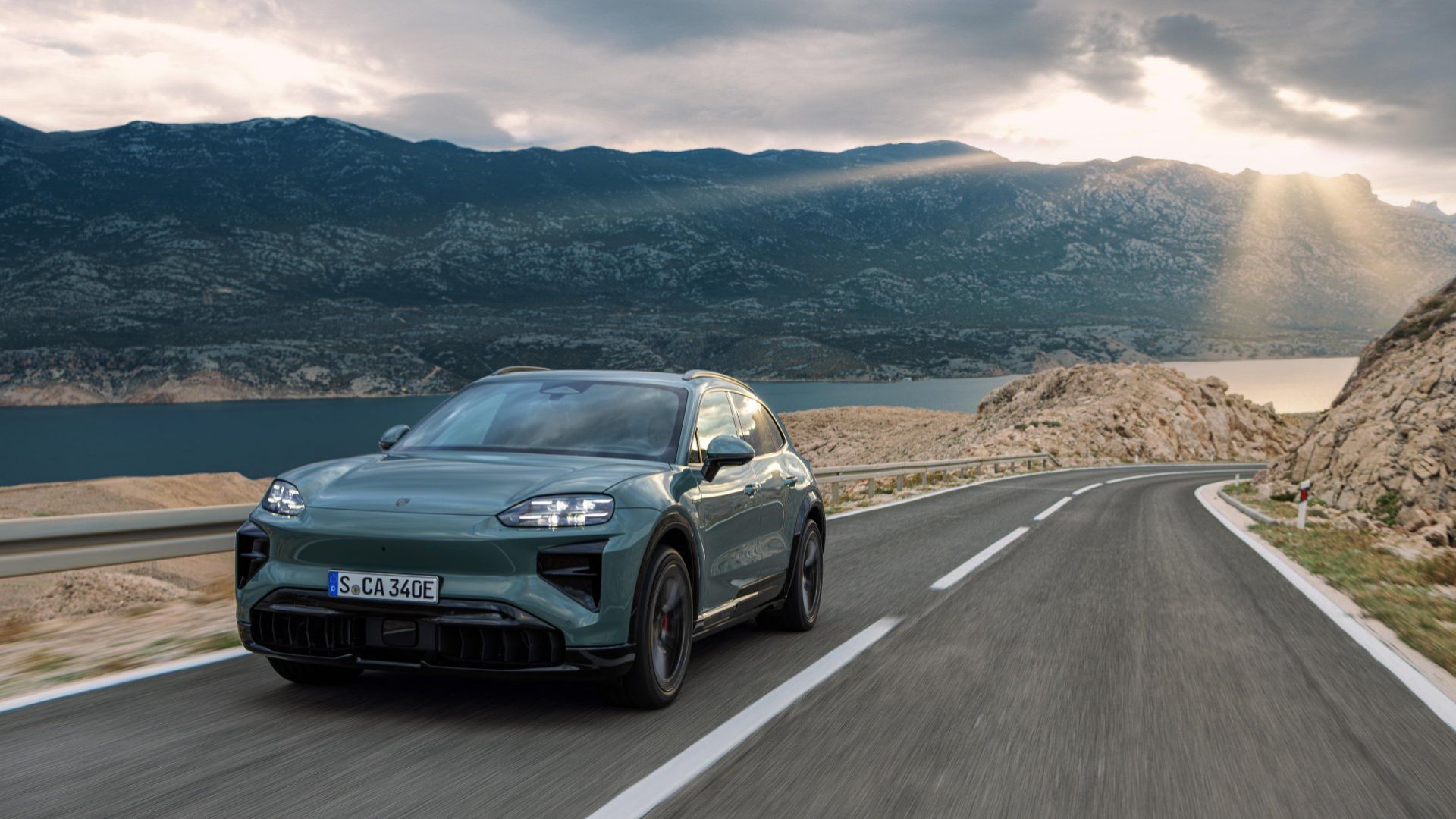
Cayenne, one of the OG models to define the term ‘SUV’ in its most accurate sense, finally bites the electrification bug. The first-ever all-electric Cayenne debuts at a time when Porsche is facing a troubling financial period with dwindling global sales and an uncertain future for its model line-up. History tends to repeat itself, and the debut of the first-generation Cayenne in the early 2000s had Porsche facing a similar unstable financial situation. Despite initial controversy and negative remarks, the original Cayenne turned out to be a massive success for Porsche. It pulled Porsche out of hot water, and the model is even credited with keeping the lights on for the iconic 911 and Cayman nameplates to this date. The new Cayenne Electric also faces a similar uphill challenge with the added negative sentiment towards a luxury EV’s mass-market feasibility.
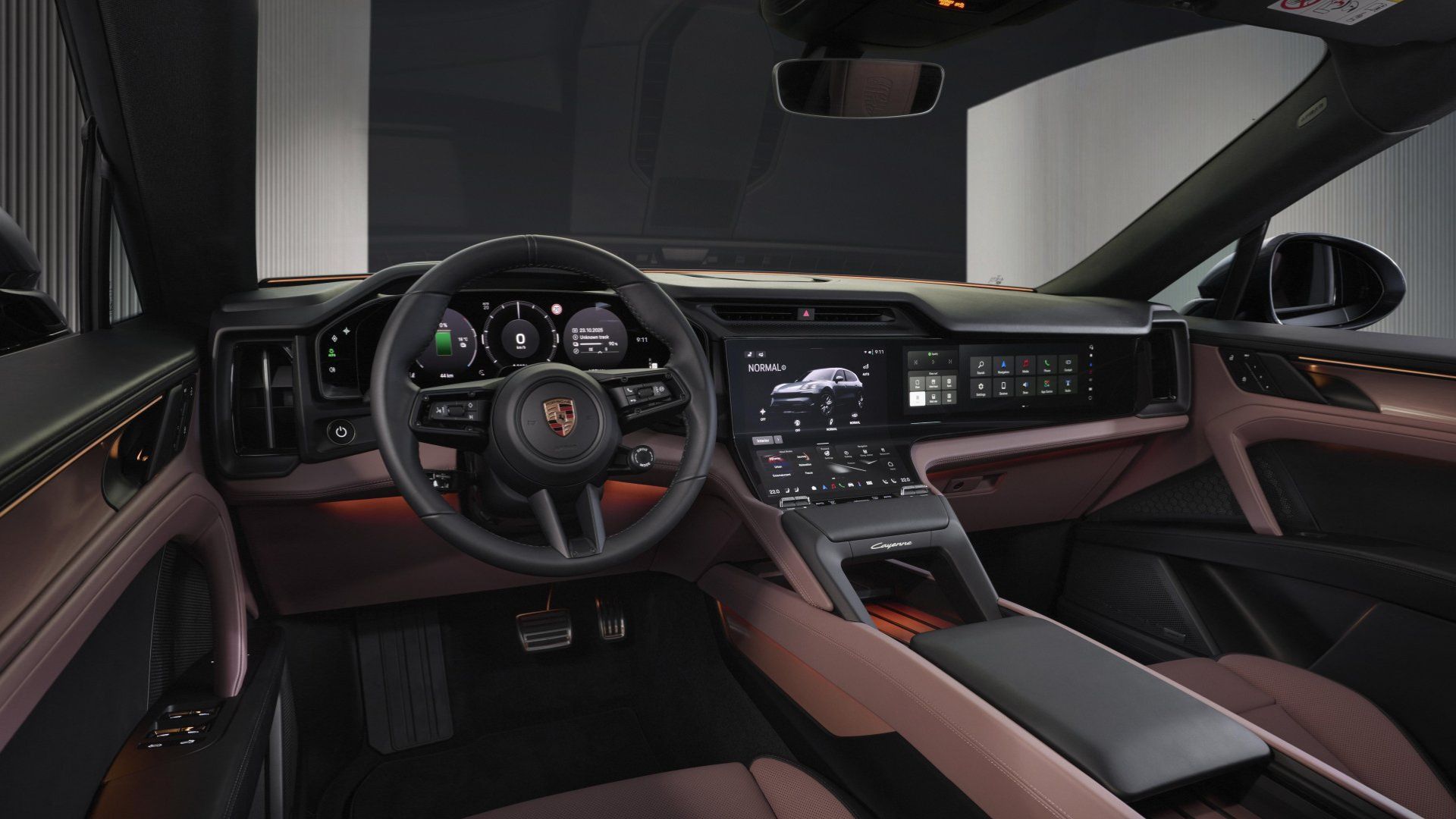
The Highlight – Despite being a family SUV, the new Porsche Cayenne Electric Turbo is the most powerful production Porsche ever. Activating Launch Control with Push-to-Pass functionality offers a 1140 hp power output with a 2.5sec 0-100kph acceleration time. Being a dedicated EV, it is built on an evolved PPE architecture with an 800V electrical system with a 113 kWh battery integrated within the vehicle structure. Porsche claims the Cayenne Electric boasts industry-leading charging speeds of up to 400 kW on DC charging, entailing a 0-80% charge in around 16 mins. Additionally, it is also the first Porsche to get its new 11 kW wireless charging system with automatic detection and vehicle lowering upon the charging floor plate. For the occupants, the Cayenne Electric will boast the largest interior display ever installed in a Porsche, forming the largest continuous digital surface in any Porsche.
Comment your favourite car launch below!