

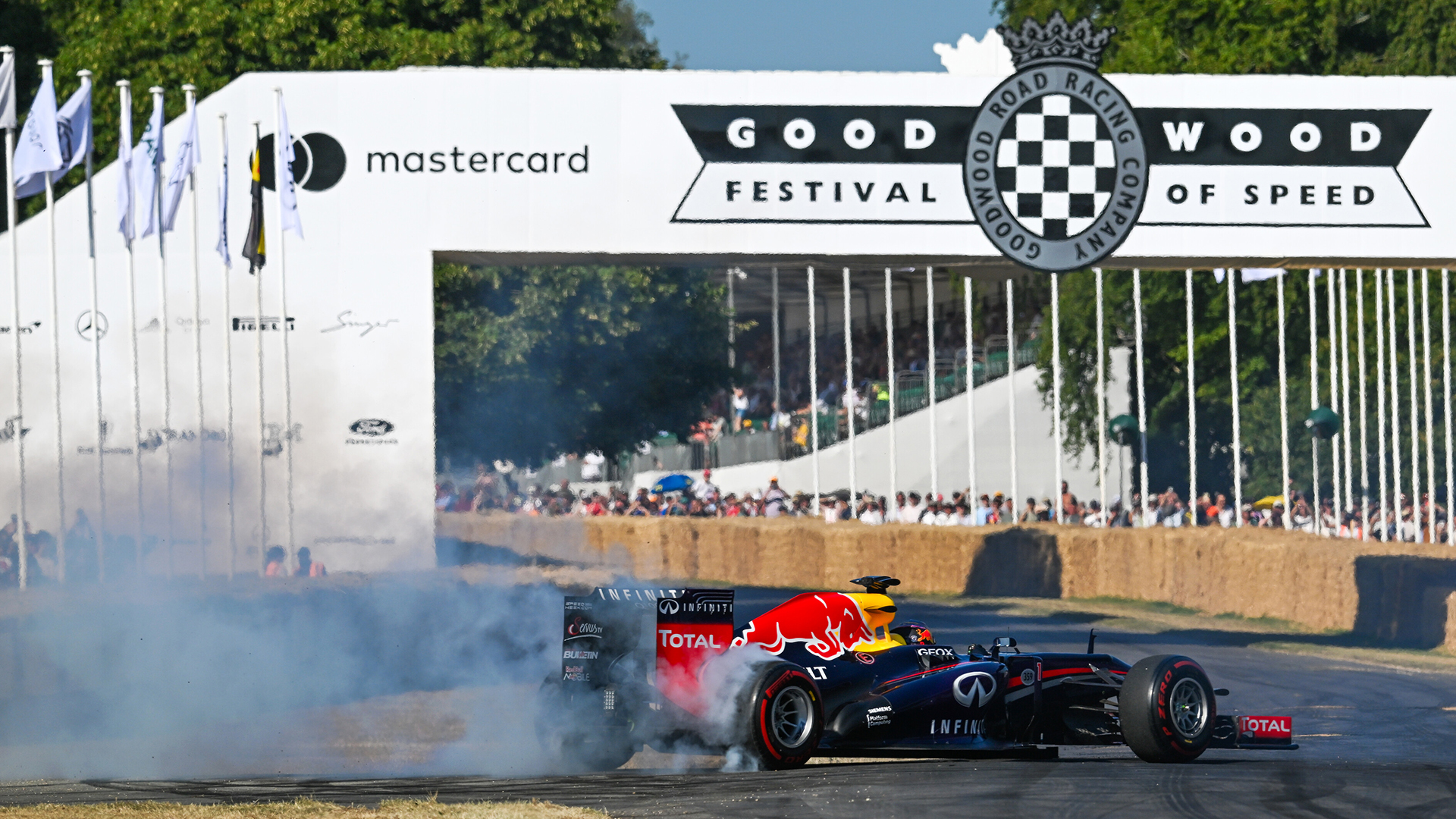
Ask any motorsport fan to name the world’s greatest automotive events and Goodwood Festival of Speed will almost certainly be on the list.
Held every summer at Goodwood House in West Sussex, England, the festival attracts Formula 1 world champions, Le Mans winners, manufacturers, collectors and automotive enthusiasts from across the globe. It is one of the few places where a 100-year-old Grand Prix car, the latest Formula 1 challenger and an all-electric hypercar can all share the same stretch of tarmac within a single afternoon.
Unlike a traditional motor show, Goodwood is built around movement. Cars are driven, engines are pushed to their limits and visitors get closer to the action than almost anywhere else in motorsport.
Whether you’re planning your first visit or simply want to understand why the festival has become a global phenomenon, here are five fascinating facts that make Goodwood unlike any other automotive event.
1. The Goodwood Festival of Speed Has Roots Dating Back to 1936
Although the Goodwood Festival of Speed officially began in 1993, its story started decades earlier.
The modern festival was founded by Charles Gordon-Lennox, the Duke of Richmond, who wanted to revive motorsport at the Goodwood Estate after racing activities had disappeared from the venue.
Its true origins, however, trace back to 1936, when the 9th Duke of Richmond organised a hillclimb event for the Lancia Car Club on the estate’s private roads.
That historic event laid the foundations for what has become one of the world’s most influential celebrations of cars and motorsport.
Today, Goodwood attracts hundreds of thousands of visitors every year while preserving the heritage that inspired its creation.
2. It’s One of the Few Events Where You Can Get This Close to Formula 1 Cars
Goodwood offers something that very few automotive events can match: unrestricted proximity.
At most exhibitions, priceless race cars sit behind ropes or glass barriers. At Goodwood, visitors can walk through paddocks where Formula 1 cars, Le Mans prototypes, rally legends and multi-million-pound hypercars are prepared just metres away before heading out onto the course.
Drivers, engineers, manufacturers and fans all share the same environment, creating an atmosphere that feels remarkably open despite the value of the machinery on display.
For many visitors, this access is what makes Goodwood feel less like an exhibition and more like stepping inside the world’s biggest motorsport paddock.
3. Every Year Is Defined by a Different Central Feature
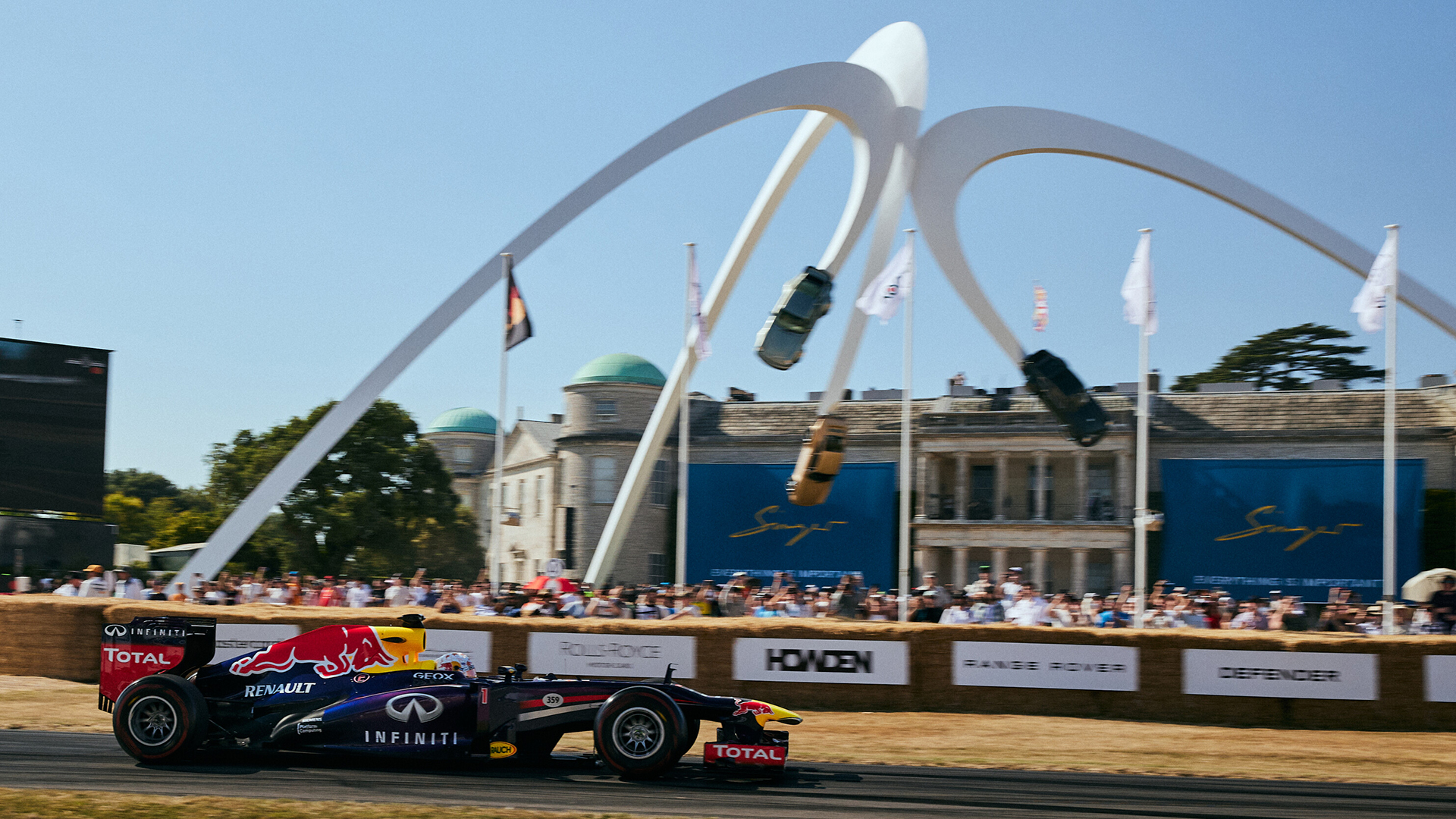
Standing in front of Goodwood House is the festival’s most recognisable landmark: the Central Feature.
Every edition features a newly designed sculpture celebrating an automotive manufacturer, racing achievement or significant anniversary.
These installations have become as iconic as the festival itself, with brands including Porsche, Aston Martin, Mercedes-Benz, BMW, Jaguar and many others honoured through dramatic architectural displays featuring cars suspended high above the estate.
Long before visitors reach the paddock, the Central Feature sets the theme for the entire weekend.
4. The Hillclimb Is Where Motorsport History Is Made
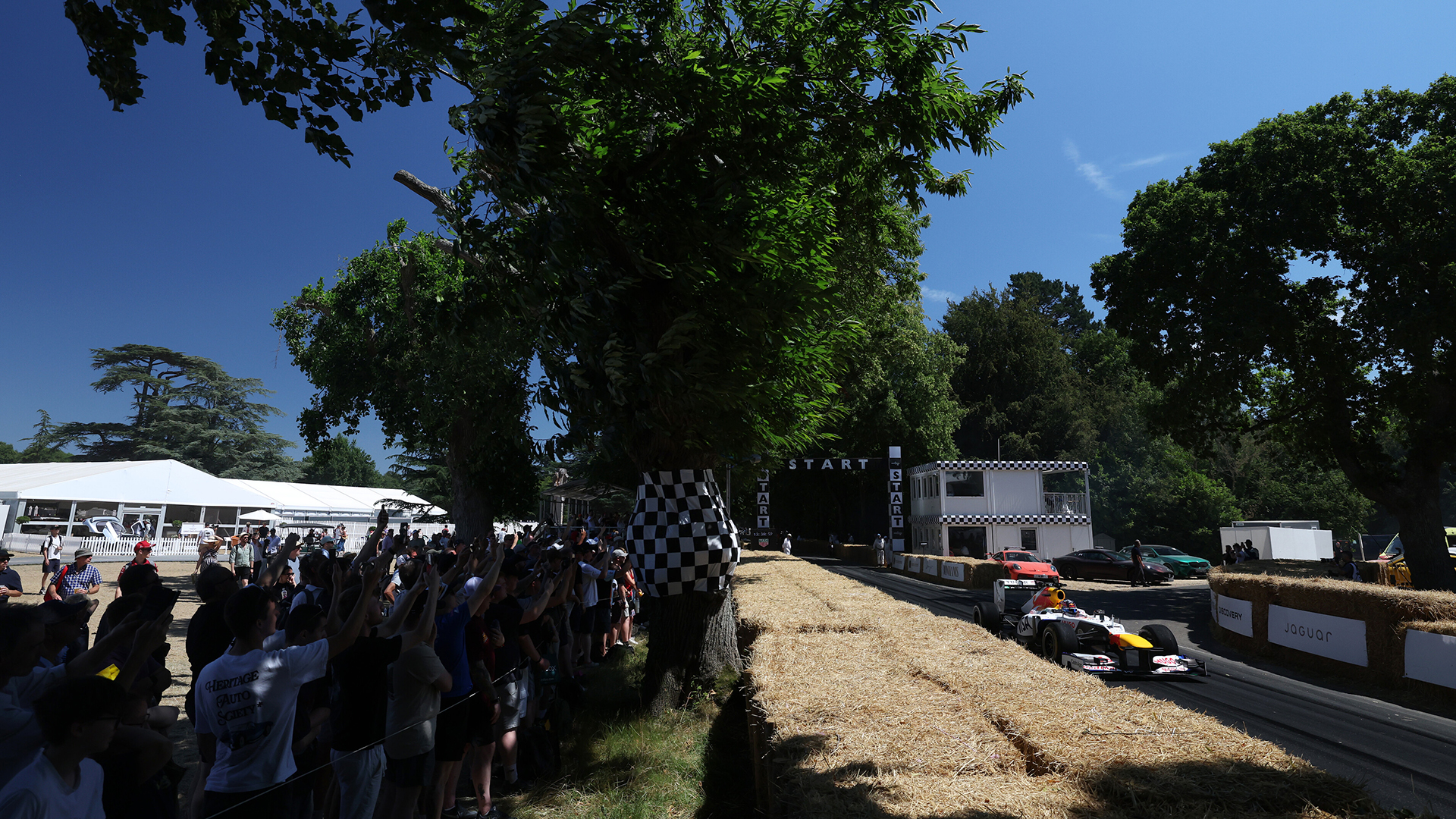
At the heart of the festival lies the famous 1.86-kilometre Goodwood Hillclimb.
The narrow course winds uphill between hay bales, grass banks and stone walls, leaving virtually no margin for error.
Across the weekend, competitors ranging from vintage Grand Prix machines to modern Formula 1 cars, World Rally Championship cars, Le Mans Hypercars and electric prototypes tackle the same stretch of road.
Everything culminates in the Timed Shootout, where drivers compete outright against the clock.
For more than two decades, Nick Heidfeld’s astonishing 41.6-second run in a McLaren Formula 1 car remained one of motorsport’s most celebrated records.
In 2022, the all-electric McMurtry Spéirling rewrote history by stopping the clocks at 39.08 seconds, becoming the fastest car ever to climb Goodwood Hill.
The record perfectly illustrates how the festival has evolved alongside automotive technology while remaining true to its competitive roots.
5. Goodwood Is Where the Automotive Industry Reveals Its Future
While the festival celebrates motorsport history, it also serves as one of the automotive industry’s biggest launch platforms.
Through the First Glance programme, manufacturers unveil brand-new production cars to the public, often choosing Goodwood for their first dynamic appearance.
The Future Lab expands that vision even further.
Visitors can explore autonomous driving technology, electric aircraft, robotics, sustainable fuels and advanced mobility concepts that are expected to shape the next generation of transportation.
Few events bring together the past, present and future of the automotive world as naturally as Goodwood.
More Than a Festival
The Goodwood Festival of Speed is difficult to compare with any other event.
It combines the atmosphere of a motorsport paddock, the exclusivity of a luxury automotive exhibition, the excitement of live competition and the significance of a global vehicle launch event, all within the grounds of a historic English estate.
Whether you come for Formula 1, endurance racing, classic cars or the latest hypercars, one thing quickly becomes clear: Goodwood isn’t simply a festival about cars.
It’s one of the few places where every era of automotive history comes alive in a single weekend.