


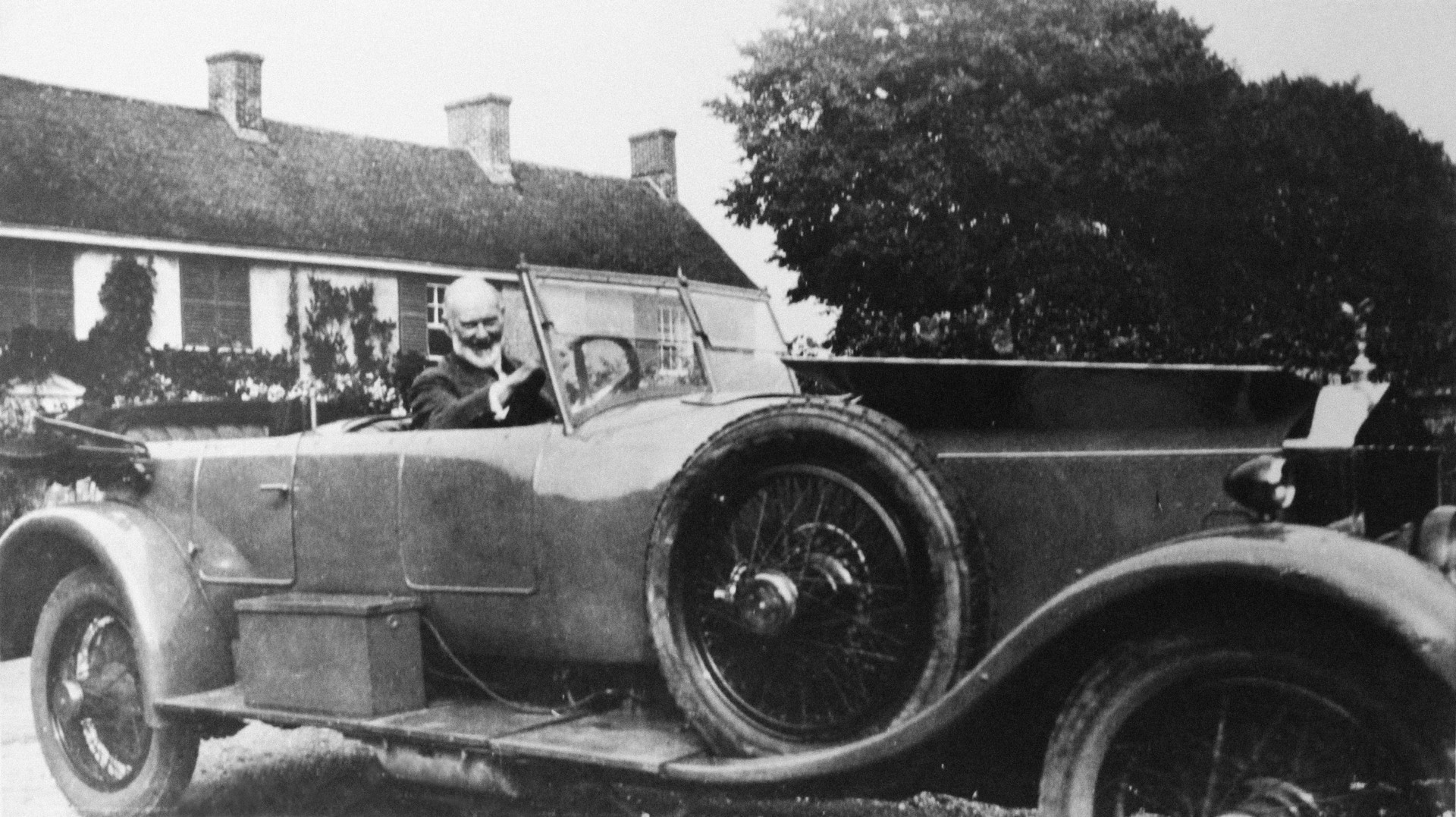
The Rolls-Royce Phantom is much more than a luxury automobile; it represents a century of prestige, influence, and artistic mastery. Since its debut in 1925, Phantom has stood as the epitome of automotive excellence, seamlessly blending timeless elegance with cutting-edge craftsmanship. Its reputation as a symbol of success, power, and personal expression has made it a favourite among royalty, political figures, entertainers, and influential personalities worldwide. Over the decades, the Phantom has continually reflected the aspirations and achievements of its owners, solidifying its place as an enduring icon in both the automotive industry and popular culture.
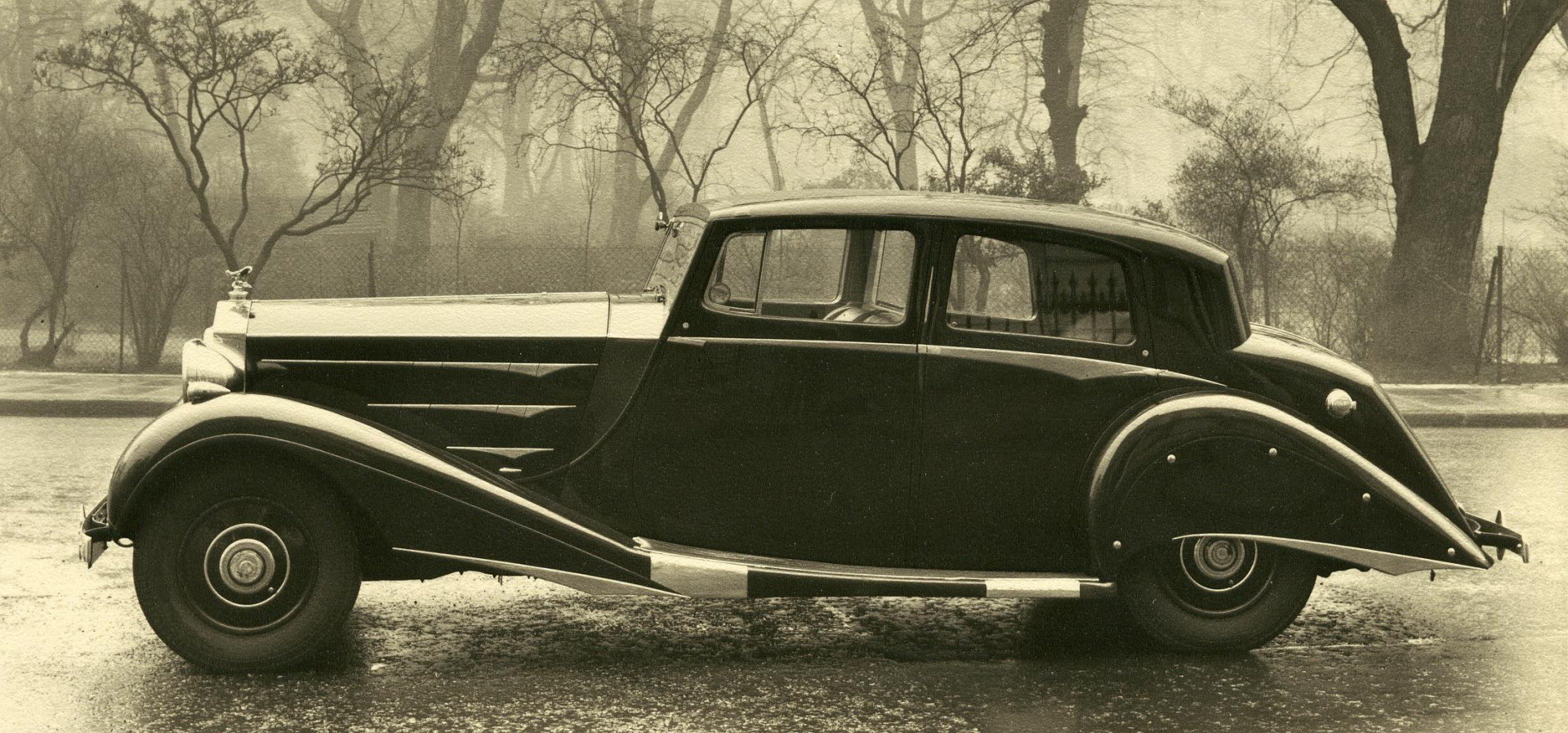
One of the defining attributes of the Phantom has been its association with authority and stability. During World War II, notable military leader Field Marshal Bernard Law Montgomery, known as ‘the Spartan General’ for his austere lifestyle, chose Phantom IIIS as his personal transport. The cars served as symbols of strength, reliability, and permanence, reinforcing Montgomery’s image as a steadfast leader. These vehicles were not merely functional; they conveyed a message of resilience and stability during turbulent times. During the preparations for D-Day in 1944, Montgomery’s Phantoms transported key figures such as Winston Churchill, General Eisenhower, and King George VI, emphasising their role as mobile emblems of leadership and cohesion.
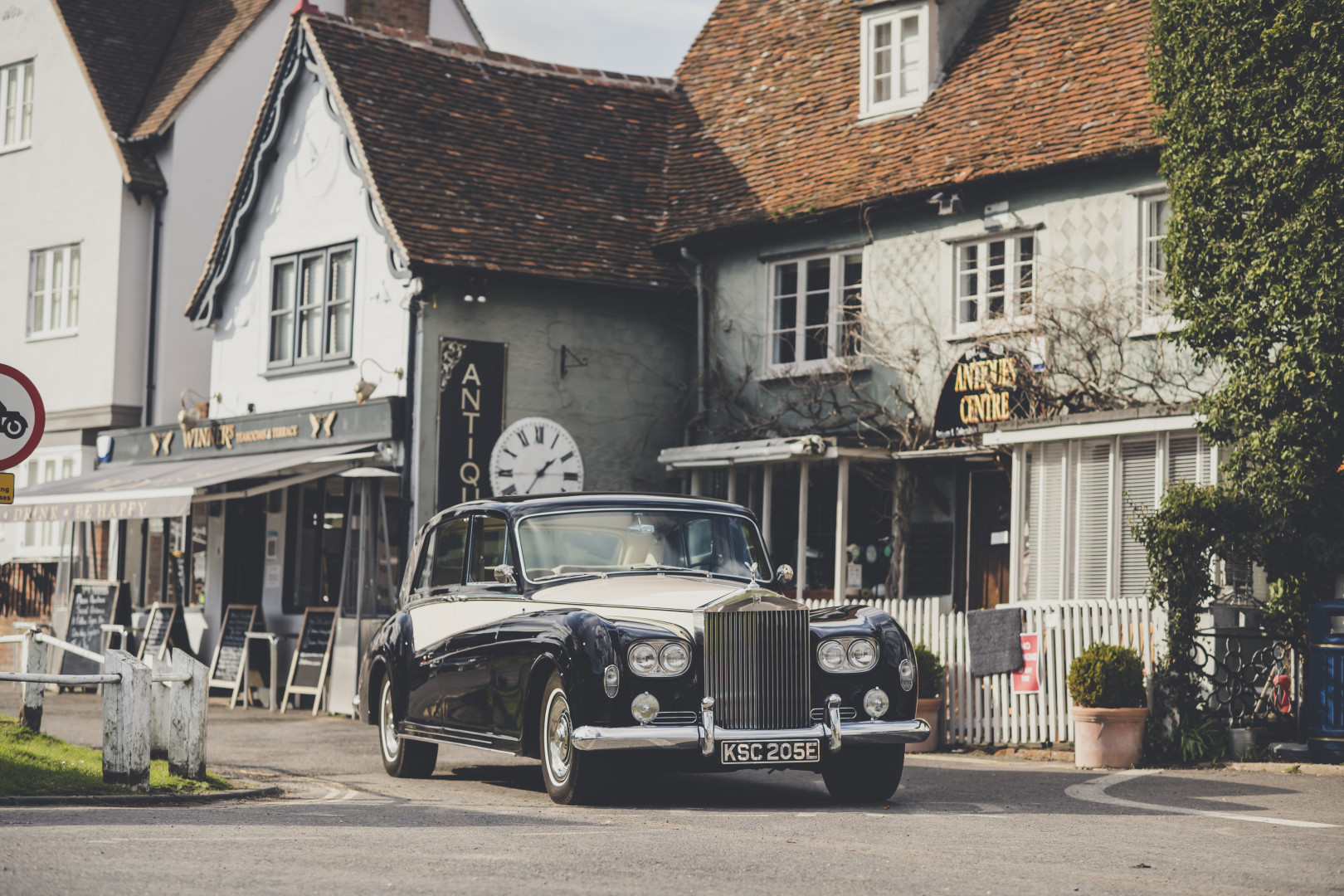
The Phantom’s connection to royalty runs deep, especially in Britain. Shortly after marrying Princess Elizabeth, who later became Queen Elizabeth II, the Duke of Edinburgh commissioned a unique Phantom IV, known as the Maharajah of Nabha. This marked the beginning of an ongoing royal association with the model. Over the years, the British royal family commissioned several Phantom V and VI cars, including the famous Silver Jubilee Phantom VI, presented to the Queen in 1977 to celebrate her 25 years on the throne.
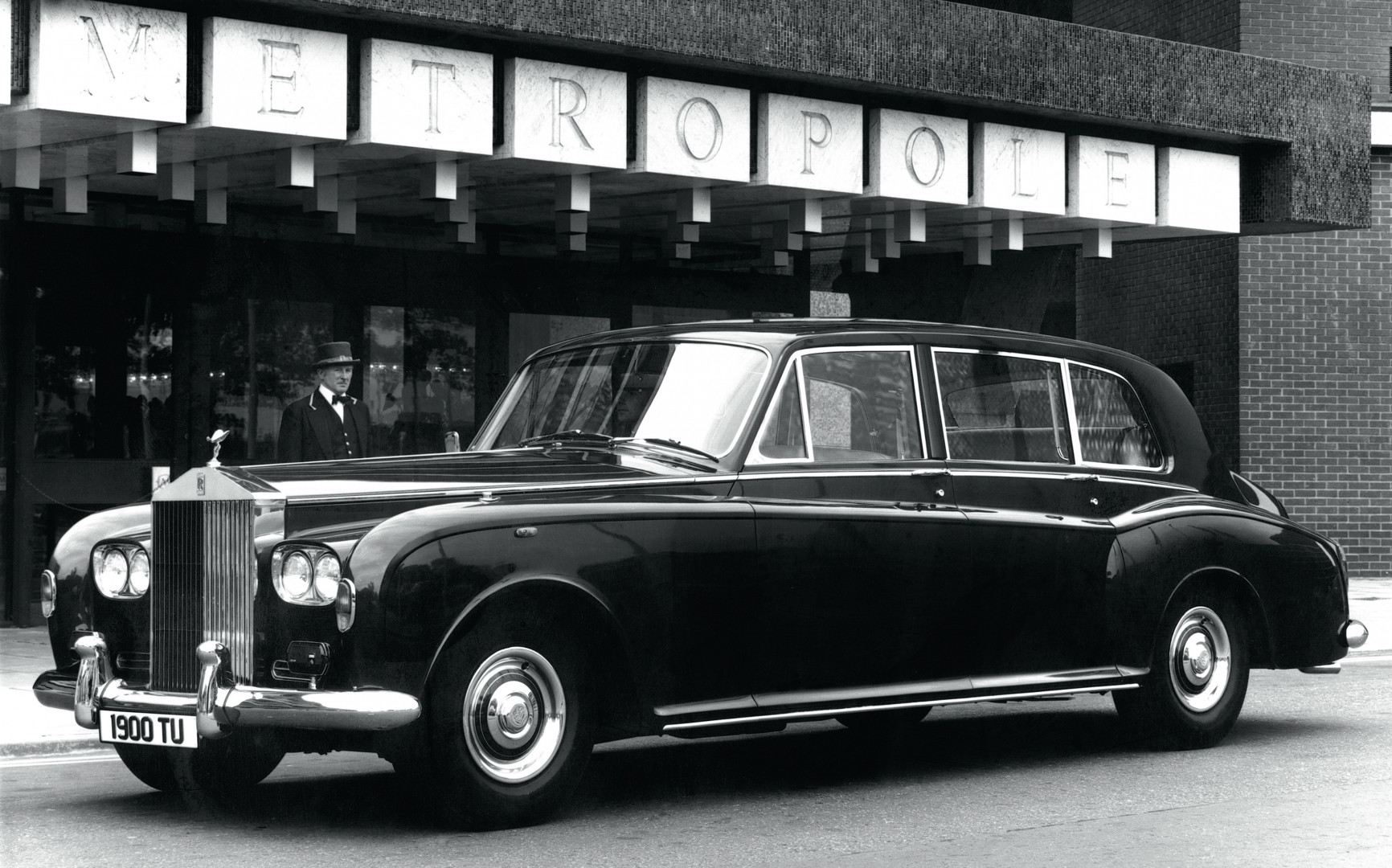
These vehicles have been integral to state occasions, royal processions, and ceremonies, including the wedding of the Duke and Duchess of Cambridge in 2011. Beyond the UK, the Phantom has served as a diplomatic ambassador, delivering leaders like Sheikh Zayed of the United Arab Emirates at his inauguration and transporting ambassadors across the globe, including in Tokyo, Washington, and New Delhi. Its presence on the world stage has often been a subtle but powerful display of soft diplomacy.
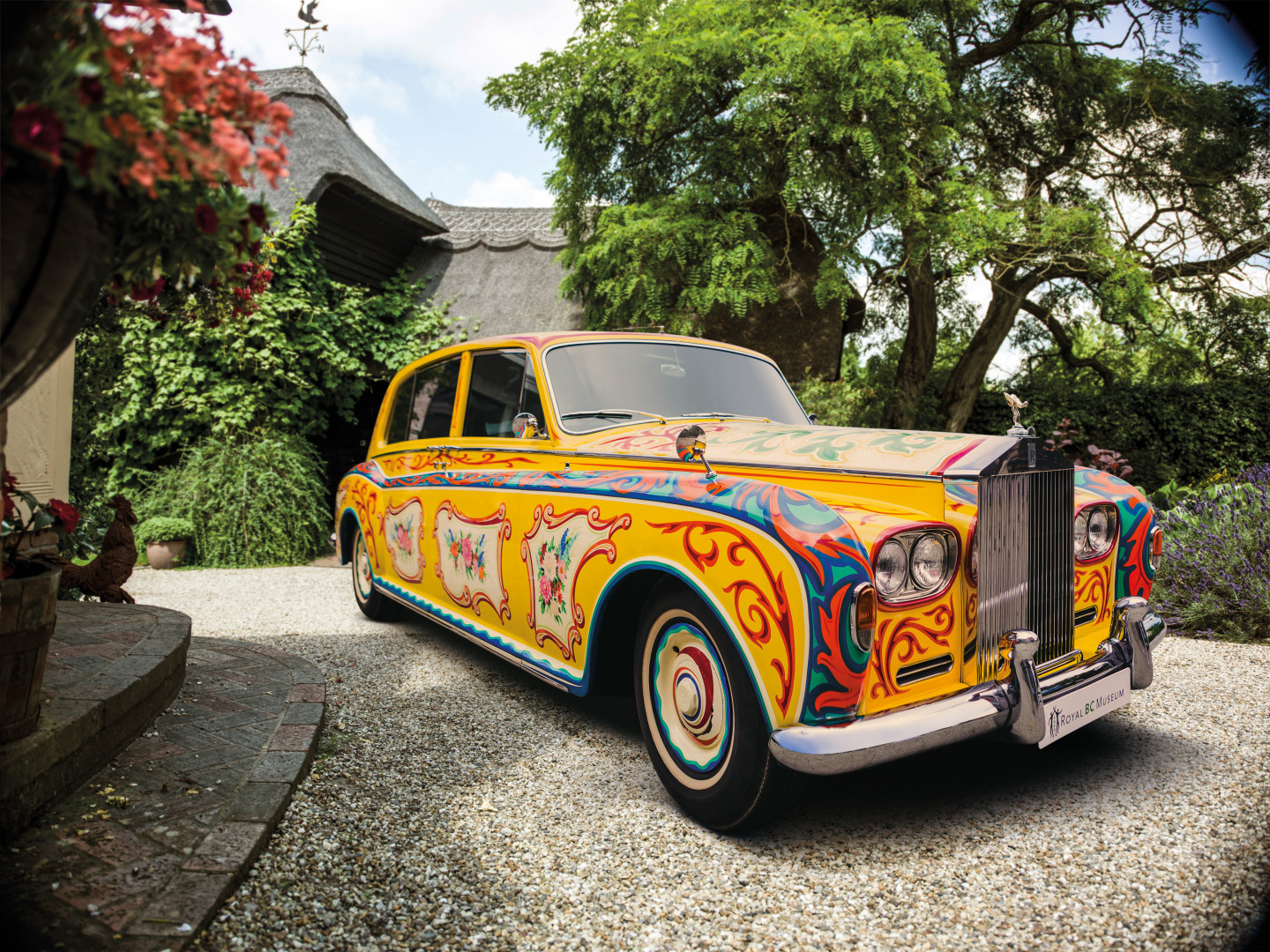
The Phantom’s cultural reach extends into popular music and film. In 1964, John Lennon of The Beatles commissioned his own Phantom V, which he had painted entirely black with windows covered for privacy. Later, in 1967, Lennon transformed the vehicle into a psychedelic art piece painted with vibrant swirls and symbols, making it a mobile icon of the counterculture movement. It drew criticism and admiration alike, becoming a symbol of artistic rebellion and cultural defiance. Elvis Presley, the legendary rock and roll star, also owned a Phantom V. His customised Midnight Blue car featured unique accessories such as a microphone and rear armrest and was later painted silver after playful damage caused by his mother’s chickens. Elvis’s Phantom became part of his legend when he donated it to charity, inspiring songs and stories that highlighted its cultural significance.
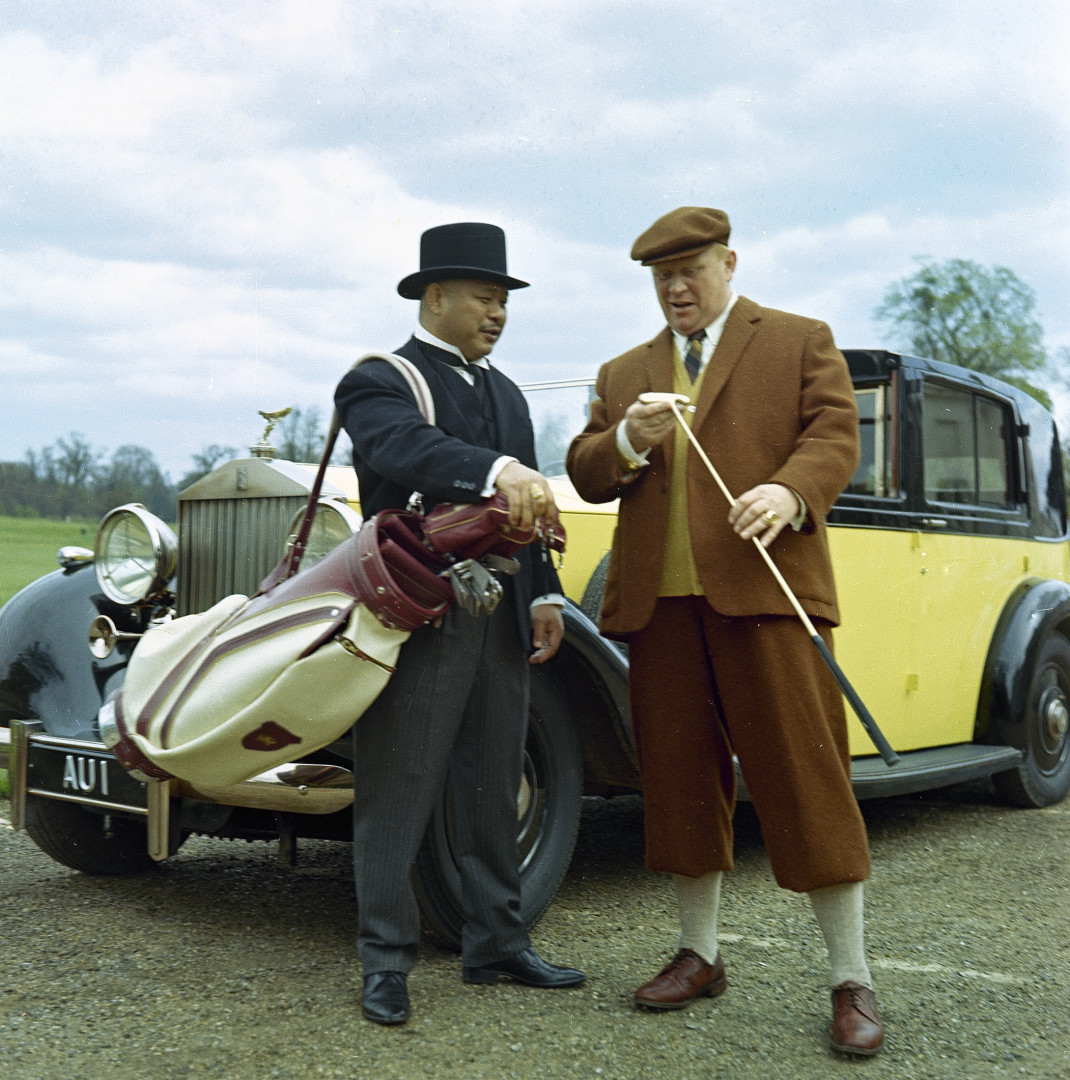
Hollywood has embraced the Phantom, too. Prominent stars like Fred Astaire and Greta Garbo owned Rolls-Royces pulled straight from the realm of glamour. The vehicle also made notable appearances in popular cinema, most famously in the James Bond film “Goldfinger”—where a Phantom III was used in clandestine dealings. The car’s presence in the franchise underscores its status as a symbol of sophistication, secrecy, and elegance. Marking the 60th anniversary of this cinematic association, Rolls-Royce introduced a bespoke Phantom VIII in 2024, replicating the iconic design of the original and integrating modern innovations.
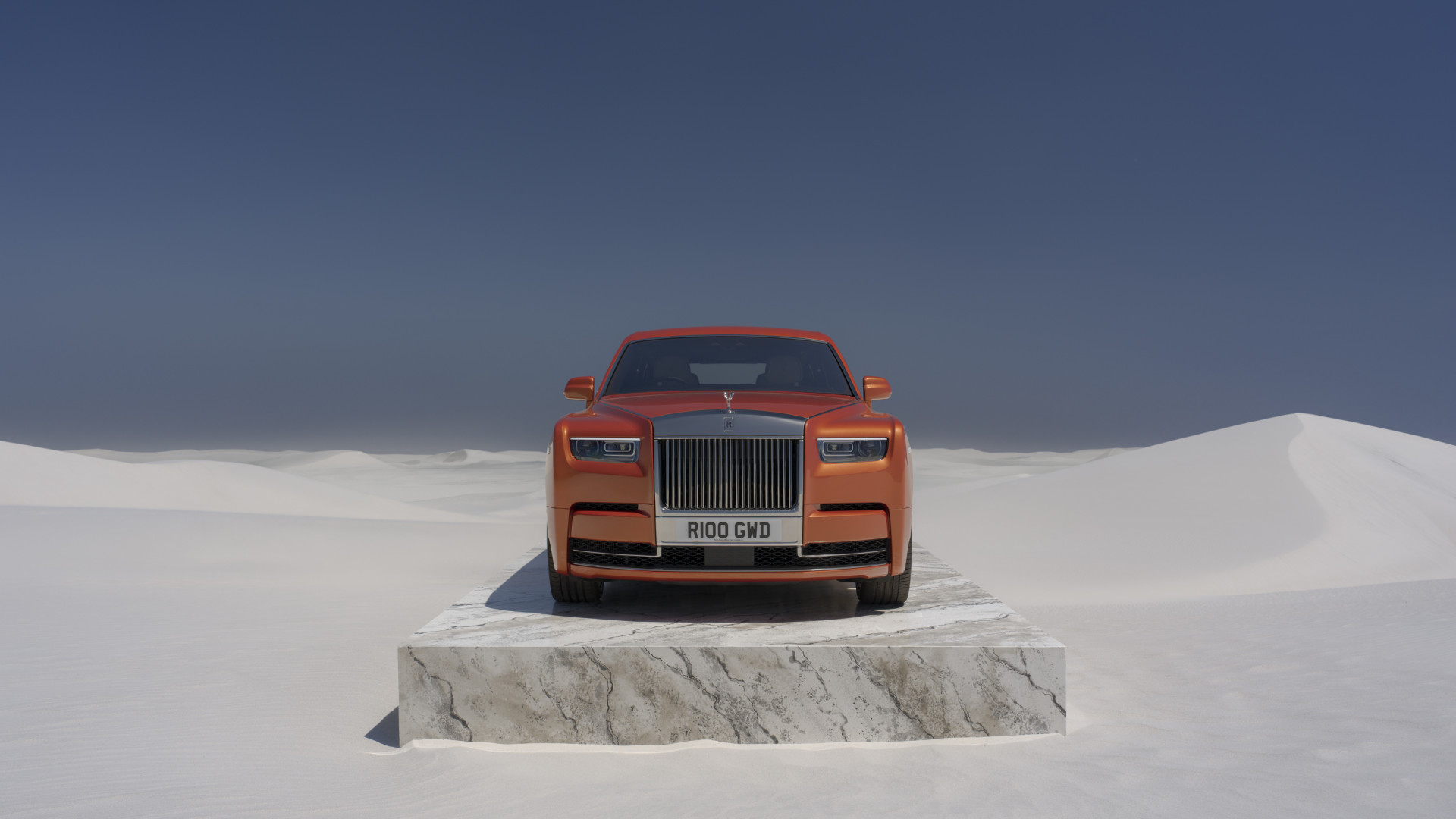
The influence of the Phantom continued into the 21st century, aligning with the rise of social media, celebrity cultures, and entrepreneurial success. The arrival of the eighth generation showcased a vehicle that allowed owners to express their personalities through bespoke designs and customisations. Its appearances at major events, including the Olympics and numerous awards ceremonies, often garnered global attention via live broadcasts and social platforms, turning the Phantom into a cultural fixture and a status symbol.
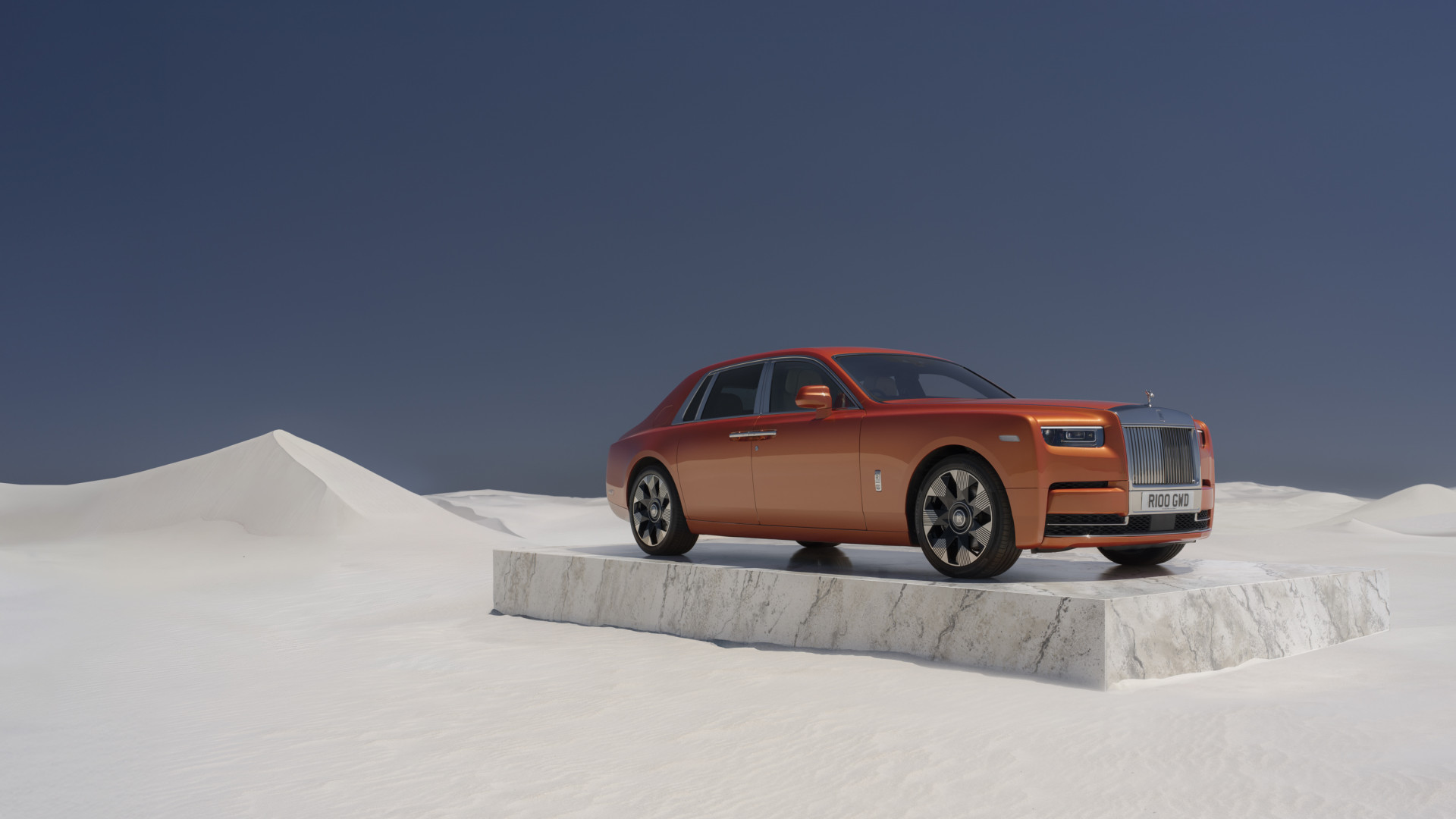
Today, the latest Phantom remains the ultimate representation of luxury, craftsmanship, and influence. It frequently features in prestigious art exhibitions, collaborations with fashion and design brands, and bespoke projects that deepen its legendary appeal. As a flexible canvas for artistic expression, each new custom creation continues to add chapters to its rich history, embodying power, culture, and innovation. The Phantom’s enduring relevance as a symbol of greatness ensures that it will continue to shape and reflect the world’s most influential narratives for generations to come.