

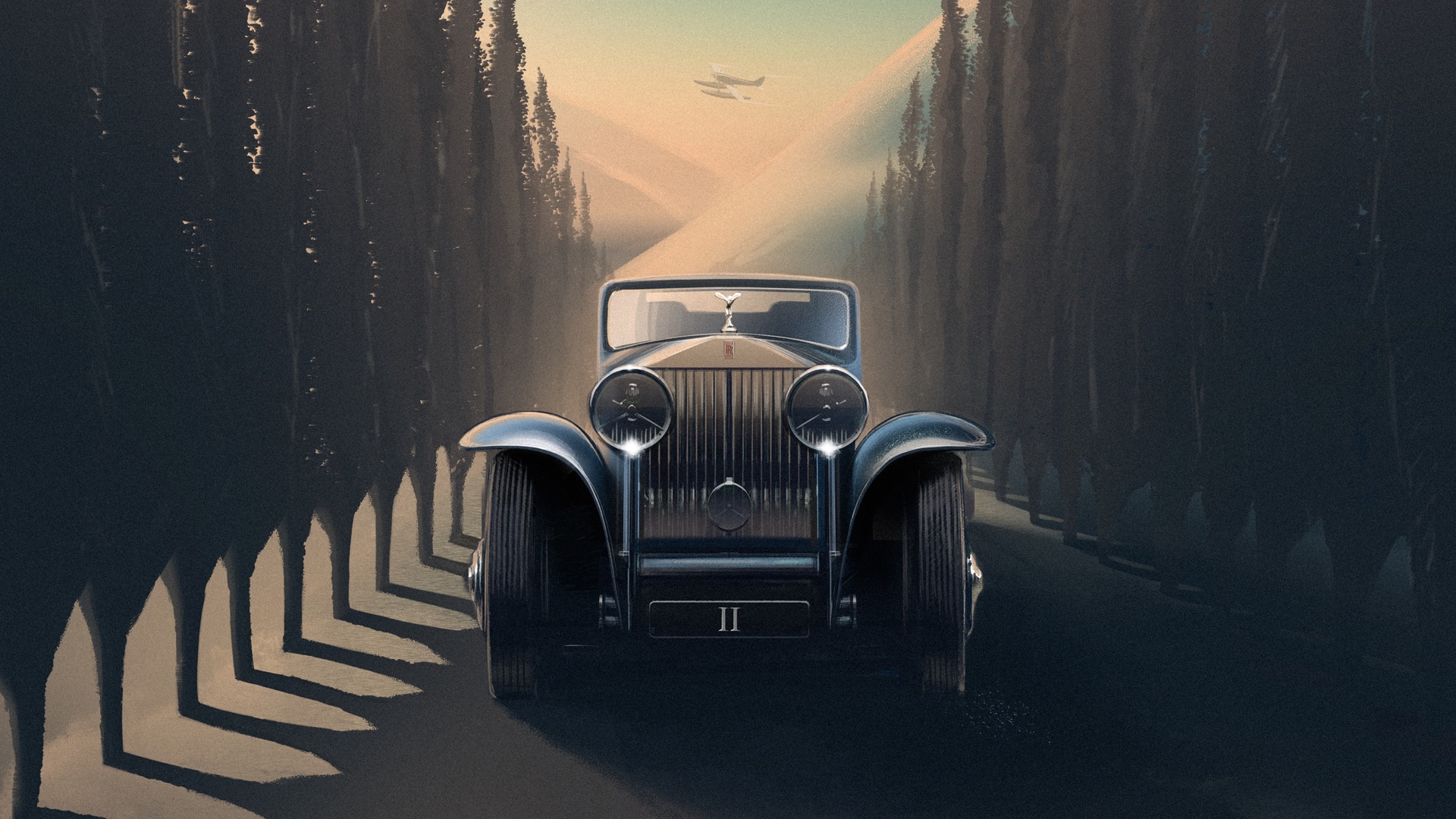
Forget diamonds and private jets; nothing screams, “I own three continents and maybe a small moon”, quite like a truly foundational luxury car. These aren’t just vehicles; they are the mechanical A-listers that forced the rest of the industry to catch up or go home.
Below is the definitive “cheat sheet” of the legends, followed by a deep dive into the velvet-lined history of the 10 most important luxury cars ever built.
The At-A-Glance Legend List
| The Icon | The Secret Sauce | The “Mic Drop” Moment |
| Rolls-Royce Silver Ghost | Silent Reliability | Proved luxury doesn’t have to break down. |
| Bugatti Type 41 Royale | Unmatched Scale | Too expensive for kings (literally). |
| Cadillac V-16 | Cylinder Domination | Started the “cylinder wars” of the 1930s. |
| Duesenberg Model J | Bespoke Power | Created the phrase “It’s a doozy.” |
| Citroën DS | Space-Age Suspension | Saved a President on three wheels. |
| Lincoln Continental | Elegant Restraint | Introduced the iconic “Suicide Doors.” |
| Jaguar E-Type | Lethal Beauty | Called “the most beautiful car ever” by Enzo Ferrari. |
| Lexus LS 400 | Obsessive Quality | Redefined reliability as a luxury feature. |
| Mercedes S-Class (W140) | Over-Engineering | The prophet of modern safety tech. |
| Bentley Continental GT | The Modern GT | Made 200 mph feel like a nap on a sofa. |
1 1907 Rolls-Royce Silver Ghost
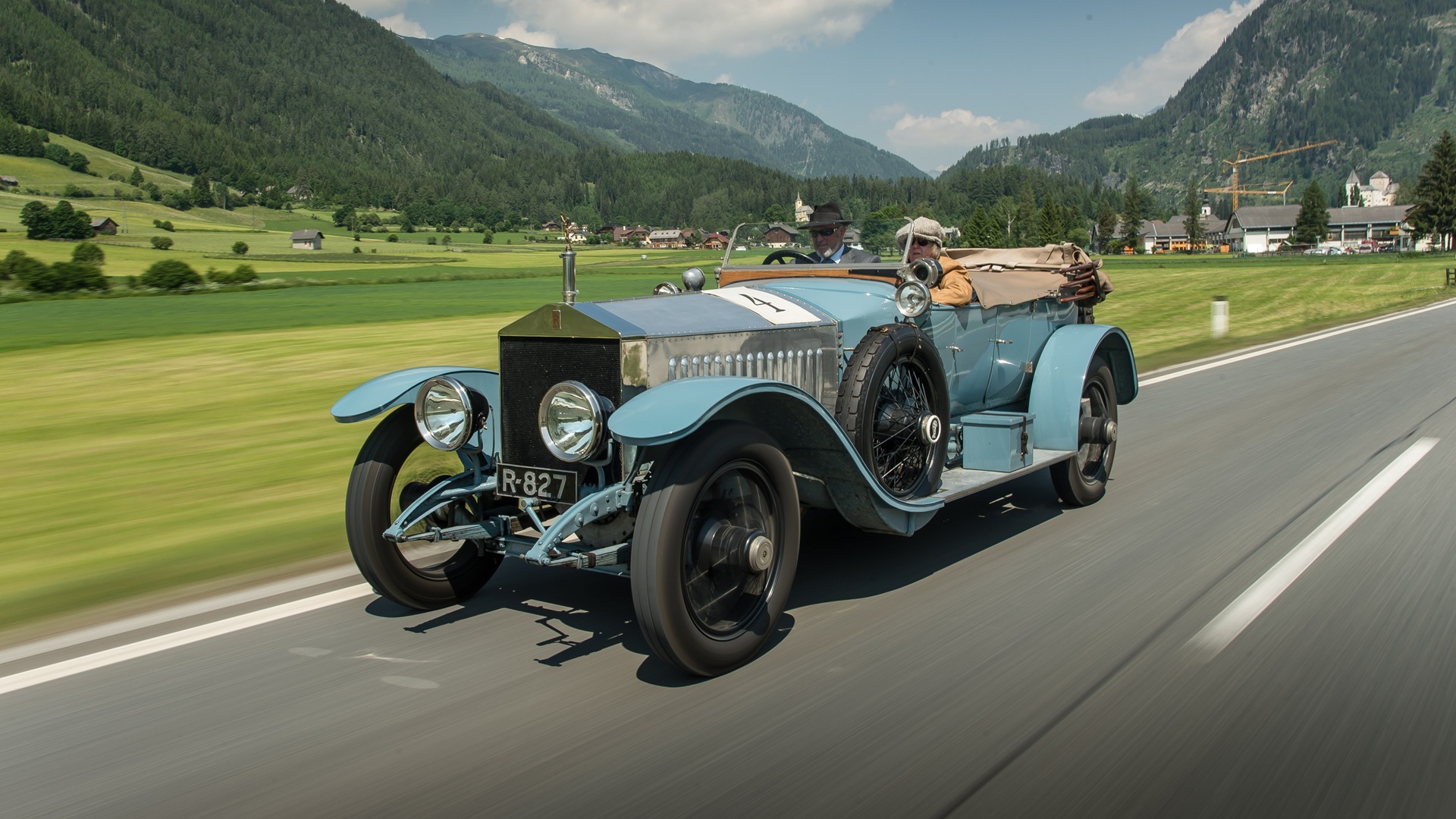
The Innovation: In an era when cars were essentially noisy, exploding carriages that required a mechanic on standby, the Silver Ghost was a revelation. It introduced the concept that a car could be so mechanically perfect that it made almost no noise.
The Flex: To prove it wasn’t just a fragile toy for the rich, Rolls-Royce drove one for 15,000 miles straight without a single mechanical failure. People were so stunned by the engine’s silence that they genuinely thought it was supernatural. Hence the “Ghost” moniker.
The Legacy: It established Rolls-Royce as “The Best Car in the World,” a title they still hold today. It taught the world that true luxury isn’t just about fancy leather; it’s about the peace of mind that your car will actually start every time you ask it to.
2 1927 Bugatti Type 41 Royale
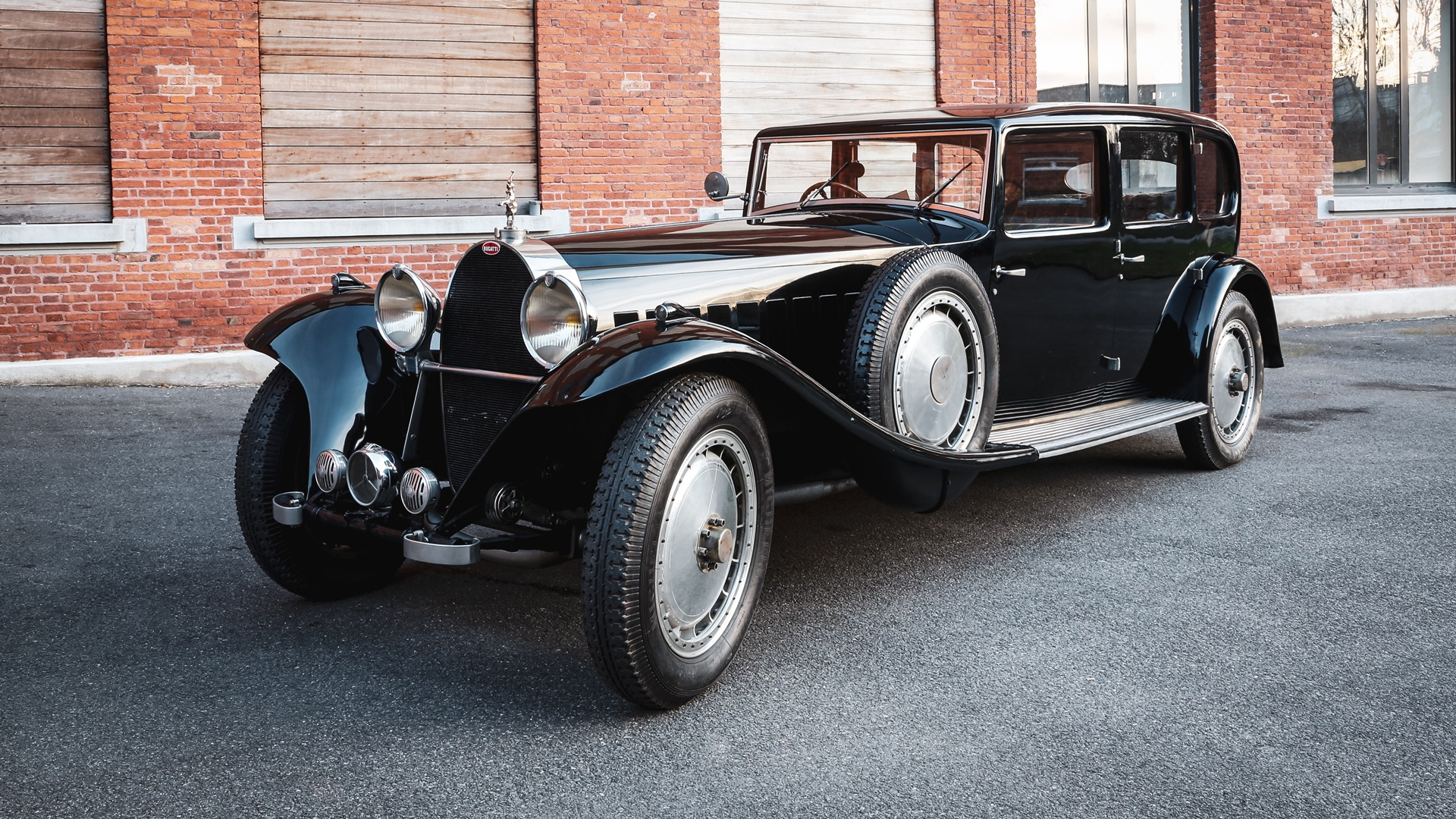
The Innovation: This wasn’t just a car; it was a 21-foot-long statement of atmospheric ego. It featured a massive 12.7-litre engine, designed initially for trains, and was so large that modern SUVs look like toys beside it.
The Flex: Ettore Bugatti was the ultimate luxury gatekeeper. He famously refused to sell a Royale to King Zog of Albania simply because he thought the King’s table manners were subpar. When you’re too elite for royalty, you’ve reached peak Bugatti.
The Legacy: Only seven were ever built, making it one of the rarest objects on Earth. It solidified Bugatti’s image as a maker of “automotive art,” ensuring the brand remained a symbol of unreachable exclusivity for the next century.
3 1930 Cadillac V-16
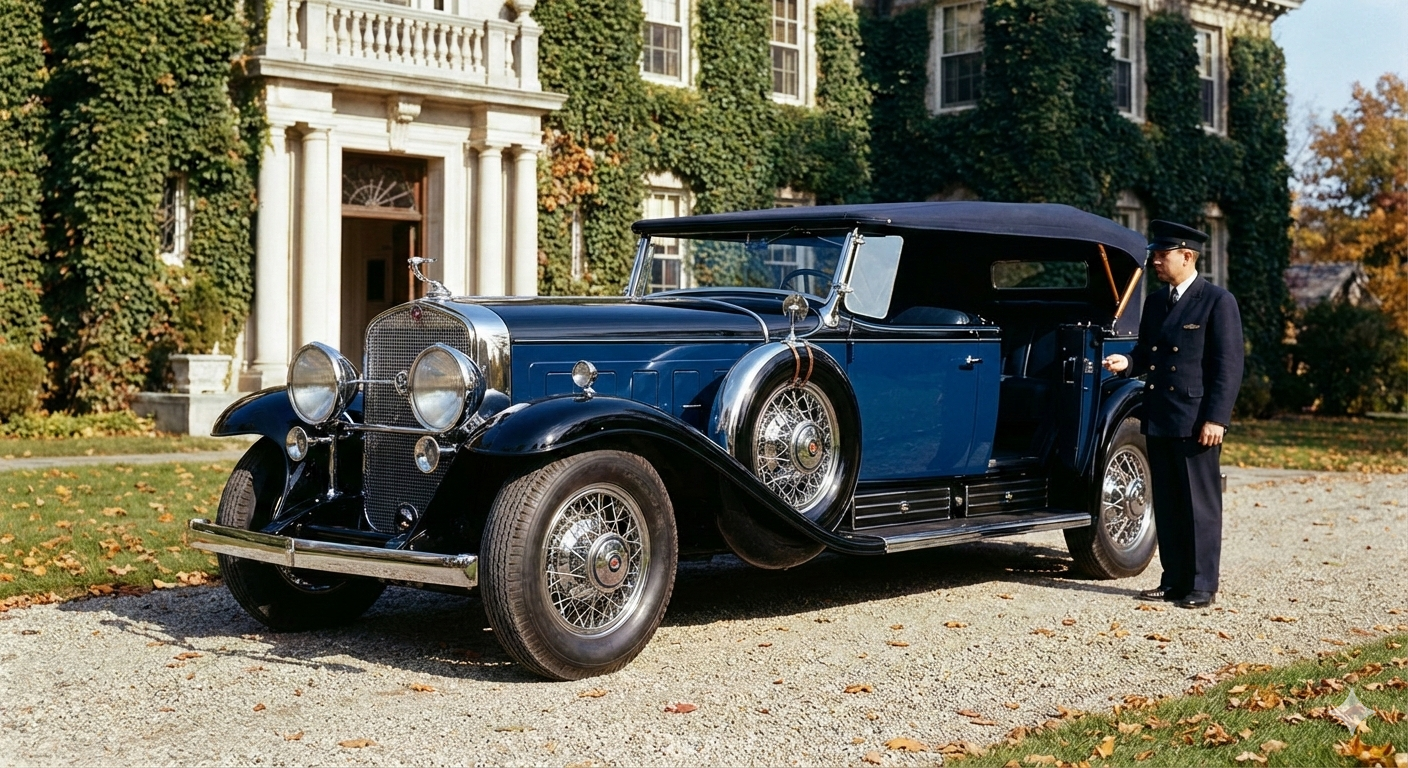
The Innovation: Cadillac decided that eight cylinders were for commoners and twelve were for the middle class. They introduced the first V-16 engine in a passenger car, creating a ride so smooth you could probably perform open-heart surgery in the back seat at 60 mph.
The Flex: The V-16 wasn’t just about power; it was about “multi-cylinder prestige.” It triggered a literal arms race in Detroit, with luxury makers scrambling to add more cylinders to keep up with Cadillac’s engineering flex.
The Legacy: This car cemented the phrase “The Standard of the World.” It proved that American luxury could be just as sophisticated and over-engineered as anything coming out of Europe, a reputation Cadillac dined on for decades.
4 1928 Duesenberg Model J
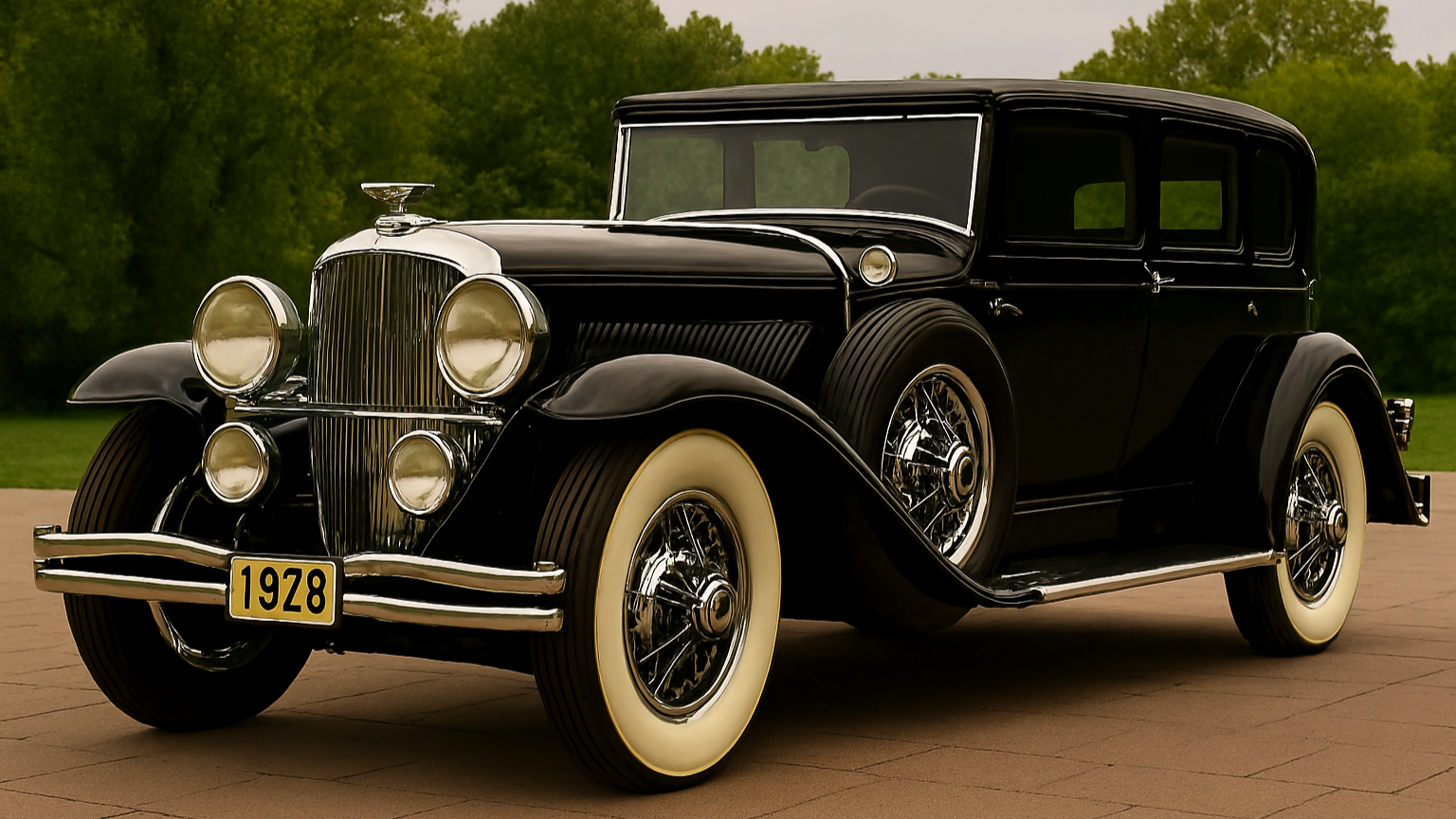
The Innovation: The Duesenberg brothers didn’t just build cars; they built the fastest, most powerful machines in America. They sold the car as a rolling chassis, meaning every owner had to hire their own coachbuilder to finish the body, resulting in a fleet of bespoke masterpieces.
The Flex: It was so overwhelmingly impressive that it entered the American lexicon. If something was “a doozy,” it was the best of the best—a direct nod to the Duesenberg’s untouchable status among the Hollywood elite and industrial titans.
The Legacy: Duesenberg created the blueprint for “Custom Luxury.” It left behind a legacy that says a luxury car shouldn’t just be expensive; it should be a one-of-one reflection of the person behind the wheel.
5 1955 Citroën DS
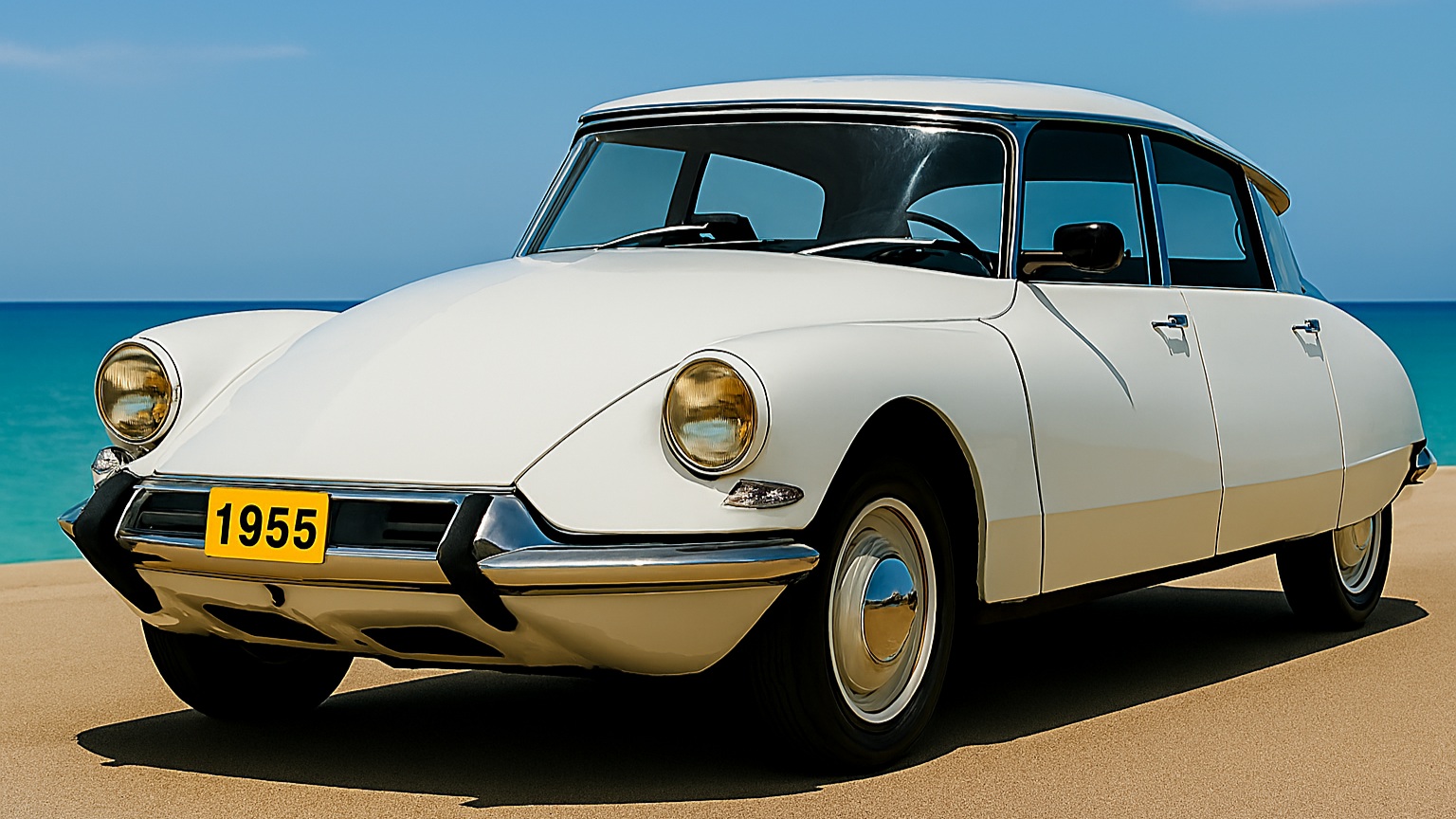
The Innovation: While everyone else was using metal springs, Citroën used high-pressure hydraulics. The DS featured a self-levelling suspension that allowed it to glide over potholes like a ghost over a graveyard, making every other car on the road feel like a horse-drawn wagon.
The Flex: This car is a literal lifesaver. When an assassination attempt was made on French President Charles de Gaulle, the DS’s unique suspension allowed the driver to maintain control and speed away on three wheels despite the tyres being shot out by machine-gun fire.
The Legacy: It proved that luxury was about advanced physics and “Space Age” comfort. It solidified Citroën’s image as the mad scientists of the car world—brilliant, slightly weird, and always twenty years ahead of the competition.
6 1961 Lincoln Continental
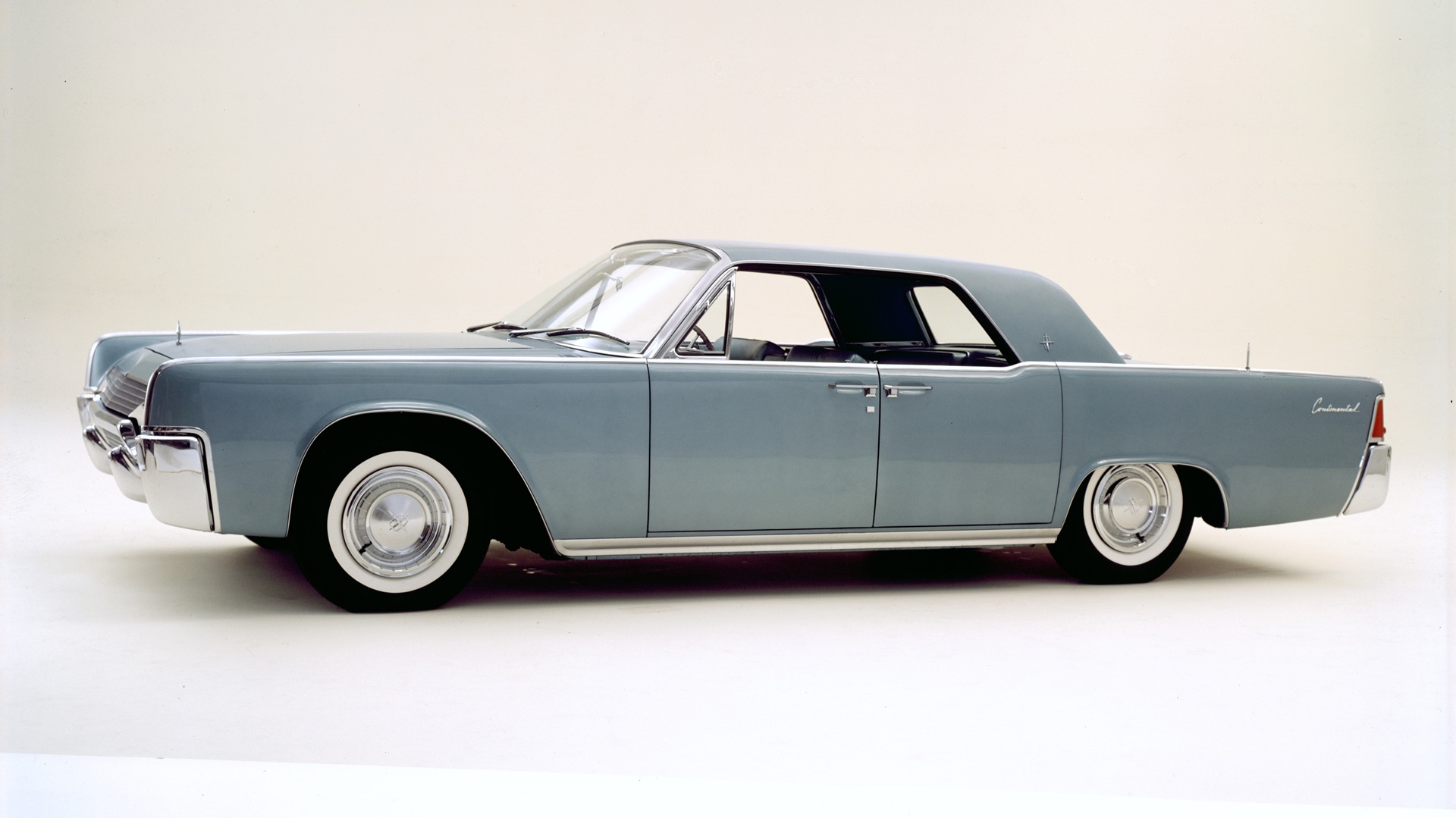
The Innovation: After a decade of chrome and giant tailfins, the 1961 Continental arrived like a cold glass of water. It introduced a clean, minimalist “slab-sided” design and the now-iconic rear-hinged “suicide doors” that allowed passengers to exit with maximum drama.
The Flex: It was so effortlessly cool that it single-handedly reset American taste. It forced Cadillac to ditch the fins and embrace a more mature, understated look, proving that sometimes the loudest statement is a quiet one.
The Legacy: Often called the “Kennedy Continental,” it remains the ultimate icon of mid-century modern luxury. It gave Lincoln an image of sophisticated, “old money” power that they are still trying to recapture today.
7 1961 Jaguar E-Type
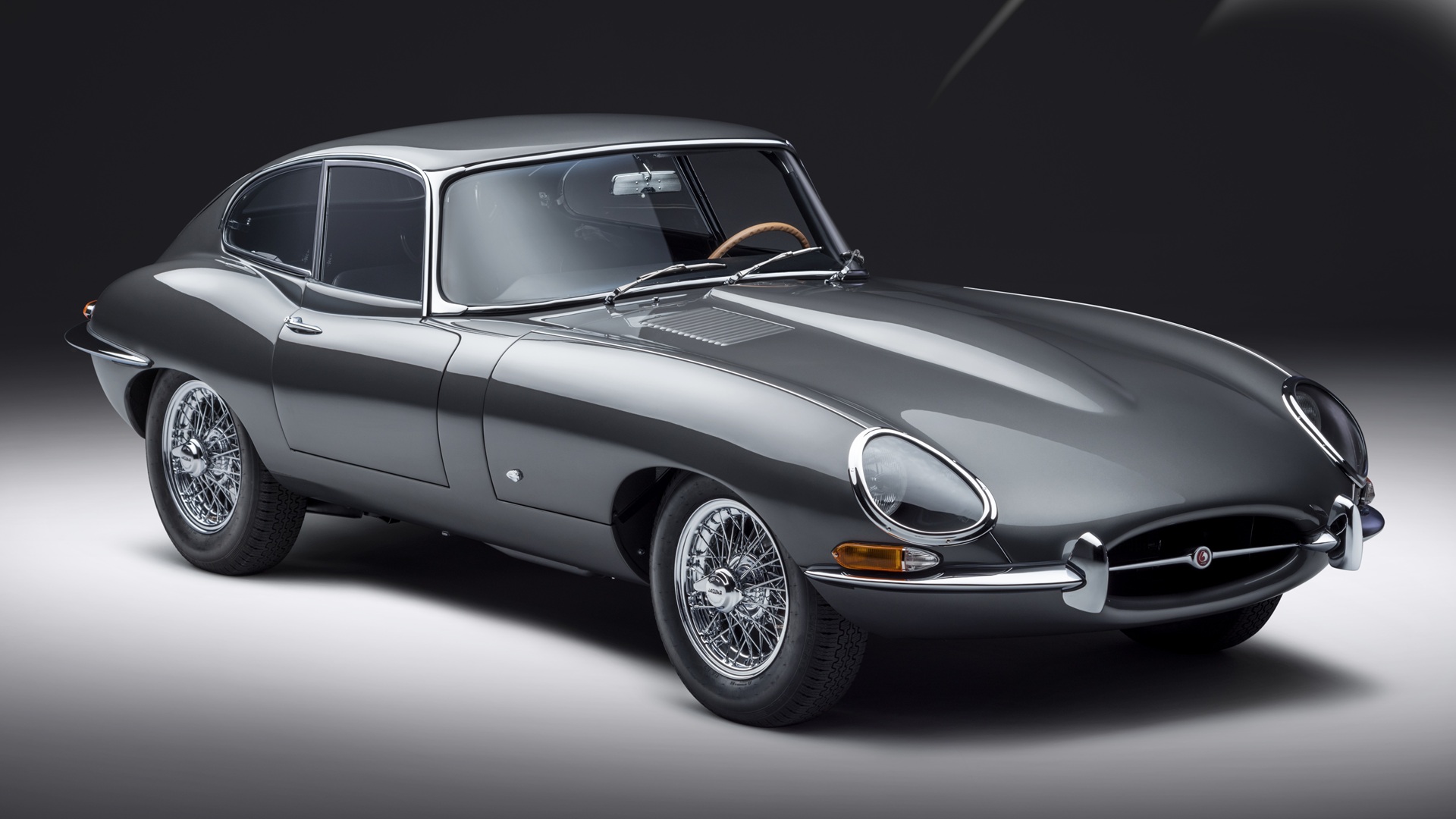
The Innovation: Jaguar managed to wrap race-winning technology inside a body so beautiful it caused traffic accidents. It featured independent rear suspension and disc brakes at a time when most luxury cars still handled like ocean liners.
The Flex: Even rivals couldn’t help but stare. When Enzo Ferrari—a man famously difficult to impress—first saw the E-Type, he called it the “most beautiful car ever made.” It’s basically a rolling piece of art that happens to go 150 mph.
The Legacy: The E-Type changed Jaguar’s image from a maker of “stuffy saloon cars” to a symbol of swinging-sixties glamour. It remains the gold standard for how a luxury GT should look and feel.
8 1989 Lexus LS 400
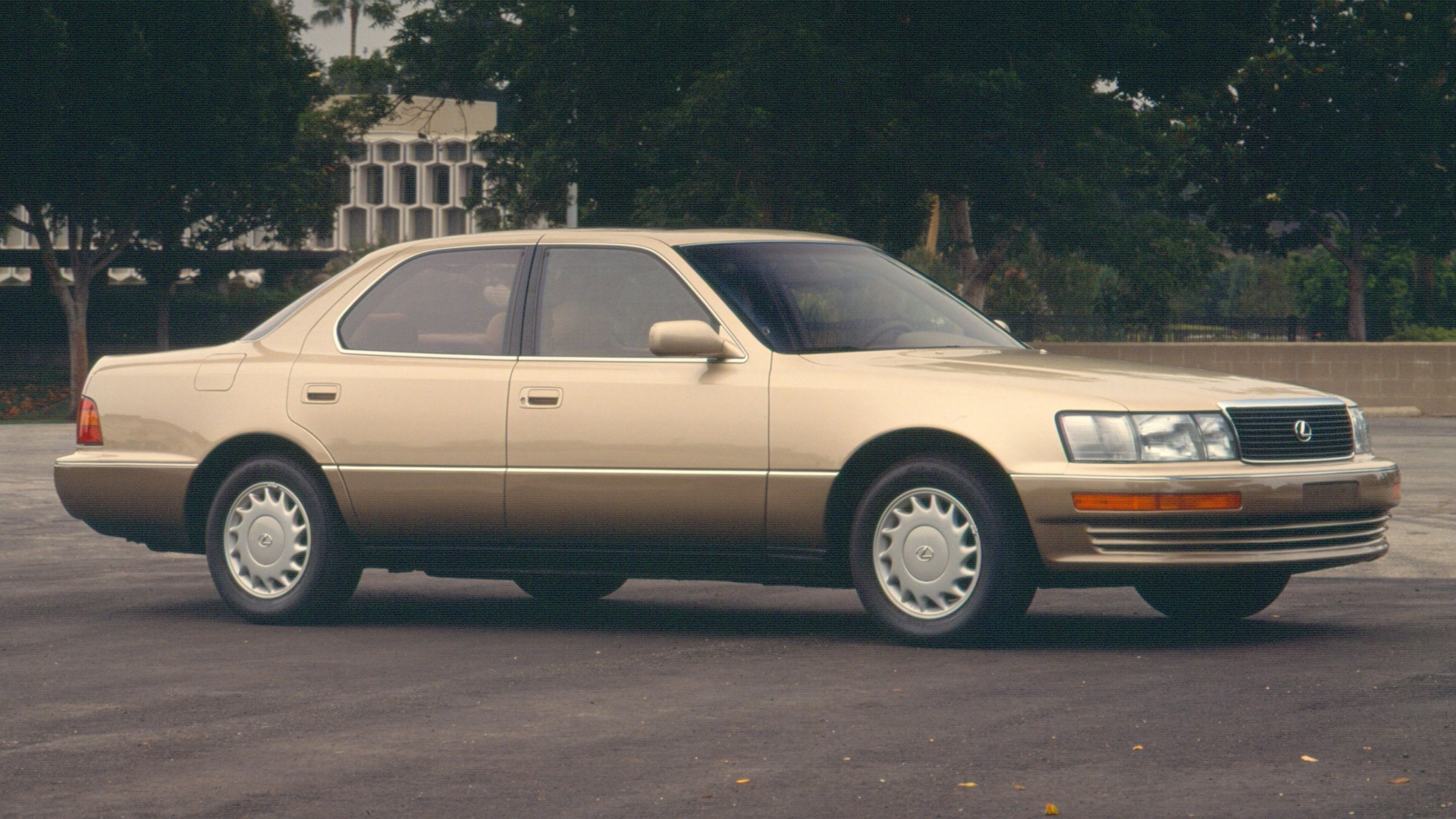
The Innovation: Toyota spent $1 billion and assigned 1,400 engineers to ensure this car was the quietest thing on the planet. They didn’t just build a car; they built a “zero-defect” machine that redefined what “quality” actually meant in the luxury segment.
The Flex: The legendary “champagne glass” commercial showed a pyramid of glasses sitting on the engine while it revved to 145 mph on a treadmill. The glasses didn’t move an inch. It was a terrifying wake-up call for the German brands that had become complacent.
The Legacy: The LS 400 launched an entire brand and proved that reliability is a luxury feature. It forced every other carmaker to dramatically improve their build quality and customer service to survive the Lexus ambush.
9 1991 Mercedes-Benz S-Class (W140)
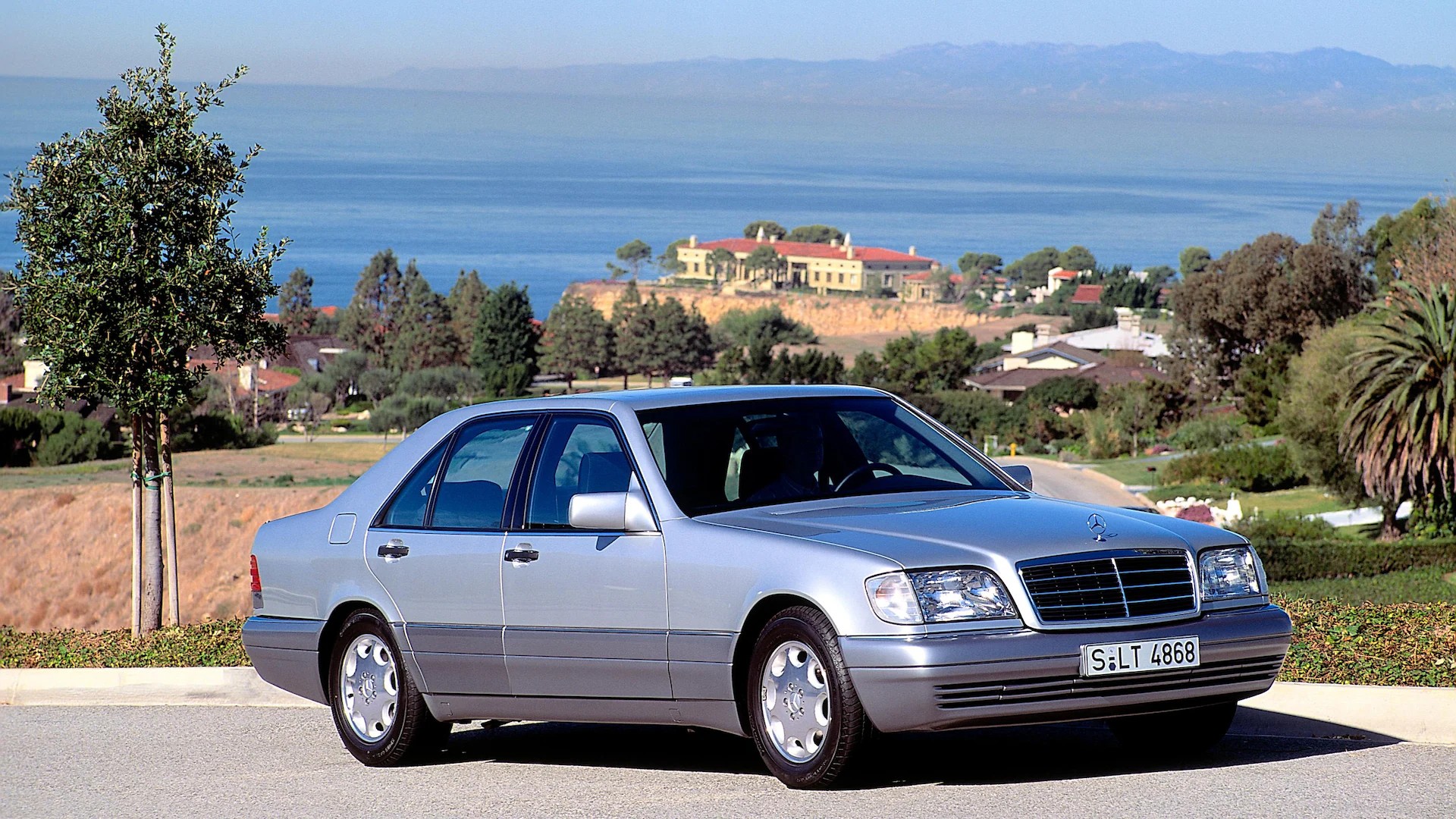
The Innovation: This was the era of “over-engineering.” The W140 introduced double-pane insulating glass (to keep the peasants’ noise out) and Electronic Stability Control (ESC), a safety feature that is now mandatory on nearly every car sold today.
The Flex: It was so heavy and packed with technology that it felt like a single block of granite carved out. It was the chosen ride of world leaders and celebrities, becoming the ultimate “Prophet” of the automotive world—predicting features we wouldn’t see on regular cars for 20 years.
The Legacy: It solidified the S-Class as the “Technological North Star.” It built a robust image for Mercedes as the brand that invents the future, ensuring that if you want the best tech in the world, you go to Stuttgart.
10 2003 Bentley Continental GT
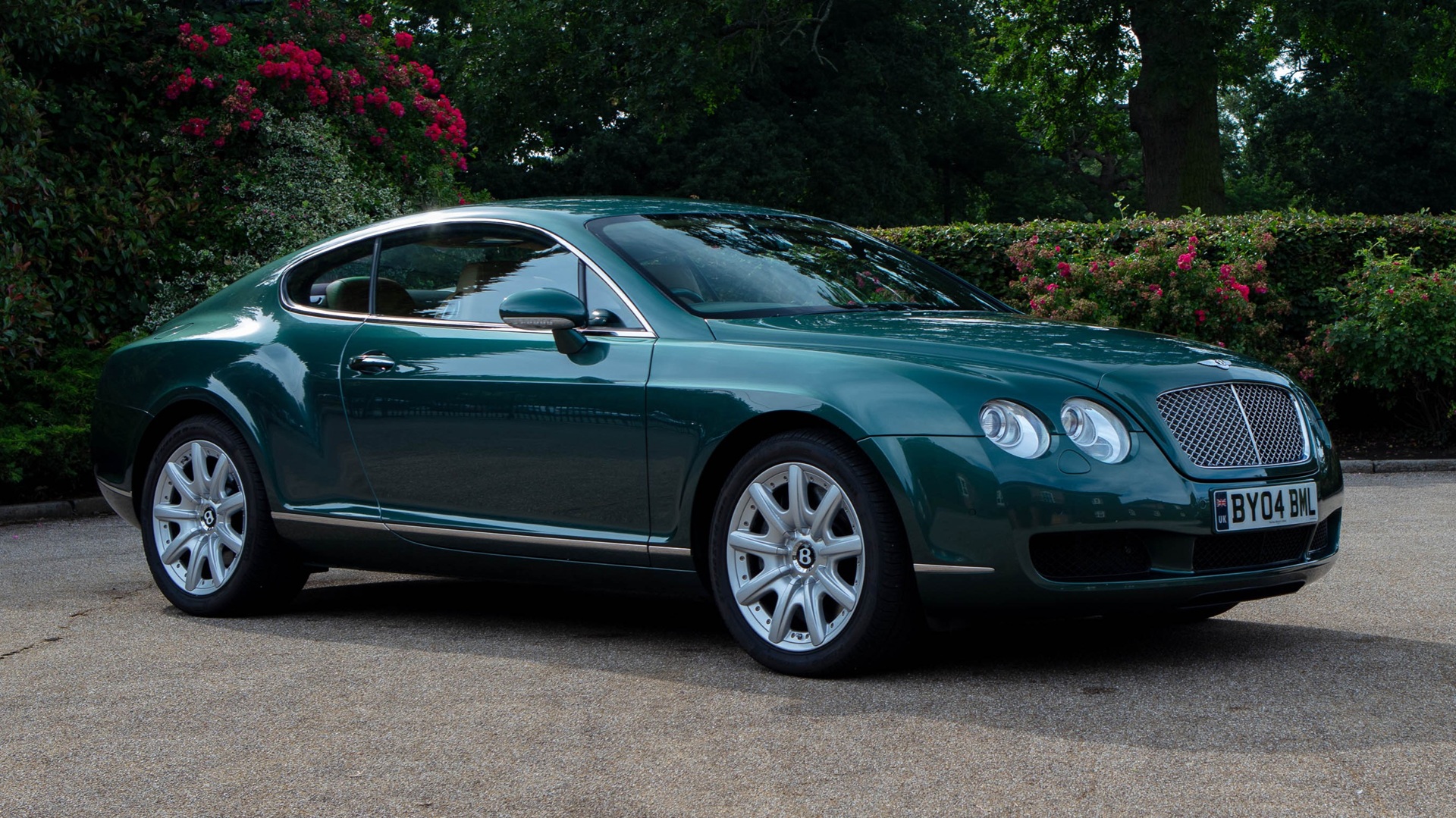
The Innovation: Bentley took a massive 6.0-litre W12 engine and paired it with an interior trimmed in the hides of roughly 15 very pampered cows. It was the first car to successfully blend 200 mph supercar speed with “Sunday afternoon nap” comfort.
The Flex: Before this car, Bentley was a struggling, niche brand. The Continental GT turned it into a global powerhouse, becoming the go-to choice for everyone from tech billionaires to professional athletes who wanted a “daily driver” with a soul.
The Legacy: It saved the brand and created the modern “Luxury GT” segment. It proved that heritage and high-tech performance could coexist, giving Bentley an image of muscular, modern opulence that remains their bread and butter today.
Finishing Line
So, there you have it: 10 cars that didn’t just move people from A to B, they moved the entire world. Whether it was the ghostly silence of 1907 or the champagne-balancing act of 1989, these icons remind us that luxury isn’t just about spending money. It’s about making a statement that lasts a century.
Now, the real question: If I handed you the keys to just one of these today, which one are you driving to the yacht club?