

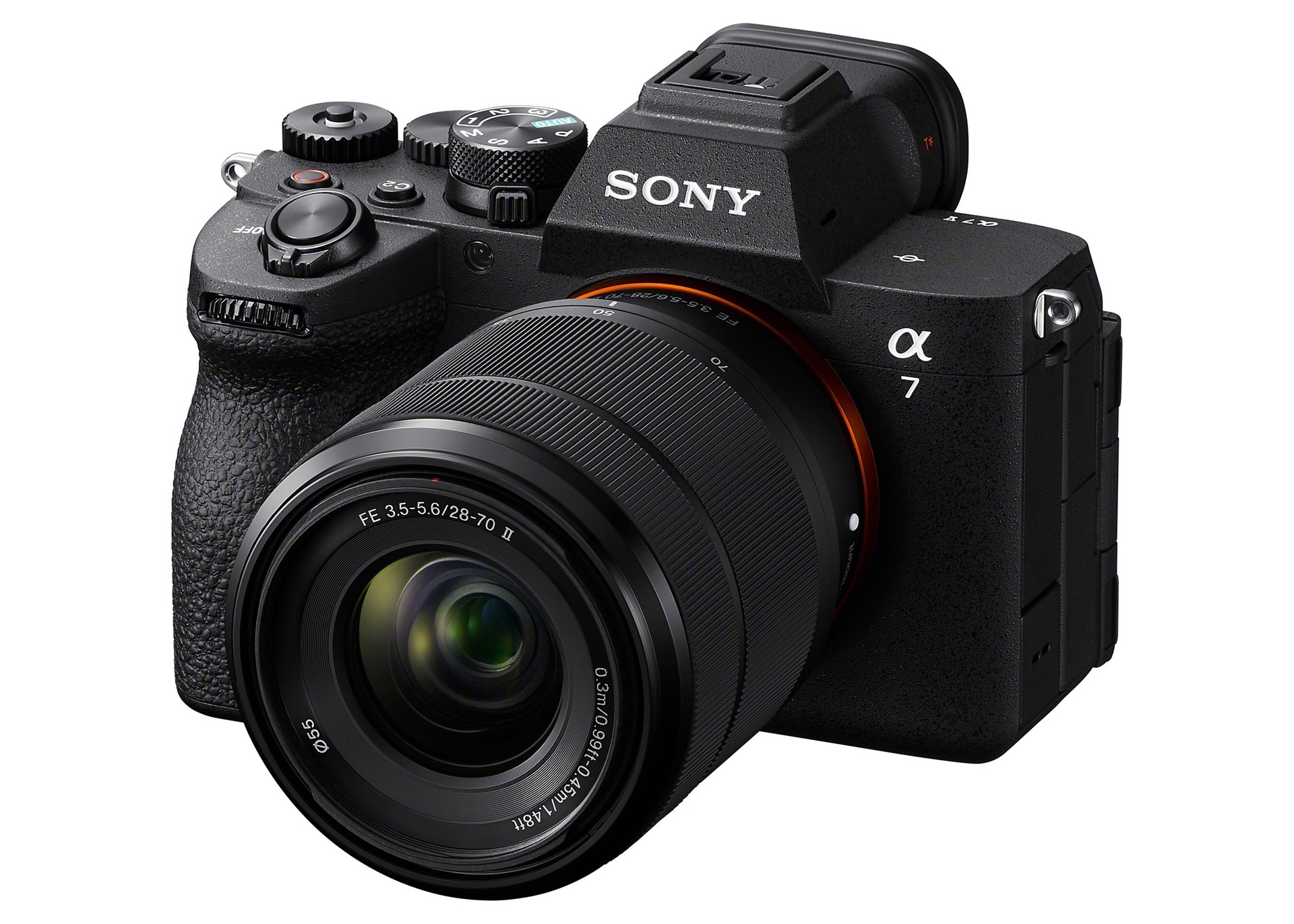
What makes the Alpha 7 V different?
Sony Electronics announced the Alpha 7 V, with a new partially stacked Exmor RS CMOS sensor of about 33.0 megapixels. It uses the BIONZ XR2 processor with AI from the latest Alpha series, offering faster autofocus, better colour accuracy, and improved still and video performance.
How does AI improve autofocus and speed?
The Alpha 7 V improves Real-time Recognition AF by 30 per cent, enabling it to identify subjects quickly. It has 759 phase-detection points covering 94 per cent of the frame, tracking confidently even at EV -4.0. With up to 60 AF/AE calculations per second, it supports blackout-free shooting at 30 fps, including 14-bit RAW. The Pre-Capture feature records up to 1 second before the shutter press.
What about still image and video quality?
The camera offers 16 stops of dynamic range and AI-driven Auto White Balance for natural colours. It supports oversampled 7K and 4K 60p in full-frame, and 4K 120p in APS-C/Super 35mm, with full-pixel readout preserving detail. Features like dynamic Active Mode stabilisation, Auto Framing, and enhanced noise reduction with better mic improve results.
What connectivity and usability upgrades are included?
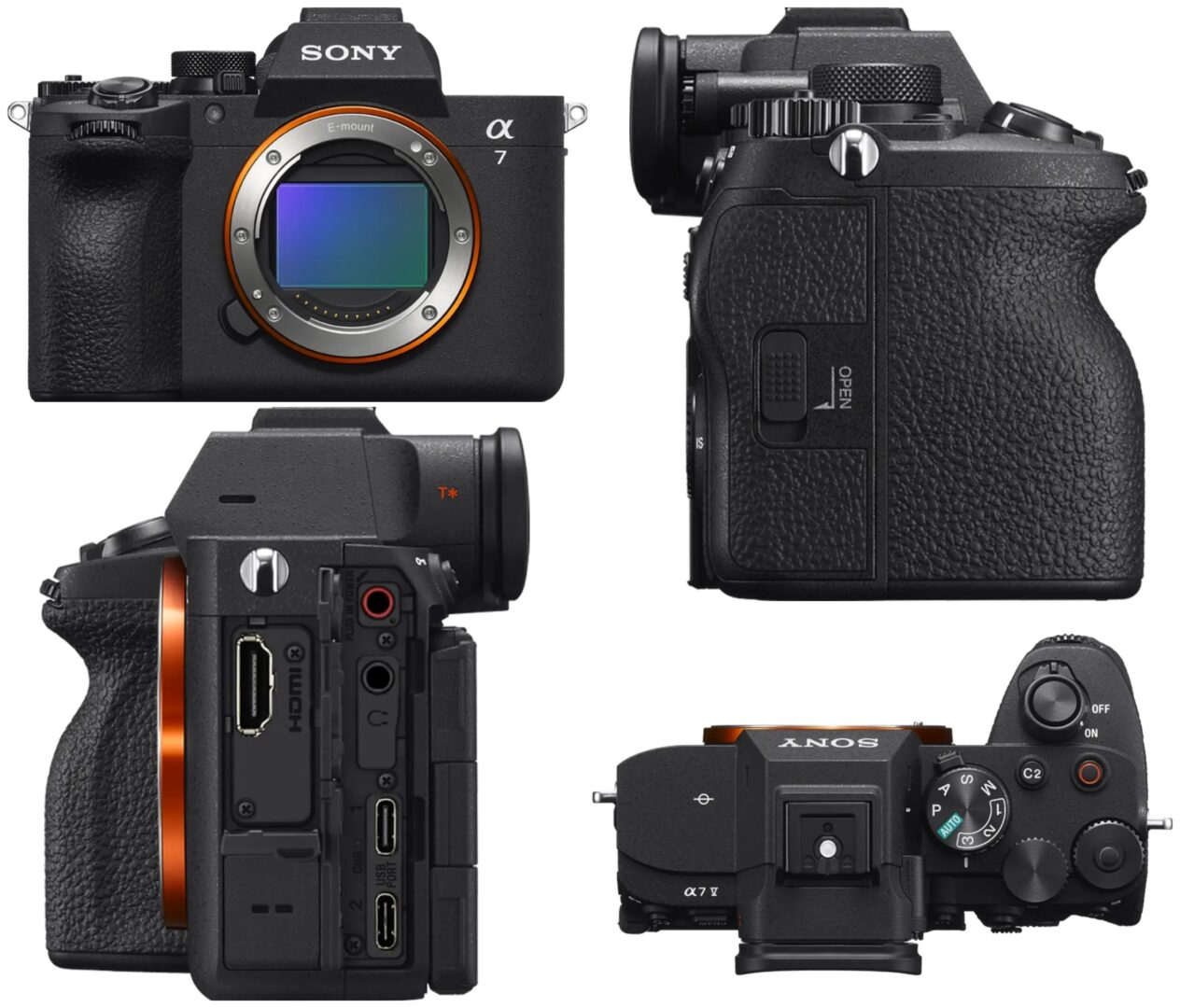
The Alpha 7 V adds Wi-Fi 6E, dual USB Type-C ports, vertical format support, an adjustable electronic shutter sound, a 4-axis multi-angle monitor, and a refined grip for better comfort and control.
How is it built for reliability?
Upgraded power management and thermal design support extended 4K recording and longer sessions, with a Monitor Low Bright mode that further extends battery life. It achieves approximately 630 shots per CIPA standards using the viewfinder.
What about the new lens?
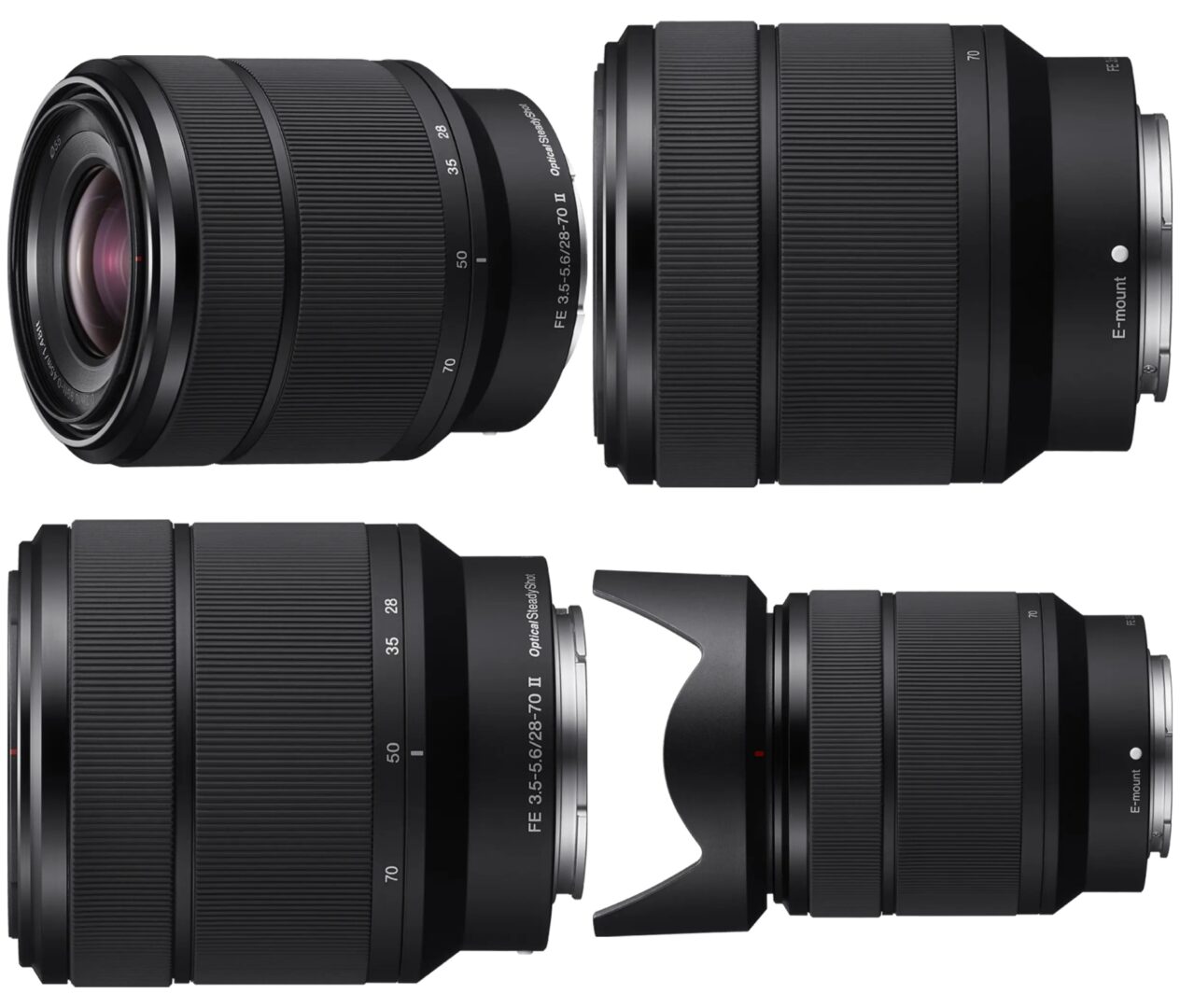
Sony’s FE 28‑70mm F3.5‑5.6 OSS II is a compact and lightweight lens that complements the Alpha 7 V with up to 120 fps AF/AE tracking, coordinated body‑lens stabilisation, AF during zooming, and breathing compensation support.
Availability and sustainability
Aligned with Sony’s ‘Road to Zero’ initiative, production uses 100% renewable energy and eco-friendly packaging. The Alpha 7 V body will be available from December 2025; kits and the lens follow in February 2026.