

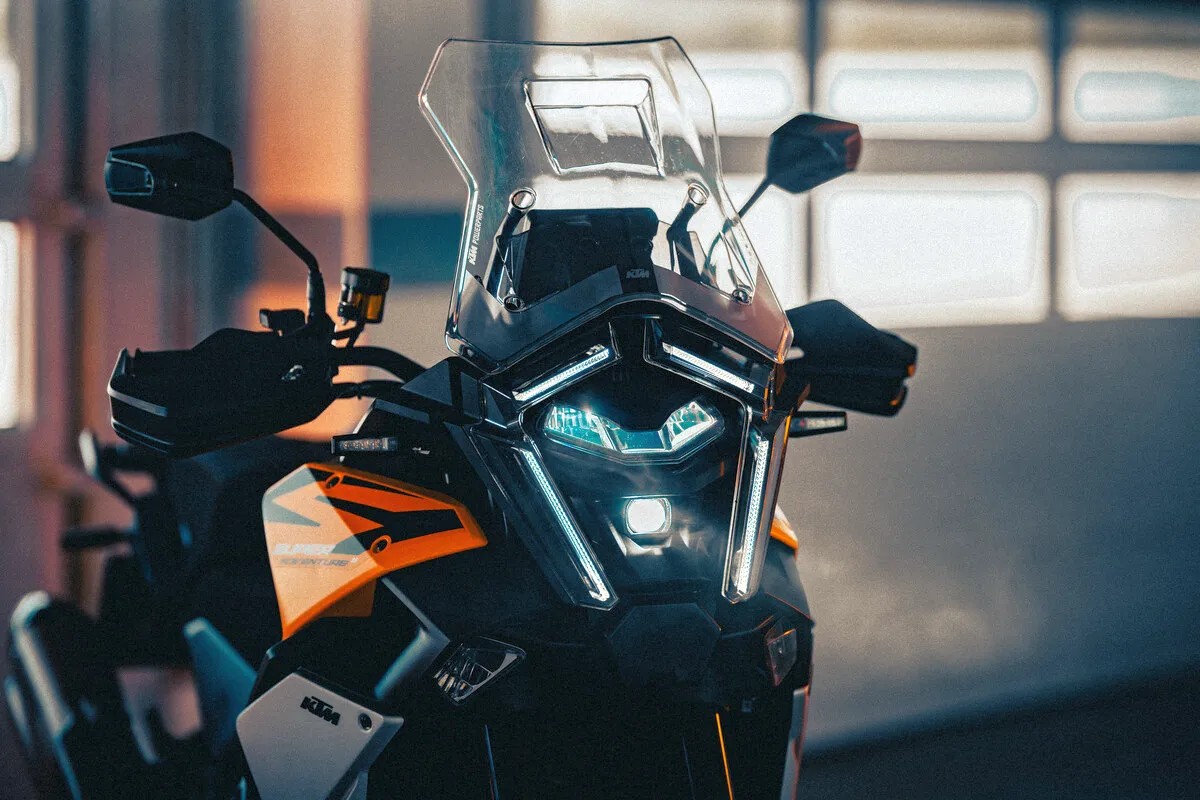
What exactly is the News?
KTM has adopted rFpro’s simulation software to support the development, testing and evaluation of motorcycle headlight systems across its portfolio. The core idea behind this move is to incorporate lighting validation into an engineering-grade virtual environment, allowing complex headlight behaviour to be assessed and tested before deploying them into physical development-ready prototypes.
Why is KTM shifting headlight development into simulation now?
Modern motorcycle lighting systems are no longer plug-and-play afterthoughts in the motorcycle R&D phase; they’re increasingly getting complicated in terms of their designs and use cases, and have to perform in varied riding conditions, especially in low light and nighttime conditions, and reduce the cost of real-world night testing.
Designing motorcycle headlight systems poses far more complex challenges compared to automobiles, due to the multitude of factors that need to be taken into consideration, such as lean angle, pitch and dynamic movements. The rFpro simulation helps KTM engineers evaluate light distribution, dynamics and rider perception via a desktop-based simulator with Virtual reality headsets that track rider eye tracking technology, enabling engineers to focus on where riders are looking and make strategic improvements based on the assessment.
What is rFpro and its Simulation Software?
rFpro is a UK-based company that created a simulation software, an engineering‑grade driving simulation environment used by automotive and motorsport companies to develop and test vehicles and vehicle systems in a virtual world.
What parts of headlight performance can KTM evaluate in rFpro?
By using rFpro during pre-development, it enables KTM to design and optimise headlights, including beam throw, brightness and various functional behaviours. The simulation allows KTM engineers to simulate and assess nighttime riding.
What problems does real-world night testing create for motorcycle development teams?
Real-world night driving is not only time-consuming and expensive but also often limited by environmental and safety constraints. The issue is exponentially pronounced for motorcycles because riders are exposed to the elements, and testing during winter can be particularly unsafe.
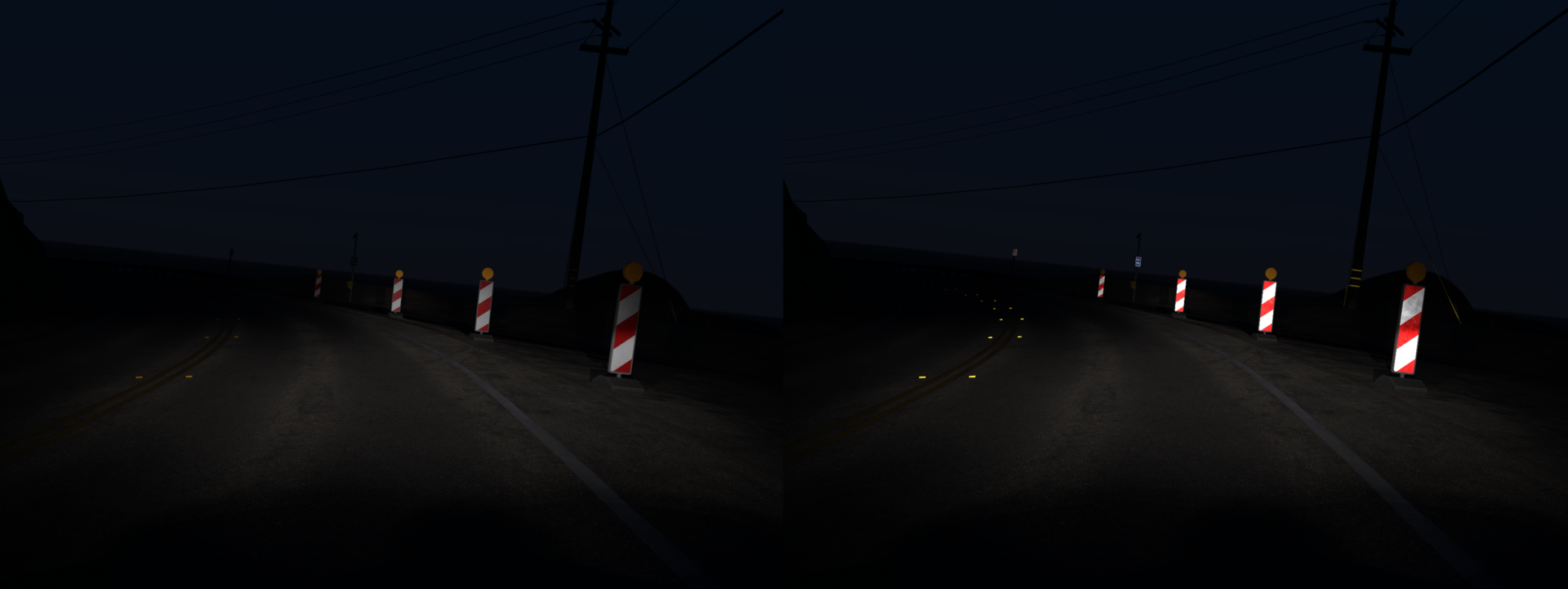
rFpro has released a “Night Driving” update, a major update that aimed at increasing the realism of light simulation
What’s the role of digital twins in KTM’s headlight testing?
KTM uses a digital twin of a public road near its factory in Mattighofen, Austria, to conduct its simulation testing. rFpro built this model using LiDAR scan data, and according to KTM, it helps its engineering team migrate from simulation to real-world testing to correlate data.
In the rFpro simulation, each material is given precise physical properties, so when the headlight beam hits roadside elements like cat’s eyes, traffic signs or lane markings, the light bounces back to the rider just as it would in the real world.