

There is expensive. There is extravagant. And then there is one of the world’s finest automotive workshops spending nine months learning how to fit brittle pieces of abalone shell into the back of a Rolls-Royce.
This magnificent exercise in patience is the Phantom Hummingbird, a one-off Phantom Extended commissioned through Private Office Dubai as a tribute to its owner’s wife. It celebrates the hummingbird through shifting colours, natural materials and the sort of microscopic attention to detail that makes mass production seem terribly unimaginative.
When A Phantom Becomes Personal
The Phantom has occupied the summit of luxury motoring since 1925. Kings, industrialists, musicians and heads of state have used it as transport and theatre.
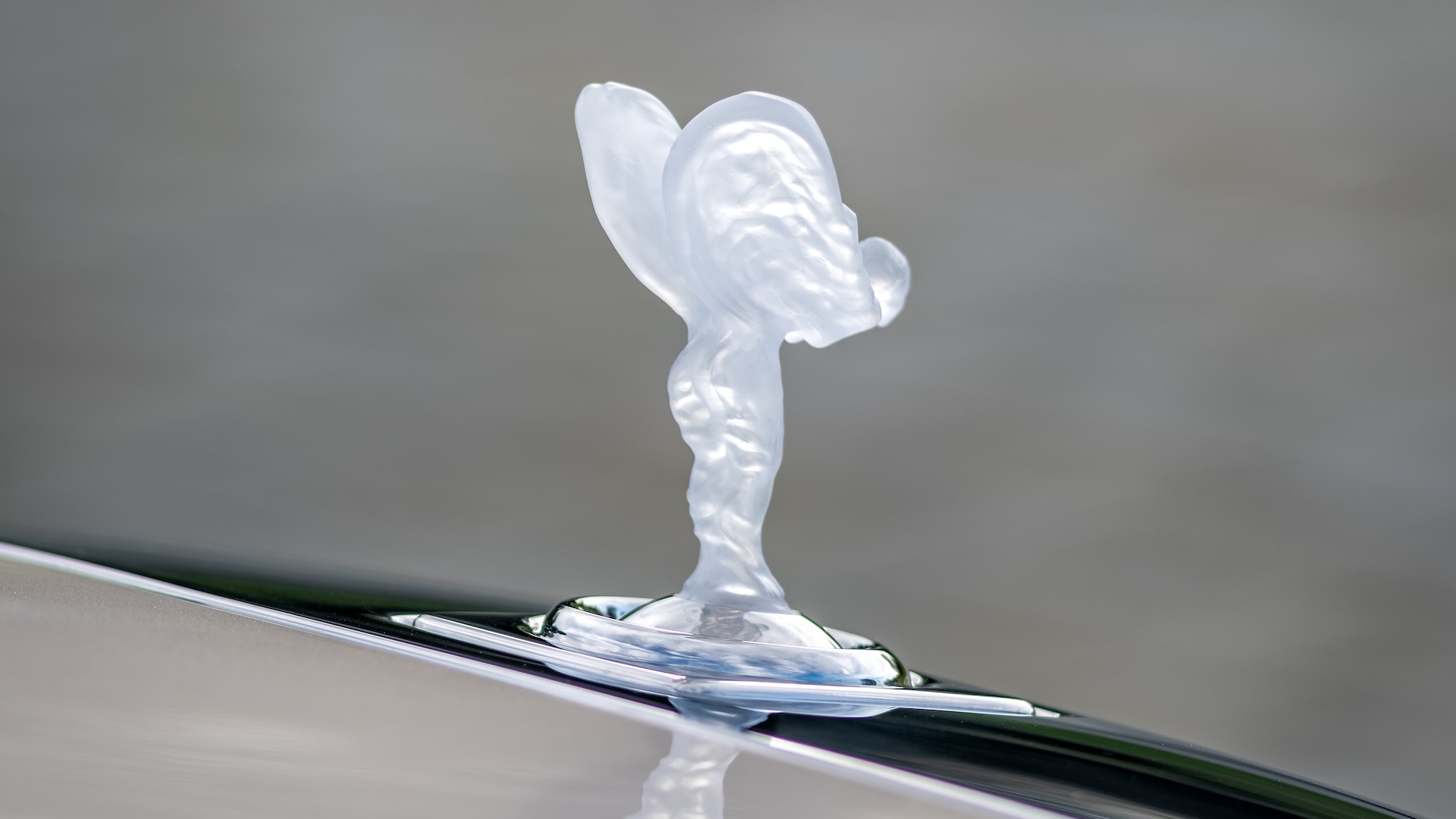
The modern Phantom Extended continues that tradition on an enormous scale. It measures 5,982mm long and sits on a 3,772mm wheelbase. Its 6.75-litre twin-turbocharged V12 produces 563hp and 900Nm, driving the rear wheels through an eight-speed automatic transmission.
Despite its size, it can accelerate from 0-100km/h in around 5.4 seconds before reaching an electronically limited 250km/h. Yet speed has never been the Phantom’s party trick. Its real talent is making the outside world feel uncouth and unnecessarily noisy.
The Hummingbird takes that isolation and fills it with something deeply personal, with a certain exotic material used in the marquetry.
Also Read:
- Rolls-Royce Reveals Black Badge Cullinan by Cyril Kongo With Hand-Painted Bespoke Artwork
- The Latest Bugatti One-Off Has Arrived: A 1,578HP Hypercar Inspired By Literature & Moonlight
- Mercedes-Maybach V12 Edition Revealed
What Exactly Is Marquetry?
Marquetry is the decorative art of assembling thin pieces of wood, shell, metal, or other materials to form a picture or pattern within a surface. Think of it as an exceptionally intricate jigsaw puzzle, except every piece must sit perfectly flush and a misplaced edge must not be hidden.
Rolls-Royce regularly and extensively uses the technique, with wood veneer. The Phantom Hummingbird, however, is the marque’s first car to incorporate abalone shell.
The material was chosen because its nacreous inner surface changes between blue, green and purple as light moves across it. Hummingbird feathers create their brilliant colour in a remarkably similar manner, using microscopic structures to split and reflect light rather than relying purely on pigment.
Consequently, the birds inside the Phantom appear to shimmer and change as passengers move around them. It is a natural special effect, requiring neither a screen nor an animation menu. How refreshingly extravagant.
Six Attempts To Tame A Seashell
Abalone shell is beautiful, extremely thin, and thoroughly uncooperative. Rolls-Royce’s craftspeople spent more than nine months developing a method of placing it within the veneer without cracking it.
Five techniques failed. The sixth finally worked.
The successful process begins by reducing the thickness of the abalone and mother-of-pearl. Each fragment is then laser-cut 0.06mm larger than its intended size, compensating for the material lost to the laser’s burn. The pieces are subsequently filed by hand until adjoining edges meet without a visible seam.
Only then can they be gently pressed into the veneer and sealed beneath lacquer. This was not simply decorative experimentation. Rolls-Royce had to ensure that something as delicate as shell could survive inside a motor car intended to last several decades.
There is something wonderfully irrational about applying engineering discipline to an artwork inspired by a bird weighing only a few grams. It is also exactly the kind of irrationally opulent touch a one-off Phantom deserves.
One Hundred And Ninety Tiny Pieces
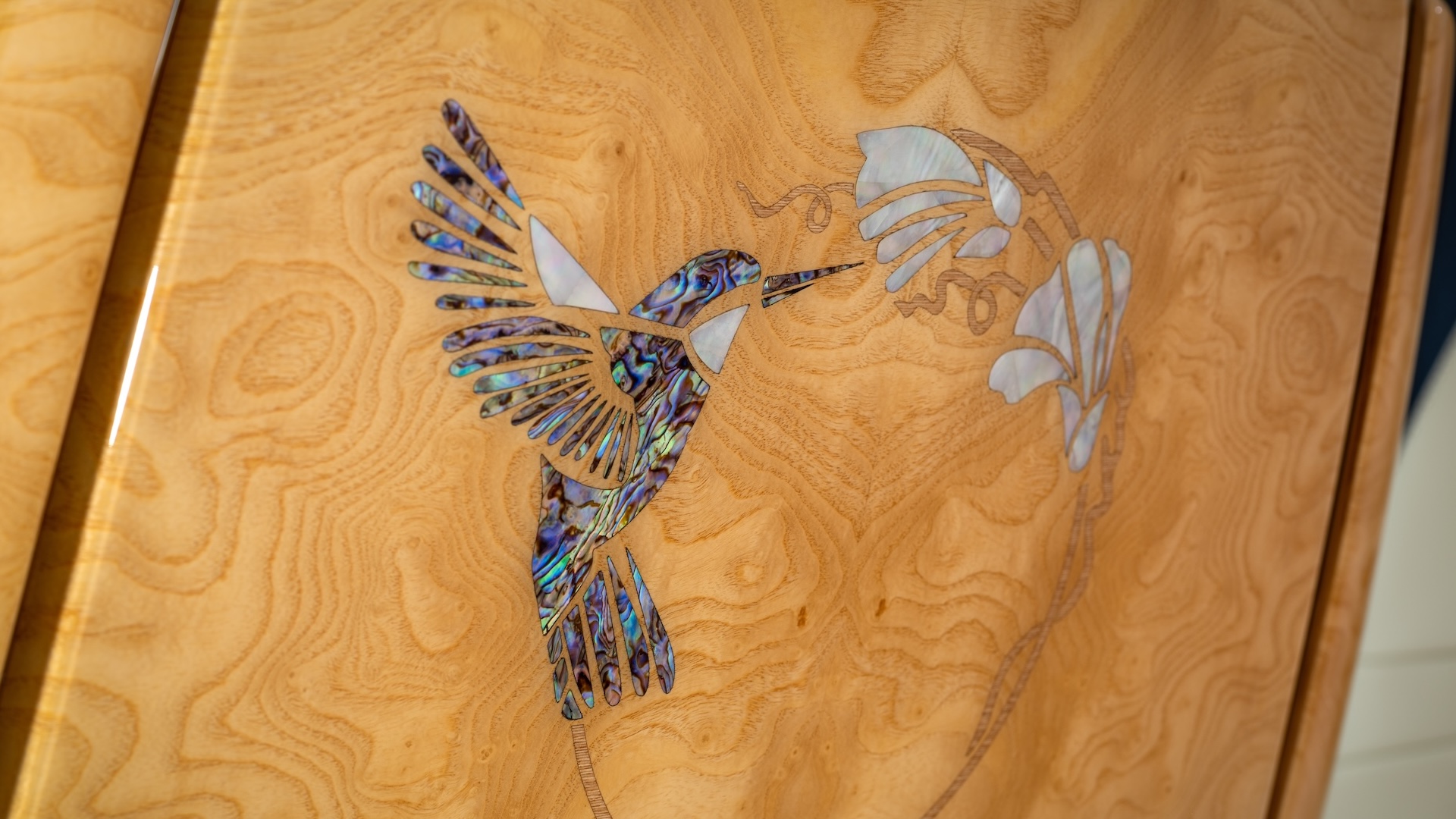
Each rear Picnic Table carries a hummingbird in flight, assembled from 53 individual pieces of abalone and mother-of-pearl. Eighteen pieces form the wings of each bird, where the shifting colours are most dramatic.
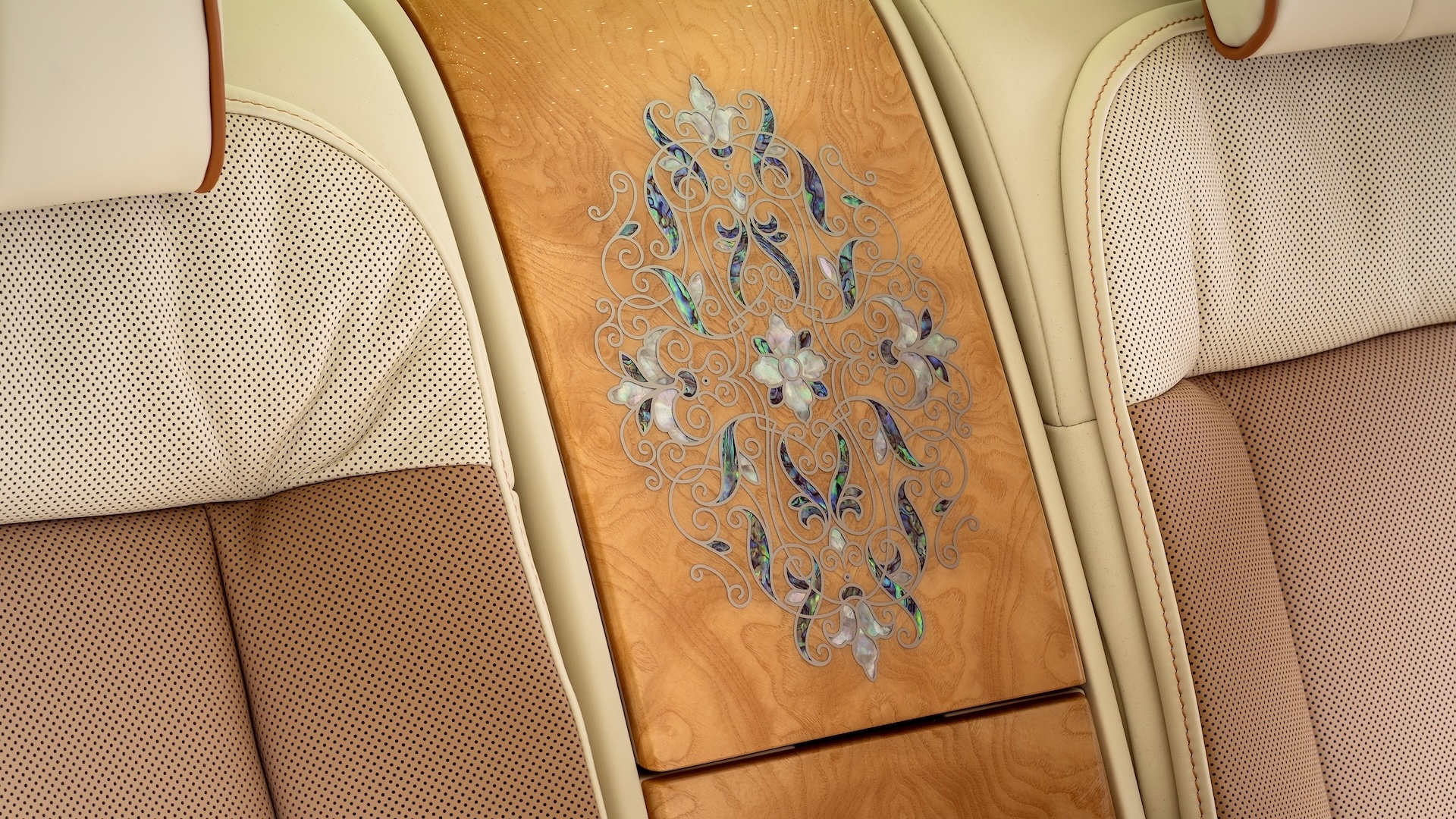
Between the rear seats, an 84-piece botanical design spreads across the Rear Waterfall panel. Combined, the three artworks contain 190 individual shell elements.
Ash Burr veneer forms the background, while Silver Birch contributes to the hummingbird compositions. Rolls-Royce cut the Silver Birch from one specially selected log, carefully examining its grain to ensure the wood complemented the artwork.
After the lengthy development process, assembling and finishing the three panels took another 45 hours. Even the rear tables have a longer production story than some complete cars.
A Car Built Around The Bird
Creme Light leather covers the seats, accompanied by Moccasin and Tan detailing. Seashell carpets continue the soft natural palette, while a Starlight Headliner turns the roof into Rolls-Royce’s familiar private night sky.
The restrained colours allow the abalone to command attention whenever light catches it. Nothing needs to flash, rotate or emerge from the dashboard. The theatre comes from the material itself.
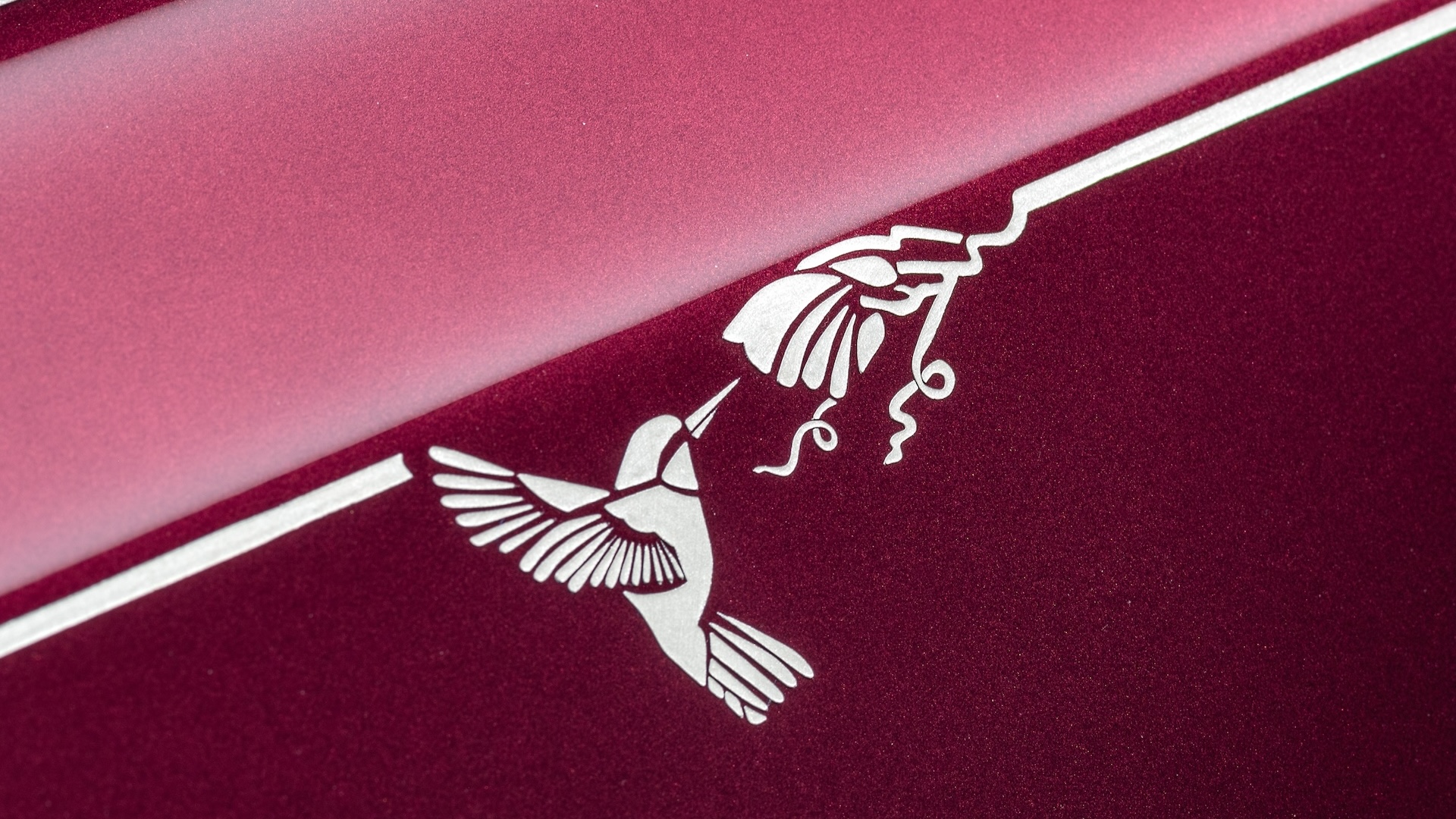
Outside, Wildberry paint covers the lower body while White Sands finishes the upper section. A hand-applied White Sands Coachline divides the colours, incorporating another hummingbird above the rear wheel.
It is a tiny illustration on a nearly six-metre limousine, and somehow that contrast makes it even more charming.
This Is What Modern Opulence Looks Like
True opulence is no longer measured simply by how much leather, chrome or technology can be crammed into a cabin. At the highest level, luxury has become intensely personal. It is the ability to ask for an emotional memory, private symbol or beloved creature and have an entire company learn how to turn it into a motor car.
That level of luxury matters more than its eventual price, which Rolls-Royce has sensibly declined to reveal. Putting a number on it might almost spoil the romance.