

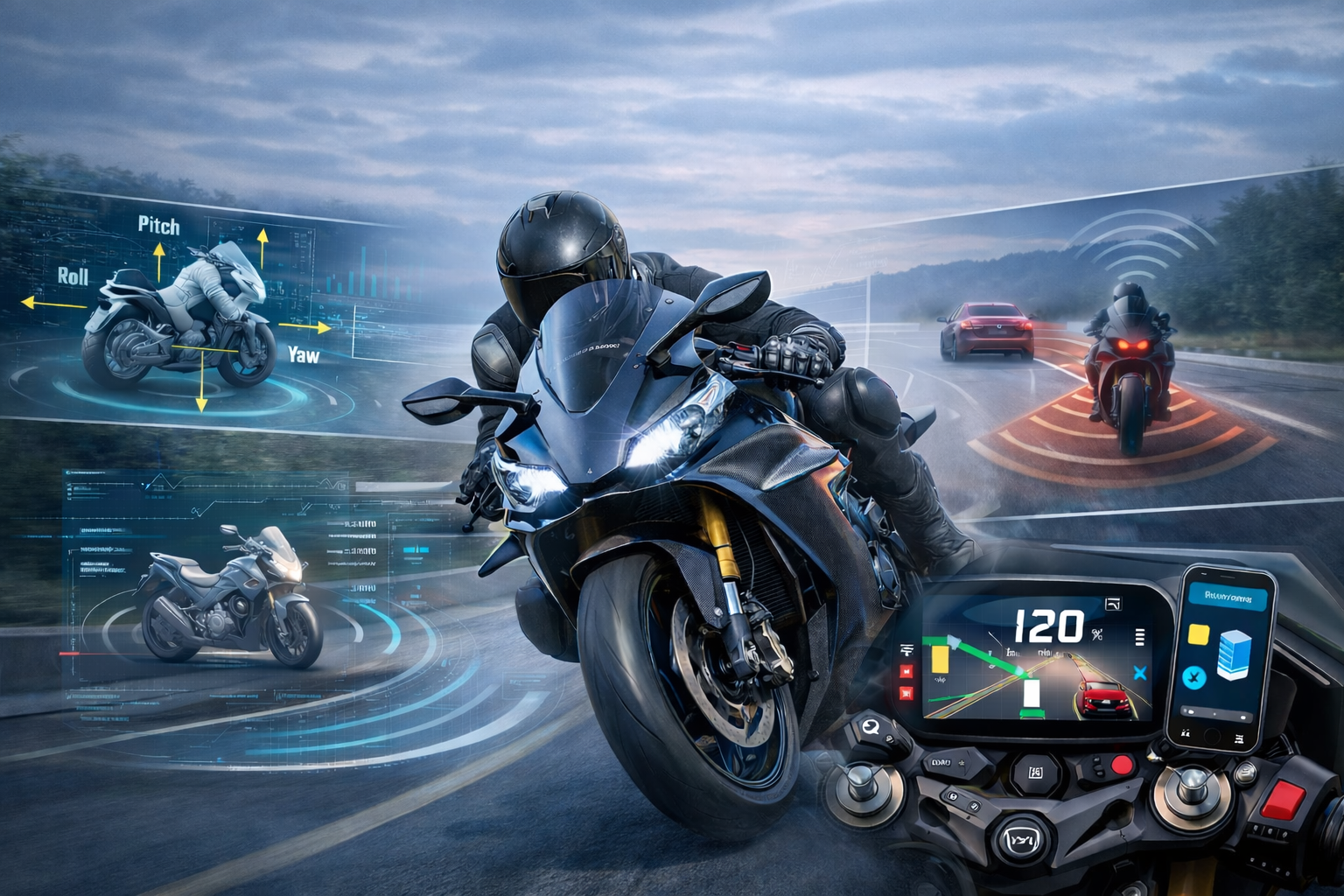
Gone are the days when motorcycles were walking deathtraps, only tamed by a few talented and skilful riders, one wrong move and game over. Looking back at motorcycle races from yesteryears gives you an impression of watching a matador tame a beast – always on edge, ready to break loose at moments notice.
Not only the way they rode, but motorcycles were often sight of impracticality and at best a weekend hobby. Citing a lack of usability features, such as a lack of proper navigational features.
As time has progressed, so has motorcycle technology – motorcycles are no longer untamable beasts. Modern technology has made motorcycles easier and safer to ride compared to the edgy machines of the past.
Here are a few modern technologies and features that have not only made motorcycle riding safer but also transformed the way we approach riding.
1 Smart Connected Instrument Cluster
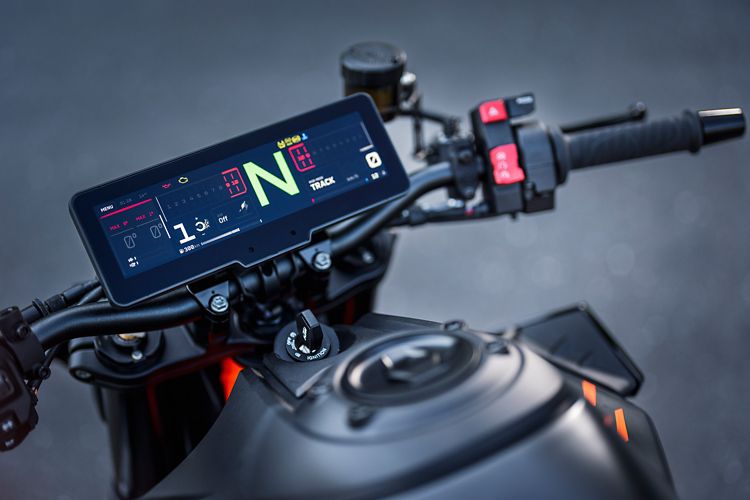
One of the staple and popular features listed by manufacturers on their product’s brochure is Smart Connected features. On modern motorcycles, connected features turn the motorcycle into a digital hub, enabling riders to connect their smartphones and access features such as Media controls, ride management, and receive calls and texts while riding.
While toggling between ride modes via the instrument cluster is the norm, a few motorcycles also offer the ability to access ride management systems via smartphone, allowing further customisability with levels of traction control intervention, engine braking and engine maps, without visiting the service centre or the need for bulky systems.
2 Six-Axis IMU Technology
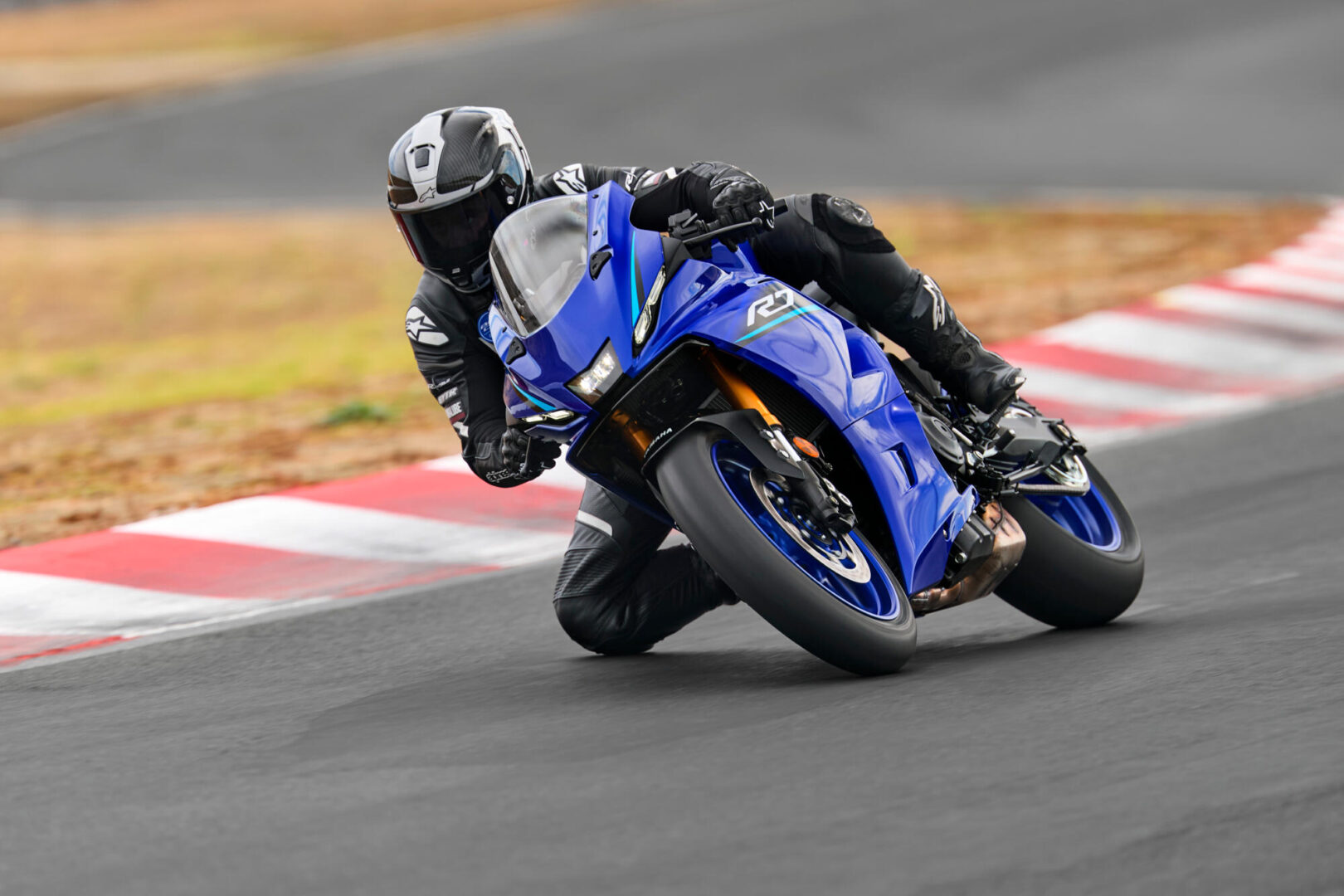
First introduced on the Yamaha YZF -R1 in 2015, was once a technological milestone reserved for the premium motorcycles, and is now trickling down the segment, becoming a common sight on the entry-level middleweight segment.
A six-axis inertial measurement unit is integrated into the motorcycle’s electronic control system, enabling advanced cornering ABS, traction control, and other lean-angle-sensitive rider aids. Enabling manufacturers to deploy unseen levels of power figures and still make their motorcycles manageable, and allowing riders to be more playful with their machines.
3 Radar Based Systems (ARAS)
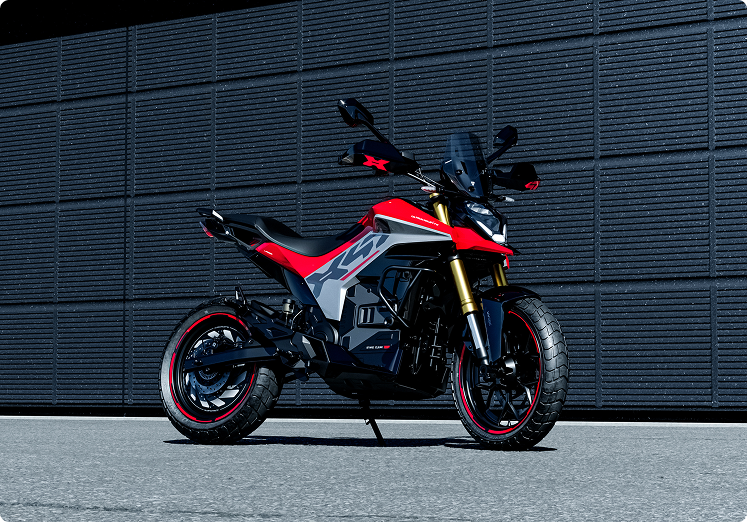
Radar-based systems are almost a norm on automobiles, spanning across segments ranging from high-end luxury vehicles to mainstream mass-market models. Have now found their way to motorcycles.
The first production motorcycle to use radar‑based systems was the Ducati Multistrada V4 in 2020, with both front and rear radar.
As part of broader Advanced Rider Assistance Systems (ARAS), motorcycle radar systems use front- and rear-facing millimetre-wave sensors to monitor surrounding traffic, enabling features like adaptive cruise control, collision alerts, and blind-spot detection.
4 Advanced Aerodynamic Bodywork
Advanced aerodynamic components and bodywork long common in automobiles are now being applied to motorcycles to enhance performance and stability.
Aerodynamic body work isnt a foreign territory on motorcycles – since the late 1960s and early 70s, motorcycle engineering took a first step towards advanced aero with the introduction of full fairings in pursuit to cut drag and enabling higher top speeds.
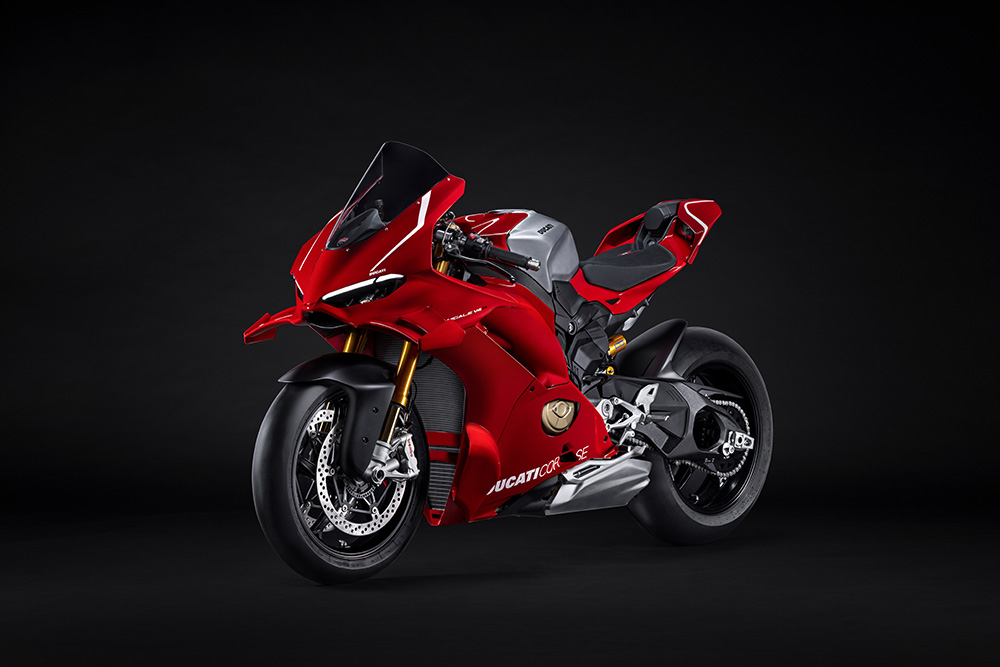
However, ever since, the designs have remained fairly rudimentary, and not much of an innovation has taken place in the field. That is, until 2016, when Ducati Corse first introduced aero winglets on their MotoGP challenger, every other manufacturer set their best engineers in the field of aerodynamics in an attempt to extract maximum front-end downforce and stability.
While Aerodynamics winglets were first introduced by Yamaha on their limited edition H2R, the real leap began with Ducati integrating their MotoGP tech on their production-ready Panigale models, later followed by other manufacturers such as BMW, Honda and Yamaha.
On production models, the winglets offer much more than just visual aesthetics, offering a stable and direct front-end feel, and manufacturers like Aprilia are integrating their pioneering state-of-the-art ground effect designs on their production models, elevating motorcycle dynamics to unseen levels.