


The 2026 model year Yamaha R7 debuts at EICMA 2025 with refined ergonomics, redesigned chassis, and enhanced electronic aids.
The 2026 Yamaha R7 is powered by the familiar 689cc twin-cylinder engine. It’s a 689cc liquid-cooled, DOHC, 4-valve parallel-twin engine that produces 72hp of peak power at 8,750 rpm and a peak torque of 67 Nm at 6,500 rpm, enough to accelerate the motorcycle from 0-60 mph in 3.3 seconds and a top speed of 135 mph, Now to be fair these numbers are from the older model, the 2026 model gets host of new electronics and chassis upgrades which may impact the performance numbers slightly.
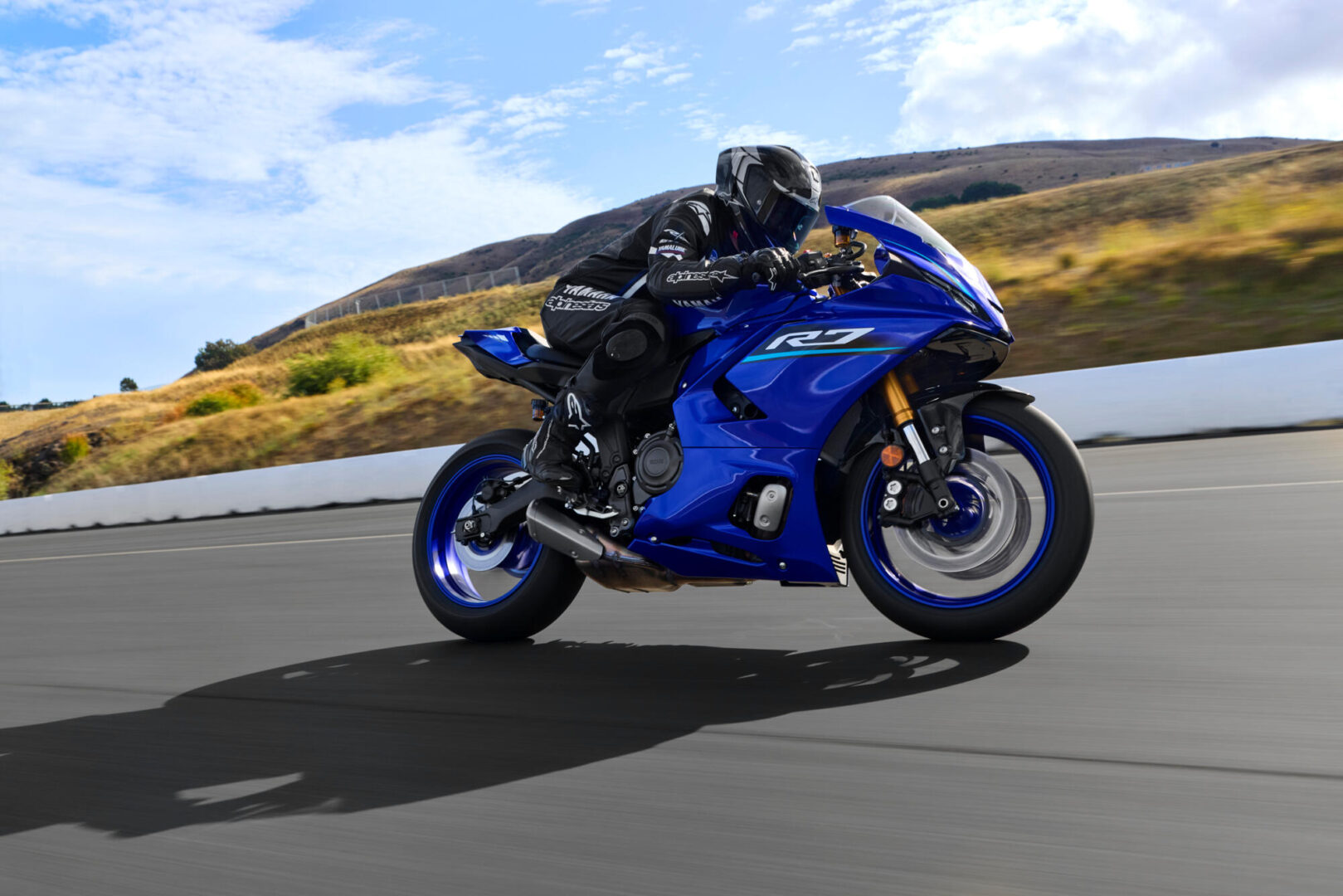
For the 2026 model year, Yamaha has re-engineered the R7S’ chassis for improved agility by incorporating an updated diamond frame with advanced steel plates for improved stability. The updated chassis features a suspension setup with lighter and fully adjustable 41mm USD KYB forks, which can be tuned for precision handling or comfort — the rider’s choice. The 2026 R7 comes paired with a new and lighter spin-forged wheel. Now, the bike not only handles better than the previous iteration but also weighs less, improving overall efficiency.
For the 2026 model year, Yamaha engineers prioritised Rider comfort. They achieved it by slightly lowering the seat height from 835mm to 830mm, repositioning the handlebars for easier upper-body movement, and reshaping the fuel tank for better rider mobility. The footpegs on the 2026 Yamaha R7 mirror those on the larger Yamaha models like the R1, offering improved cornering clearance.
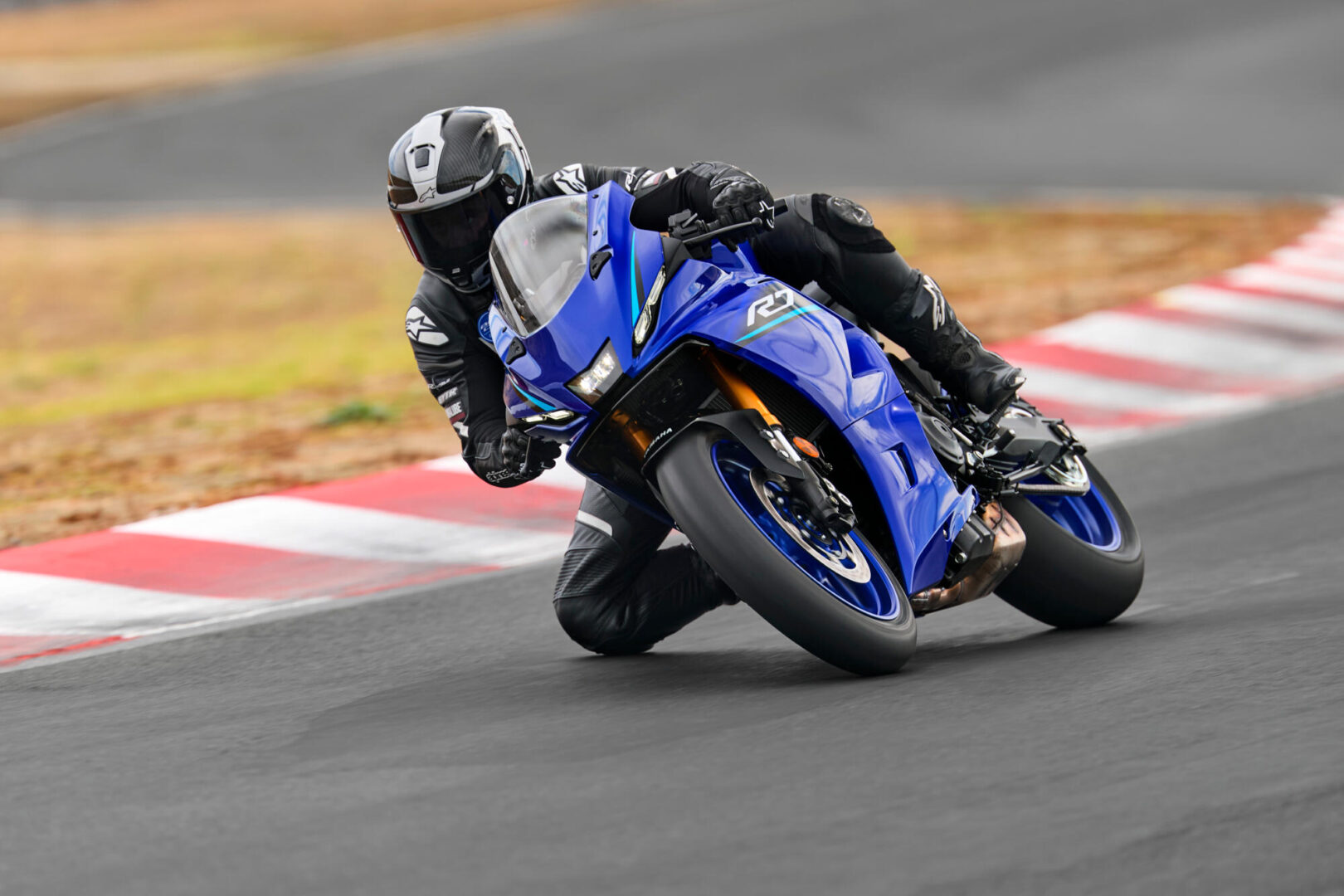
One of the key areas where the 2026 R7 has seen a significant improvement is in the electronics department. The electronic suite includes Yamaha’s latest 6-axis IMU unit derived from R1, which enables intelligent rider aids such as cornering ABS, three-step traction control, wheelie management system, and intelligent engine brake system.
Additional features include an upgraded Quick Shift System with bi-directional functionality, allowing clutchless up- and downshifts, aiding in improving the overall rideability of the motorcycle.
Visually, for the 2026 model year, the Yamaha R7 features a much more aggressive front-end bodywork. The new bodywork borrows cues from the Yamaha R1 and R9, featuring sharp lines and subtle aerodynamic bits such as winglets on the front fairing.